MOST · attractionsHaapsalu
← City home

Places to visit in Haapsalu

Explore the city’s places of interest, with photos, descriptions and addresses.

Haapsalu Kuursaal

History & architecture

Haapsalu Kuursaal

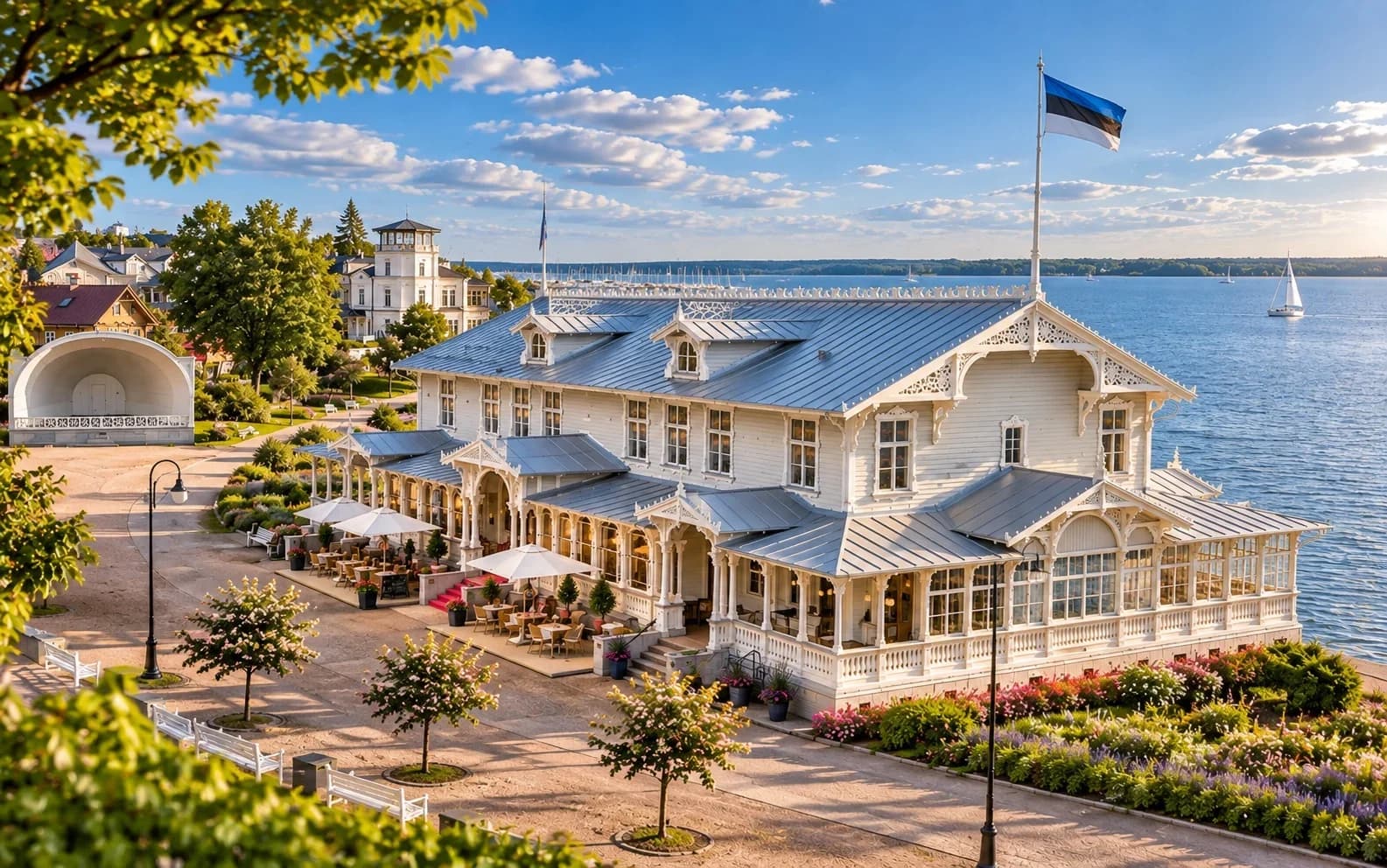
Haapsalu Kuursaal is one of the most recognizable buildings in seaside Haapsalu and a rare surviving example of late 19th-century resort architecture. The wooden pavilion was built in 1898 right by the sea; originally, the water came almost up to the building itself. The openwork facade, light wooden structure, and adjacent bandstand evoke a time when Haapsalu was a fashionable summer resort for wealthy guests and members of the Russian imperial circle. Today, the historical Kuursaal remains part of the promenade's life and operates as a restaurant with a sea view during the summer season. Even without visiting the restaurant, the building is worth including in a walk along the waterfront as one of the visual symbols of resort Haapsalu.

Promenaadi tn 1, Haapsalu

Read more →
Haapsalu Maria-Magdaleena Kirik

History & architecture

Haapsalu Maria-Magdaleena Kirik

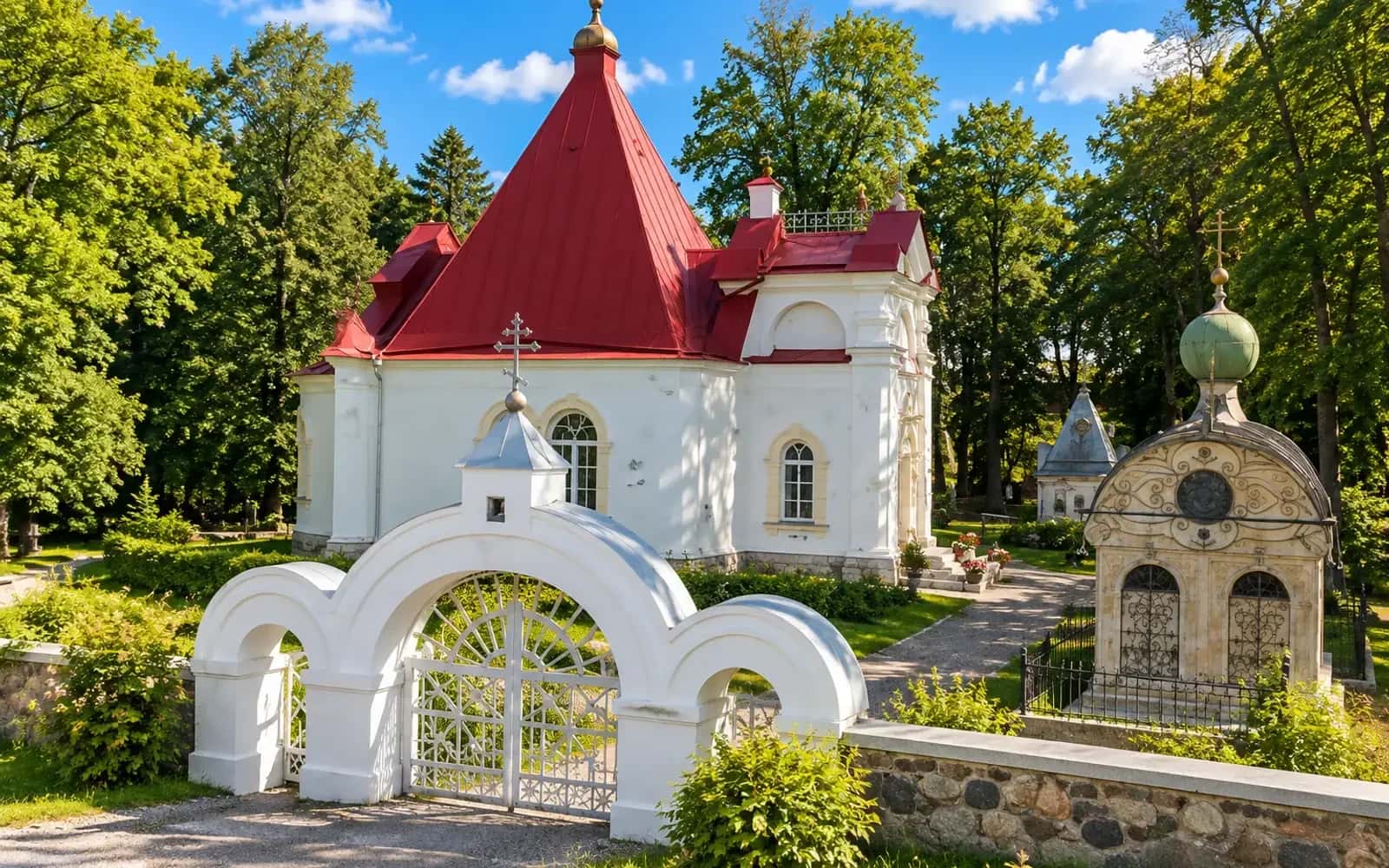
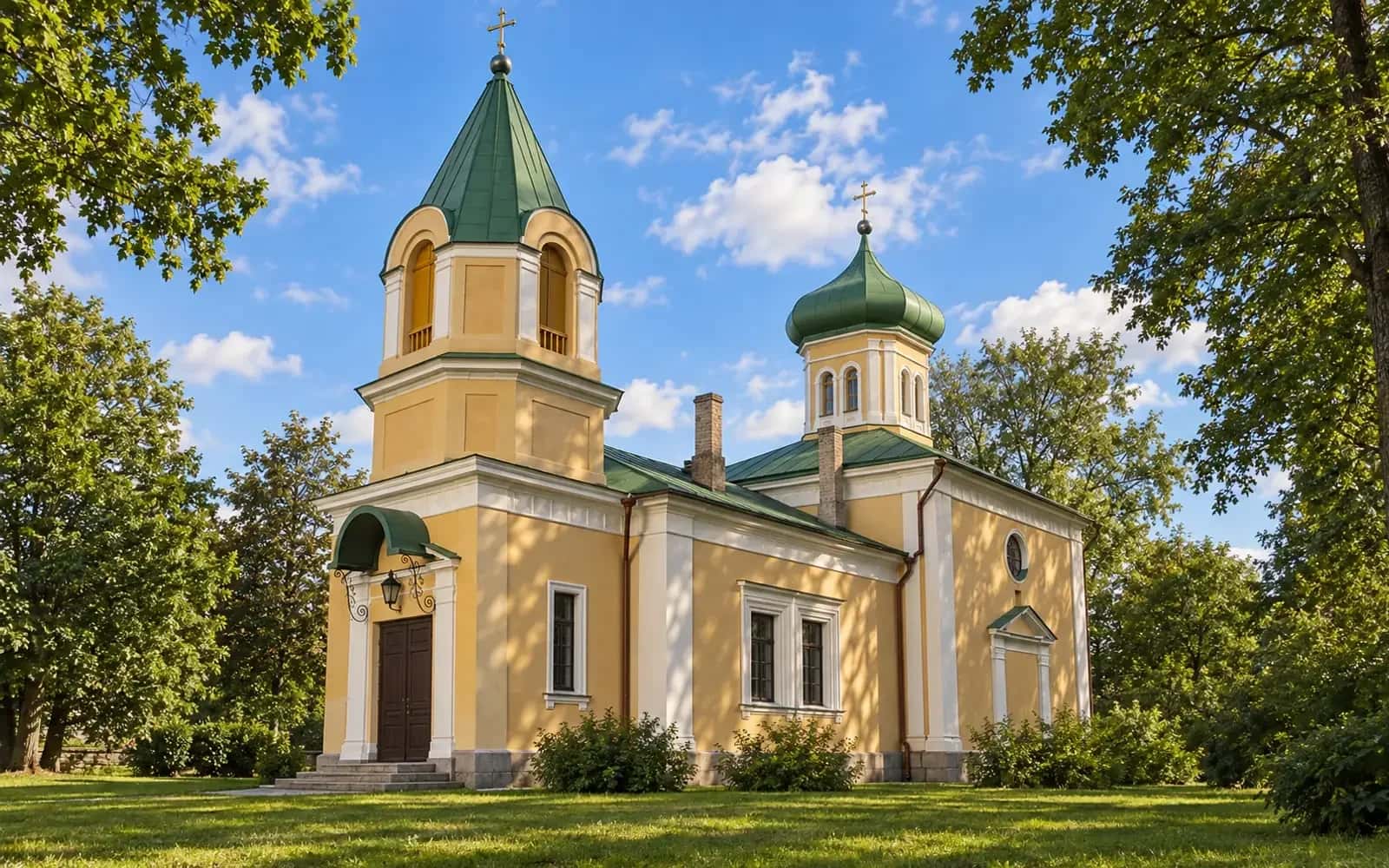
Haapsalu Maria-Magdaleena Kirik is an Orthodox church by the marine promenade in Haapsalu. Opened in 1852, the church is connected to the town's history as a popular seaside resort. Inside, special attention is drawn to the stained-glass windows by artist Dolores Hoffmann, filling the space with colored light. The church house is linked to the childhood years of illustrator Ilon Wikland, who lived here with her grandparents. The church operates as a place of worship; visits outside Sunday hours must be arranged in advance.

Linda tn 2, Haapsalu

Read more →
Tchaikovsky Bench in Haapsalu

History & architecture

Tchaikovsky Bench in Haapsalu

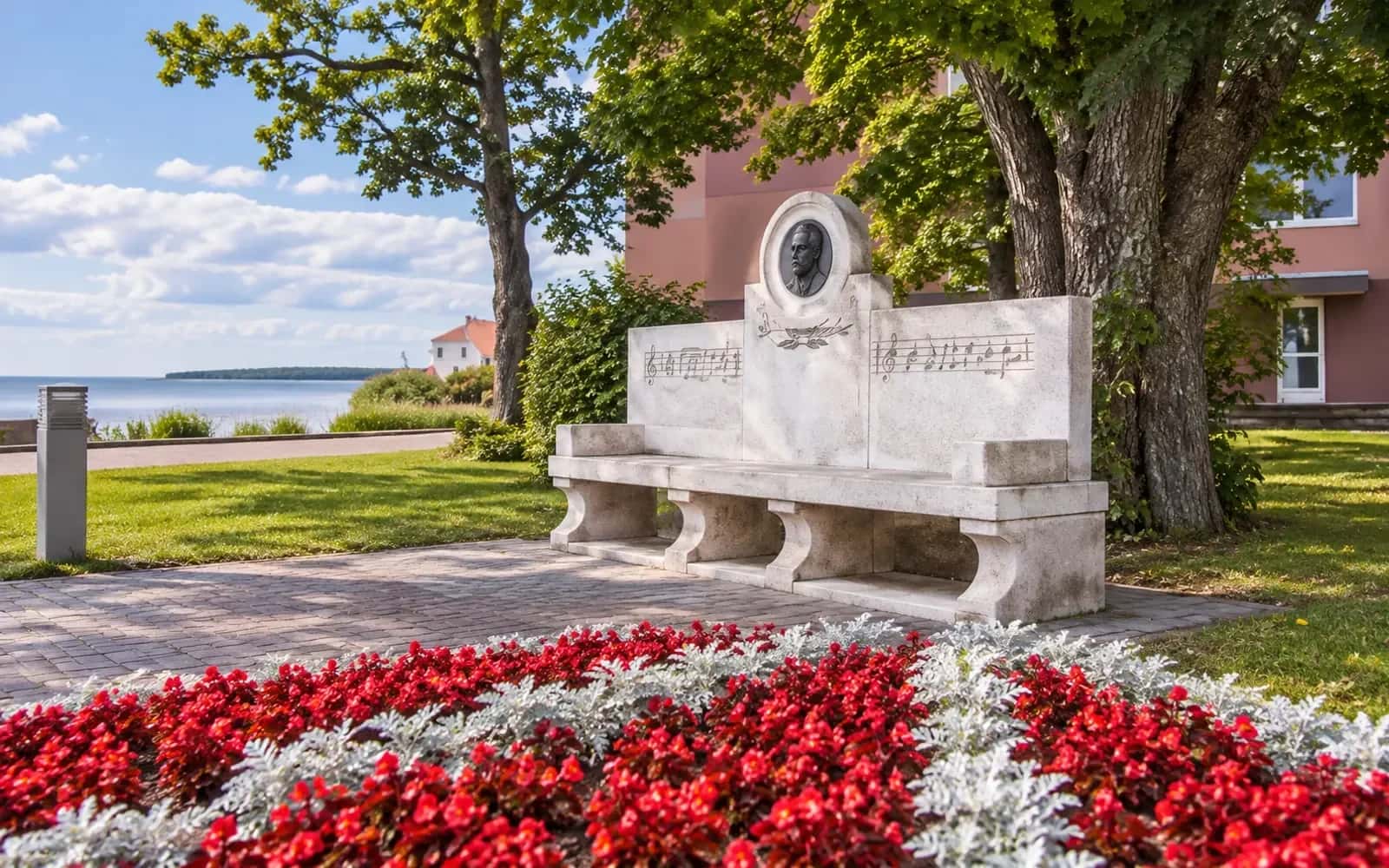
The Tchaikovsky bench in Haapsalu is a memorial to the composer on the seaside promenade. Pyotr Tchaikovsky holidayed in Haapsalu in 1867, and a dolomite bench recalls his stay here. The memorial is also linked to an Estonian folk tune whose motif found its way into the composer's work and whose notes can be seen on the bench. The bench stands on a walking area with sea views, where the resort town's musical history meets the coastal landscape. It is a small but clearly recognisable monument that can be viewed while strolling along the promenade, and it is worth taking time there to enjoy the views of the bay and the town.

Sadama tn 16, Haapsalu

Read more →
St. John's Church in Haapsalu

History & architecture

St. John's Church in Haapsalu

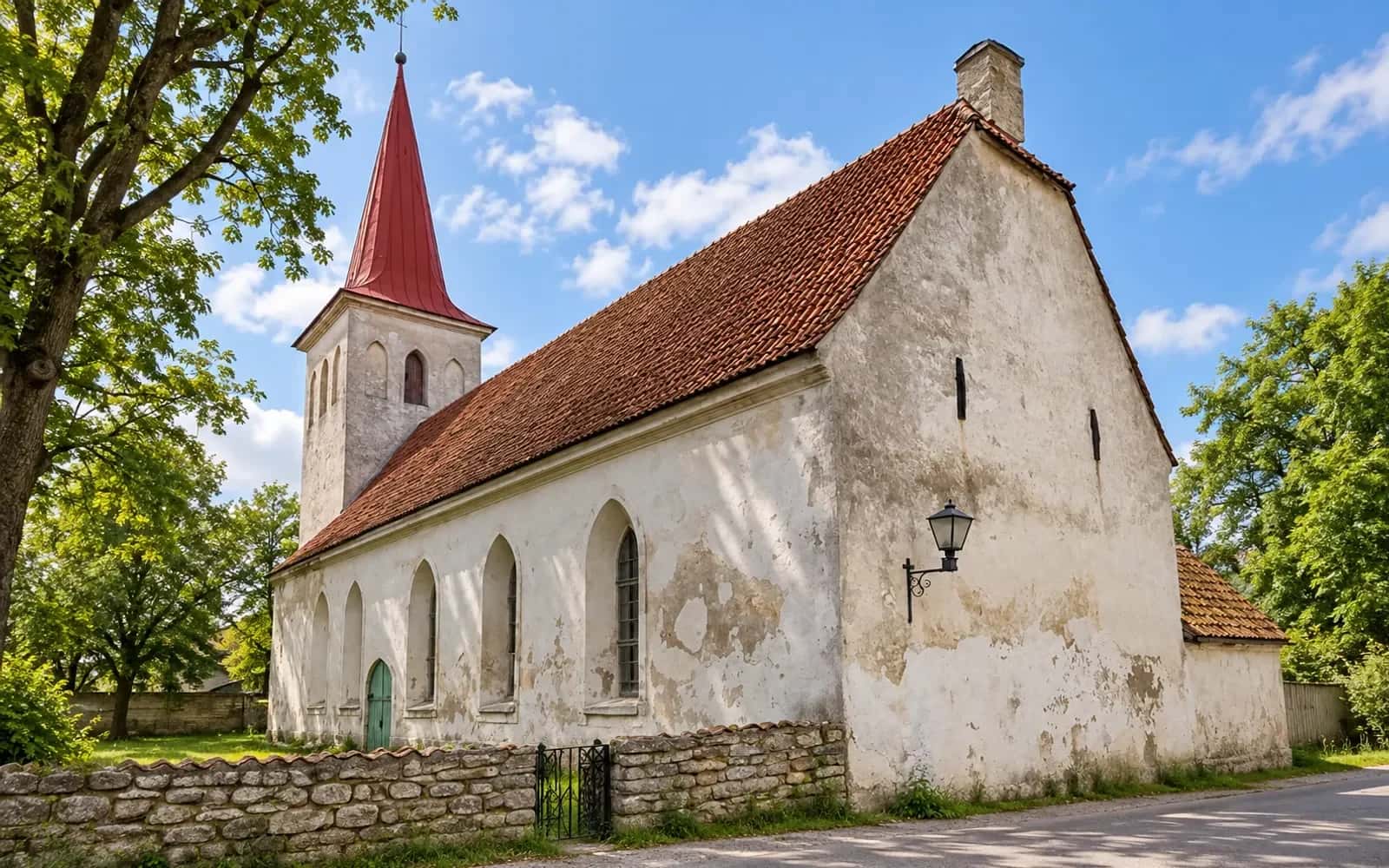
St. John's Church in Haapsalu is a historic Lutheran place of worship on Kooli Street in the old town. The building was probably used as a granary in the Middle Ages and was later converted into a church, which is why its floor plan differs from typical church architecture. The altar is unusually placed at the southern end, and inside there are old tombstones and historic furnishings. The building is modest from the outside, but its walls carry several centuries of the town's history. As the church is still used by its congregation, access depends on services and visiting arrangements.

Kooli tn 4, Haapsalu

Read more →
Ernst Enno Monument

History & architecture

Ernst Enno Monument

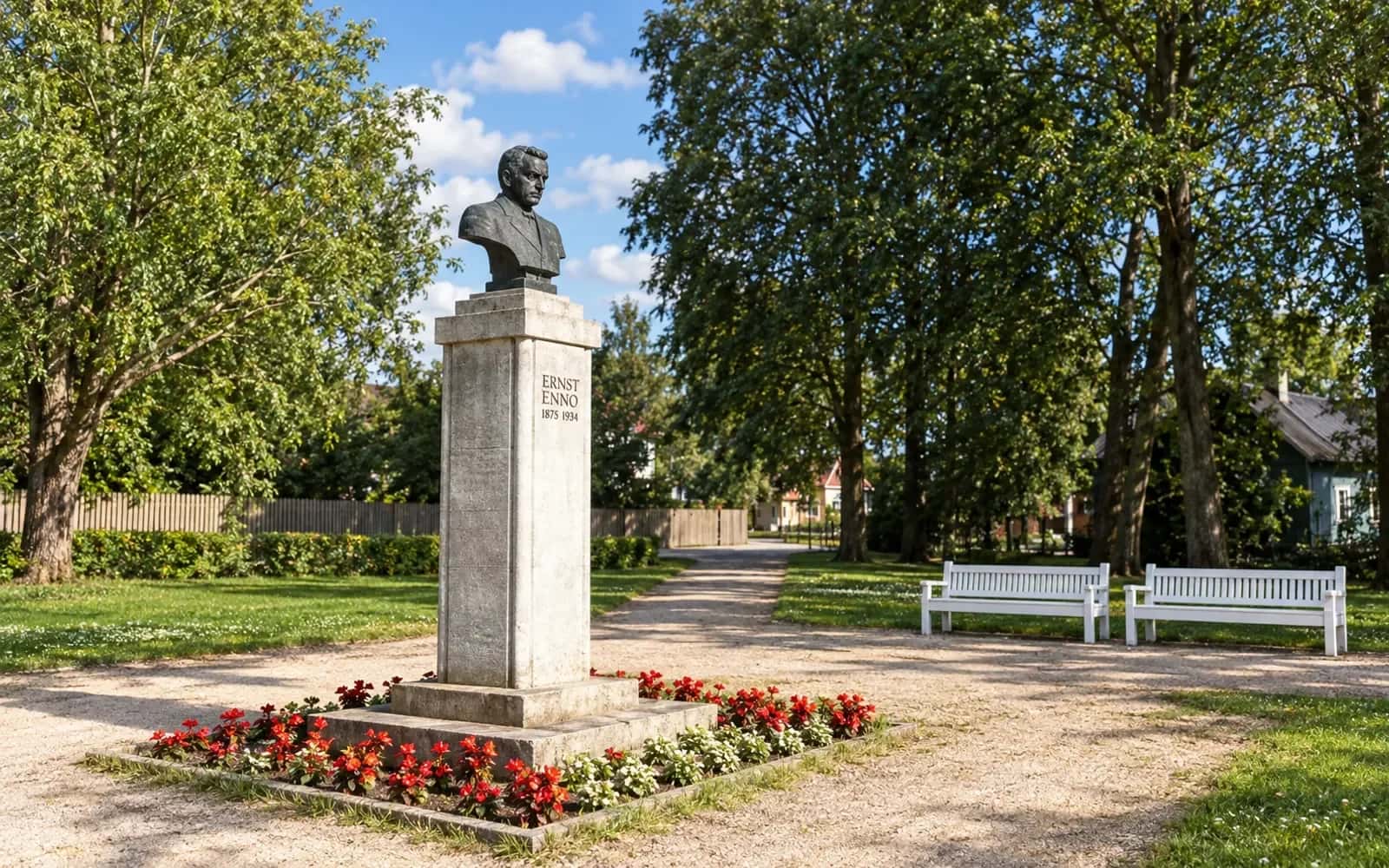
The Ernst Enno monument stands in Haapsalu on the Õhtu kallas (Evening Shore), in a park named after the poet. The memorial is dedicated to the Estonian poet Ernst Enno, who from 1919 worked as the school counsellor of Lääne County and wrote several well-known children's songs in Haapsalu. The monument is by the sculptor Roman Haavamägi, whose work can be found elsewhere in Haapsalu too. The seaside park offers a quiet place to recall Estonian literary history and explore the town. You can stop at the memorial on a walk of its own, without visiting a museum or entering a building. Ernst Enno's grave is in Haapsalu Old Cemetery.

Õhtu kallas 31, Haapsalu

Read more →
Haapsalu Baptist Prayer House

History & architecture

Haapsalu Baptist Prayer House

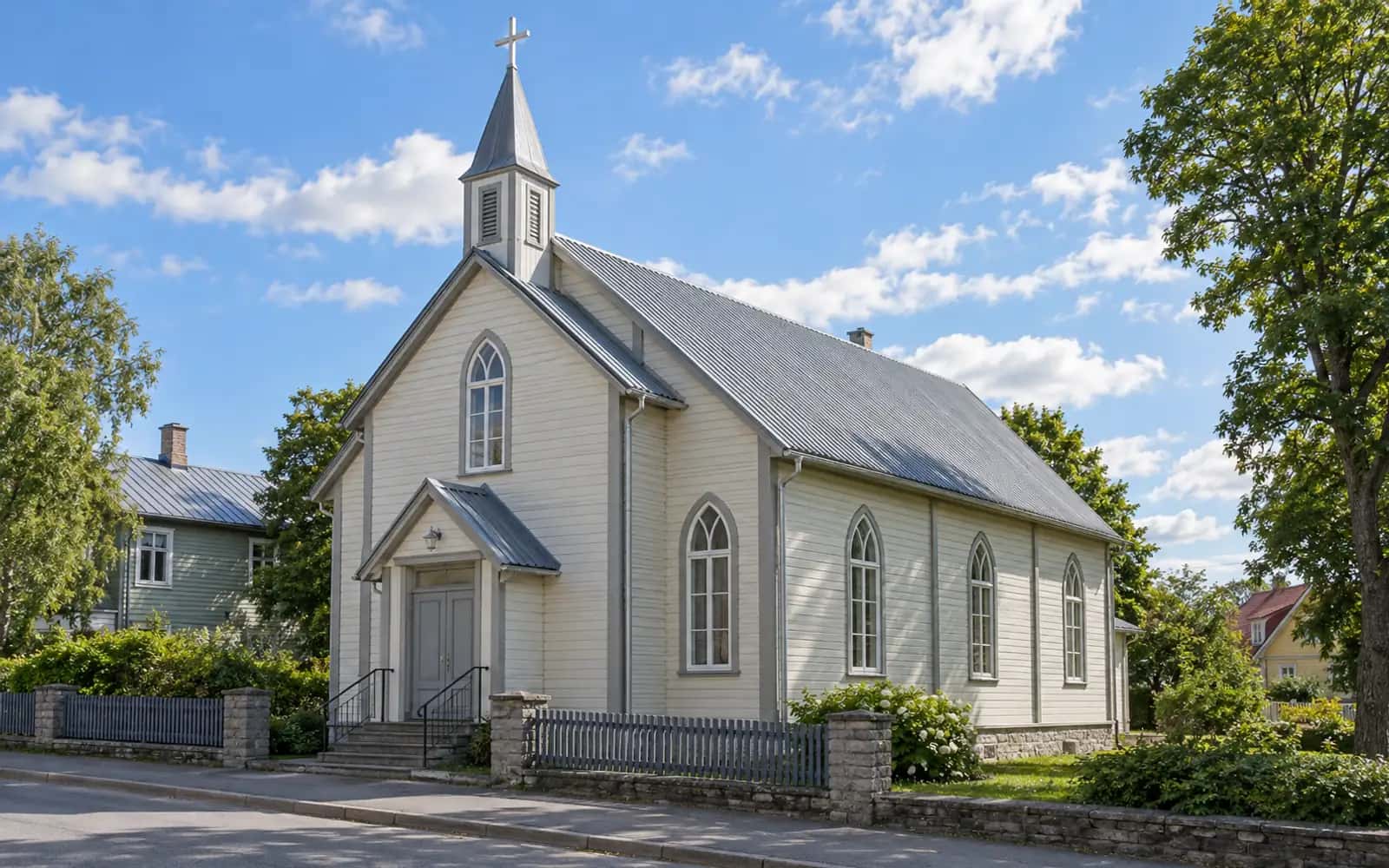
The Haapsalu Baptist Prayer House on Metsa Street is linked to the early history of the Baptist movement in Estonia. The Haapsalu Baptist congregation emerged during the religious awakening of the 19th century and regards itself as the first Baptist congregation in Estonia. The prayer house is the congregation's meeting place, hosting services, Bible studies and other community activities. For visitors it reveals one facet of Haapsalu's religious and social history, distinct from the town's medieval churches. The building is not a regular museum, and access to the interior depends on the congregation's activities and service schedule.

Metsa tn 24, Haapsalu

Read more →
Cyrillus Kreek Memorial

History & architecture

Cyrillus Kreek Memorial

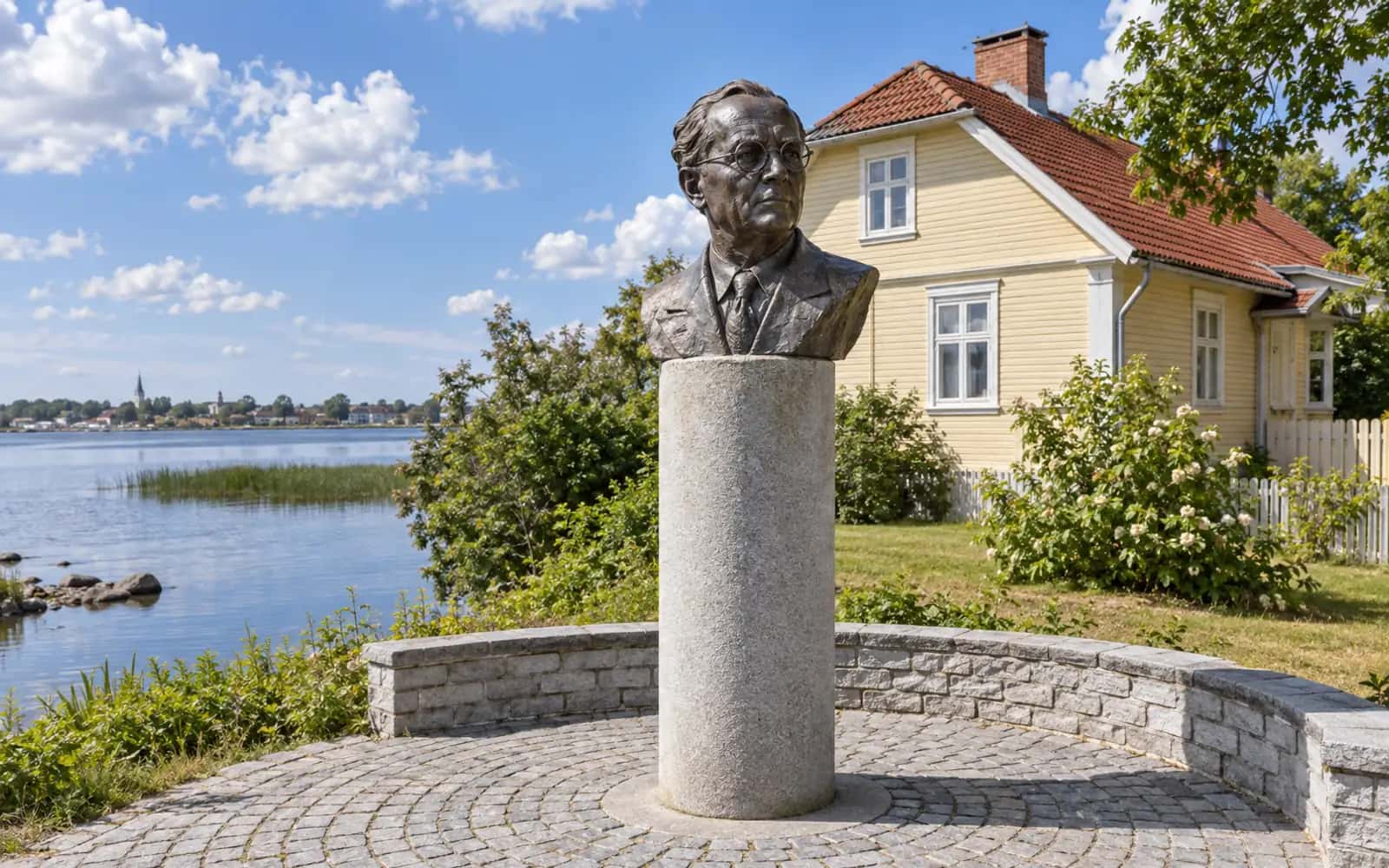
The Cyrillus Kreek Memorial stands on Vaikne kallas in Haapsalu, in front of the composer's former home by the Väike viik bay. Cyrillus Kreek was an Estonian composer and a developer of choral music whose work gives an important place to sacred folk tunes, choral songs and arrangements of folk music. Much of his work was written in Haapsalu, where he lived and worked. The memorial by sculptor Aime Kuulbusch links the composer's life story with the townscape and offers a way to discover Estonian music history outside the concert hall. The monument is a separate work of public art, not another name for the Väike viik skating rink or the Haapsalu promenade.

Vaikne kallas 3, Haapsalu

Read more →
The Stick Breaker Sculpture

History & architecture

The Stick Breaker Sculpture

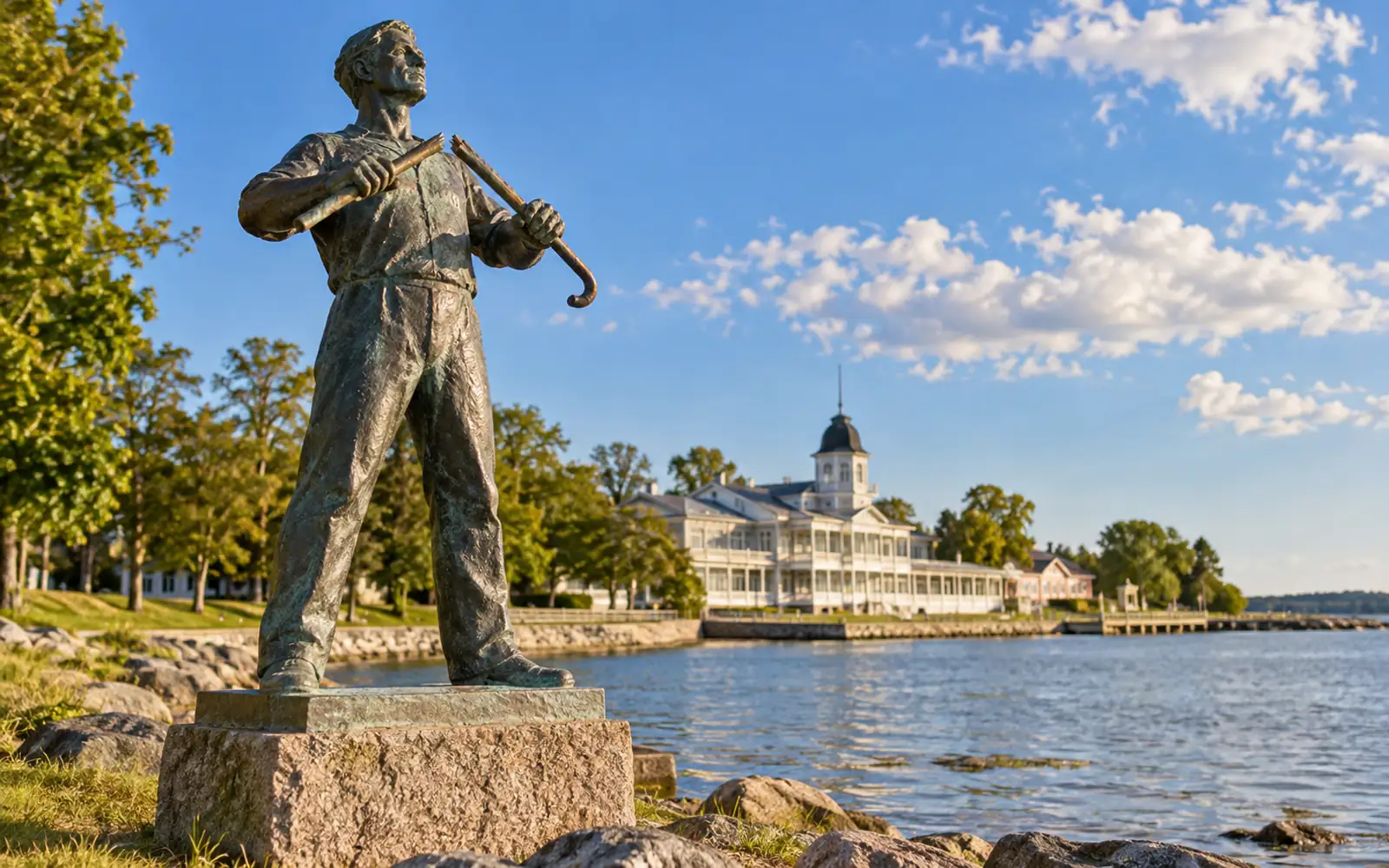
The Stick Breaker sculpture stands on Sadama Street in Haapsalu on the shore of the Väike viik bay, in front of Hestia Hotel Haapsalu. Created by sculptor Juhan Raudsepp, the work depicts a healed man breaking in two the walking stick he no longer needs. It symbolises Haapsalu's long resort and healing tradition, centred on restoring health. The sculpture also has an unusual history: in 1992 it was stolen and cut into four pieces, but the pieces were later recovered and the work was restored. Today the Stick Breaker is a standalone work of public art that can be seen on a walk along Väike viik.

Sadama tn 11, Haapsalu

Read more →
Vormsi St. Olaf's Church

History & architecture

Vormsi St. Olaf's Church

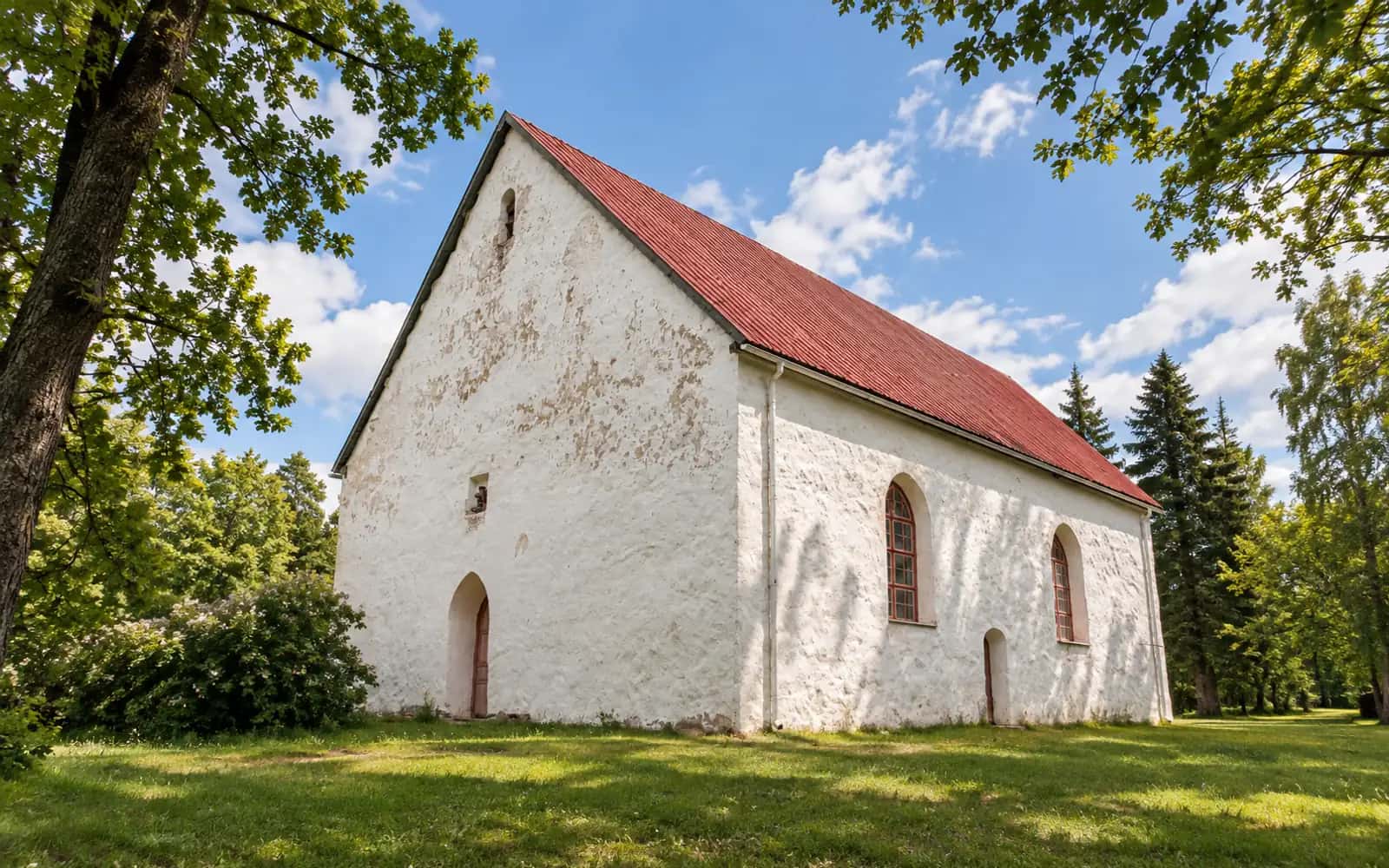
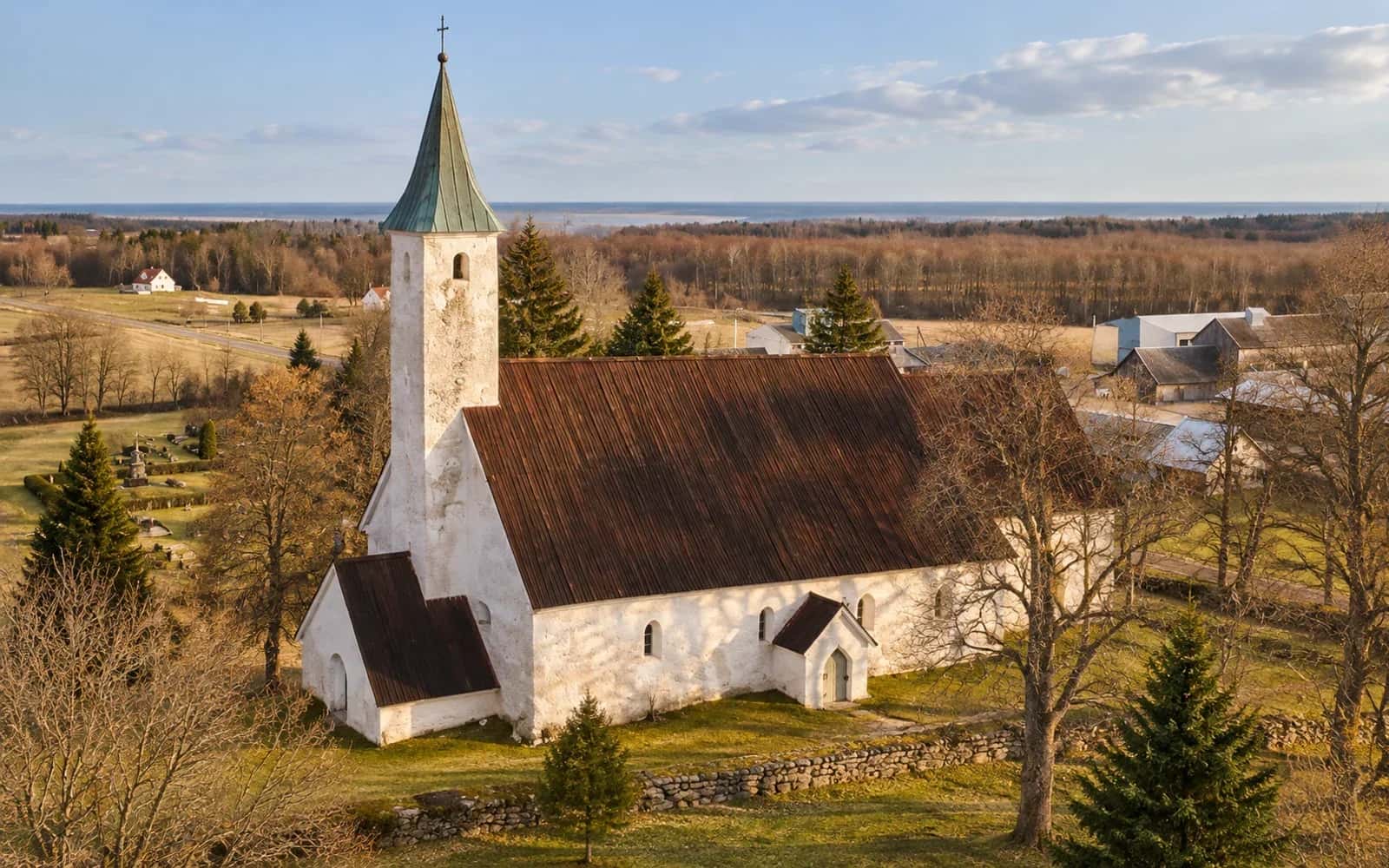
Vormsi St. Olaf's Church is a medieval church building in Hullo village on Vormsi island, Lääne County. White-plastered walls, a steep red roof and a towerless silhouette set it apart from many other Estonian country churches: the bell hangs above the entrance. The church's simple exterior suits Vormsi's peaceful village landscape. During visiting hours you can see historic ceiling paintings inside, but opening times in season are limited and at other times a visit must be arranged in advance. A trip to the island means planning around the ferry timetable.

Kiriku/1, Hullo küla, Vormsi vald, Lääne maakond

Read more →

Showing 9 of 13