CITY GUIDE
Kuressaare travel guide
As the main town of Saaremaa, Estonia's largest island, Kuressaare is still dominated by its 14th-century Episcopal Castle, generally regarded as one of the country's best-preserved medieval fortresses. Ringed by a moat and parkland, the castle today houses the Saaremaa Museum, which tells the island's story from inside the very walls that once protected it.
History & culture
Why Kuressaare
Kuressaare also has a softer side: it's been a spa town since 1840, when a local carpenter built its first small bathhouse next to the castle, and that tradition has stuck — it's still one of Estonia's best-known spa and wellness destinations. About 20 km away lies the Kaali meteorite crater, one of Europe's most unusual impact sites, and the town hosts the Saaremaa Opera Days and the Kuressaare Tänavapiknik street festival every year.
Island living, a medieval castle, and a genuine spa tradition — Kuressaare moves to an entirely different rhythm than the rest of Estonia.
Not to miss

Thule Koda
Thule Koda is a modern centre of alternative history in the heart of Kuressaare, where Saaremaa's legends, mythology and real island characteristics are presented through interactive installations and games. The exhibition deliberately balances between facts, fantasy and island humour, inviting visitors to decide for themselves what to believe. It features unusual thematic spaces and a 360-degree cinema hall, and the same complex houses Thule Kino. Thanks to its playful format, the centre is particularly suitable for families and for visiting in rainy weather when you want to continue discovering Saaremaa indoors.
Uus 20, 93814 Kuressaare
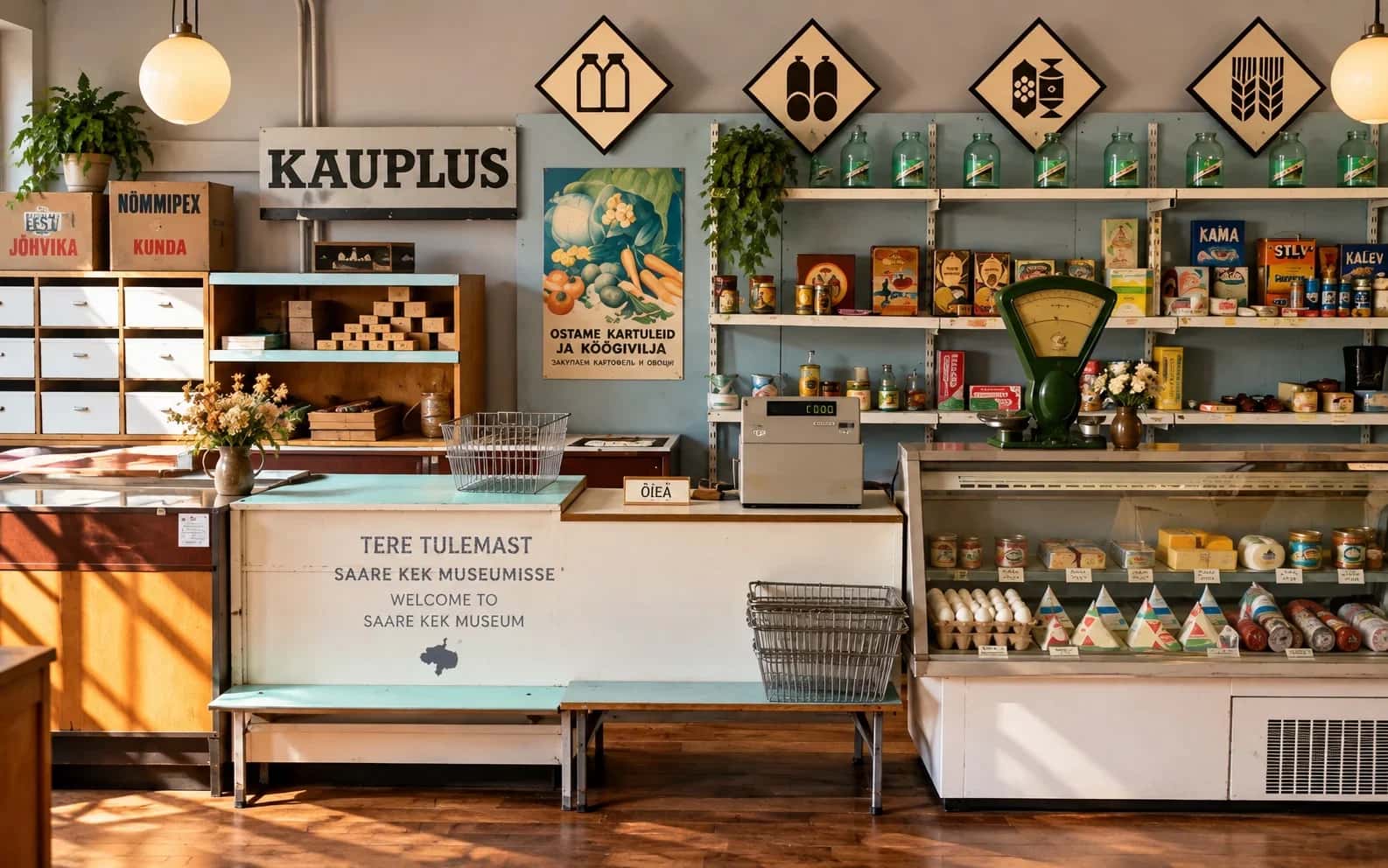
Saare KEK Museum
Saare KEK is an unusual museum in Kuressaare, located in an expressive building of a former Soviet-era construction organization. The exhibition "Time Travel into Soviet Everyday Life" focuses primarily on the 1970s–1980s and showcases household items, shortages, interior design, architecture, and everyday habits of the era with a notable dose of humor. Some of the exhibits are directly related to the history of the building itself, constructed in 1982. The museum stands out from the city's classic historical collections: the emphasis here is on recognizable objects, the atmosphere of the time, and the personal memories of visitors from various generations.
Ringtee 15, 93815 Kuressaare
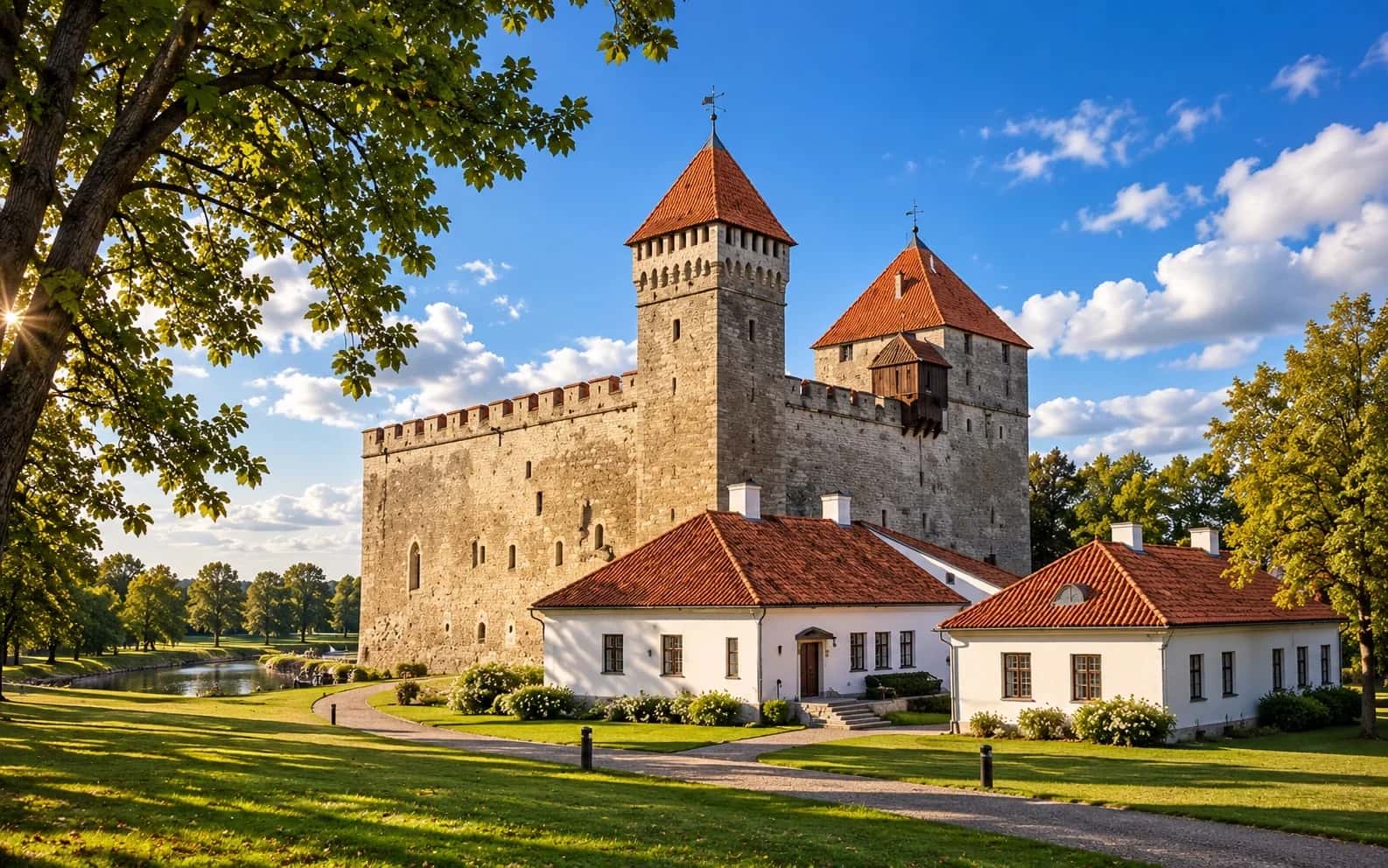
Kuressaare Castle
Kuressaare Episcopal Castle is the main historical symbol of Saaremaa and one of the best-preserved medieval fortresses in the Baltic region. The monumental stone building is surrounded by bastions and a moat, and inside operates the Saaremaa Museum, which tells the history of the island from the distant past to modern times. Visiting is interesting not only for the exhibitions: the route passes through halls, stairs, corridors, and other spaces of a real fortress. In 2024, part of the first-floor exhibition was updated to feature a more interactive presentation. The outer fortifications and the surrounding park form a separate walking route, so you should allow time for both the museum and exploring the fortress from the outside.
Lossihoov 1/1, 93810 Kuressaare
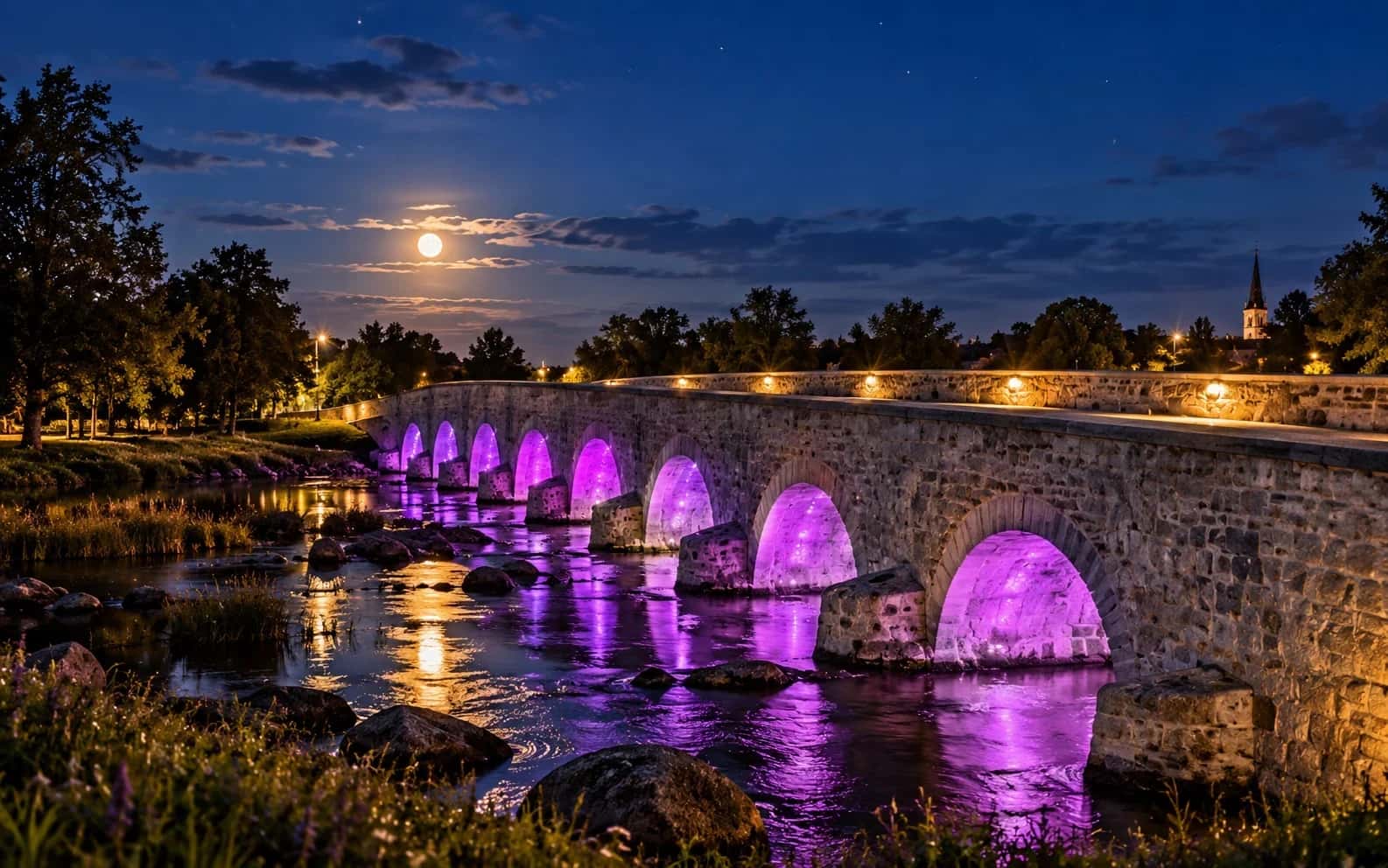
Kuressaare Great Bridge
Kuressaare Large Bridge is a historic stone bridge over the Põduste River and one of the town's prominent architectural features. The current dolomite bridge was built around 1820 on the site of an earlier wooden crossing. It is approximately 105 meters long and features twelve arches, making it clearly visible from both the riverbanks and the water. Today it is reserved for pedestrians and looks particularly striking in the evening thanks to modern lighting. It is a quiet walking attraction away from the main tourist spots in Kuressaare and a good landmark for a route between the historic center and coastal areas.
Põduste jõgi, Kuressaare
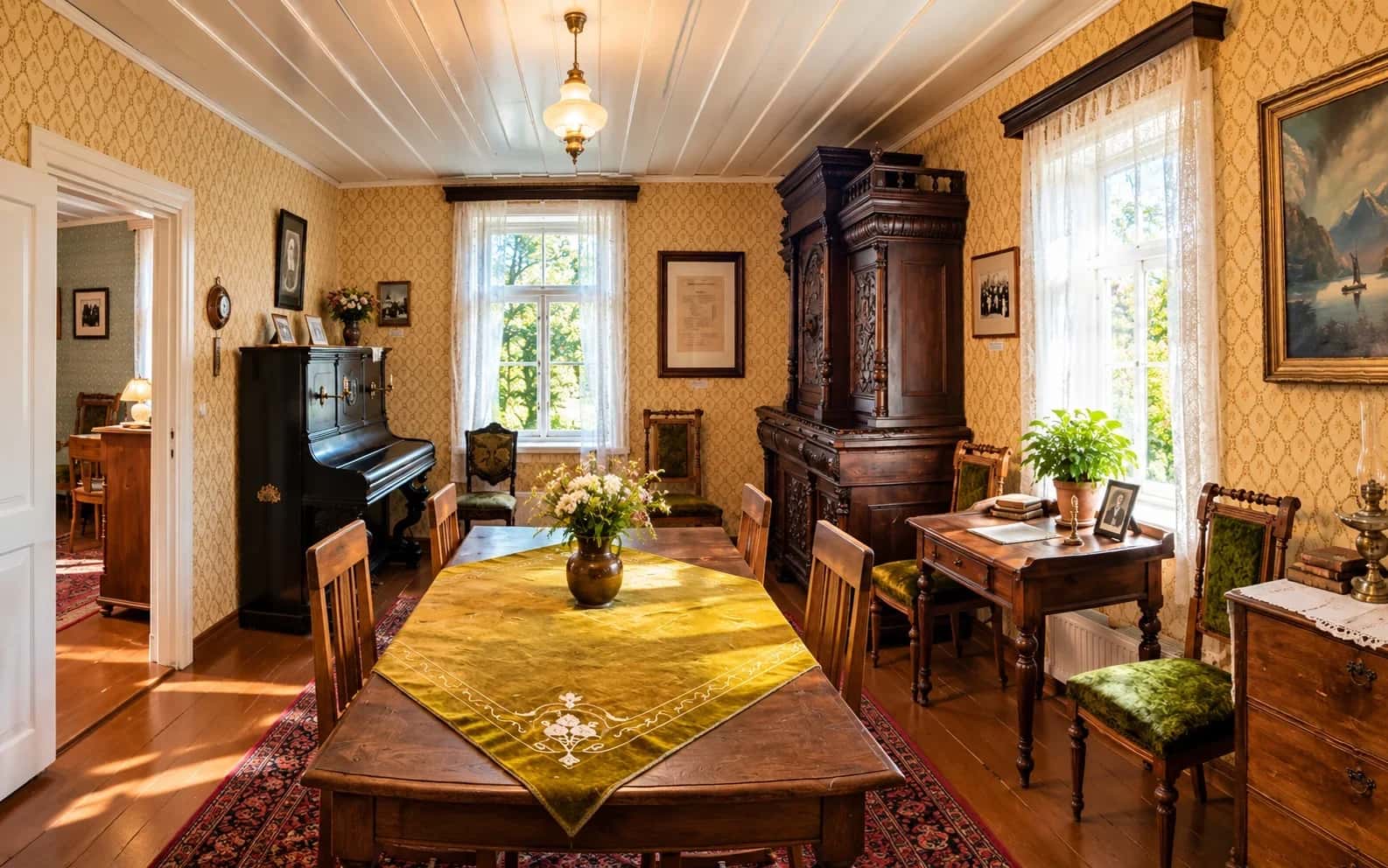
Aavik’s House Museum
The Aavik Family House Museum introduces two prominent figures in the cultural history of Saaremaa — linguist and Estonian language reformer Johannes Aavik and organist and music pedagogue Joosep Aavik. The small museum is located in a historic house in Kuressaare and retains the intimate atmosphere of a family space, featuring personal items, documents, and materials related to the island's language, music, and intellectual life. This place complements the city's larger attractions well, allowing visitors to see Saaremaa's history through the lives of specific individuals. Outside of regular Sunday hours, visits are possible by prior arrangement.
Vallimaa 7, 93812 Kuressaare
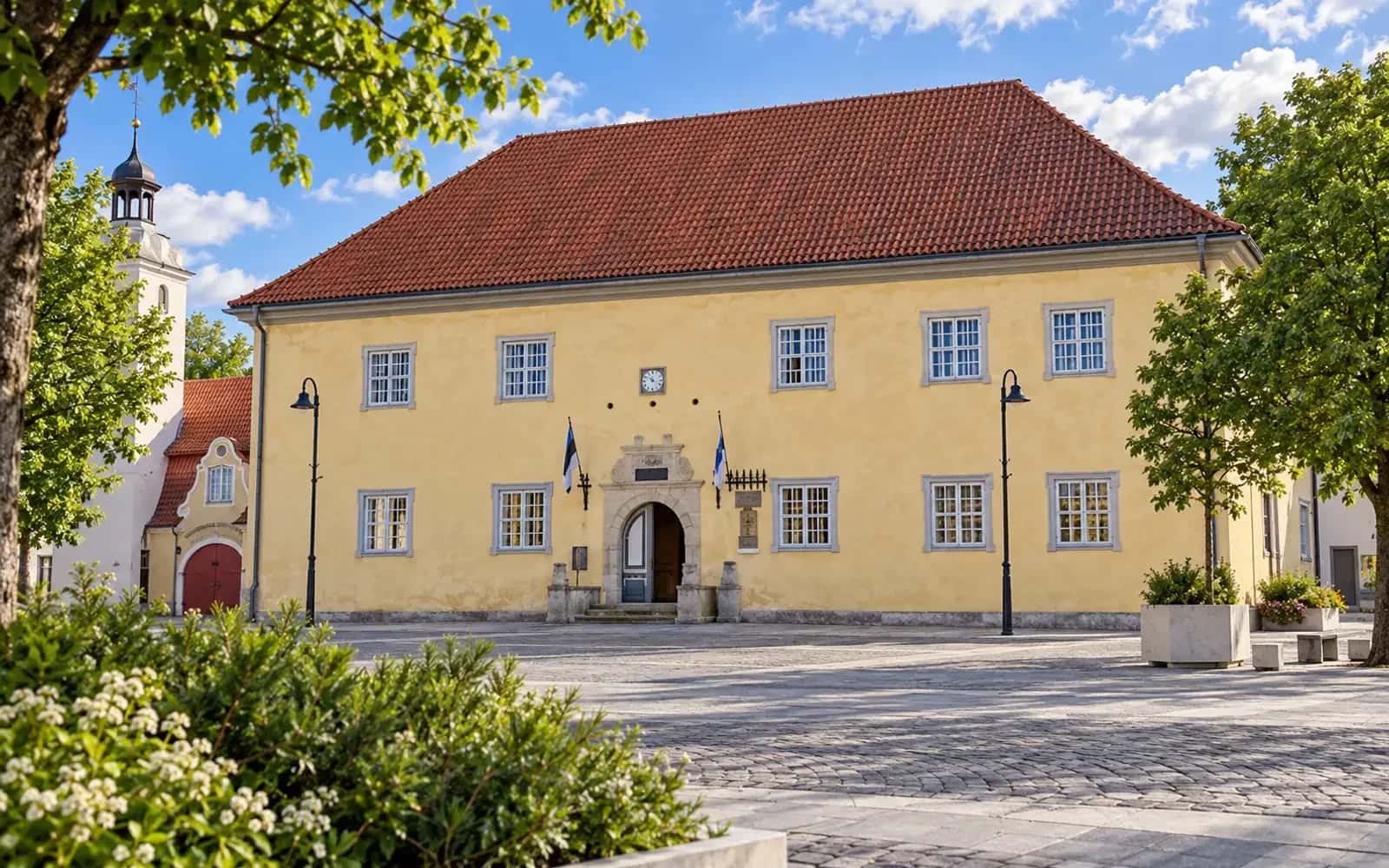
Kuressaare Town Hall
The town hall on Tallinna Street in the centre of Kuressaare is a 17th-century Northern Baroque monument. The building was constructed between 1654 and 1670 on the initiative of Count Magnus Gabriel De la Gardie. Its austere facade features a carved stone portal with the completion date, and two lion sculptures stand at the entrance. Inside, the historical administrative function coexists with cultural uses: it houses the city exhibition hall, the tourist information centre and the rooms of the rural municipality assembly. You can start your visit with the exterior, and check with the tourist info centre about viewing the upper hall and its ceiling paintings; its opening hours do not imply access to all rooms.
Tallinna tn 2, Kuressaare linn, Saaremaa vald, Saare maakond
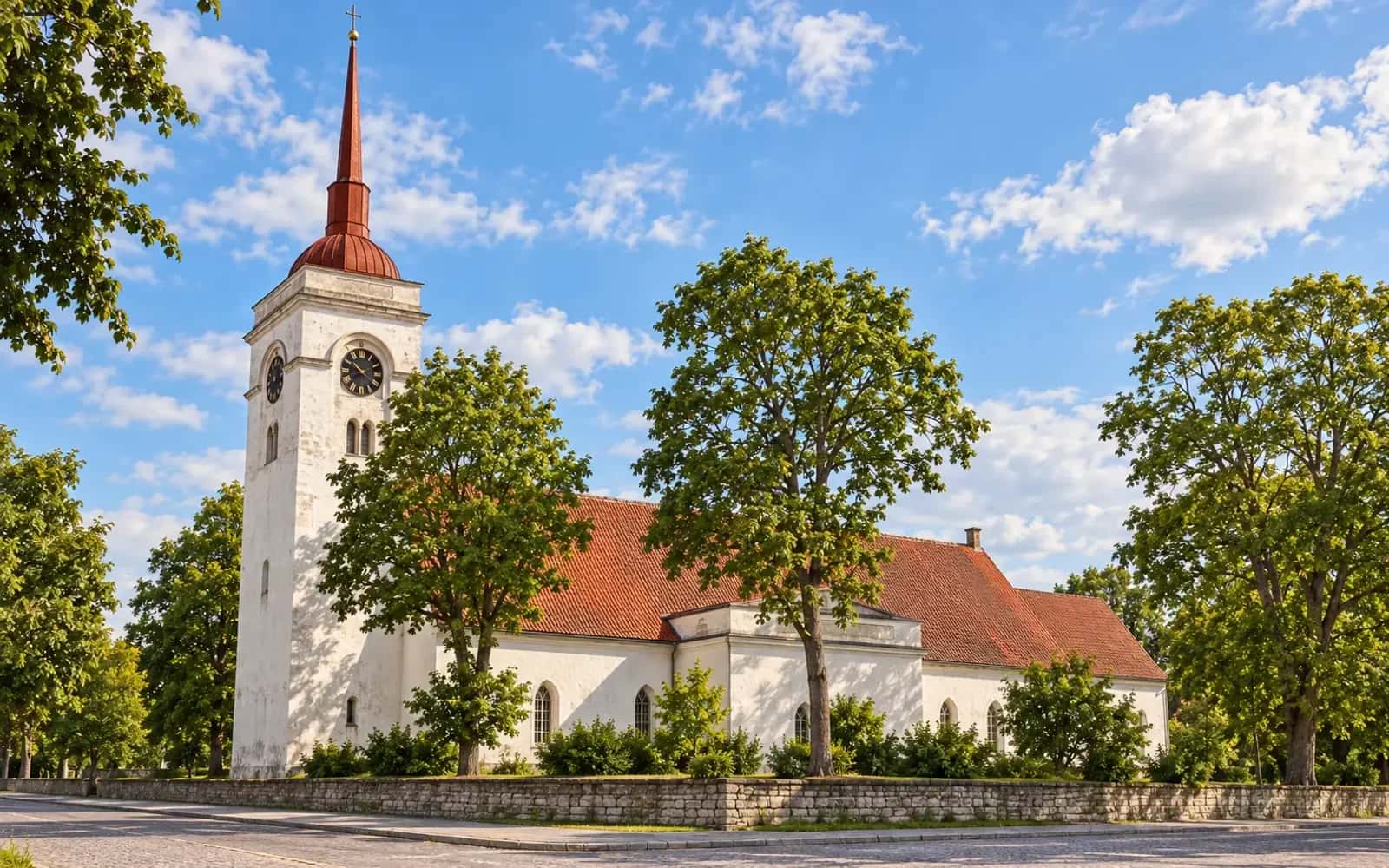
Kuressaare St. Lawrence Church
The Lutheran St. Lawrence Church on Tallinna Street in Kuressaare is an architectural monument of church architecture. The church has stood here since the 17th century and received its current appearance after restoration completed in 1836. Inside, you can see an old chandelier, a medieval baptismal font from Anseküla Church, and altar painting by Karl Sigismund Walther. The restrained interior space is complemented by modern stained glass windows by Urmo Raus and historic tombstones set in the floor. This is an active parish: services begin on Sundays at 11:00. To view the interior outside the published summer season, visit times must be coordinated with the parish.
Tallinna tn 13, Kuressaare linn, Saaremaa vald, Saare maakond
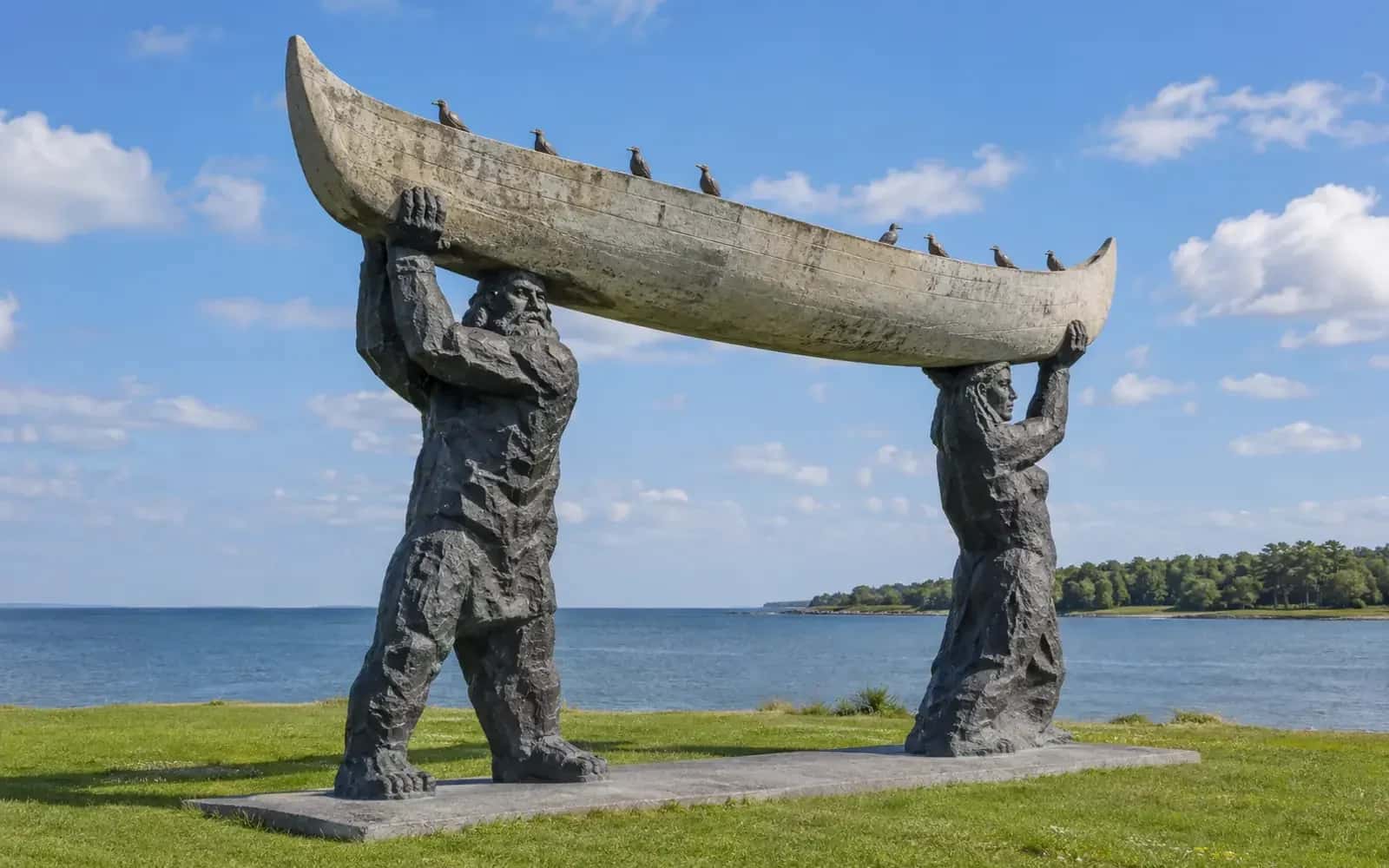
Suur Tõll and Piret sculpture in Kuressaare
The sculpture of Suur Tõll and Piret on Pargi Street in Kuressaare is a monument to the heroes of Saaremaa legends, located in front of the Meri Hotel. Created by Tauno Kangro in 2002, the composition depicts the giant and his wife carrying a boat with a rich catch. The theme connects island folklore with the sea and local fishing traditions. In the legends, Tõll is so huge that he can walk across the sea; tales about him offer a fresh perspective on familiar island landscapes. The sculpture is installed outdoors and is accessible year-round, 24 hours a day. It can be viewed from all sides while strolling through the coastal part of the city.
Pargi tn 15, Kuressaare linn, Saaremaa vald, Saare maakond
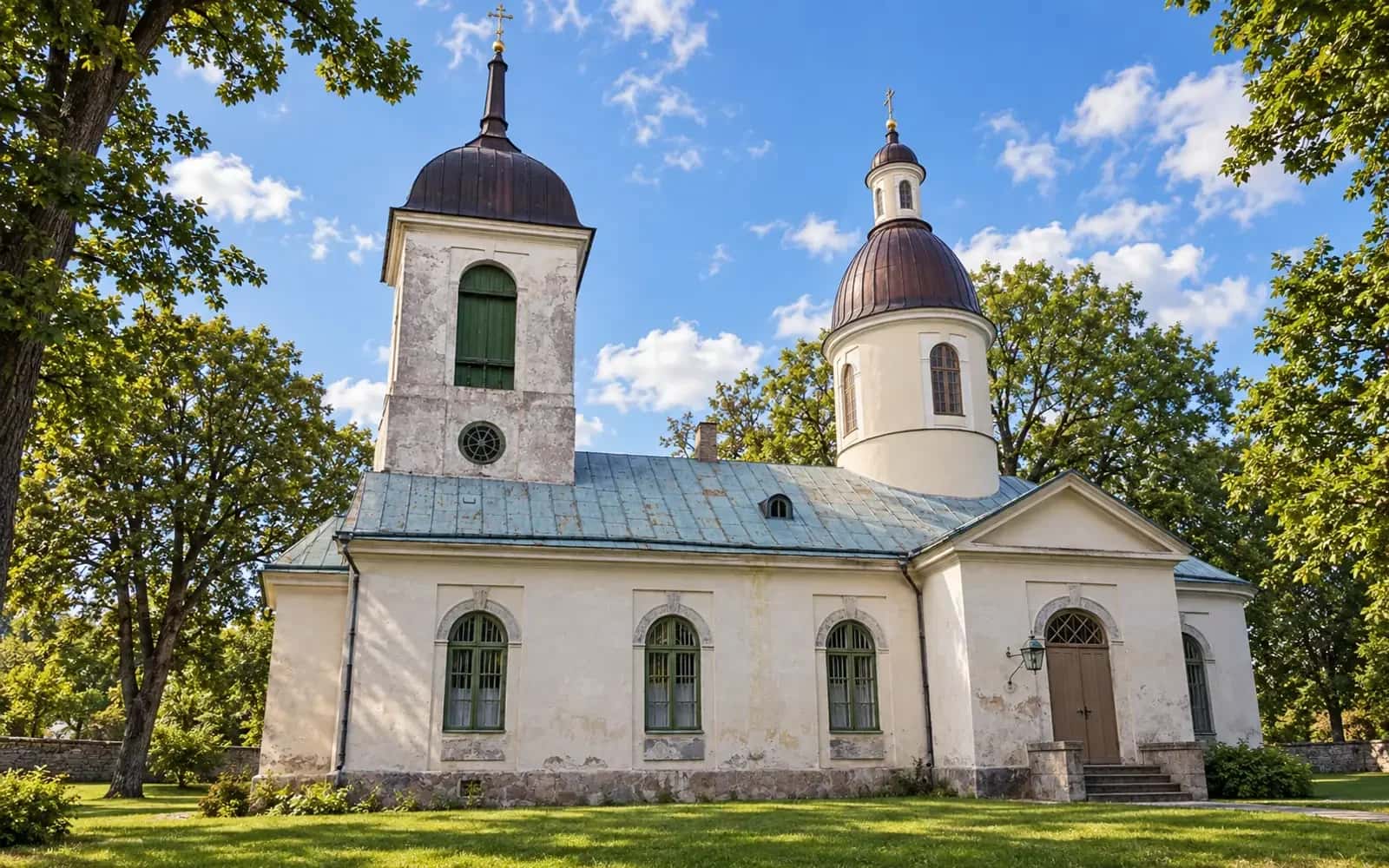
Kuressaare Püha Nikolai kirik
The Orthodox Church of St. Nicholas on Lossi Street in Kuressaare is an architectural monument of the late 18th century. The stone church was built in 1786–1789 by order of Catherine the Second and consecrated in 1790. The three-nave building offers a glimpse into another side of the city's religious history, where an Orthodox community formed after the Great Northern War. When viewing from the street, pay attention to the fence and the tripartite gate with Doric semicolumns: they are part of the protected architectural ensemble. The church remains active. The published visiting hours apply to the summer; the possibility of going inside in autumn and winter should be checked with the parish.
Lossi tn 8, Kuressaare linn, Saaremaa vald, Saare maakond
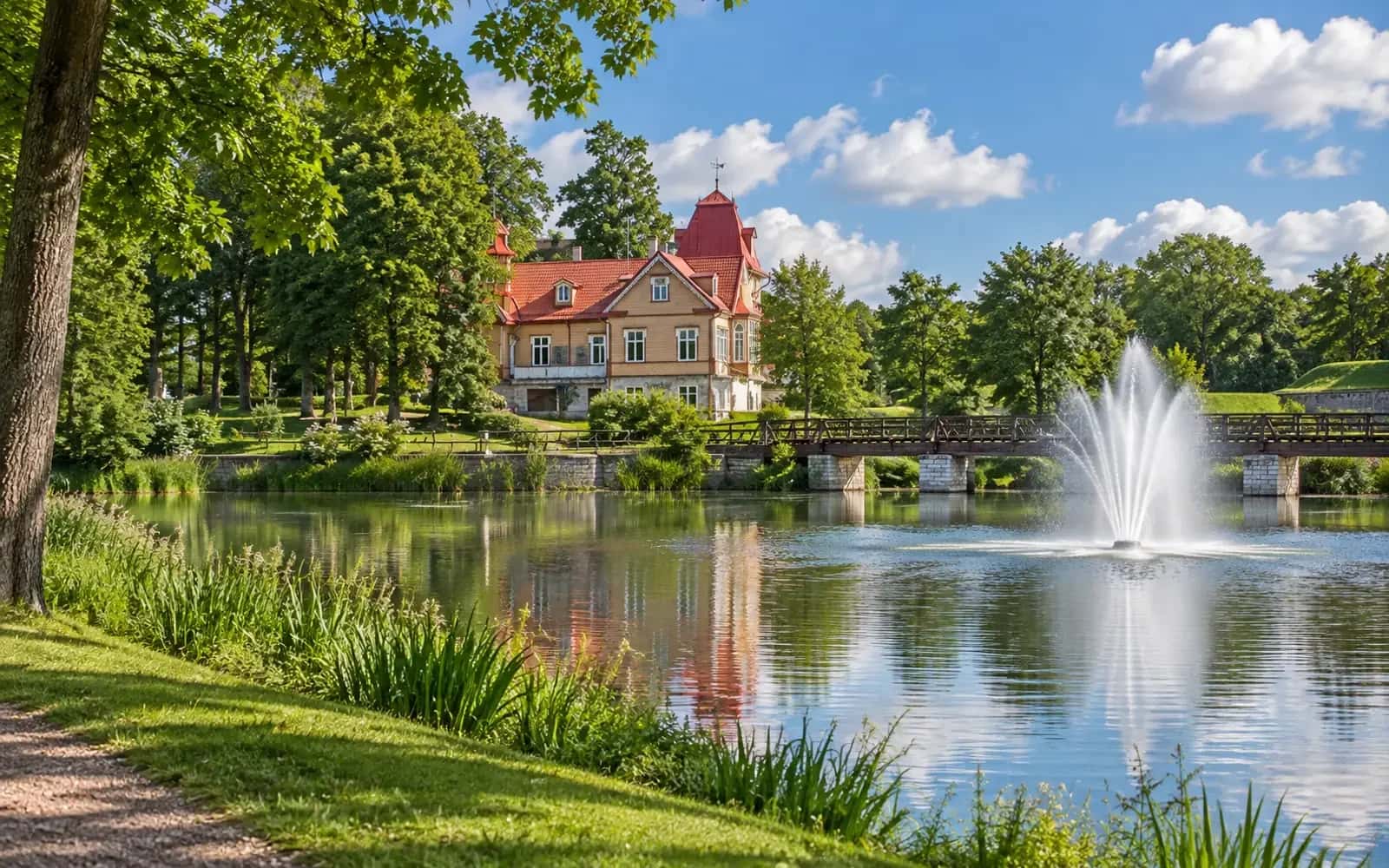
Kuressaare Town Park
The town park by Kalda Street in Kuressaare is a historic green space for walks near the bishop's castle. Its development was linked to the town becoming a resort: a park committee was established in 1861, and residents helped with money, young trees and transport. Today the landscaping itself is a point of interest, with around 80 species of trees and shrubs in the park. Some rare plants were planted in 1930 after being obtained from the University of Tartu. A walk also introduces the town's resort past: the nearby Kuursaal was a centre of summer social life. The park is open around the clock throughout the year.
Kalda pst 1, Kuressaare linn, Saaremaa vald, Saare maakond
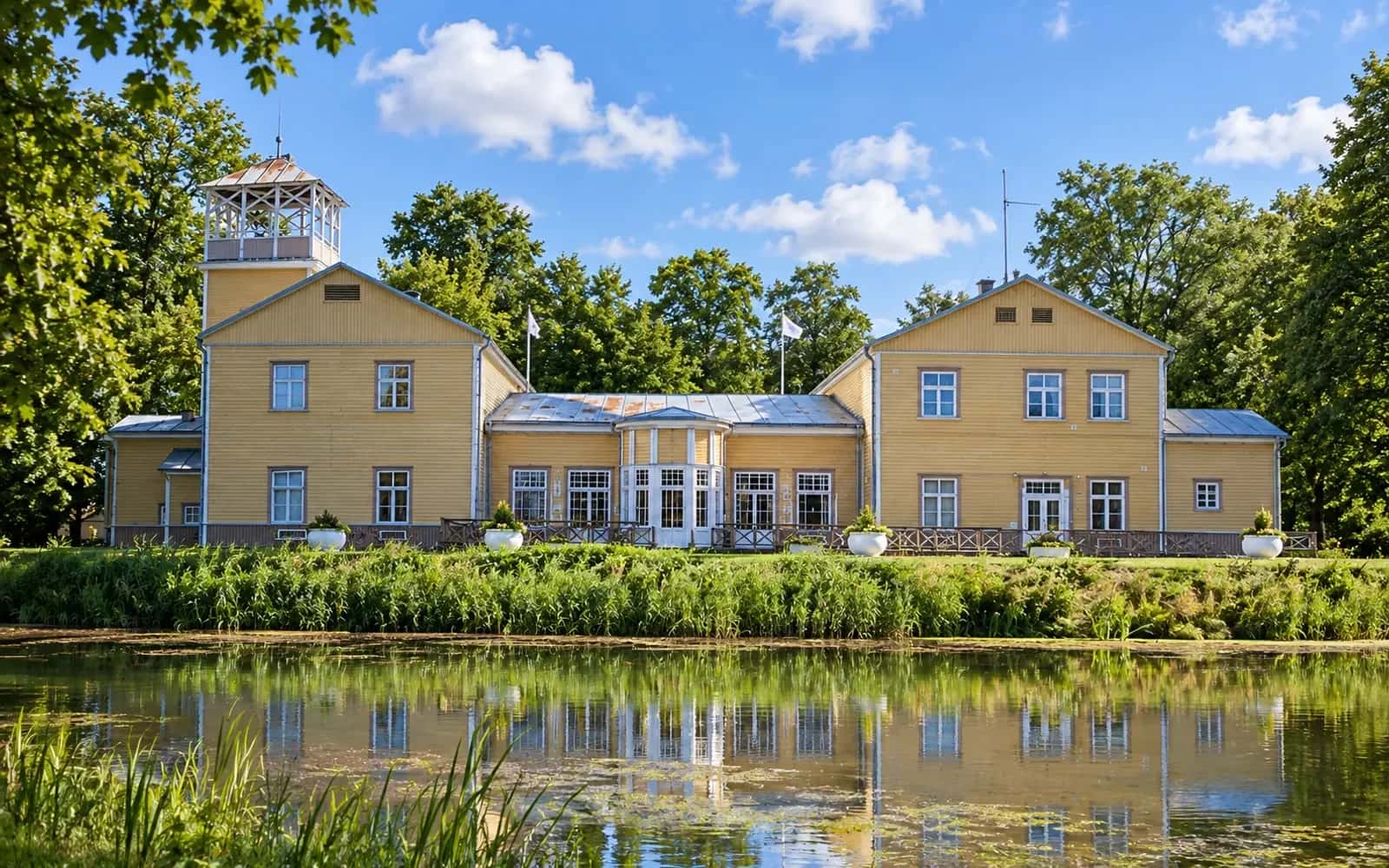
Kuressaare Kursaal
The Kuressaare Kursaal is a historic resort building in Kuressaare's castle park, a reminder of how the town became a well-known summer destination. Opened in 1889, the wooden building originally housed a restaurant, a summer theatre hall and service rooms. Its spacious verandas and period architecture form a distinctive ensemble with the castle surroundings. Today the Kursaal is linked to seasonal dining and accommodation, but its exterior can also be admired while walking in the park. Plan a visit to the interior according to the season and the operator's opening hours.
Lossipark 1, Kuressaare
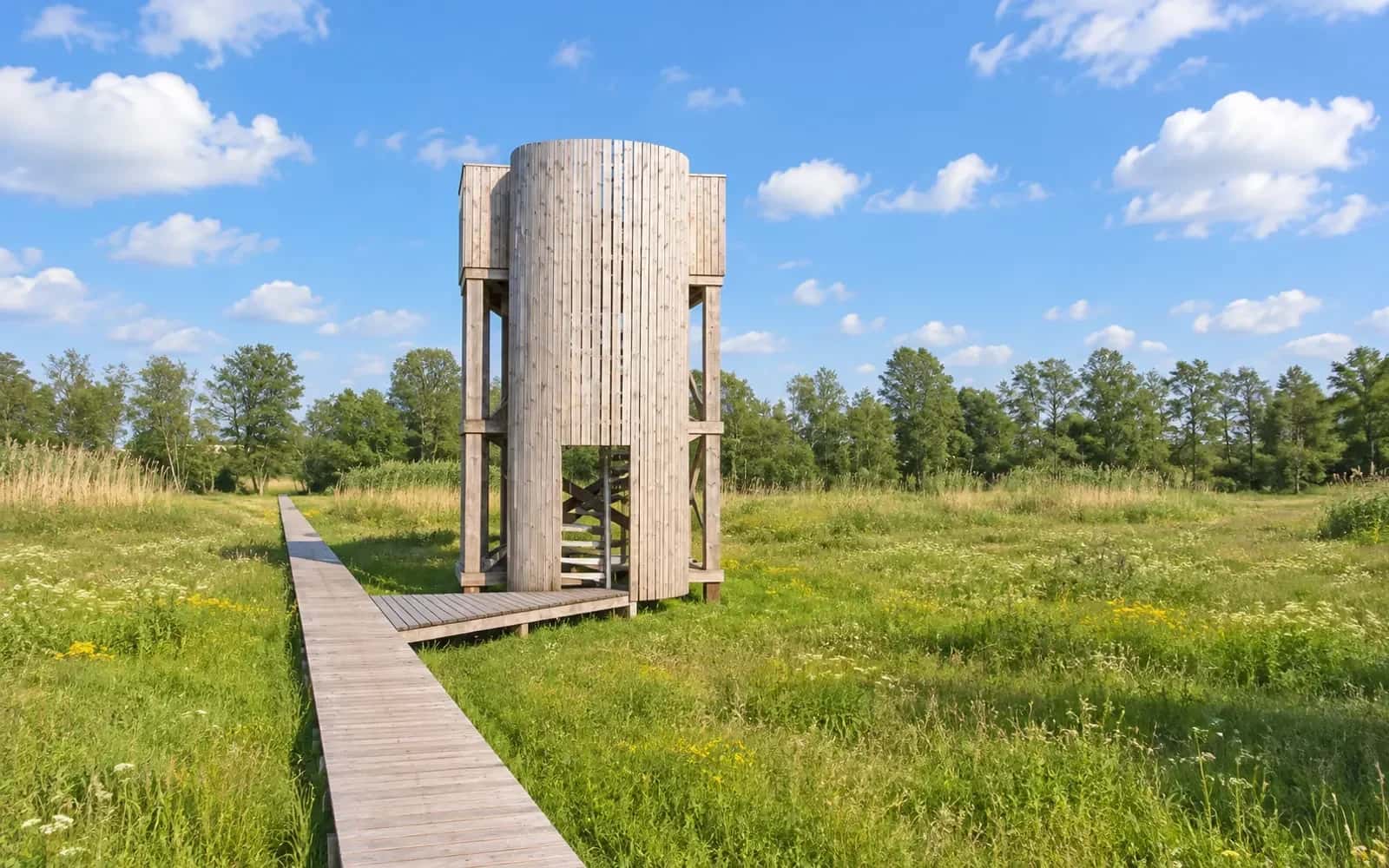
Põduste Floodplain Nature and Birdwatching Tower
The Põduste floodplain nature and birdwatching tower stands on the edge of Kuressaare near the Põduste River and overlooks a wet meadow landscape. From the tower you can watch birds resting and feeding on the floodplain and see the river winding through the open landscape. The surroundings of the Kuressaare golf course are also in view. The tower can be reached from the riverbank or along paths from the Sääre road side. It is a good place for quiet nature watching, especially if you want to experience Saaremaa's greener side close to the town centre. When observing nature, keep quiet and be prepared for changeable weather.
Papli tn 5, Kuressaare
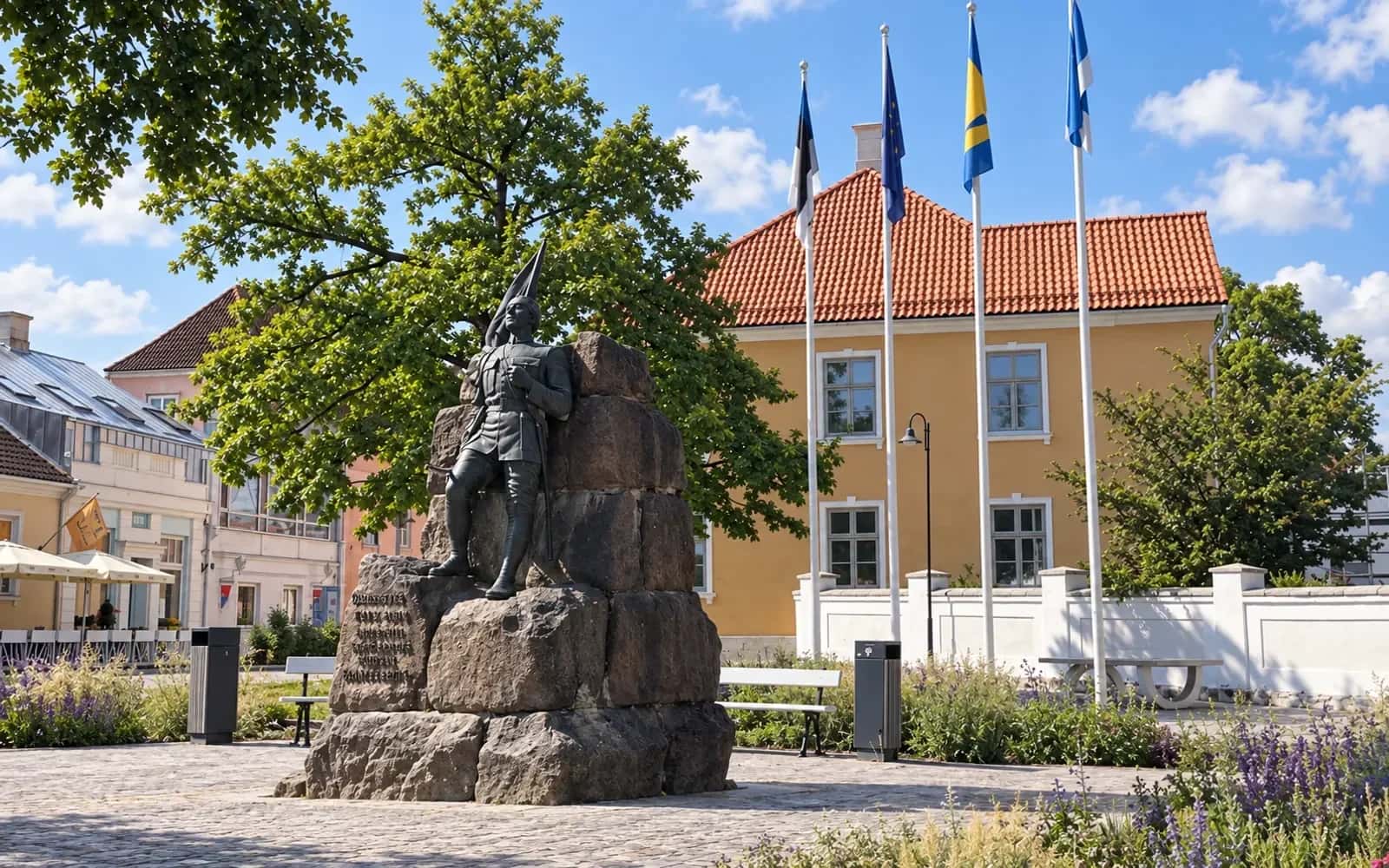
Saaremaa War of Independence Memorial
The Saaremaa War of Independence memorial stands on Lossi Street in Kuressaare and commemorates islanders who died in the Estonian War of Independence. The original design of the memorial was by the sculptor Amandus Adamson, and the monument was unveiled in 1928. The original sculpture, destroyed during the war, has never been found, but the memorial was restored as the work of a local sculptor. It is an important reminder in Kuressaare's historic townscape of those who fought for Estonia's independence. The monument can be viewed from outside, combining the stop with a walk along Lossi Street and the old town's historic buildings.
Lossi tänav L1, Kuressaare
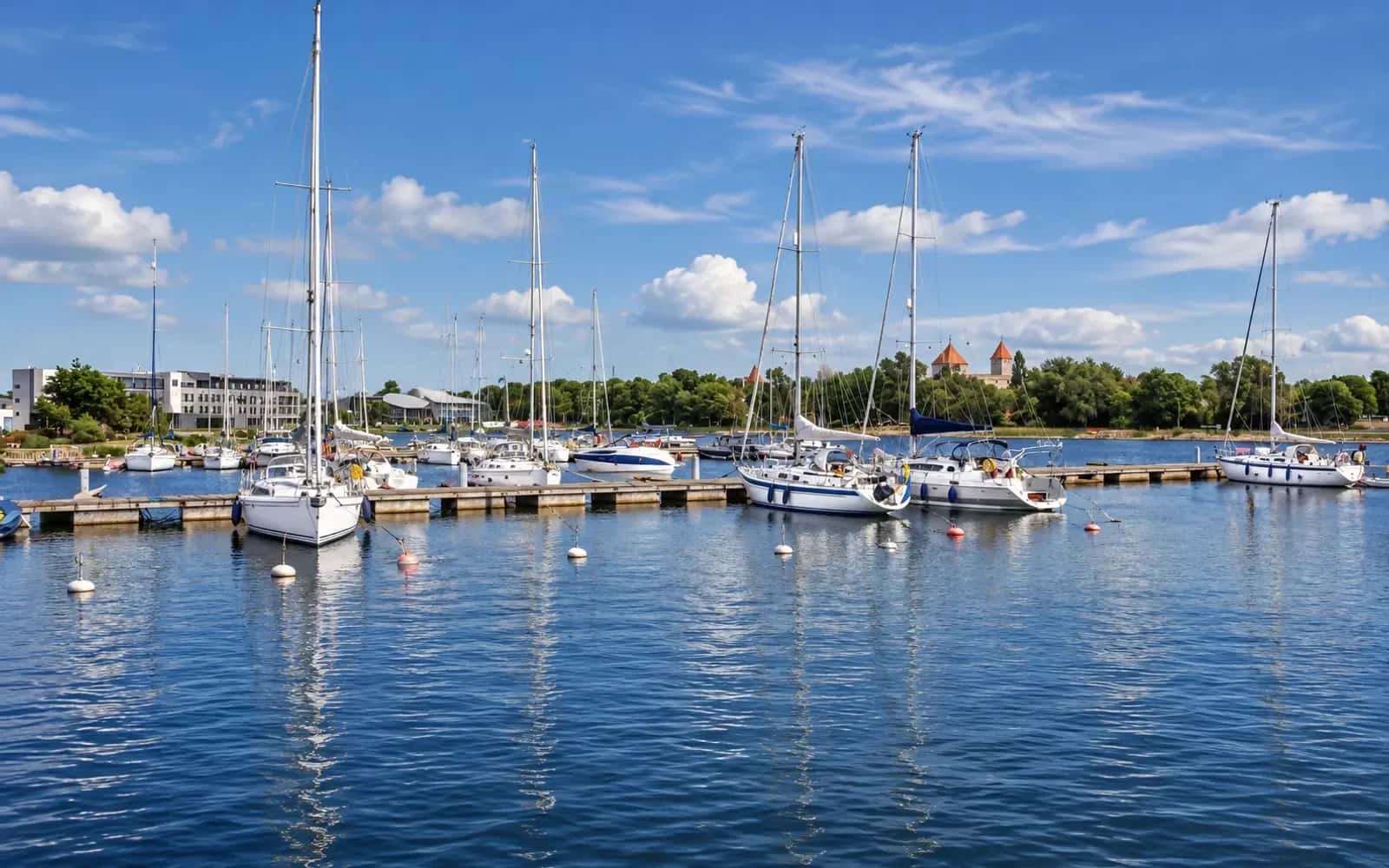
Kuressaare Yacht Harbour
Kuressaare Yacht Harbour lies on the Kuressaare coast by Tori Bay and is an important stopping place for guests arriving in Saaremaa by sea. In the harbour you can see sailing yachts, small vessels and everyday life connected with seafaring. For those arriving by land, too, the area offers a chance to enjoy wide sea views and watch the harbour's calm comings and goings. The yacht harbour is close to the castle park and Kuressaare's historic centre, so a seaside walk fits well into getting to know the town. Use of harbour services and access to certain areas depend on the harbour's rules.
Tori 4, Kuressaare
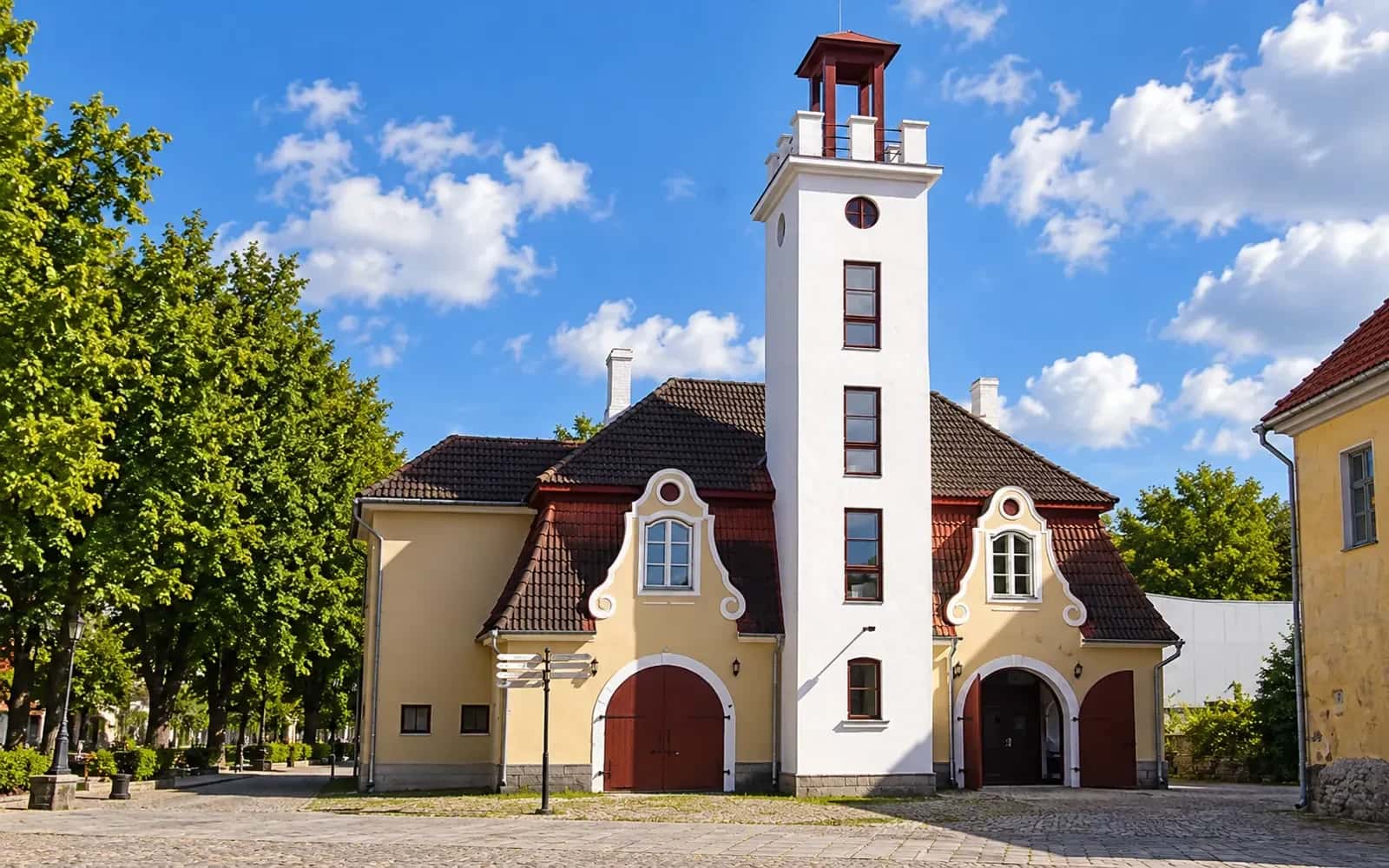
Kuressaare Fire Station
The Kuressaare Fire Station (Pritsumaja) is a historic fire brigade building on Tallinna Street in central Kuressaare. The building belongs to the town's older building stock and recalls a time when fire safety depended on the organised efforts of the local community. Its distinctive exterior makes a good stop when exploring the architecture of Kuressaare's old town. The fire station is close to the town hall and other historic buildings in the centre, so it is easy to see during a walk. It is primarily an architectural sight rather than a typical ticketed museum visit.
Tallinna tn 4, Kuressaare
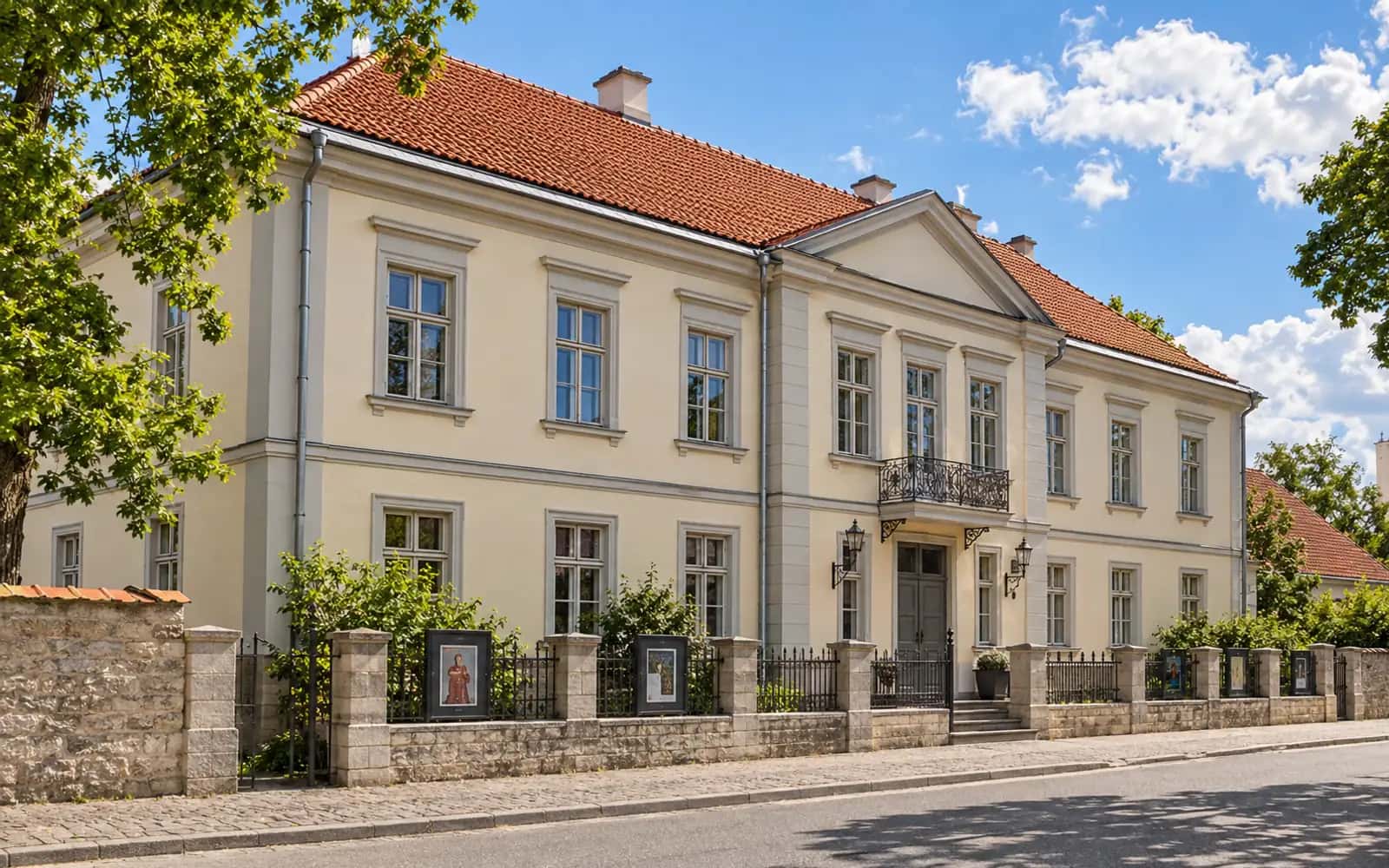
Kuressaare Theatre
Kuressaare Theatre is a professional theatre on Tallinna Street in central Kuressaare, whose repertoire gives an important place to Estonian drama and stories from Saaremaa. Theatre activity in the present building dates back to the early 20th century, and the renovated theatre house opened to the public in 1999. The theatre stages its own productions as well as guest performances, offering a chance to experience the island's cultural life in a historic town setting. The exterior can be viewed from the street; to attend a performance, choose a suitable date from the programme and buy a ticket. Box office opening hours do not mean the whole building is open for visits.
Tallinna tn 20, Kuressaare
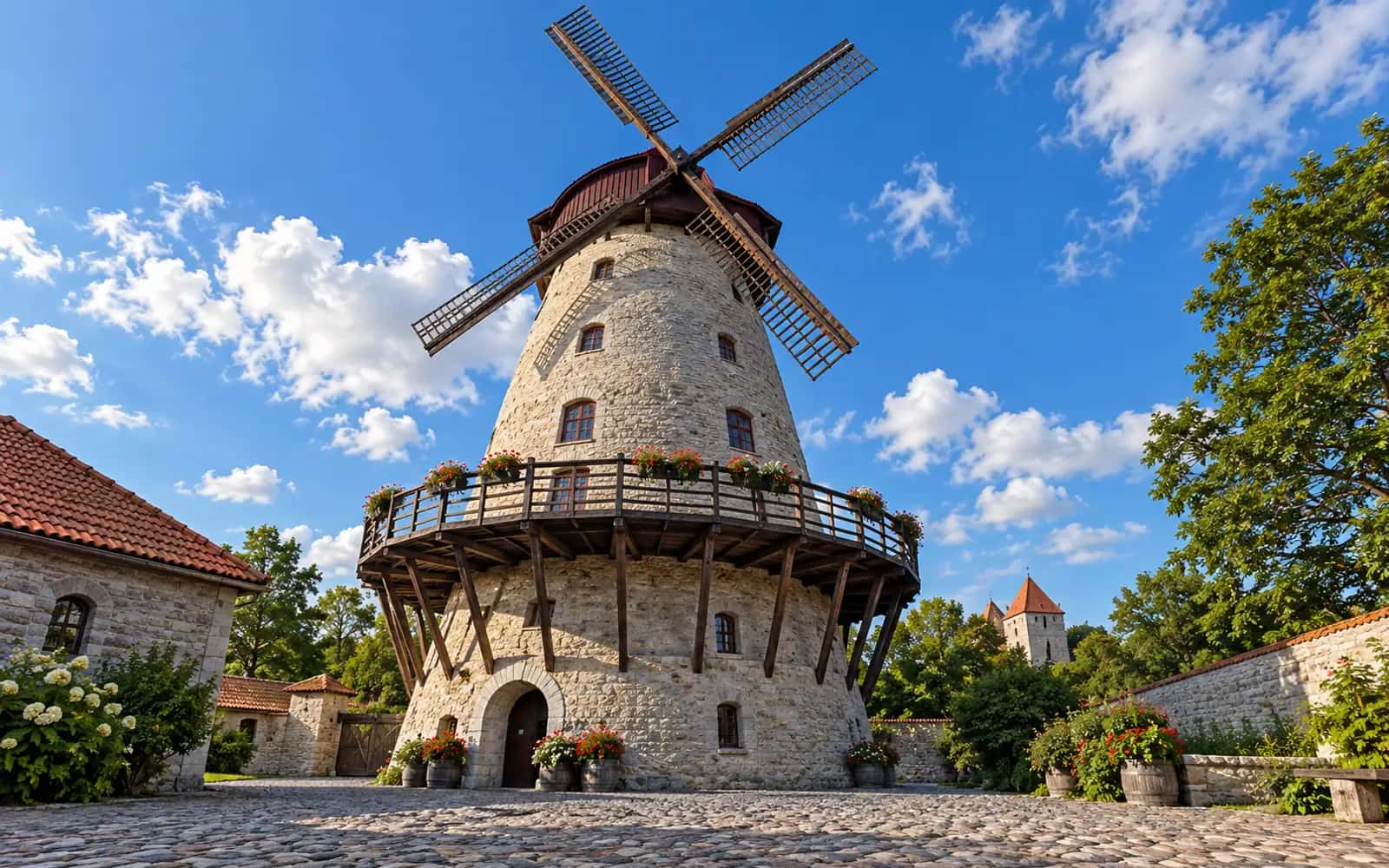
Saaremaa Windmill
Saaremaa Windmill is a historic Dutch-type stone windmill on Pärna Street in Kuressaare, completed in 1899. Unlike the island's traditional post mills, it has a massive stone body and a structure with a rotating roof section. The windmill was restored in the 1970s and now houses a restaurant where historic industrial heritage meets local food culture. In the five-storey building you can spot the features of the old mill and learn about its history. From outside the windmill is an easily recognisable landmark of Kuressaare; visiting the interior depends on the restaurant's opening hours or prior arrangement.
Pärna 19, Kuressaare
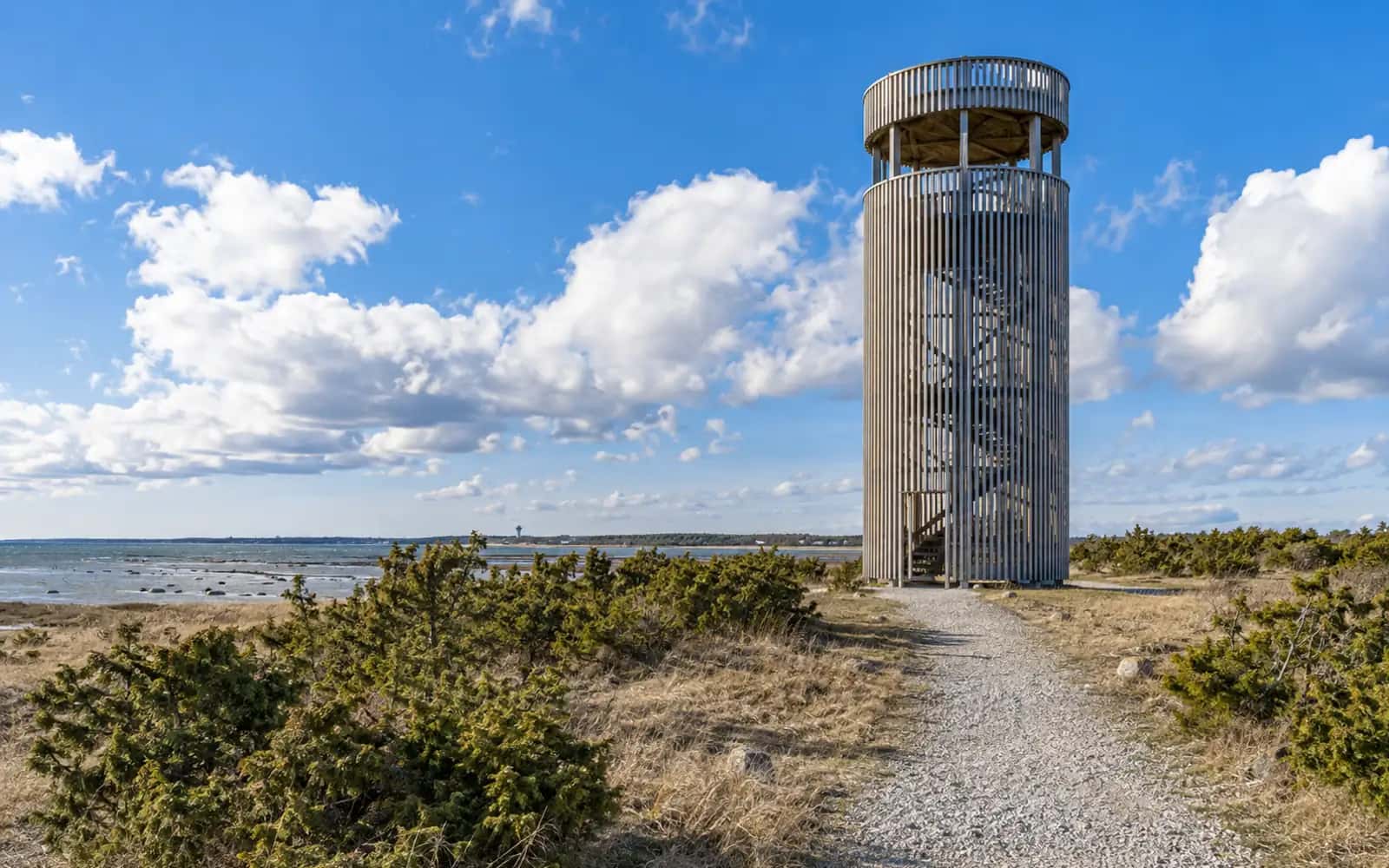
Roomassaare Nature and Birdwatching Tower
Roomassaare Nature and Birdwatching Tower is in Kuressaare near Tuule Street, close to the airfield. Completed in 2009, the tower stands beside the cycle and footpath between Kuressaare town park and Roomassaare Harbour and can be reached on foot or by bike. It offers views over Kuressaare Bay, the shipping lane, the harbours and the coastal landscape. In clear weather you can also see the islands of Abruka and Vahase and towards Loode oak forest. It is a standalone viewing tower, not the Põduste meadow birdwatching tower or Roomassaare Harbour. For birdwatching, bring binoculars and be prepared for the sea wind.
Tuule tn 4, Kuressaare
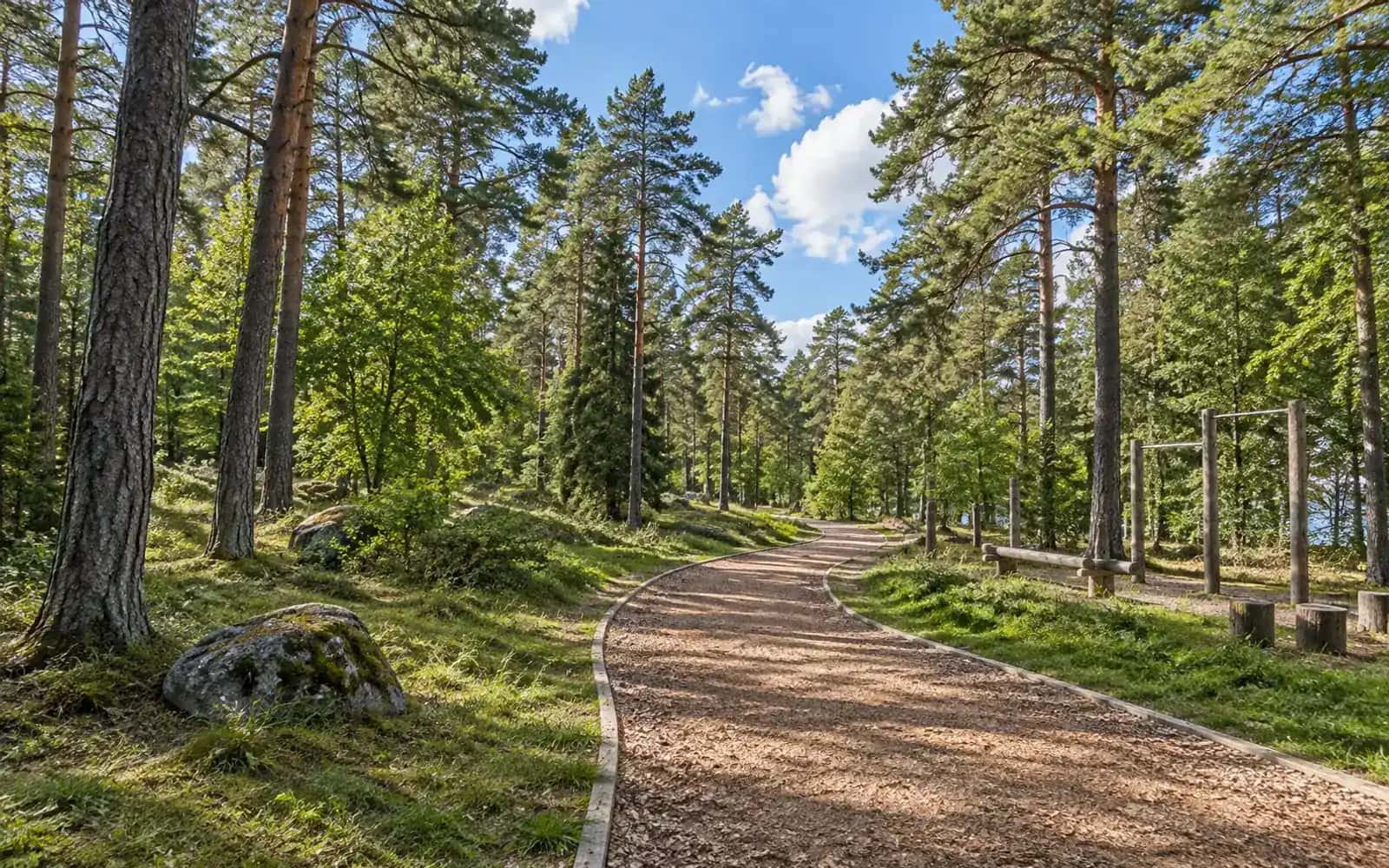
Kuressaare Health Park
Kuressaare Health Park is a wooded exercise and recreation area on Kaevu Street in the town of Kuressaare. Lit running and ski trails of 0.6, one and two kilometres wind through the park, and their soft surface is ideal for unhurried exercise. Facilities also include outdoor workout equipment and a children's playground. In winter the trails are used for skiing, and in the warmer months for walking and running. It is a green spot next to the town centre where you can experience Saaremaa's nature without a long trip. Weather and maintenance work may affect the use of the trails.
Kaevu tn 18, Kuressaare
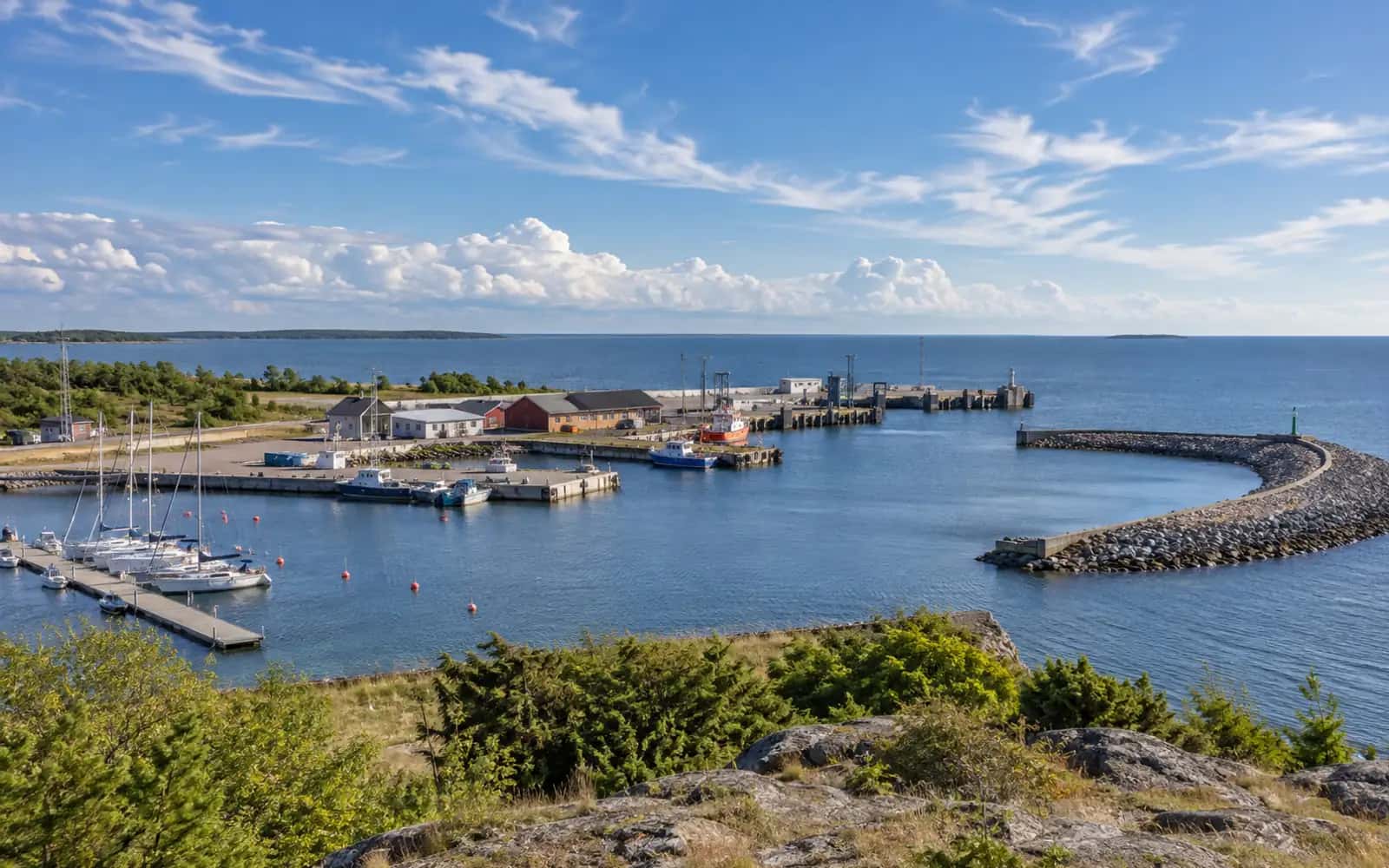
Roomassaare Harbour
Roomassaare Harbour lies on Kuressaare's southern coast at the end of Roomassaare Road and links Saaremaa by sea with the smaller islands. Scheduled ferries depart from here to Abruka and Ruhnu, and the harbour also serves cargo ships and small craft. In the harbour area you can watch maritime traffic and see the port facilities and the wide horizon of the coast. It is a separate harbour from Kuressaare's yacht harbour, which lies near the town centre and the castle. Visitors must follow the harbour's traffic and safety rules, as part of the area is intended for servicing vessels, not for strolling freely.
Roomassaare tee 12, Kuressaare
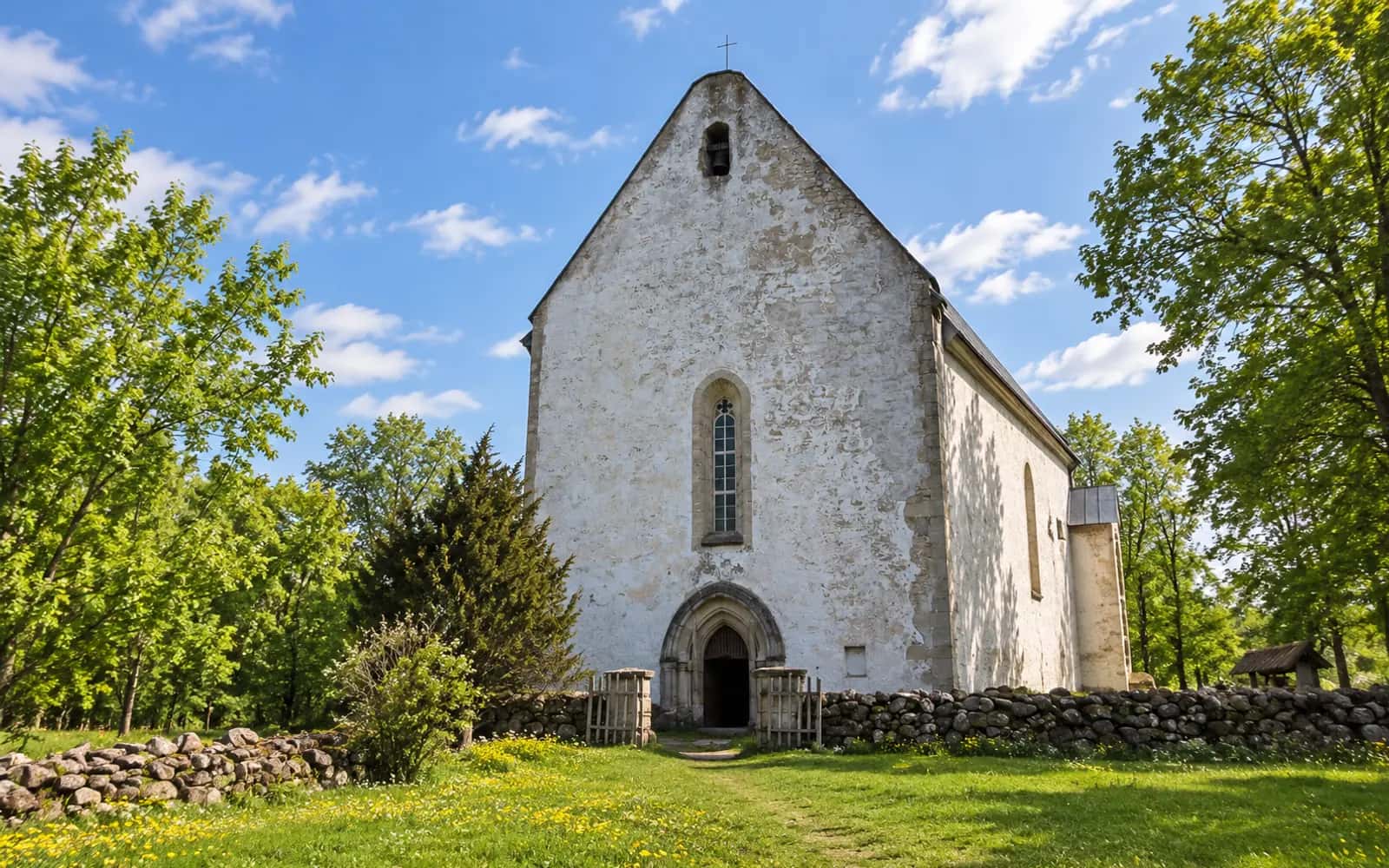
Karja St. Catherine's Church
Karja St. Catherine's Church in Linnaka village, Saare County, is a medieval church in the north of Saaremaa. The small building contains a wealth of carved stone details and sculptures that reward a slow look and reveal traces of different eras. The church dates from the 13th century and is one of the island's most distinctive architectural monuments. Public opening is seasonal: according to tourist information the church is open in summer, while at other times the possibility of visiting the interior should be checked with the congregation. The exterior can be viewed at other times as well.
Karja kirik, Linnaka küla, Saaremaa vald, Saare maakond
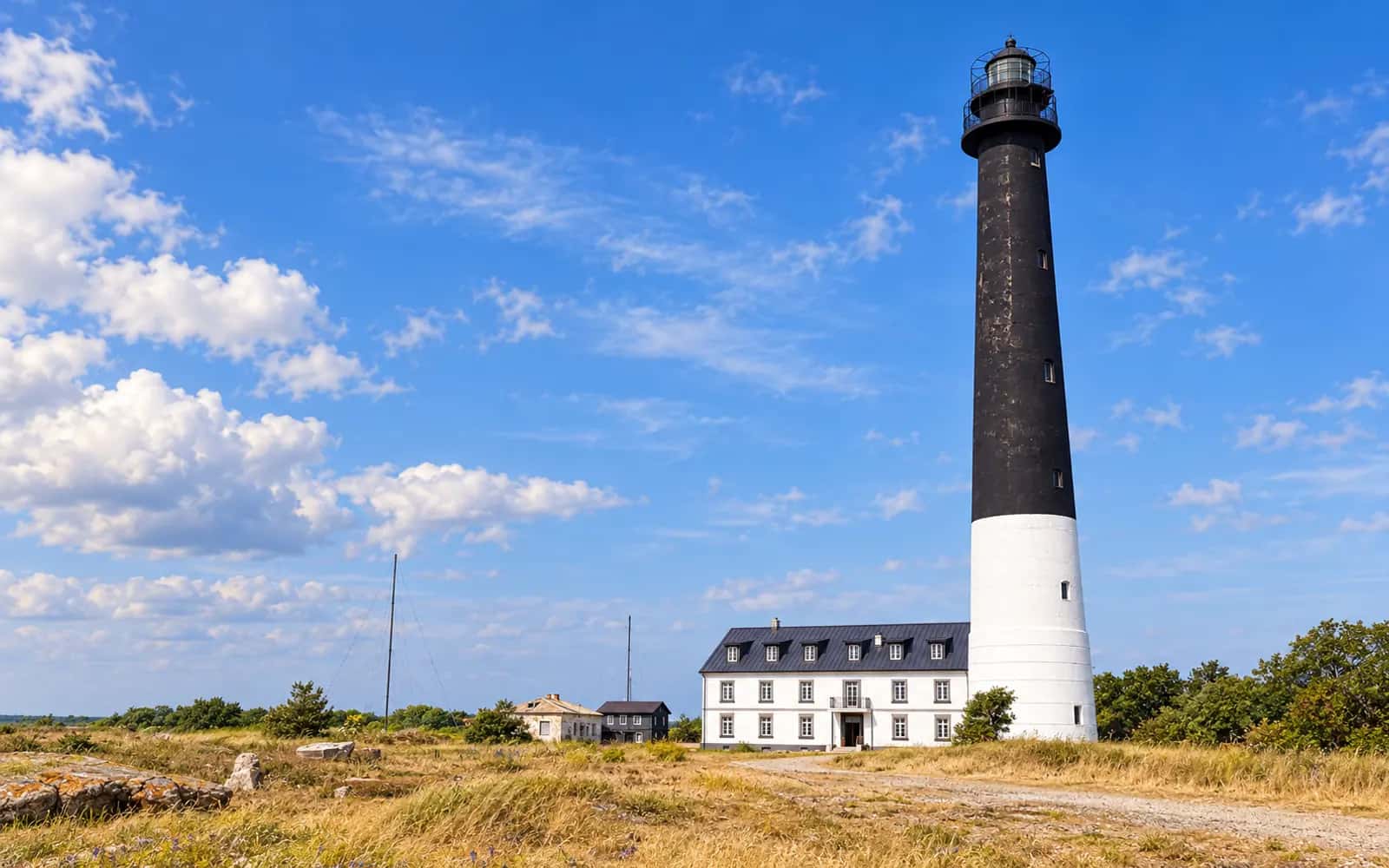
Sõrve Lighthouse and Visitor Centre
Sõrve Lighthouse and Visitor Centre are in Sääre village at the southern tip of Saare County. A long staircase leads to the viewing platform of the 52-metre lighthouse, and in clear weather you can look across the sea towards the Latvian coast. The visitor centre's exhibitions present Estonia's lighthouses and Sõrve's maritime history, including ships wrecked off the coast. A single ticket covers both the tower and the centre. Now that regular summer visiting has ended, from 4 October entry is possible only with an advance booking; do not count on walk-in access.
Tuletorni linnak, Sääre küla, Saaremaa vald, Saare maakond
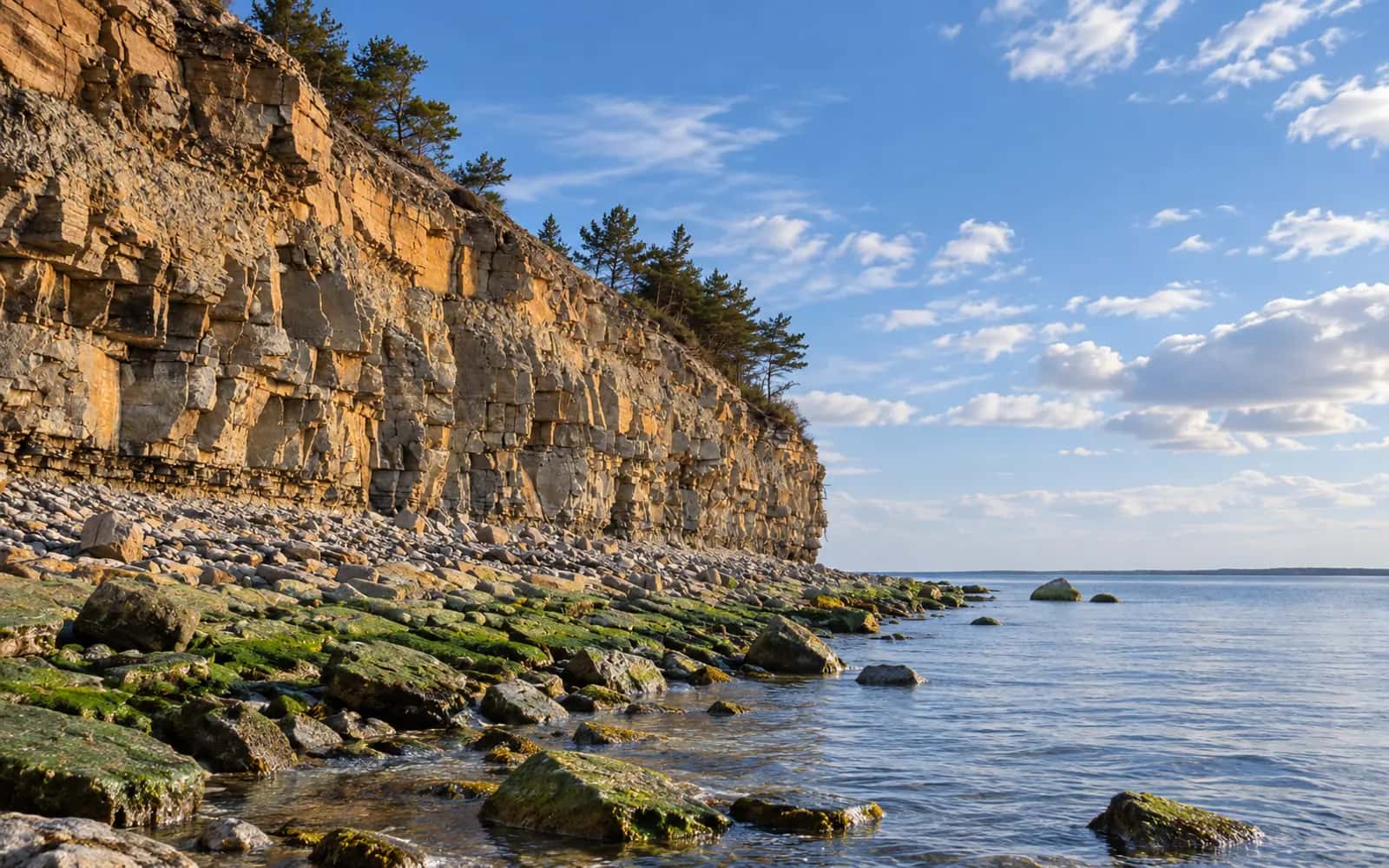
Panga Cliff
Panga Cliff is in Panga village on the north coast of Saare County. The limestone bank running along the sea rises more than twenty metres at its highest point and opens up views over the Baltic Sea. In the Panga recreation area you can walk, watch coastal birds and stop for a picnic; there is also a dolomite sundial on site. The cliff edge is natural, so take care, especially in windy or wet weather. The reason to come here is the landscape itself: the long coastal escarpment, the expanse of sea and the shifting light of Saaremaa's north coast.
Panga loodusmaja, Panga küla, Saaremaa vald, Saare maakond
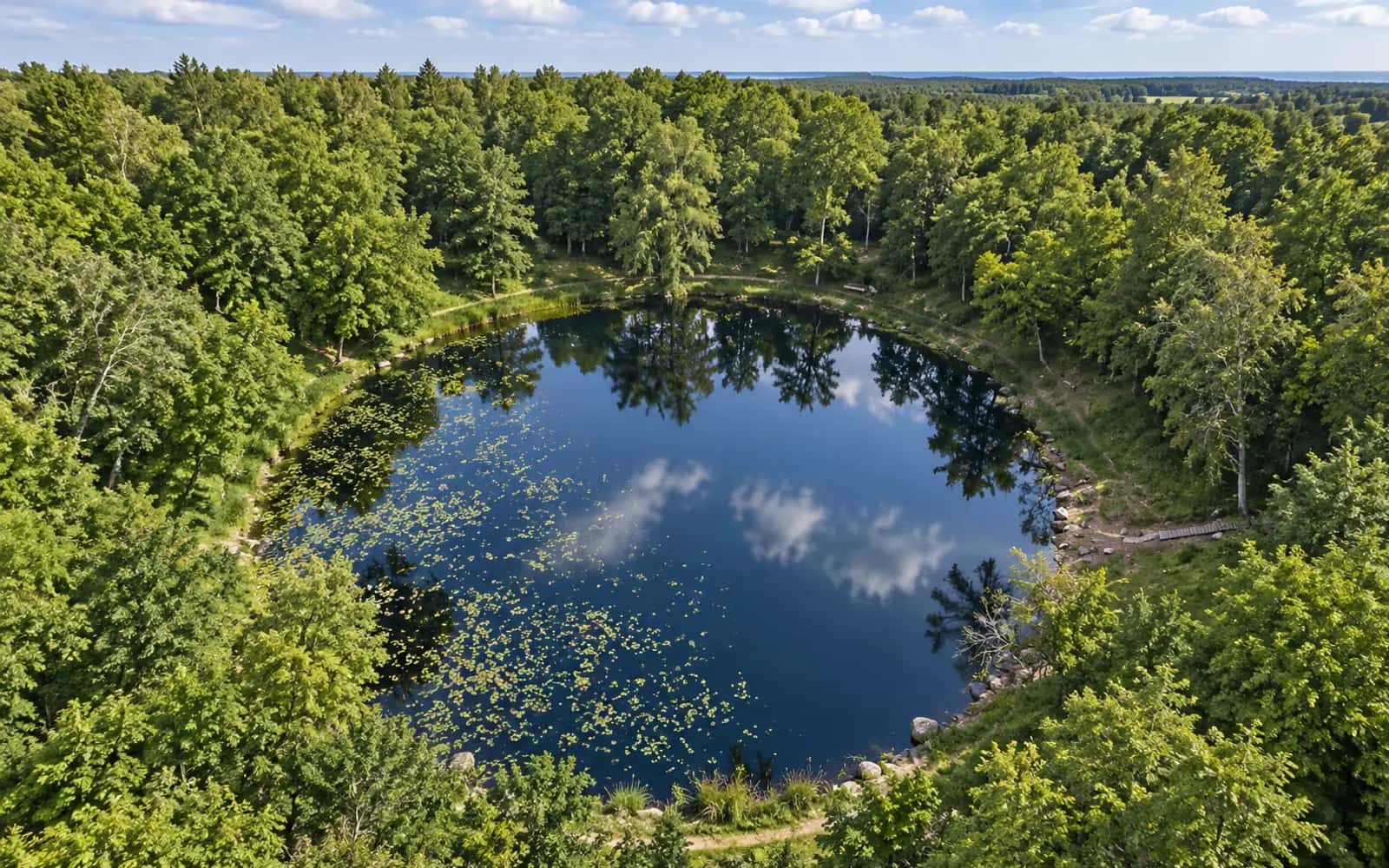
Kaali Meteorite Crater Field
The Kaali Meteorite Crater Field in Kaali village, Saare County, is one of the most remarkable natural stops on a trip from Kuressaare. The largest crater is about 110 metres wide, with Kaali Lake at its bottom. Besides the main crater, there are several smaller impact craters in the surrounding area. A trail lets you take in the landscape and consider how the meteorite impact changed the place. The outdoor crater area and the nearby meteoritics museum are separate sites; check the museum's opening hours and ticket separately.
Kaali maastikukaitseala 1, Kaali küla, Saaremaa vald, Saare maakond
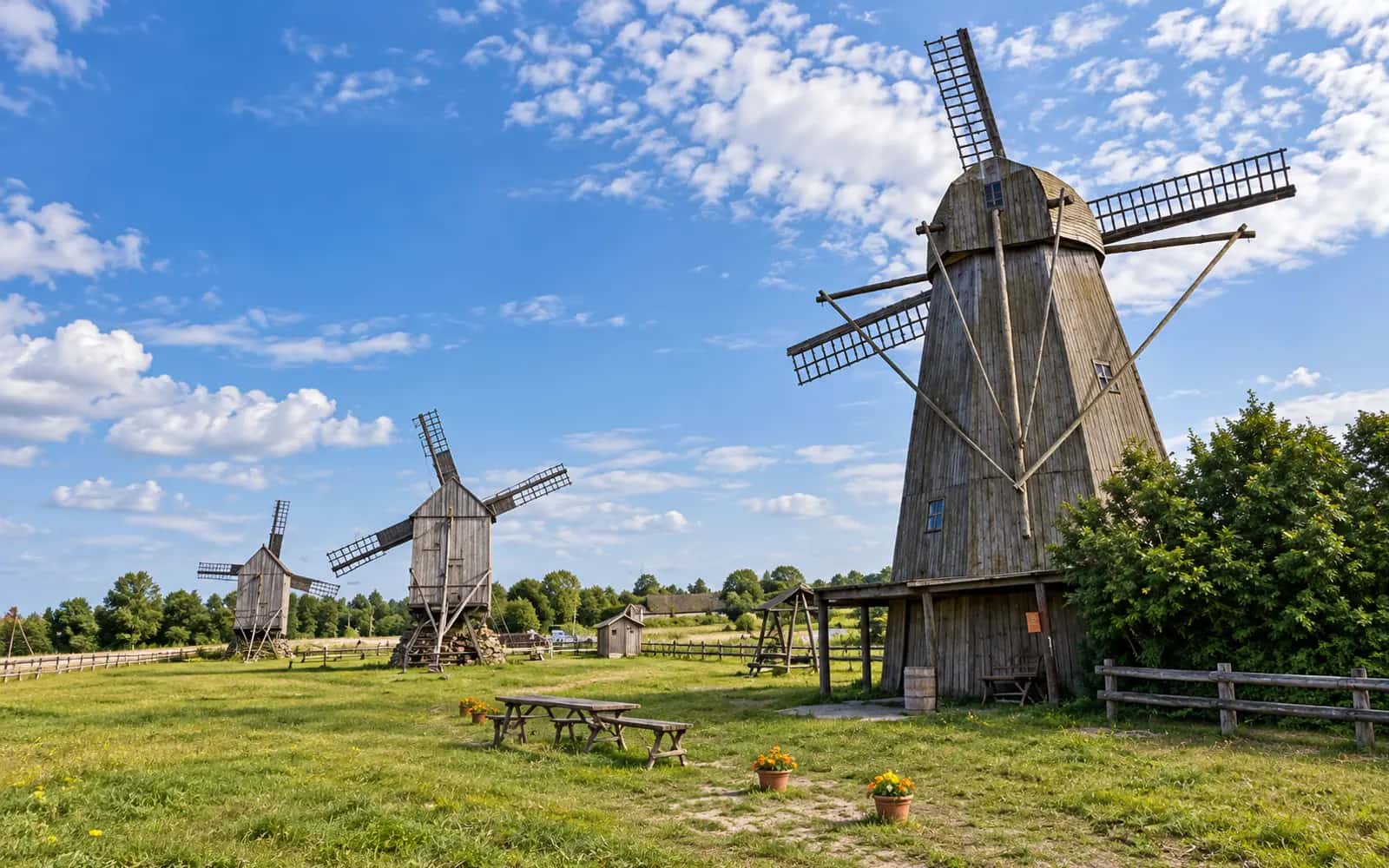
Angla Windmill Hill
Angla Windmill Hill in Angla village, Saare County, brings together five historic windmills. Four of them are post mills typical of Saaremaa, while the fifth is a Dutch-type mill. On site you can see farm machinery and explore the exhibition of the heritage culture centre; in season there are farm animals too. The centre has a café and craft workshops, but workshops must be booked in advance and their price is not included in the standard ticket. A one-day ticket gives access to both the windmill hill and the heritage culture centre.
Tuuliku, Angla küla, Saaremaa vald, Saare maakond
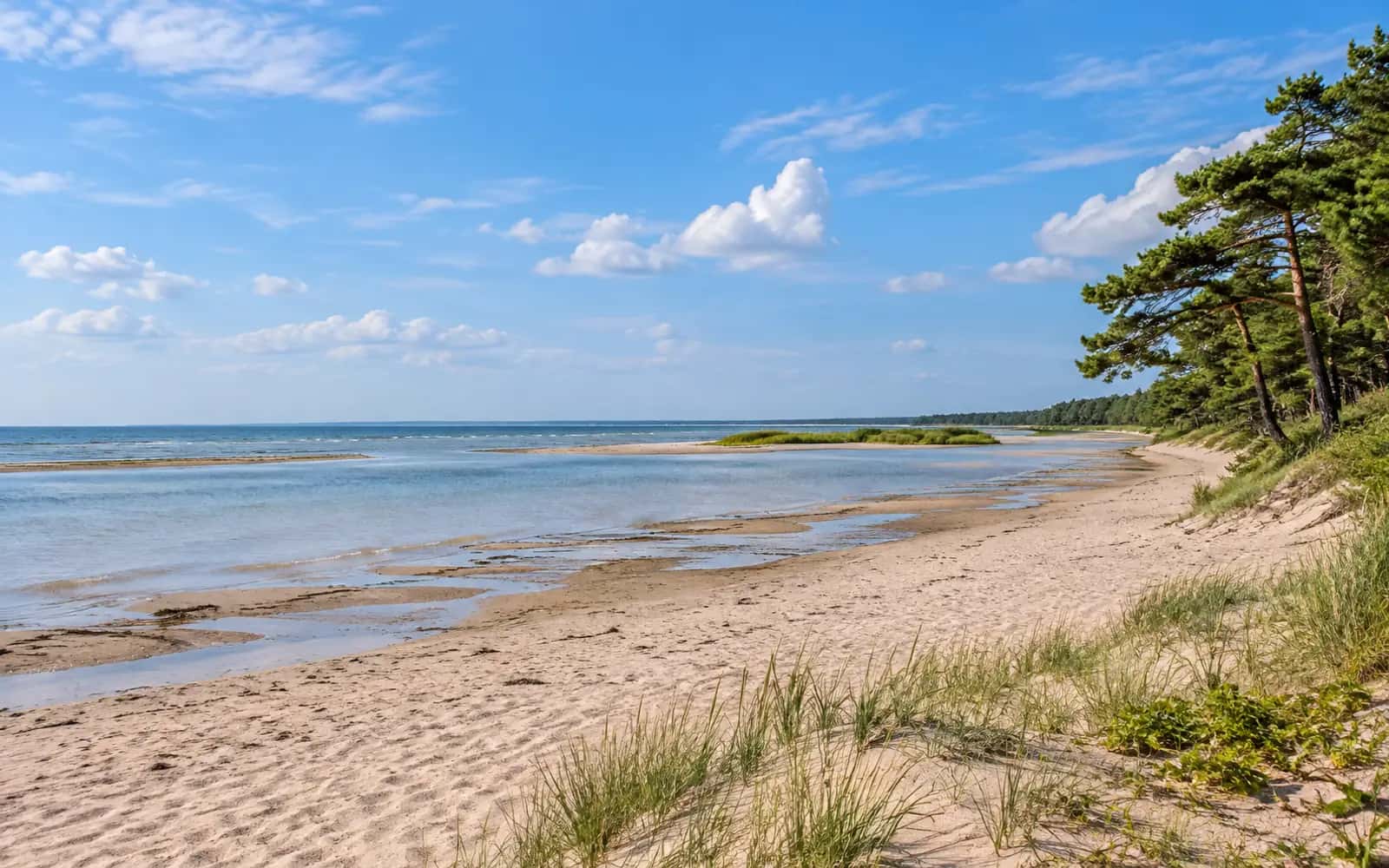
Mändjala Beach
Mändjala Beach is a sandy beach in Mändjala village, Saaremaa Parish, Saare County, a short drive from Kuressaare. The wide shoreline and the pine forest reaching down to the shore create a spacious place for both swimming and seaside walks. The spot has been known as an official Saaremaa bathing beach since 2014; in season beach services can be found nearby, but they do not determine when the beach itself is open. The beach is accessible all year round, day and night. Before swimming, keep an eye on the weather and water conditions, and keep the beach sand and forest edge clean.
Kämpingu, Mändjala küla, Saaremaa vald, Saare maakond
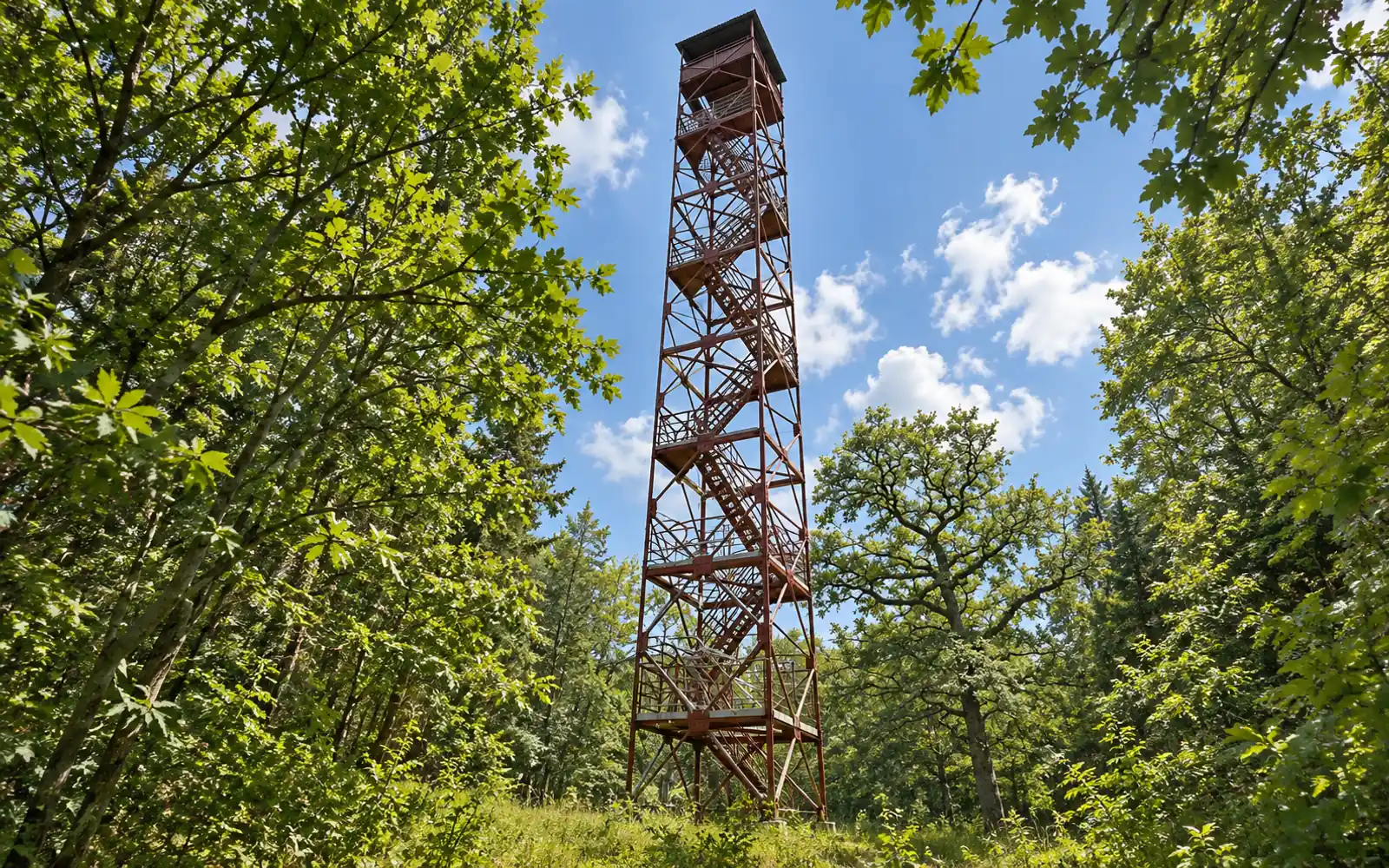
Rauna Observation Tower
Rauna Observation Tower is a viewpoint in Viidu village in the Viidumäe Nature Reserve, Saaremaa Parish, Saare County. The 80 steps of the roughly 26-metre tower lead up to a view above the treetops; in clear weather you can see as far as the west coast and towards Vilsandi. The surrounding upland and the Viidumäe trails make it possible to combine a tower visit with a longer nature walk. Up to six people may be in the tower at once, and children may only go up with an adult. When moving around the reserve, follow RMK's guidance and keep an eye on the weather.
Viidumäe vaatetorn, Viidu küla, Saaremaa vald, Saare maakond
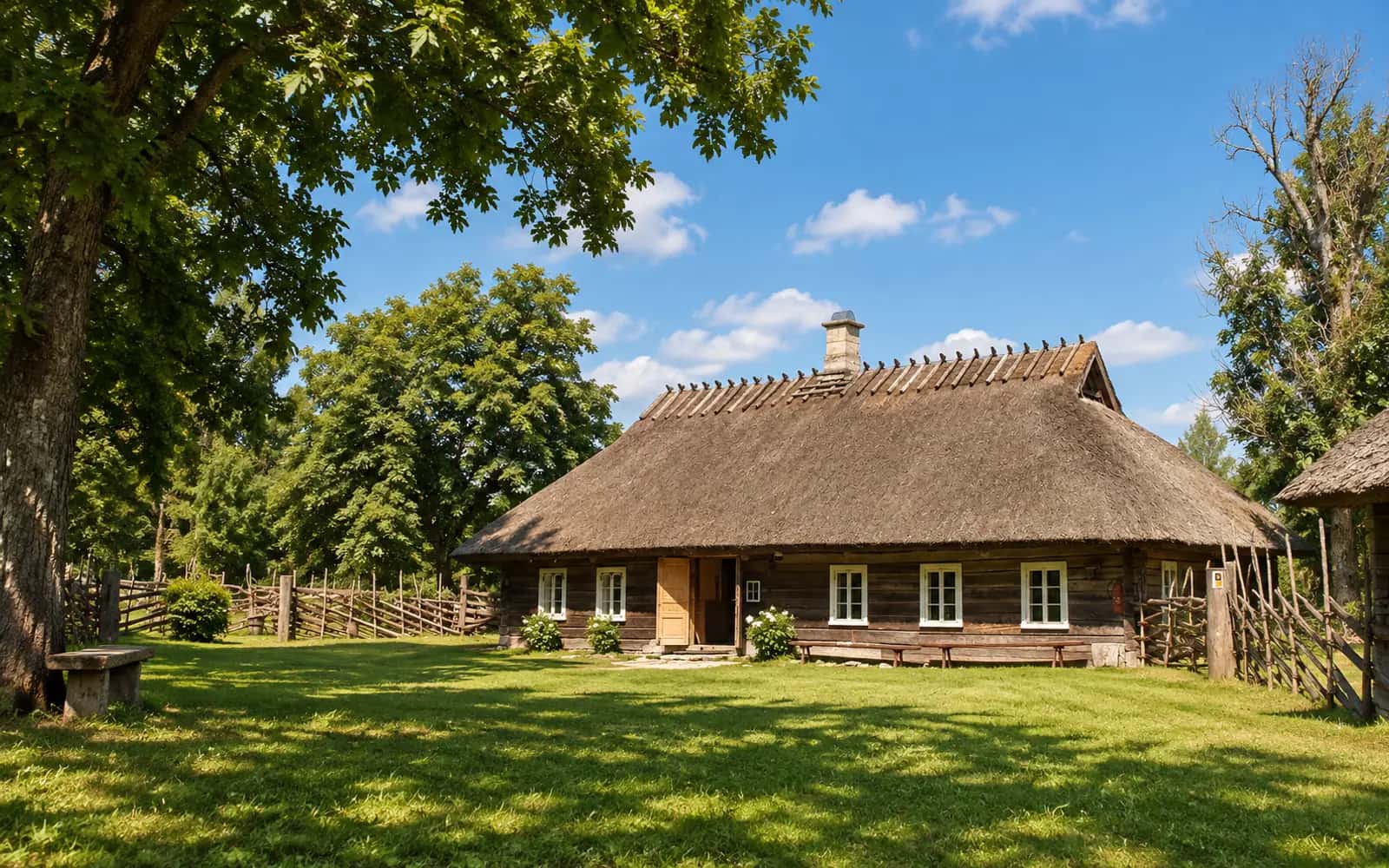
Mihkli Farm Museum
Mihkli Farm Museum is a historic farm complex in Viki village, Saaremaa Parish, Saare County. The yard and buildings, shaped over generations of the same family, introduce Saaremaa farm life more directly than a single exhibition hall could. Visitors see traditional farm buildings, household objects and how work and living were connected in one place. In the summer season the museum can be visited during regular opening hours; from October to April a visit must be arranged in advance. If you want to understand Saaremaa's heritage, allow time for the whole farmyard, not just the main house.
Mihkli talumuuseum, Viki küla, Saaremaa vald, Saare maakond
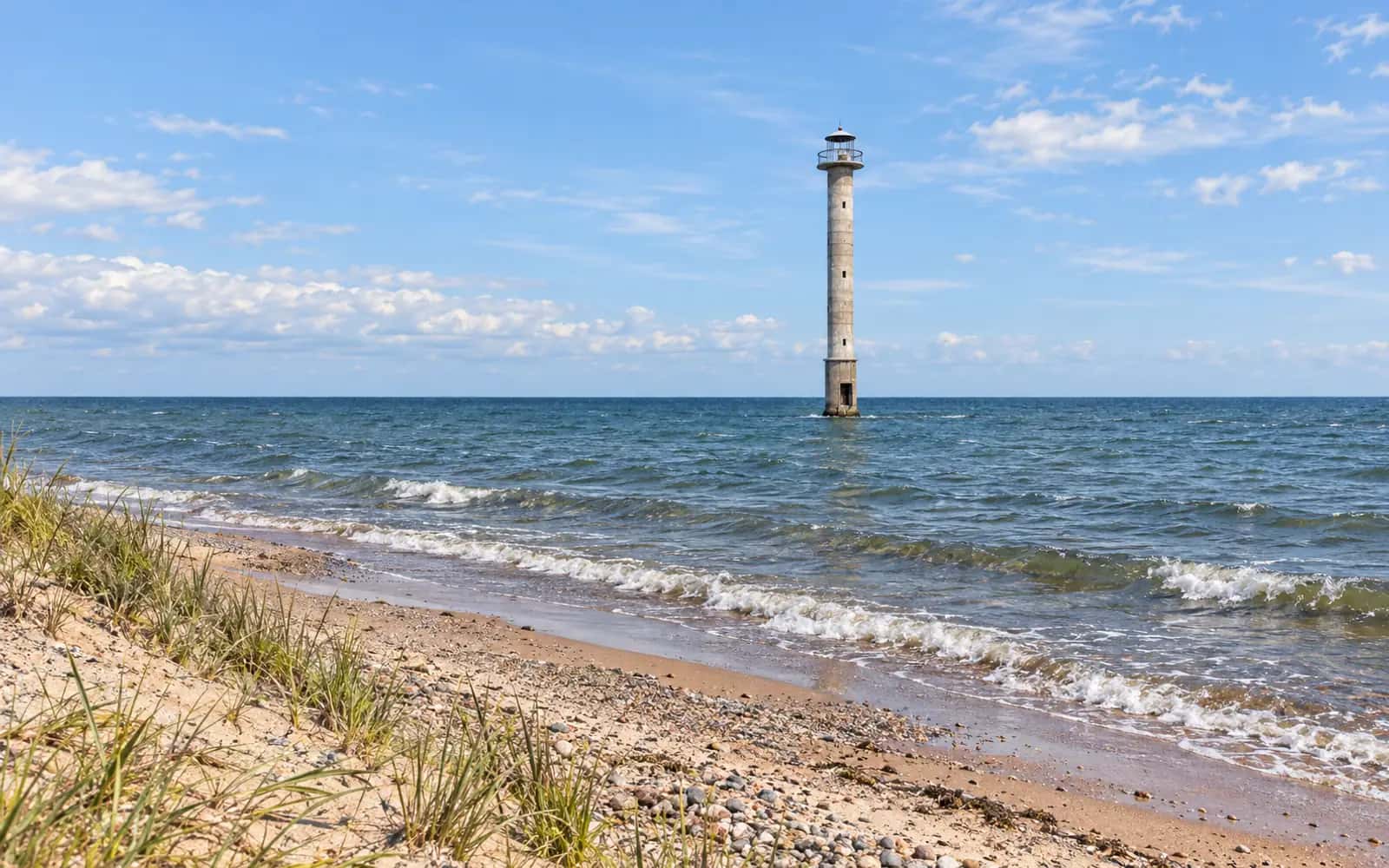
Kiipsaare Lighthouse
Kiipsaare Lighthouse is a historic tower standing by the sea in the Kõruse-Metsaküla area of Saaremaa Parish, Saare County. Changes to the Harilaid coastline have left the tower, originally built on dry land, standing in the water, and its tilt may change over time. The roughly 26-metre lighthouse is visible from far across the landscape, but it can only be viewed from outside and from a distance. To get there you must walk a marked hiking trail in Vilsandi National Park; it is about five kilometres on foot from the car park to the tower. Set out with suitable footwear and plenty of time.
Kõruse-Metsaküla küla, Saaremaa vald, Saare maakond
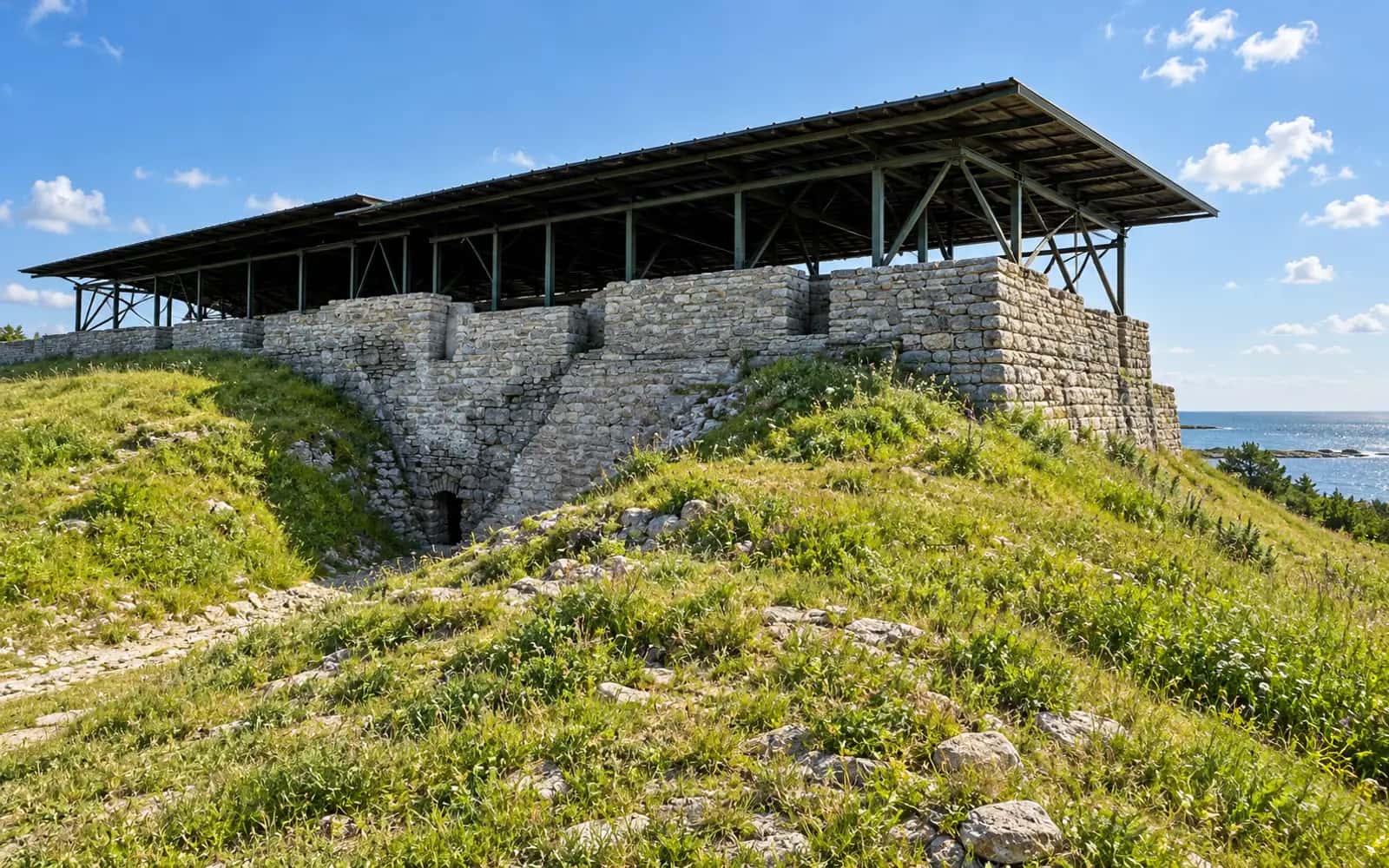
Maasi Order Castle Ruins
The Maasi Order Castle Ruins are in Maasi village, Saaremaa Parish, Saare County, close to the sea. Walls and vaulted rooms survive from the former Livonian Order fortification, giving a sense of the island's Middle Ages and the importance of guarding sea routes. The castle was destroyed in the 16th century, but the site is still easy to read in the landscape: stone walls, an open inner area and the nearby water form a clear whole. The ruins can be visited all year round, but take care when moving around the old walls. A short stop also fits well into a longer tour of Saaremaa.
Linnuse, Maasi küla, Saaremaa vald, Saare maakond
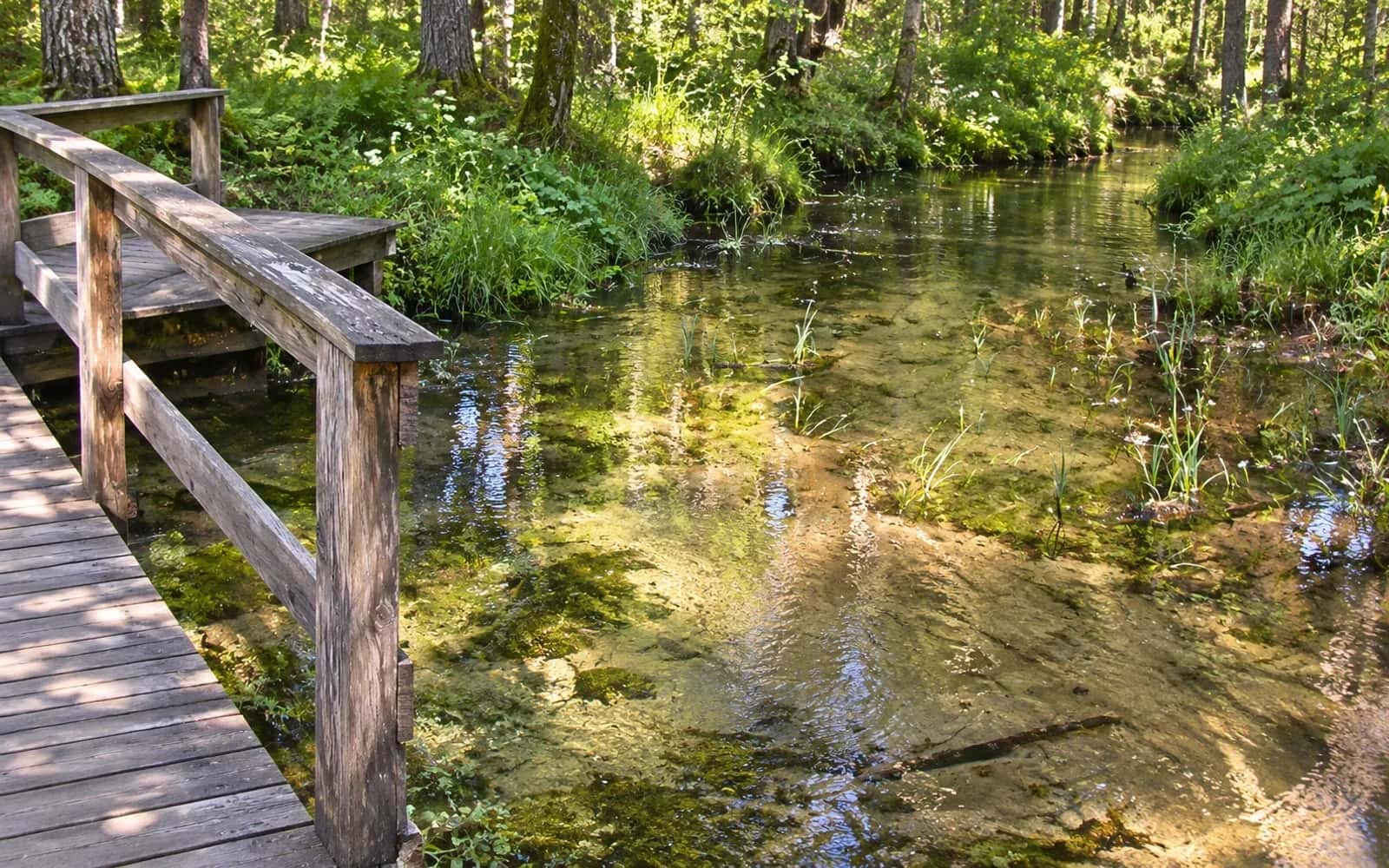
Odalätsi springs
Odalätsi springs are located in Saaremaa, in Pidula-Kuusiku village, between forested dunes and a pine forest. Here, groundwater rises to the surface as several springs and forms small watercourses. A nature trail about four hundred meters long runs around the springs, starting near the roadside parking lot. A folk tale about Vanapagan and Suur Tõll is associated with the place, but the legend does not replace the actual history of nature's formation. The short walk is suitable for discovering Saaremaa's forest landscape. In the damp area, slippery roots and ground must be taken into account.
Maie, Pidula-Kuusiku küla, Saaremaa vald, Saare maakond
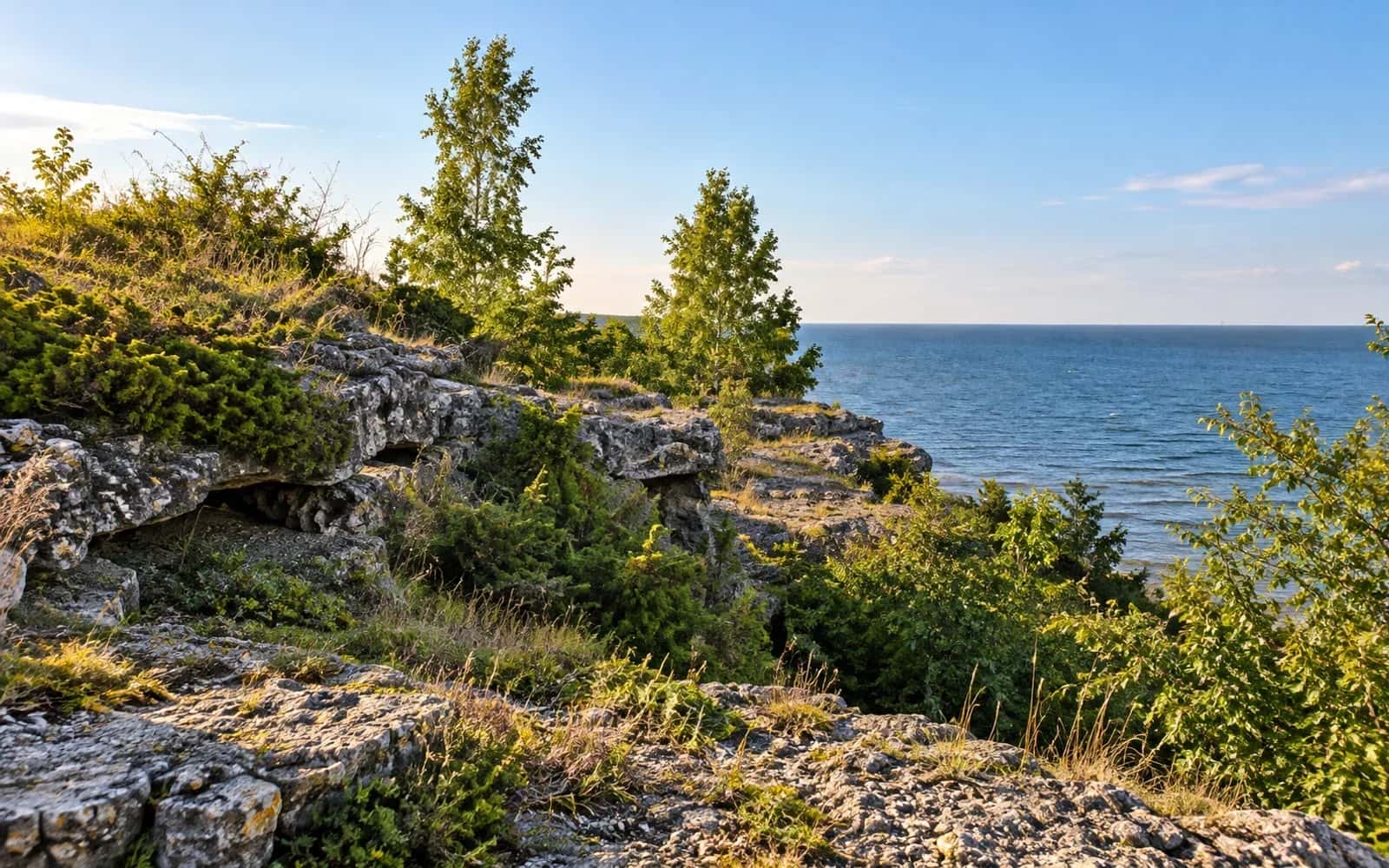
Üügu cliff
Üügu cliff is located in the village of Kallaste on Muhu Island in Saare County and is a well-known limestone cliff on the island's northern coast. The cliff stands a little away from the modern coastline because the sea once carved cave-like hollows into the rock at its base. The escarpment, approximately three hundred metres long, allows visitors to observe the shape of the limestone strata and the changing landscape. Dolomite was once quarried here, traces of which can still be seen in the landscape. Üügu cliff is a distinct natural site on Muhu Island and is not another name for Panga cliff on the northern coast of Saaremaa.
Andovälja, Kallaste küla, Muhu vald, Saare maakond
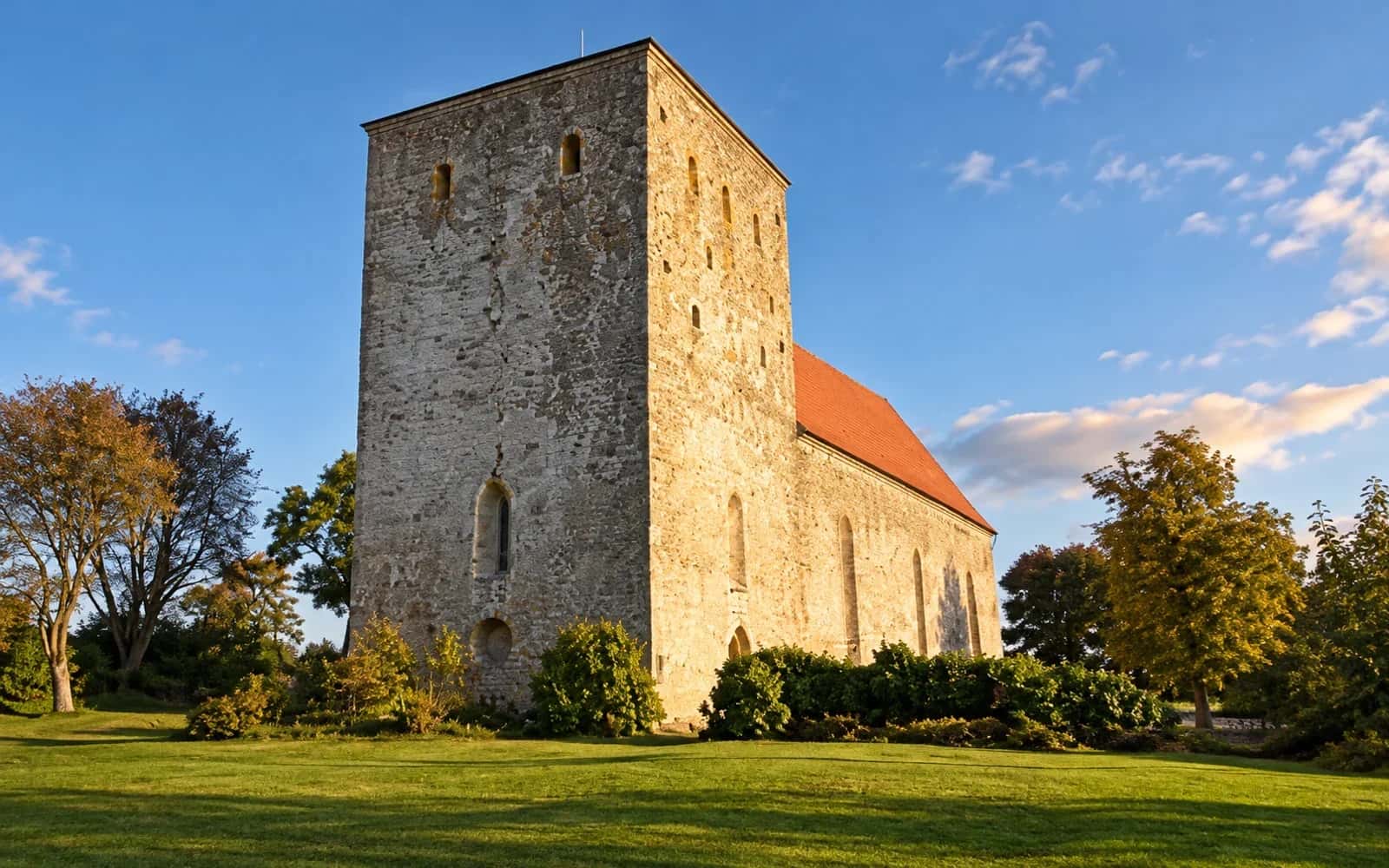
Pöide Maarja kirik
Pöide St. Mary's Church is located in Pöide village on Saaremaa and is one of the island's largest medieval stone churches. The building developed in the 14th century, and its walls contain traces of an earlier construction phase. The church's spacious single-aisle interior, stone decoration, and historic vault paintings provide a glimpse into medieval sacred art. Restoration work has been carried out in the sanctuary, and access may depend on the season and the congregation's activities. The church is an independent architectural monument, not part of the nearby ruins of Maasi Order Castle.
Maarja, Pöide küla, Saaremaa vald, Saare maakond
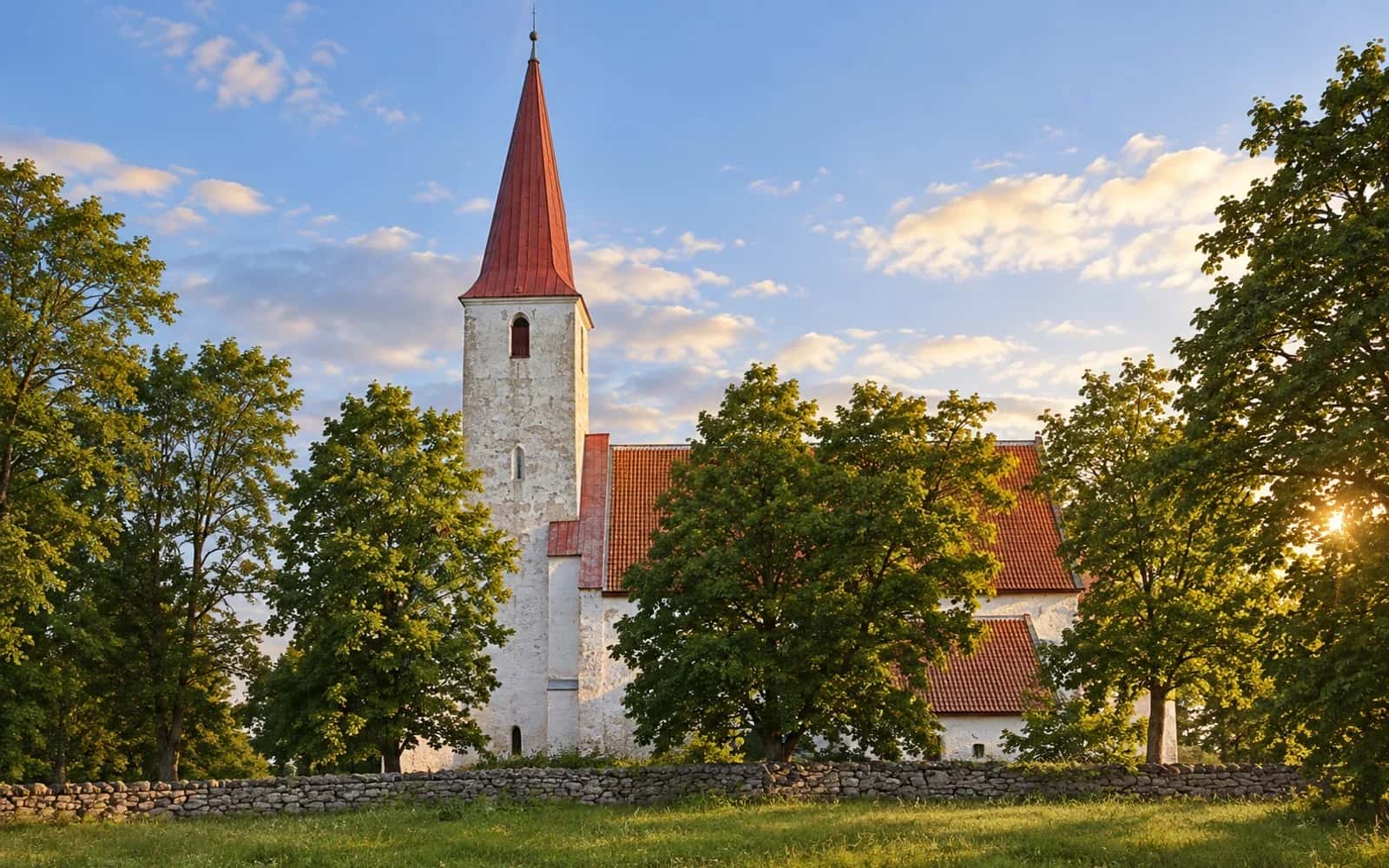
Kihelkonna Mihkli kirik
Kihelkonna St. Michael's Church is located in the small town of Kihelkonna on Saaremaa and is one of the oldest stone churches on the island. The construction of the sanctuary began in the second half of the 13th century, and the current tower was added later. The interior of the church features high carved vaults and historical furnishing elements. Particularly distinctive is the bell tower standing separate from the church, which together with the main building forms a characteristic ensemble. The church tower was once also used as a sea mark. During the summer season, the interior can be visited during published visiting hours; at other times, it is advisable to contact the congregation.
Kiriku tn 6, Kihelkonna alevik, Saaremaa vald, Saare maakond
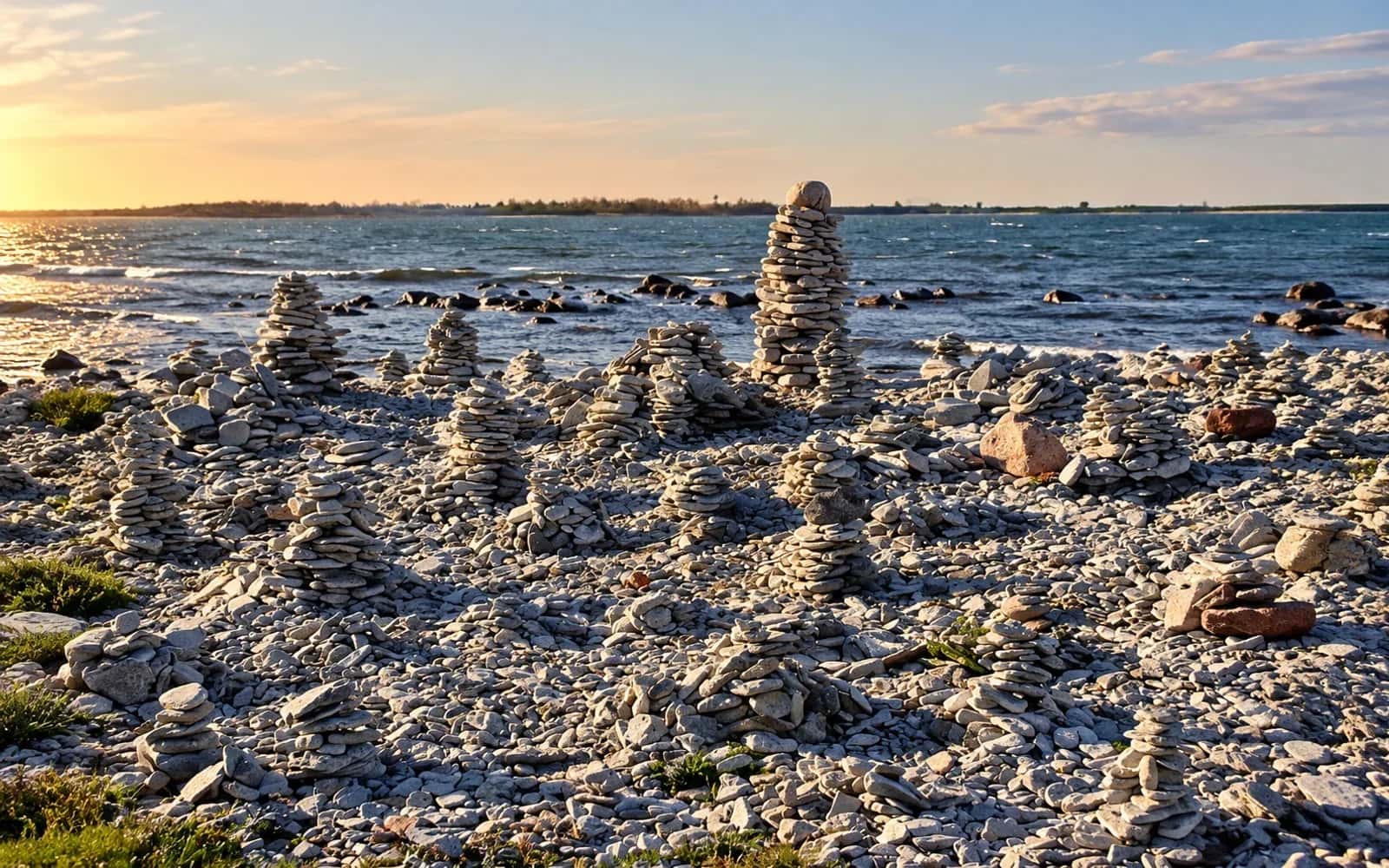
Ohessaare cliff and stone towers
Ohessaare cliff and stone towers are located in Saaremaa, in Ohessaare village on the western coast of the Sõrve peninsula. The low limestone bluff reveals rock layers deposited during the Silurian period, within which fossils can be noticed. There are numerous flat stones on the shore, and visitors have over time stacked them into stone towers of varying heights. The open sea coast, stony ground and changing light make the place a unique nature observation spot. This is not the same object as the Sõrve lighthouse or Panga cliff. When moving on the shore, one must account for waves, wind and uneven stones.
Kubja, Ohessaare küla, Saaremaa vald, Saare maakond
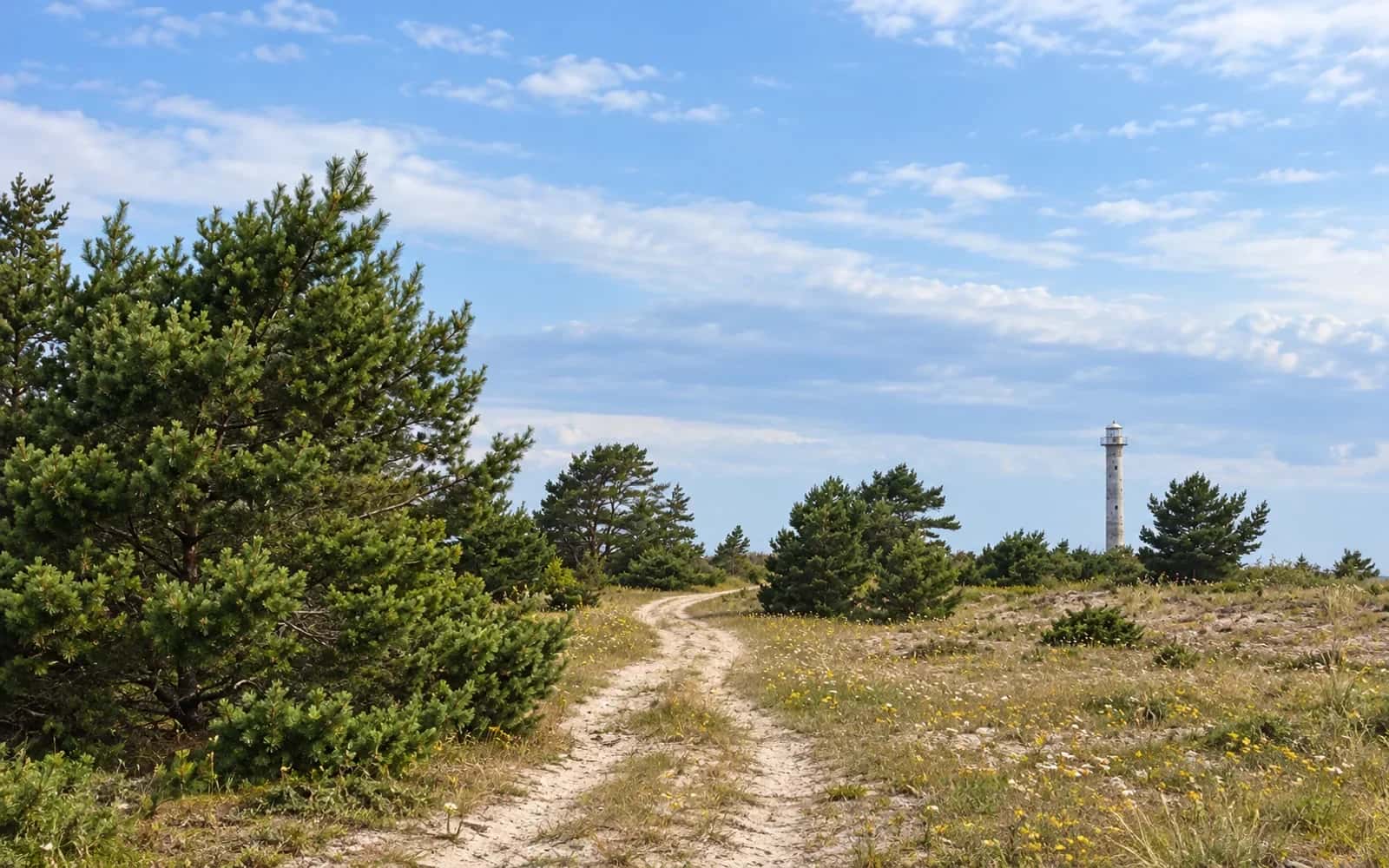
Harilaiu hiking trails
The Harilaiu hiking trails are located in Saaremaa, in Vilsandi National Park, which is known for its beautiful nature and diverse wildlife. Here you can choose between two hiking trails: 6 km and 11 km. The short trail takes you to Laialepa Bay, while the longer trail leads to the Kiipsaare Lighthouse, where you can enjoy the trees and bushes swaying in the wind, the golden sandy beach, and the rocky coastal areas. The western coast of Harilaiu is a great place for bird and seal watching. The hiking trails are open year-round, allowing you to enjoy nature at any time. Park your car at the beginning of the trail and discover the beauty of Harilaiu in summer or winter.
Kõruse-Metsaküla küla, Saaremaa vald, Saare maakond
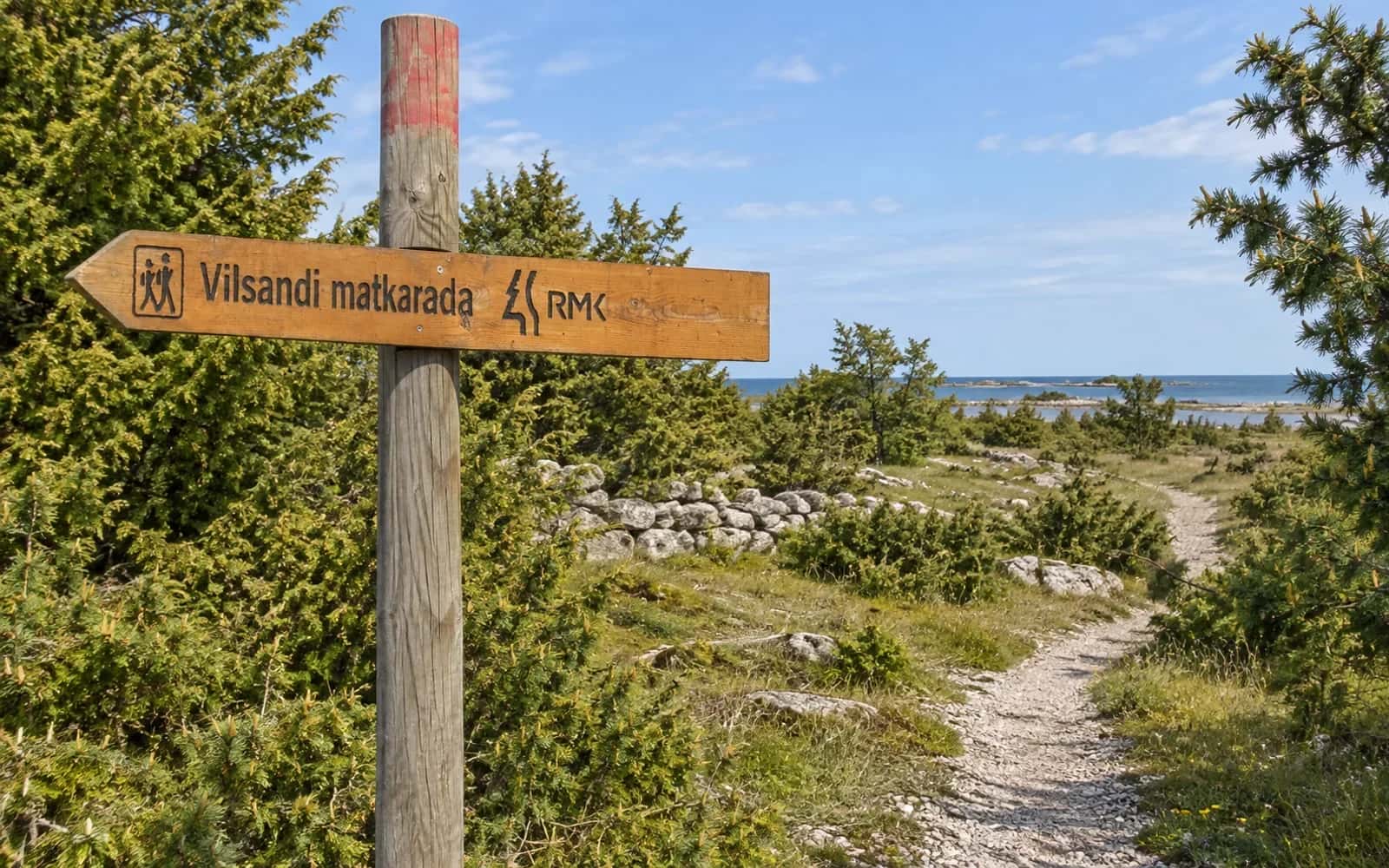
Vilsandi hiking trails
Vilsandi hiking trails are located on Vilsandi Island in Saare County and start from the observation tower in the center of the island. The approximately eight-kilometer educational trail runs along the southern coast towards the lighthouse and returns through the forest along the northern shore. Another trail heads towards Vesiloo and passes by a fenced observation area; protected areas and signage must be respected. The island can be accessed by boat from Papissaare harbor, so the hiking plan should take into account the schedule of connections and the weather. Before setting out, information about the routes can be obtained from the visitor center in the village of Loona.
Vikati sadamatee, Vilsandi küla, Saaremaa vald, Saare maakond
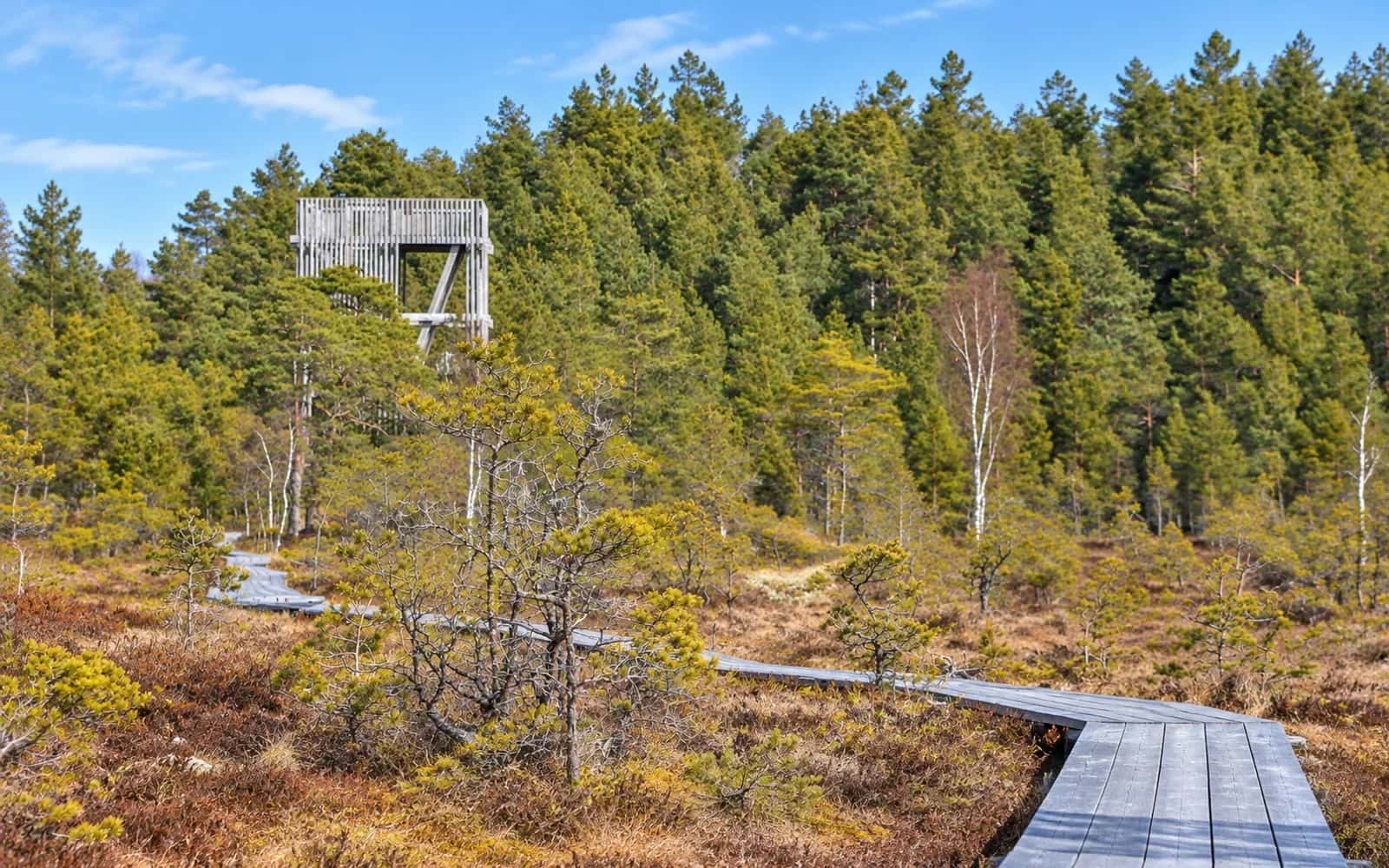
Koigi Bog Hiking Trail
The Koigi Raba hiking trail is located in Saaremaa, in the village of Koigi, and it is an ideal destination for nature lovers. The trail is 4.8 km long and covered with wooden blocks, making the walk comfortable. The hiking trail takes you through a beautiful bog, in the center of which lies Lake Pikkjärv. The trail also offers a cozy observation tower with picturesque views over the bog. In summer and autumn, it is possible to pick cranberries along the trail. Koigi Raba is also known for its legends, including the tale of the women's lake, whose water is formed from the tears of women. The trail is open year-round, allowing you to enjoy nature at any time.
Sarapiku, Koigi küla, Saaremaa vald, Saare maakond
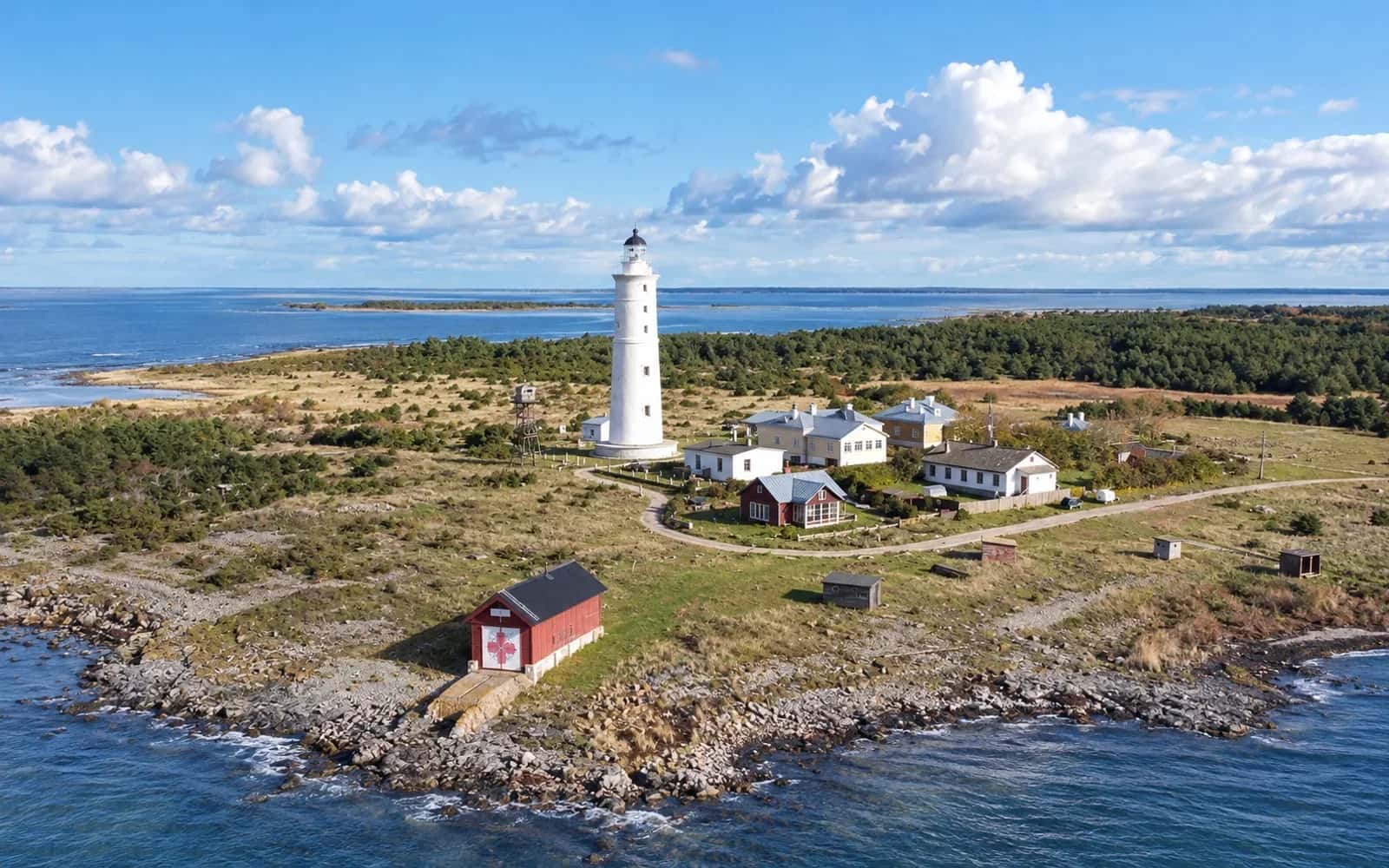
Vilsandi Lighthouse
Vilsandi Lighthouse is located in the village of Vilsandi, in the municipality of Saaremaa, in Saare County. This historical lighthouse is an important landmark that guides ships safely into the harbor. The lighthouse is open for visits during the summer months, offering visitors the chance to learn about its history and function. Vilsandi Island is a beautiful natural area where one can enjoy stunning nature and diverse birdlife. Visiting the lighthouse is a great opportunity to explore the culture and history of Saaremaa.
Vilsandi küla, Saaremaa vald, Saare maakond
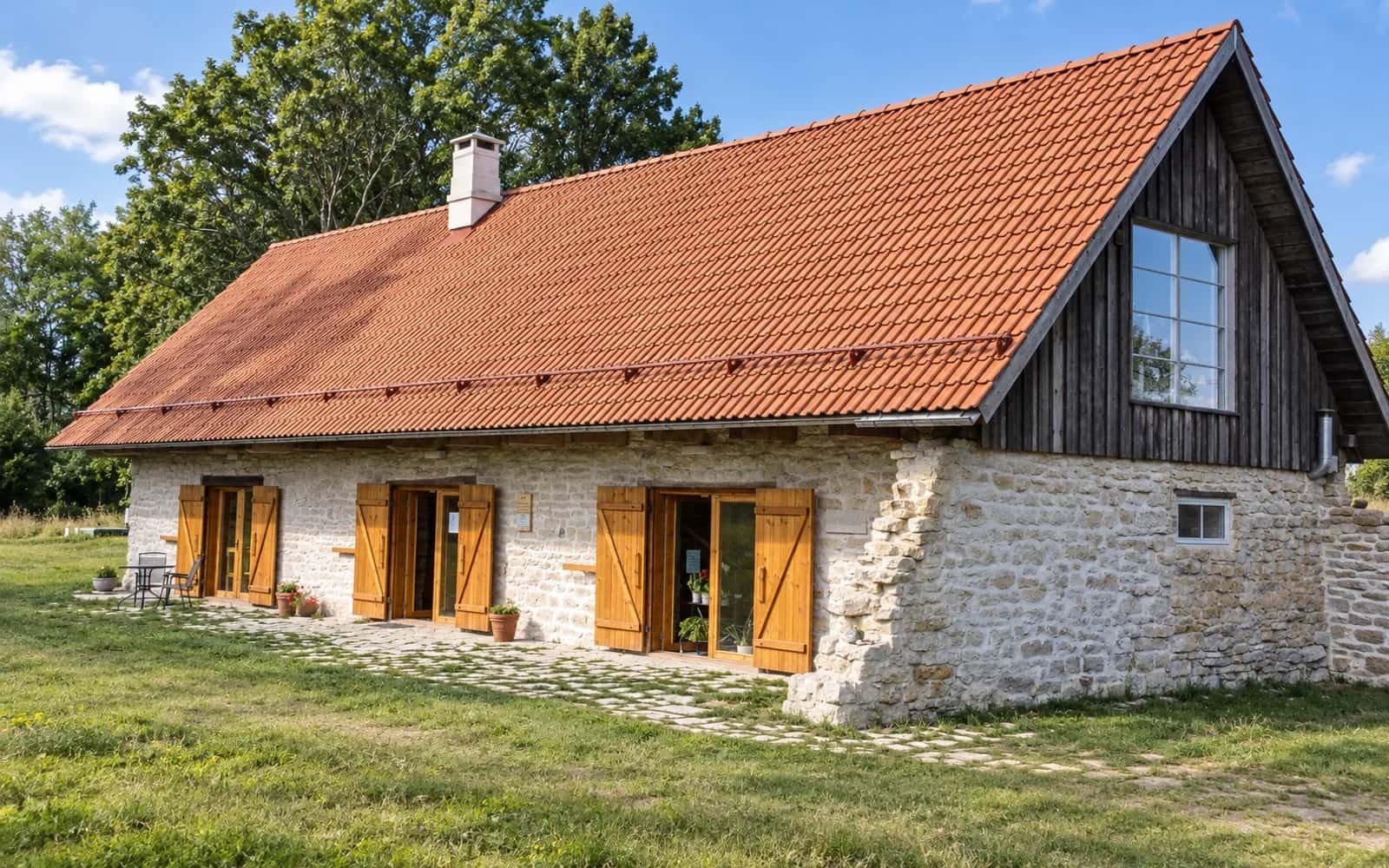
Vilsandi National Park Visitor Centre
The Vilsandi National Park Visitor Centre is located in Saaremaa, in the Loona manor complex, making it an ideal place to start exploring Estonia's most maritime national park. The visitor centre features a permanent exhibition that introduces the nature, history, and cultural heritage of the national park. In the stone house, you can learn about fossils. The centre also provides information about hiking trails, campfire sites, and Vilsandi National Park, as well as other protected and recreational areas in Estonia. Additionally, it is possible to watch nature documentaries that provide an in-depth overview of the park's biota and ecosystems. Welcome to explore Vilsandi National Park!
Loona mõis, Loona küla, Saaremaa vald, Saare maakond
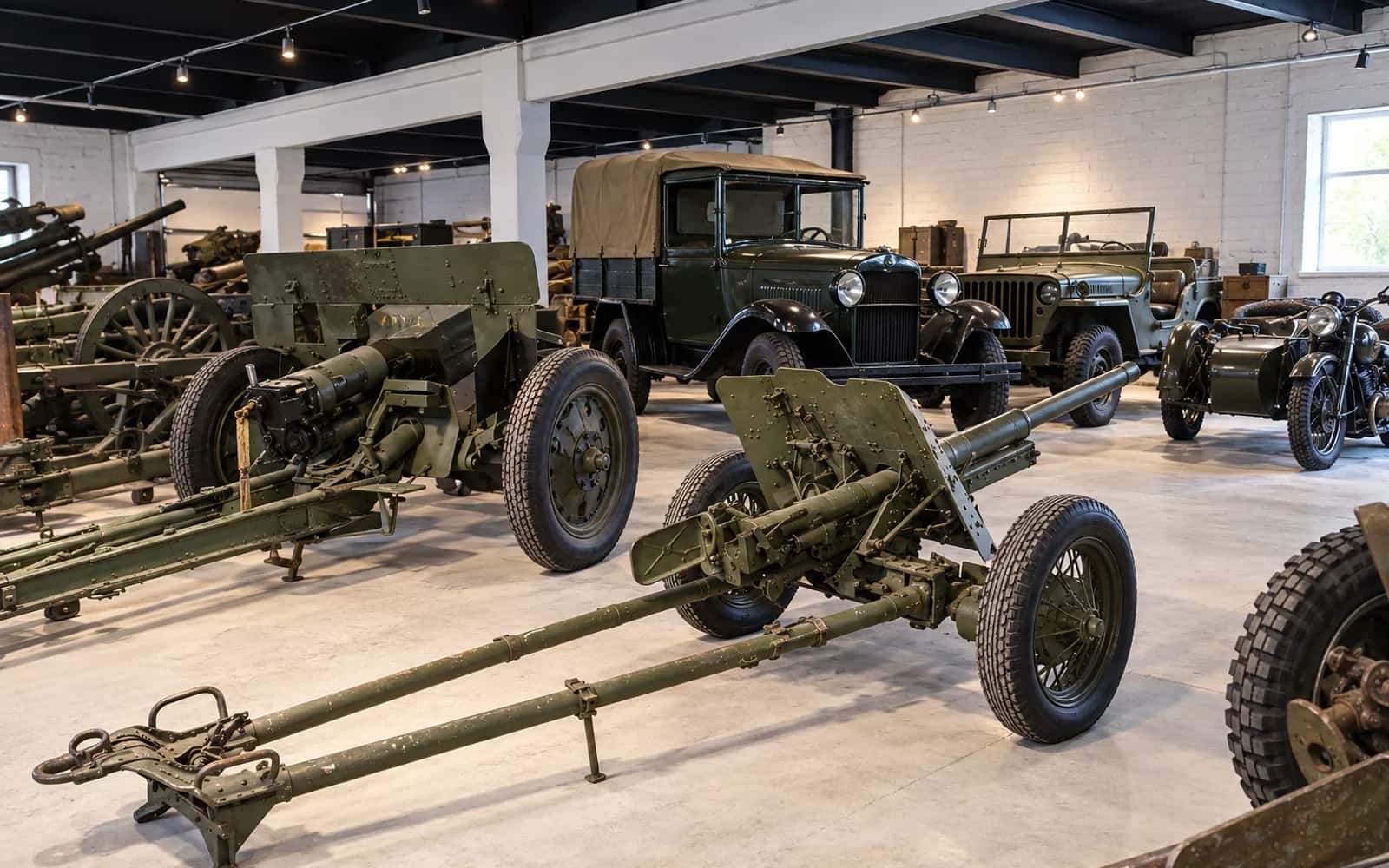
Saaremaa Military Equipment Museum
Saaremaa Military Equipment Museum in Põripõllu village is a military history museum whose exhibition focuses on the wars of the 20th century and Estonia’s military history. Its extensive collection includes thousands of items: weapons, uniforms, soldiers’ personal belongings and heavy equipment; in 2026 a new exhibition hall, “Sea and Engines”, was added. The museum also has an exhibition on the War of Independence and a display of weapons from different eras. The regular season runs from spring to autumn, and larger groups can arrange visits at other times as well.
Muuseumi, Põripõllu küla, Saaremaa vald, Saare maakond
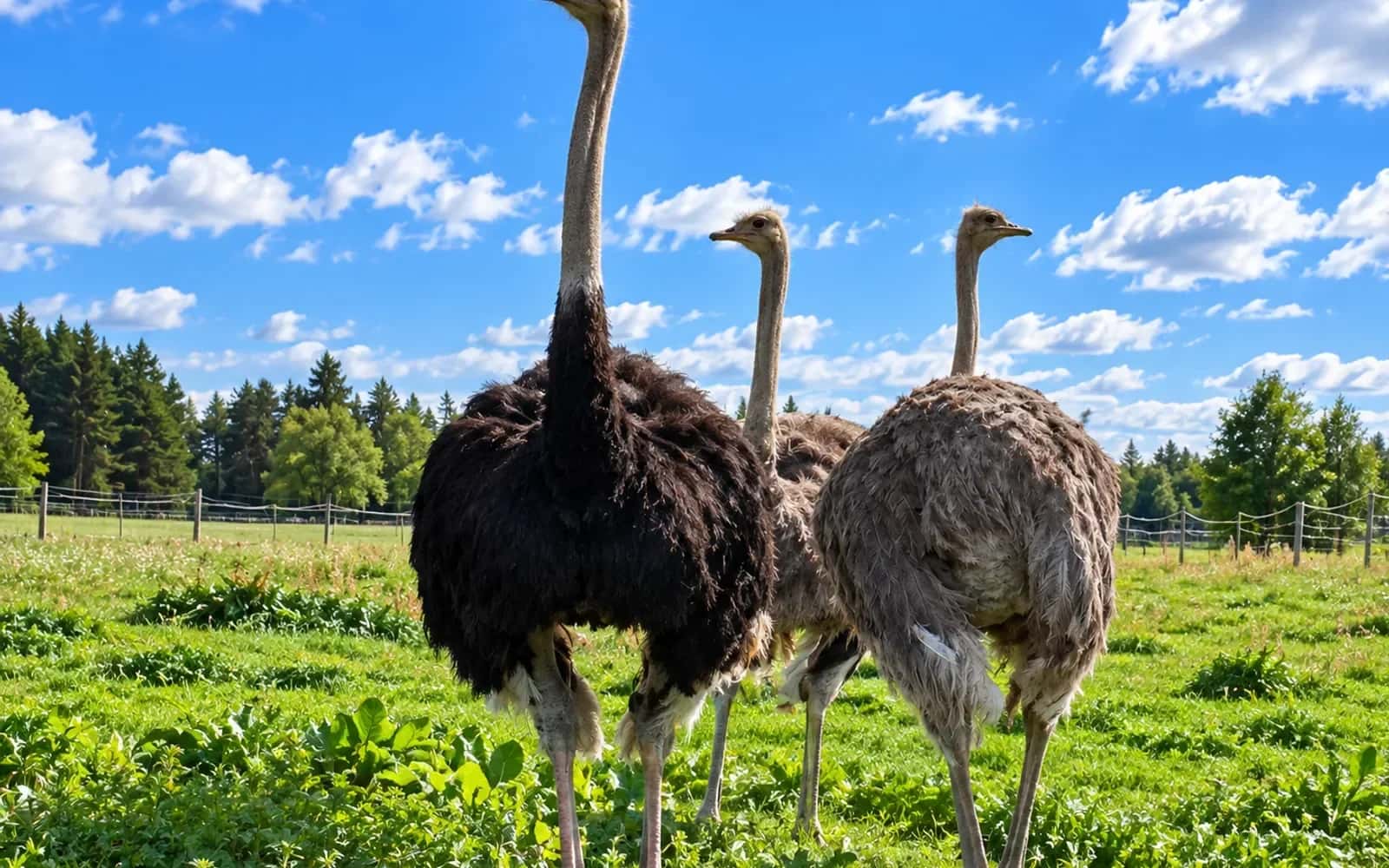
Muhu Ostrich Farm
Muhu Ostrich Farm is an animal park in Nautse village where you can see exotic birds and animals up close. The farm is home to ostriches, emus, zebras, red kangaroos, alpacas, Poitou donkeys, ponies, porcupines and rabbits. Following the instructions, visitors can feed the ostriches and emus, and there is a farm shop on site. The place is especially good as a family stop on Muhu island, since besides watching the animals there is a picnic area and a children’s playground. The farm is open to visitors regularly during the summer season.
Laasu, Nautse küla, Muhu vald, Saare maakond
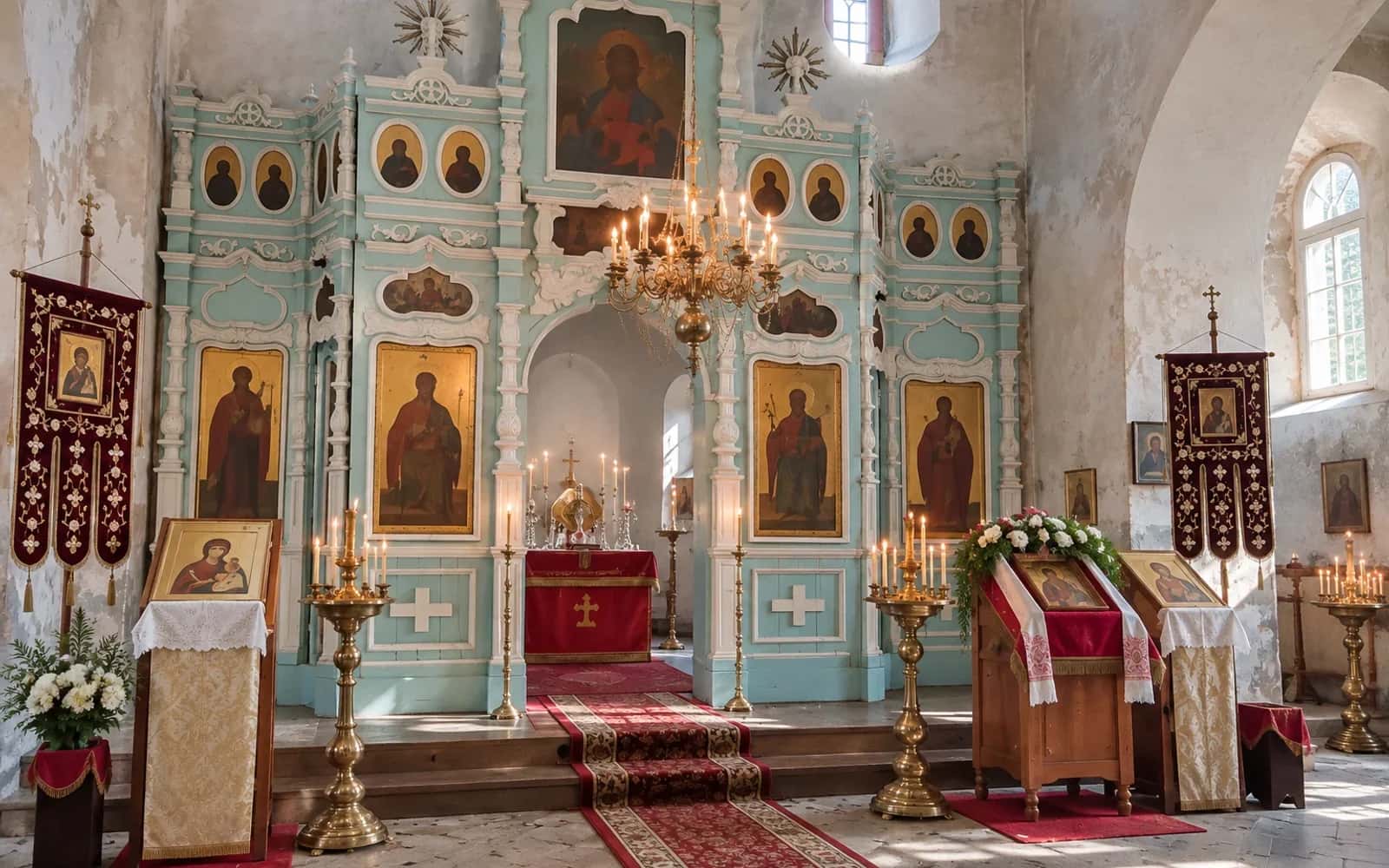
Reomäe Monastery
Reomäe Monastery in Reo village is a convent of the Estonian Apostolic Orthodox Church and a spiritual place that grew up around a historic church. The monastery’s main church was completed in 1873 and is dedicated to the memory of the Apostle Andrew. Where possible, visitors are shown the church and chapel and told about monastic life; on reaching the main building you are asked to ring the doorbell, and group visits must be booked in advance. The small monastery shop sells, among other things, locally produced honey and monastery goods. The monastery is closed to visitors on Mondays, Wednesdays and Fridays.
Reomäe skiita, Reo küla, Saaremaa vald, Saare maakond
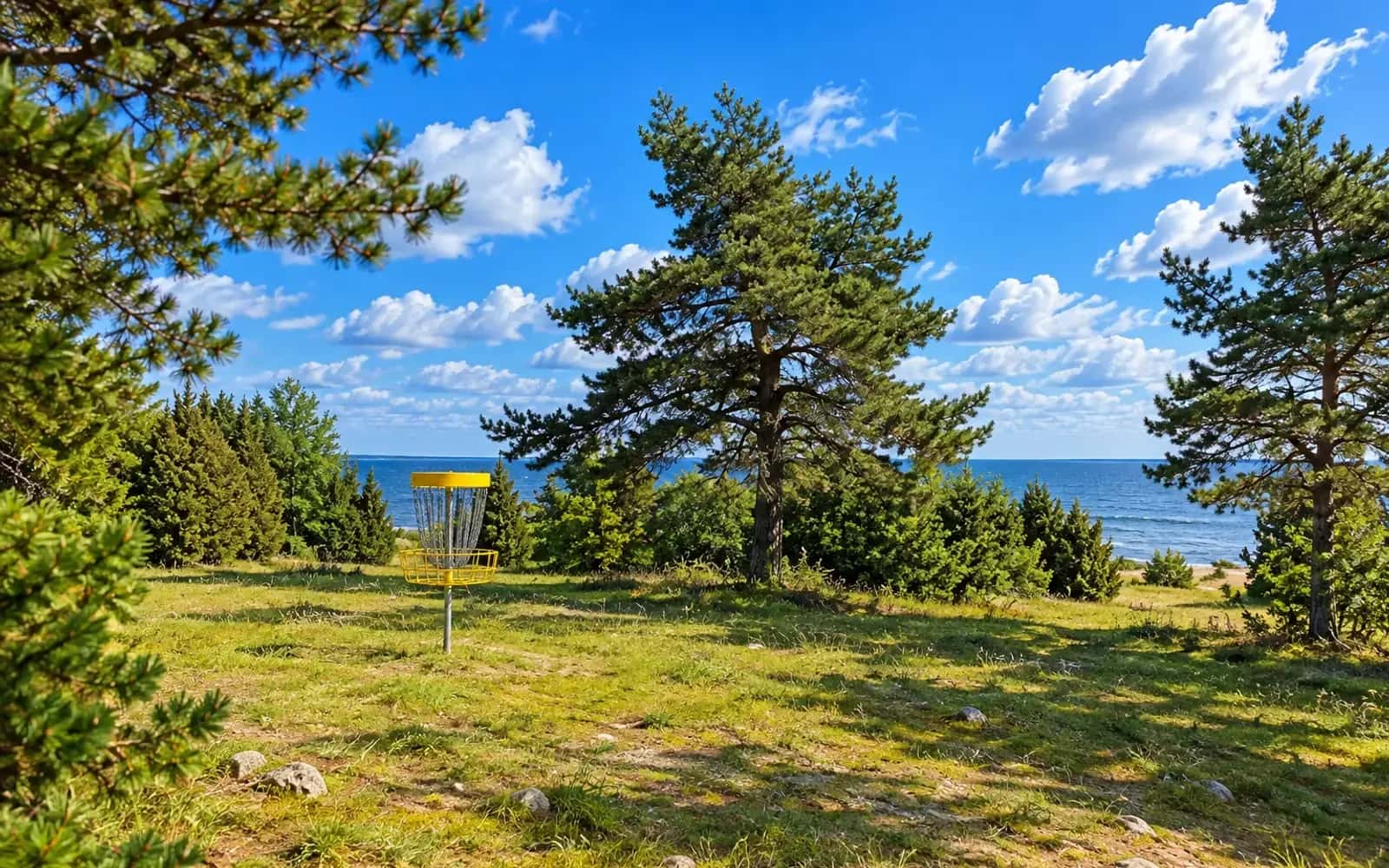
Salme Disc Golf Park
Salme Disc Golf Park is a free disc golf course in Salme small borough, running around the seaside beach park and pine grove. The course takes players across open areas and through forest corridors, and some throws pass near the Salme River. Bring your own discs, as the public course is intended for independent use. A beach volleyball court and a children’s playground are in the same area, so disc golf can be combined with a longer stop in Salme beach park. The course is open all year round, day and night.
Sõrve mnt 1, Salme alevik, Saaremaa vald, Saare maakond
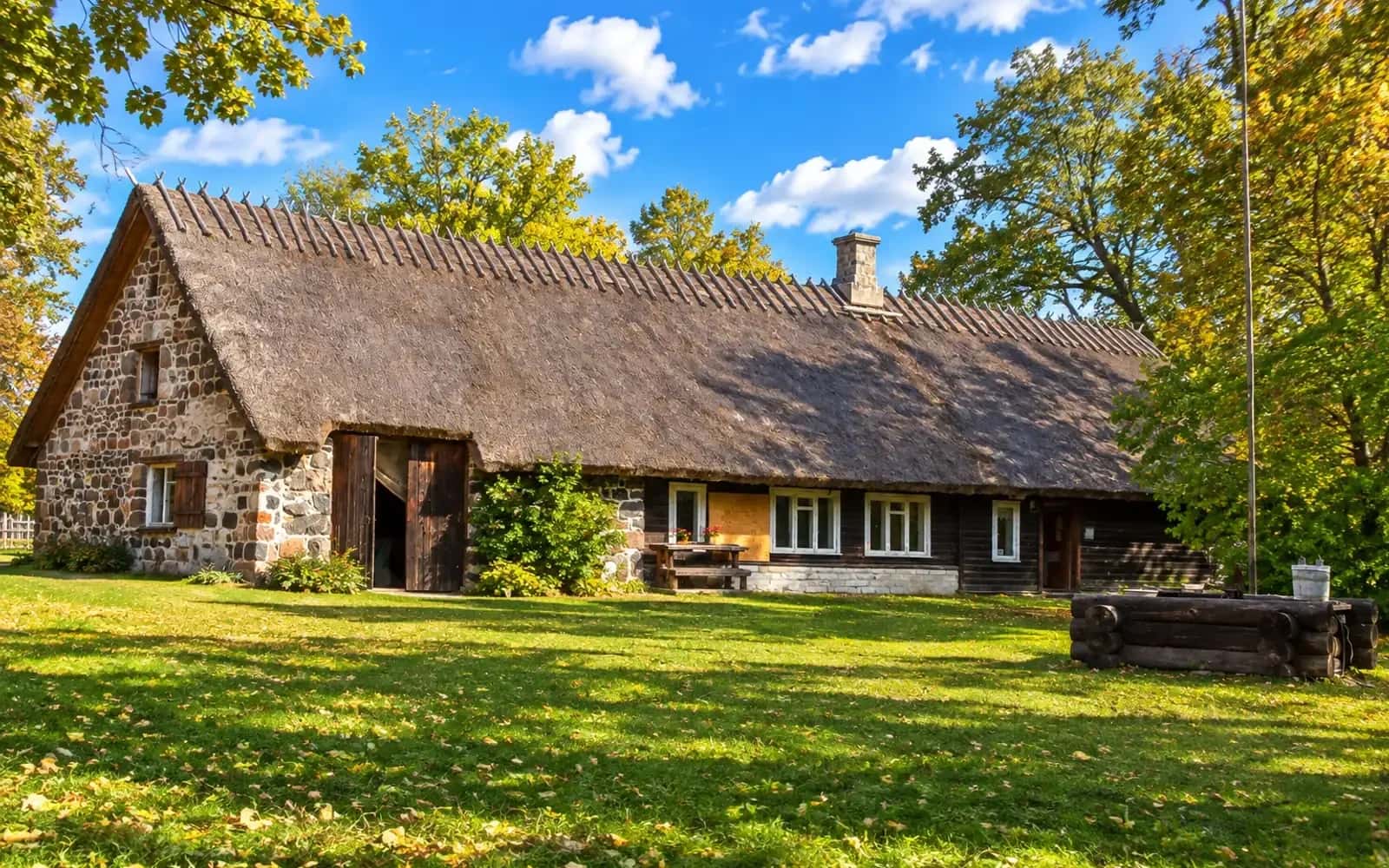
Muhu Museum
Muhu Museum is located in Koguva village and introduces the history of Muhu island, its farm architecture and local cultural heritage. The heart of the museum is Tooma farm, the birthplace of writer Juhan Smuul, where farm buildings and historical belongings have been preserved. A visit also includes the former village schoolhouse and the exhibitions at Välja farm, where you can see Muhu’s national textiles and handicrafts. Koguva is a living village, not an open-air museum, so signposts guide visitors to the museum sites and the yards of private farms remain for residents’ use.
Muhu muuseum, Koguva küla, Muhu vald, Saare maakond
Explore Kuressaare
Restaurants & cafés
Discover the best restaurants, cafés and bars in Kuressaare.
All restaurants in Kuressaare →Apartments & stays
Discover apartments, hotels and boutique stays across the city.
All places to stay in Kuressaare →SPA
Discover massage studios, saunas, salons and wellness centres across the city.
All spas in Kuressaare →Shops
Discover the best shopping in Kuressaare — boutiques, local stores and unique finds.
No live listings yet in this category — be the first to join MOST here.
All shops in Kuressaare →Local services
Find trusted local specialists — from electricians and tutors to photographers and vets.
No live listings yet in this category — be the first to join MOST here.
All local services in Kuressaare →Events & festivals
Everything happening in town in one place — today's events, weekend festivals, family outings and activities for kids.
All events in Kuressaare →Tours & Travel
Ready-made package tours from local tour operators and travel agencies — destinations, hotels and dates in one place.
All package tours from Estonia →Upcoming in Kuressaare
- Jan 22Exhibition “When Men Were Made of Iron: Historical Armour by a Modern Master”
- Sep 14A Tangible Climate. What Will Become of Us?
- Nov 3She Must Leave
Practical information
- Currency
- Euro (€)
- Language
- Estonian — English is widely spoken in shops, hotels and restaurants
- Emergency number
- 112 — police, fire and ambulance, free and nationwide
- Time zone
- Eastern European Time (EET/EEST)