MOST · attractionsPärnu
← City home

Places to visit in Pärnu

Explore the city’s places of interest, with photos, descriptions and addresses.

Tallinn Gate

History & architecture

Tallinn Gate

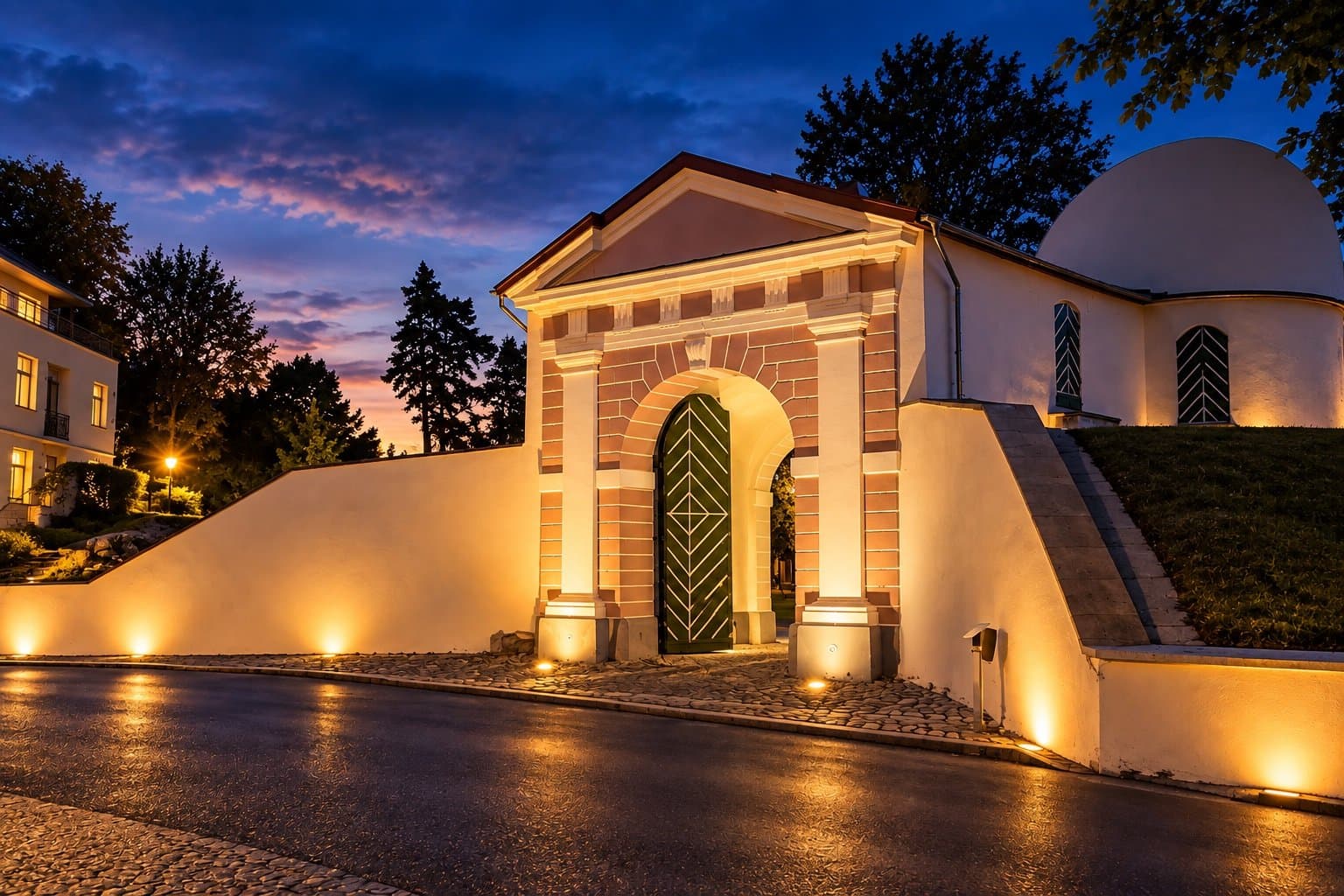
The Tallinn Gate is one of Pärnu's most important historical monuments and a surviving part of the 17th-century city fortifications. Until 1710, the structure was called the Carl Gustav Gate or the Royal Gate, from where the road to Tallinn began across the moat. After the demolition of a significant part of Pärnu's fortifications in the 19th century, the gate was preserved along with the ramparts and the moat leading to the Vallikäär bastion area. Today, pedestrians can freely walk through the monumental Baroque arch, continuing their route to the coastal district, park, and historic center. Due to its location, the gate is easily included in a walking tour of old Pärnu.

Indicative price: Passing through the gates and viewing from the outside is free.

Vana-Tallinna tn 1, 80011 Pärnu

Read more →
Pärnu Mud Baths

History & architecture

Pärnu Mud Baths

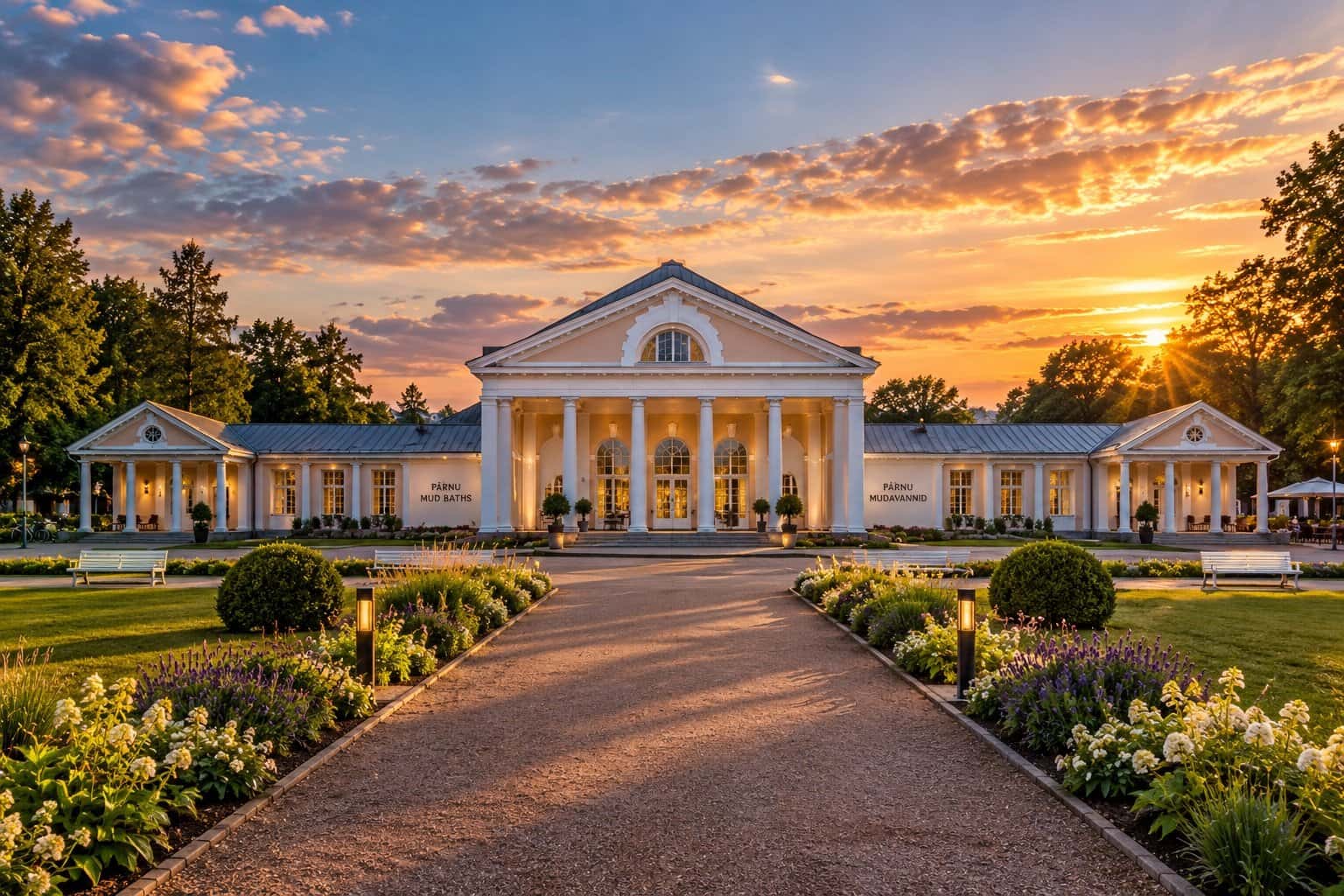
Pärnu Mud Baths is one of the key monuments of Pärnu's resort history. The modern neoclassical building was completed in 1927 on the site of an earlier bathing establishment, and its architecture is associated with Olev Siinmaa, Erich von Wolffeldt, and Aleksander Nürnberg. The history of resort treatments at this location begins in 1838, when Pärnu offered warm sea baths in the summer and a sauna in the winter; this period is considered the beginning of the city's development as a resort. Following restoration, the historical complex received a modern function: today, Hedon Spa operates in the building. The property is located directly in the beach district and well conveys Pärnu's character as a city with a nearly two-century resort tradition.

Indicative price: Viewing the building from the street is free. Hedon Spa operates inside: services have a separate fee, this is not a museum ticket.

Ranna pst 1, 80012 Pärnu

Read more →
St. Catherine's Church in Pärnu

History & architecture

St. Catherine's Church in Pärnu

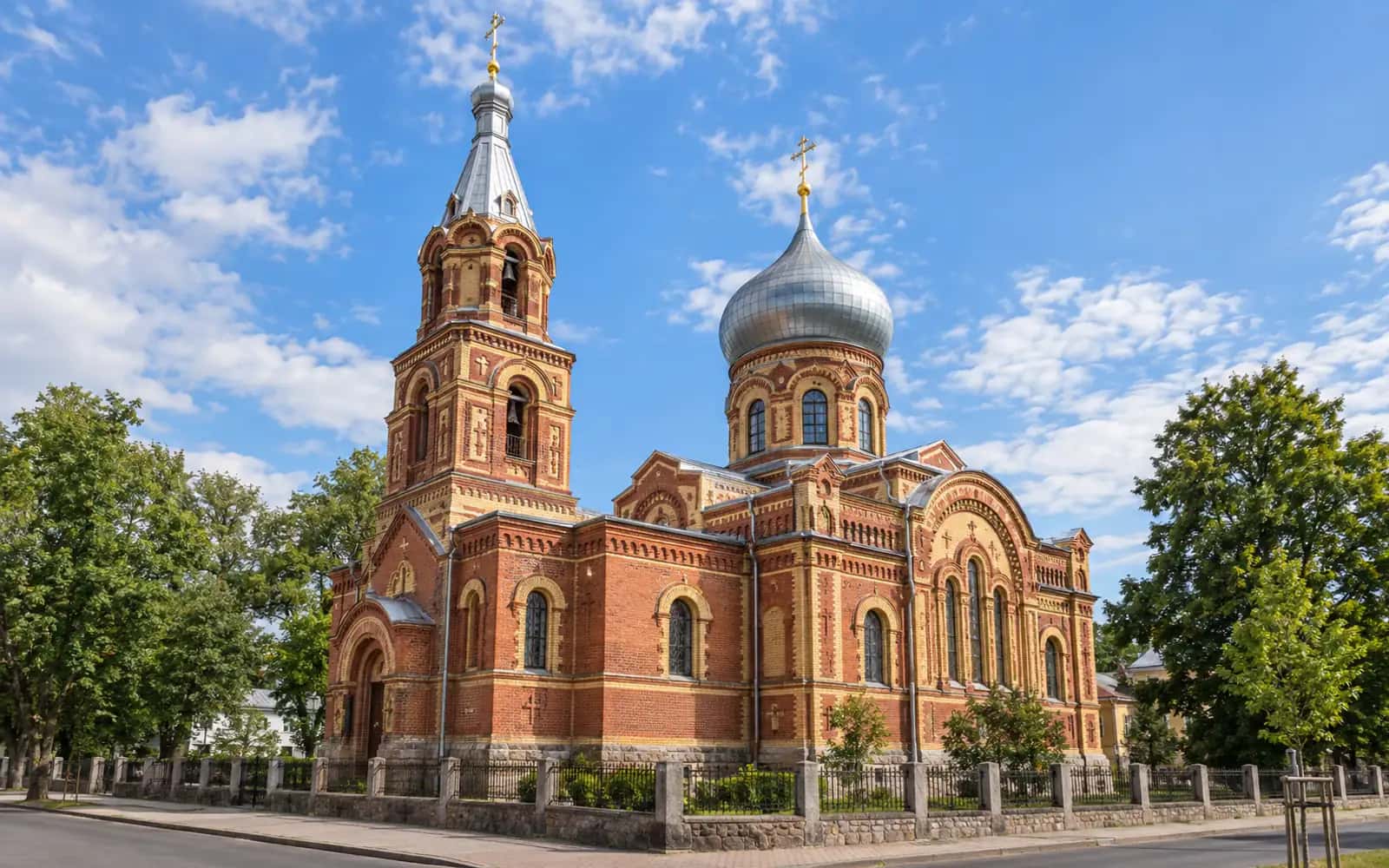
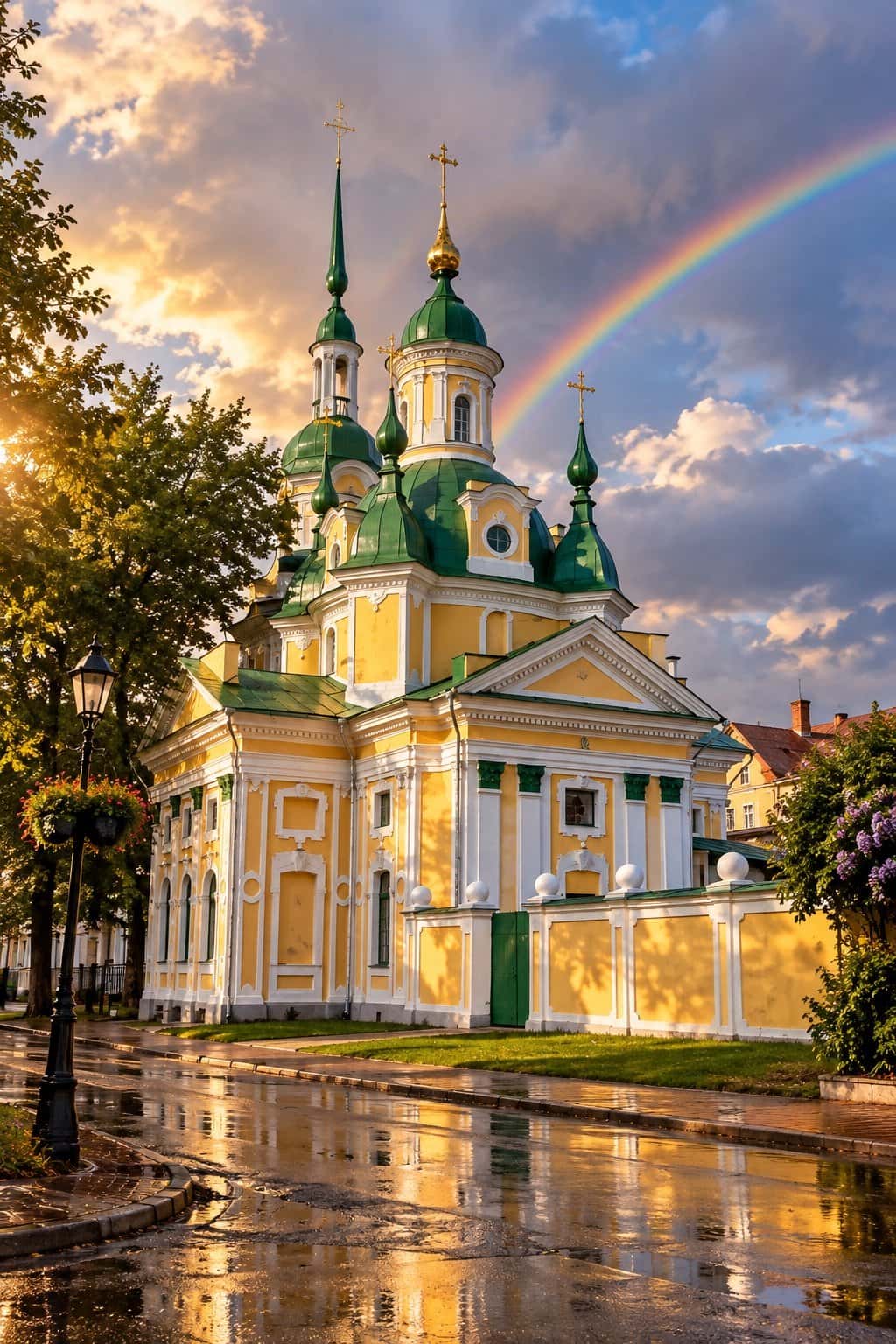
St. Catherine's Church is an outstanding monument of Baroque architecture in the historical centre of Pärnu. The Orthodox church was completed in 1769 by order and with the funding of Empress Catherine II. Its expressive facade, relief decoration and six slender spire finishes differ noticeably from the appearance of many Orthodox churches built in the region later. The church appeared about a century before most Orthodox churches of this architectural circle and influenced the further development of Orthodox church architecture in the Baltic countries. The Russian Orthodox community of Pärnu still operates here today. Due to its central location, the church is easy to include in a walk around the historical part of the city.

Vee tn 8, 80011 Pärnu

Read more →
Villa Ammende

History & architecture

Villa Ammende

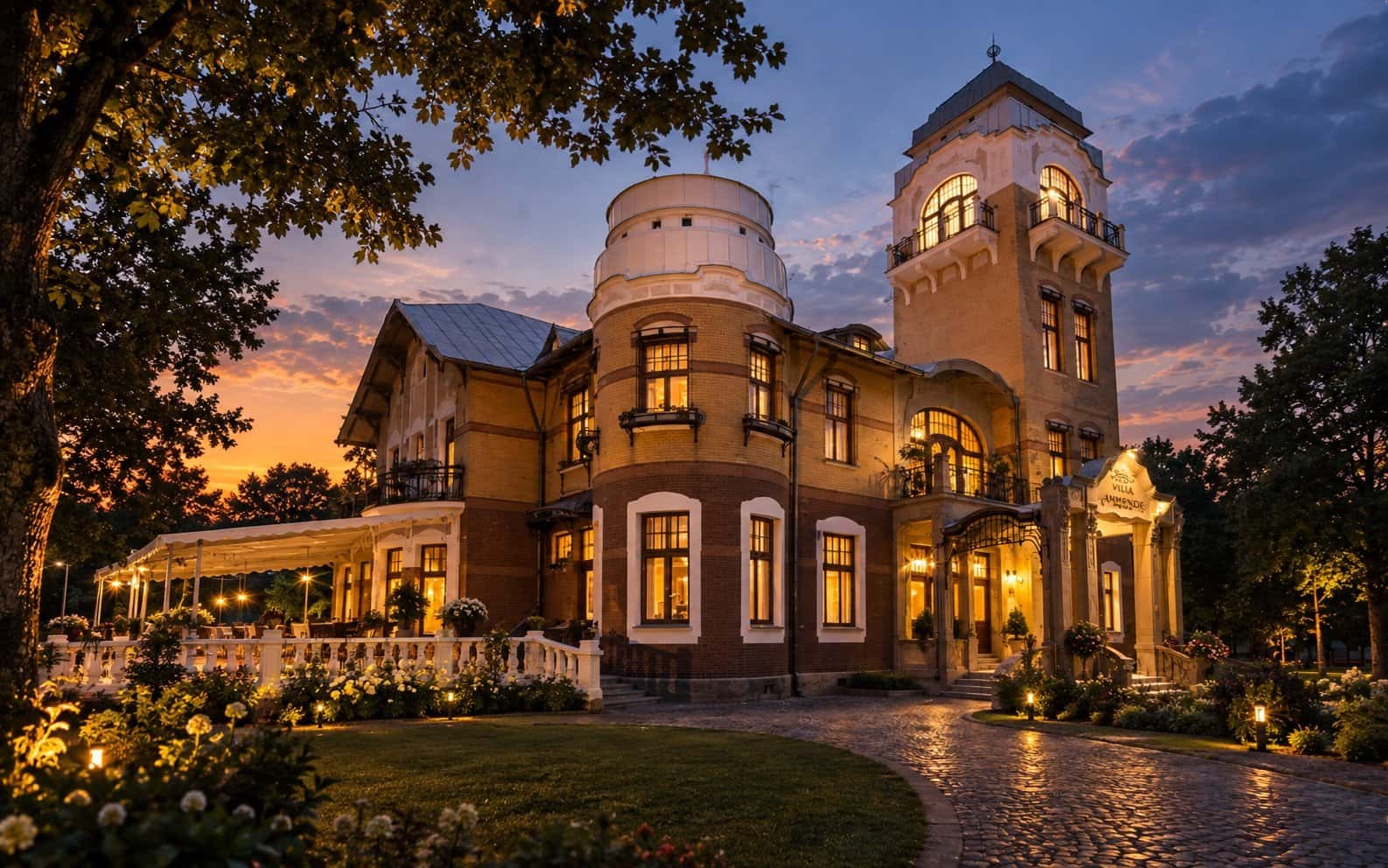
Villa Ammende is one of Pärnu's most expressive architectural landmarks and a prominent example of early Art Nouveau in Estonia. The villa was built in 1905 for the Ammende family, designed by architects F. Mitz and I. Gerasimov from St. Petersburg. The richly decorated facades and interiors were created as a unified representative ensemble typical of a wealthy urban villa of the early 20th century. Following a complex history, the building has been restored and is used today as a historic hotel and restaurant, while the architectural character of the mansion and its decorative details remain an important part of its image. A large garden and its location between the city center and the beach district make the villa a natural stop on an architectural walk through the resort city of Pärnu.

Indicative price: Villa tour — 15 €/person; for hotel guests — 10 €/person. By prior reservation.

Mere pst 7, Pärnu

Read more →
Pärnu Eliisabeti kirik

History & architecture

Pärnu Eliisabeti kirik

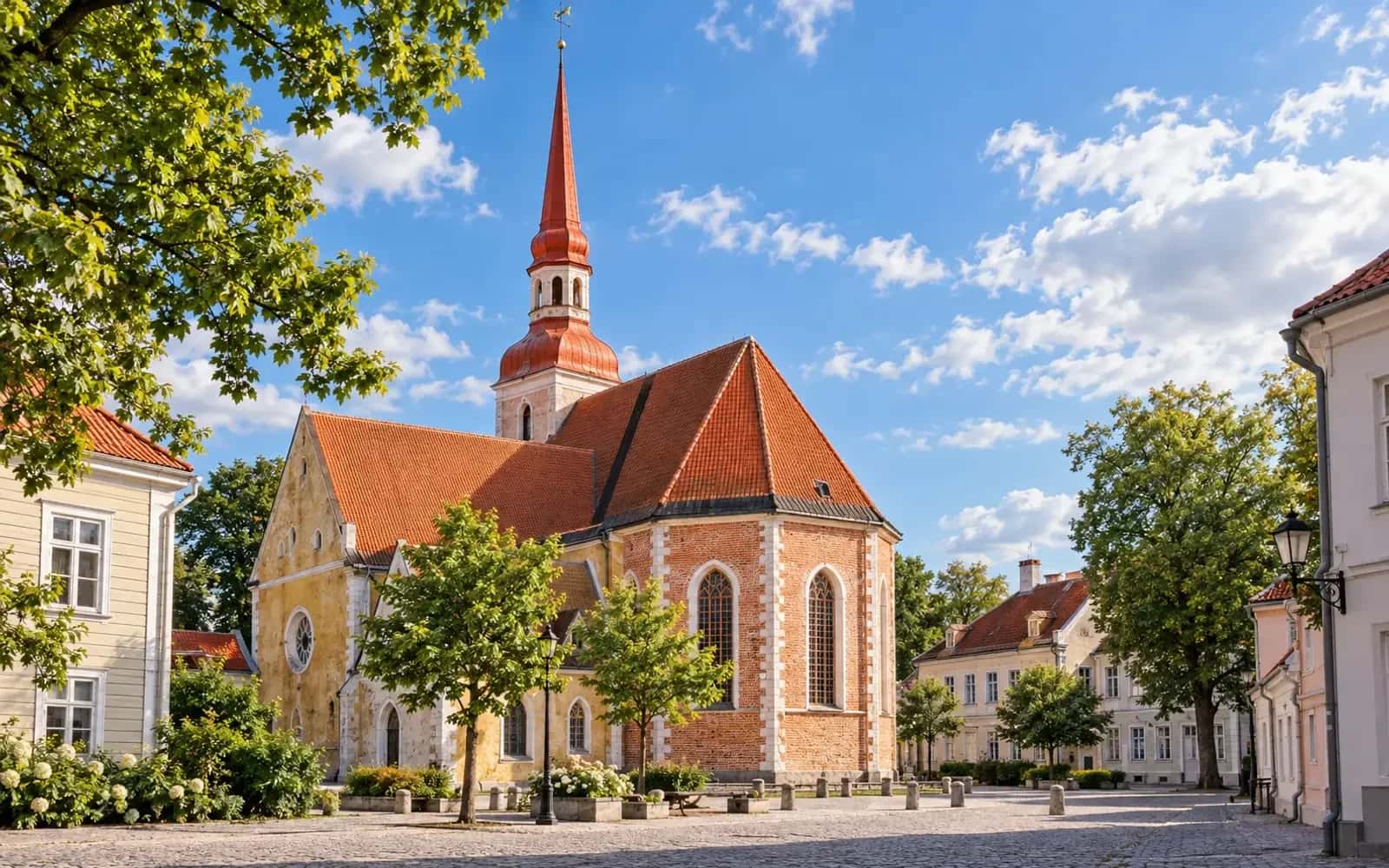
Pärnu Eliisabeti kirik is a historic Lutheran church located on Nikolai Street in the old town center of Pärnu. Consecrated in 1750, the church is considered a notable monument of Baroque church architecture in Estonia. Inside, visitors can see the 19th-century Neo-Gothic altar and pulpit, as well as altarpieces. Organ music plays a special role in the church's life: the church is known for its organ and is used as a concert venue. The name is associated with Empress Elizabeth, with whose support the local Estonian community was able to build its own church. A visit can be easily combined with a walk through the streets of the old town.

Nikolai 22, 80010 Pärnu

Read more →
Lydia Koidula Monument

History & architecture

Lydia Koidula Monument

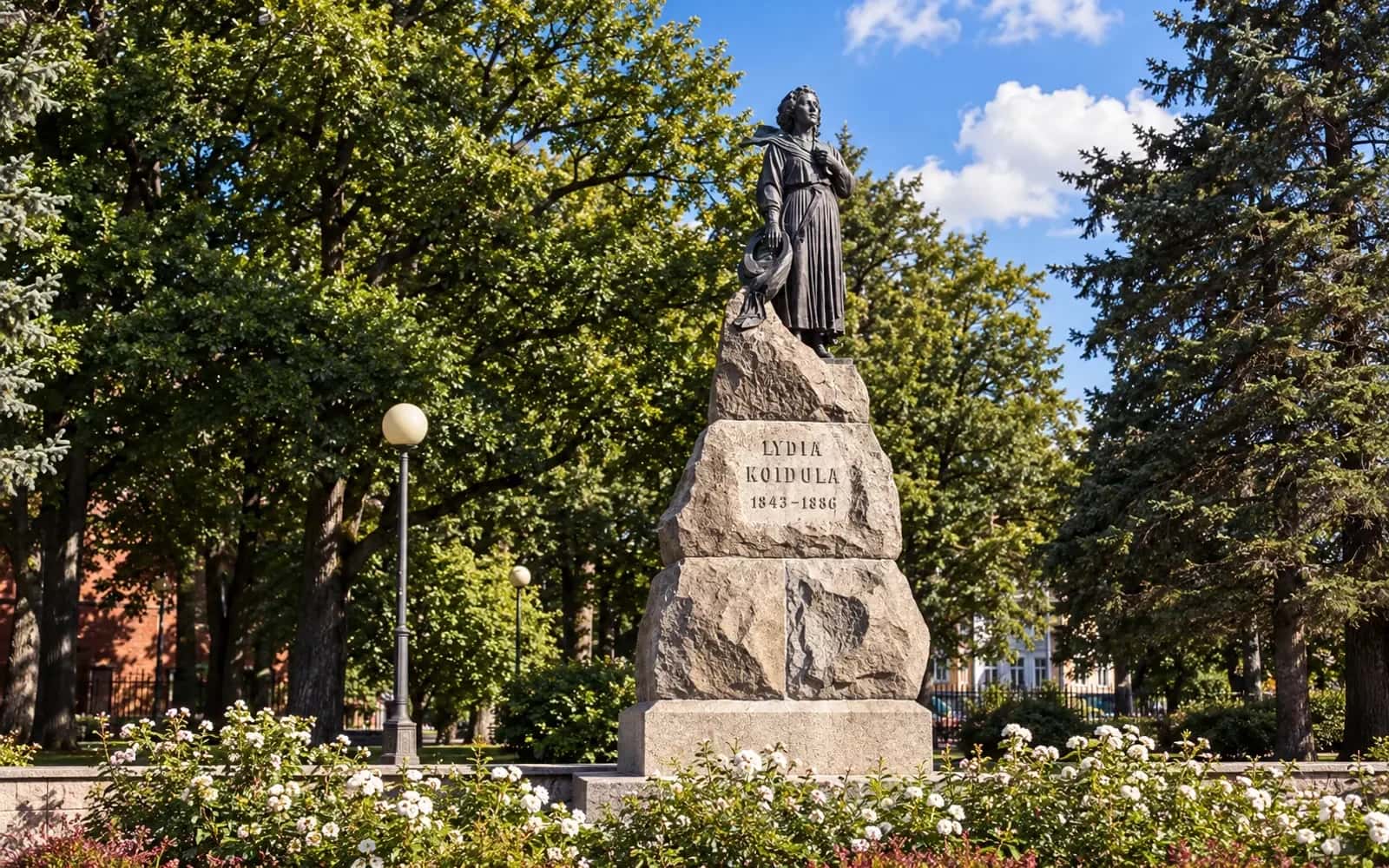
The Lydia Koidula monument stands in central Pärnu in Koidula Park and is dedicated to the well-known poet of the Estonian national awakening. Pärnu was the town of Koidula's youth, and the monument recalls her role in Estonian literature and public life. The sculpture is by Amandus Adamson and was unveiled in 1929. The memorial is surrounded by the park's trees, flower beds and footpaths, which make it a quiet stopping place in the heart of the town. It is a distinctive historical monument that can be viewed while strolling through the park and combined with discovering Pärnu's cultural history.

Koidula park, Pärnu

Read more →
Pärnu Town Hall

History & architecture

Pärnu Town Hall

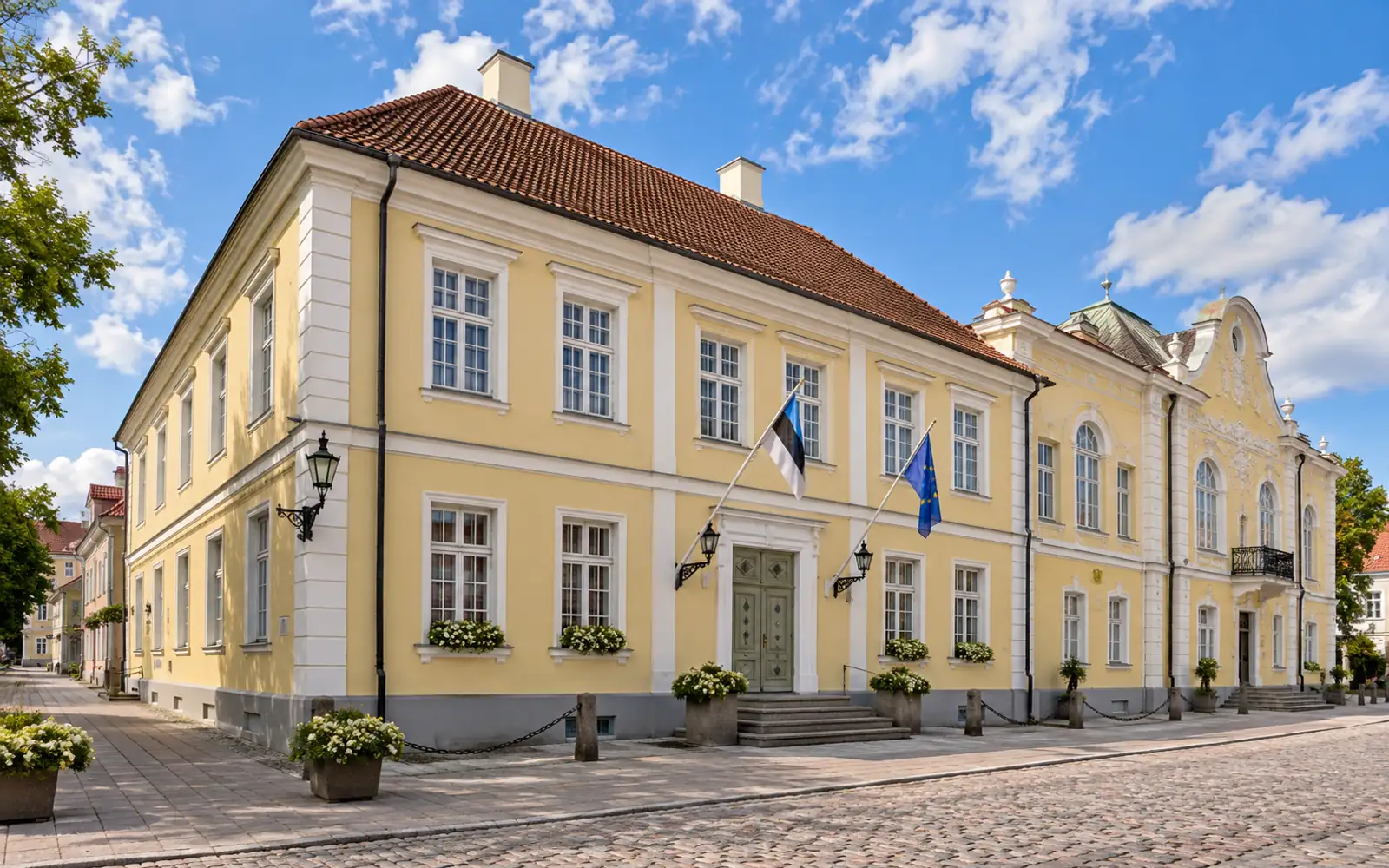
Pärnu Town Hall is a historic building on Uus Street in central Pärnu. Its older part was built in 1797 as the residence of merchant Peter Reinhold Harder, and in 1839 the house began serving as the town hall. In 1804 Emperor Alexander I stayed here while visiting Pärnu. In 1911 a city council building was added to the north side of the town hall, its architecture differing from the older classicist house. The facades of two eras standing side by side make it easy to see how Pärnu's civic government and architecture changed. The exterior can be viewed on a walk through the Old Town; access to the interior depends on what is taking place there.

Uus tn 4, Pärnu

Read more →
St. Nicholas Church Memorial Stone

History & architecture

St. Nicholas Church Memorial Stone

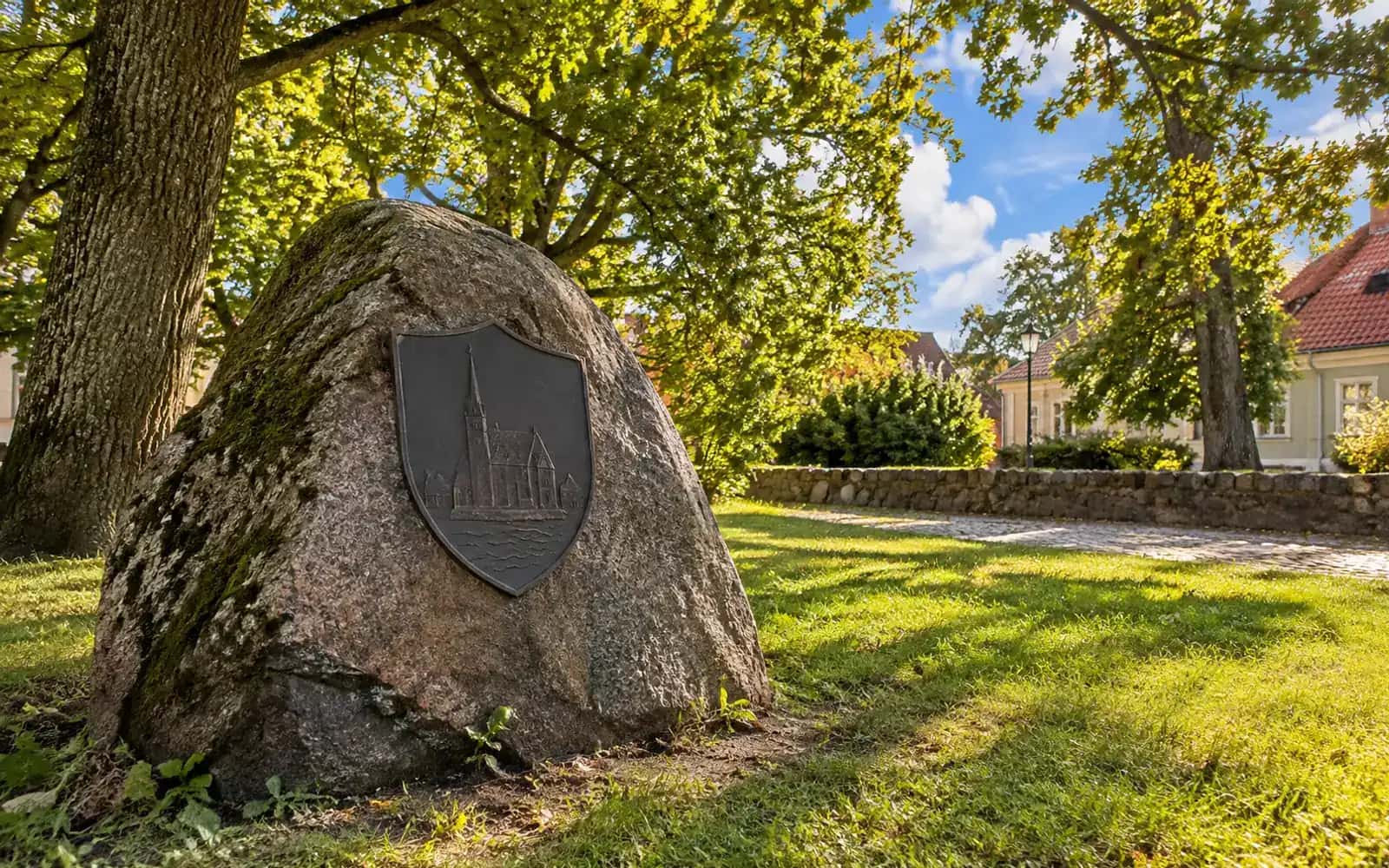
The memorial stone dedicated to St. Nicholas Church stands on Nikolai Street in Pärnu's Old Town, near the site of the former church. For centuries the medieval St. Nicholas Church was one of the town's most important places of worship, but it was badly damaged in the bombing of 1944. The ruins were demolished in 1954, and the historic building can no longer be visited. The church's silhouette depicted on the stone helps visitors picture the lost townscape. Trees from the former churchyard still grow nearby, alongside other Old Town buildings. It is a quiet stop for anyone wanting to understand Pärnu's pre-war architecture and the town's complex history.

Nikolai tn 6, Pärnu

Read more →
Endla Society House Monument

History & architecture

Endla Society House Monument

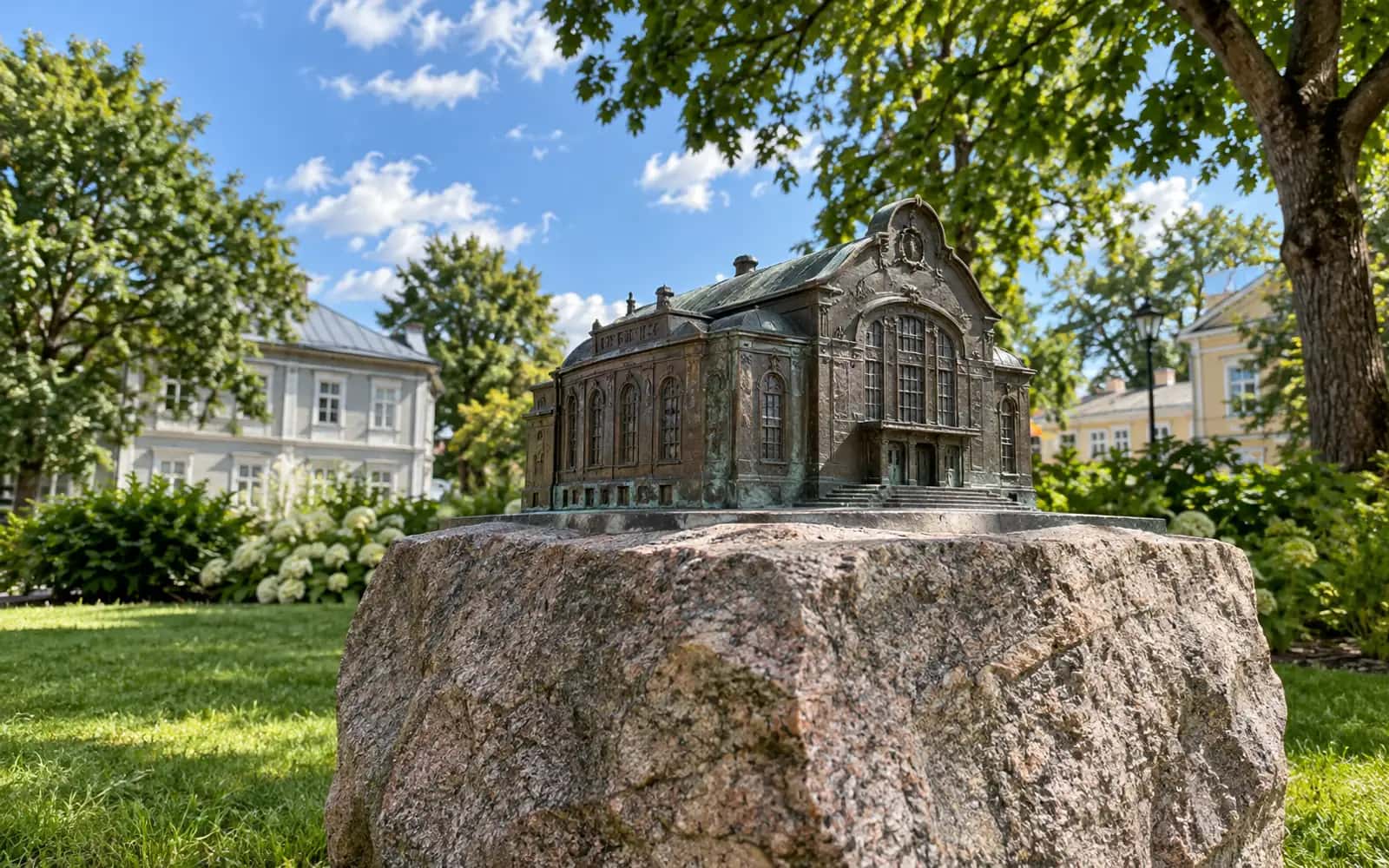
The Endla Society House Monument on Rüütli Street in central Pärnu marks a historic site linked to the proclamation of Estonia's independence. On 23 February 1918 the Estonian Declaration of Independence was read out publicly for the first time from the balcony of the Endla society house that stood here. The Art Nouveau society house was completed in 1911 but has not survived. The granite memorial by sculptor Mati Karmin was unveiled in 1989. The monument recalls Pärnu's role in the birth of the Estonian state and invites comparison between today's streetscape and the historic events. The outdoor memorial makes a good stop on a walk through the town centre.

Rüütli tn 44, Pärnu

Read more →

Showing 9 of 13