CITY GUIDE
Tartu travel guide
Tartu is often called Estonia's intellectual capital, and it's a fair claim. The city built its early wealth as a Hanseatic trading town between the 13th and 16th centuries, but the moment that really shaped it came in 1632, when Sweden's King Gustav II Adolf founded a university here — Academia Gustaviana. It hasn't had an entirely smooth run since (the university even relocated briefly to Pärnu in 1699), but it has operated without interruption since 1802, and its students still give Tartu its restless, curious character today.
History & culture
Why Tartu
Toome Hill carries the ruins of a 13th-century cathedral, which now overlook one of Northern Europe's oldest astronomical observatories still in use — a fitting pairing for a city built on ideas. The university has also given Tartu a real café culture and, unusually for a city outside Tallinn, a genuinely strong restaurant scene.
Tartu is best explored slowly — a climb up Toome Hill, an afternoon in a café full of students mid-argument, a museum built to spark curiosity rather than nostalgia.
Not to miss
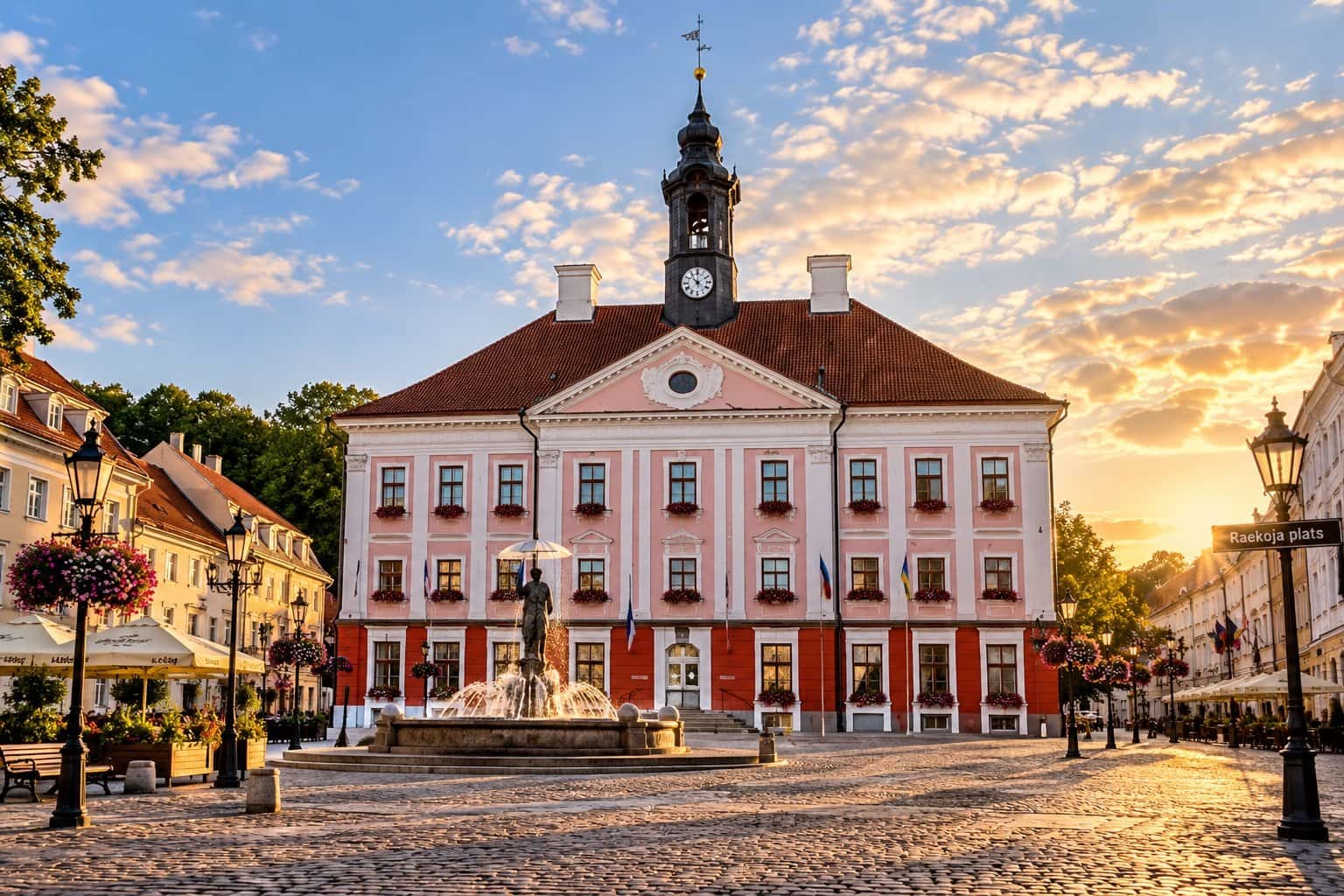
Tartu Town Hall Square
Tartu Town Hall Square is the historic heart of the city and one of the main places to start exploring the Old Town. The square is surrounded by historic buildings, with the 18th-century town hall serving as its architectural centerpiece. In front of the town hall stands the fountain with the "Kissing Students" sculpture, one of the most recognizable symbols of university Tartu. City events take place here, cafe terraces and street music enliven the summer, and in winter the space transforms into a festive Christmas area with an ice rink. Nearby are the Sloping House, Toomemägi hill, and the ruins of Tartu Cathedral.
Raekoja plats 1a, Tartu
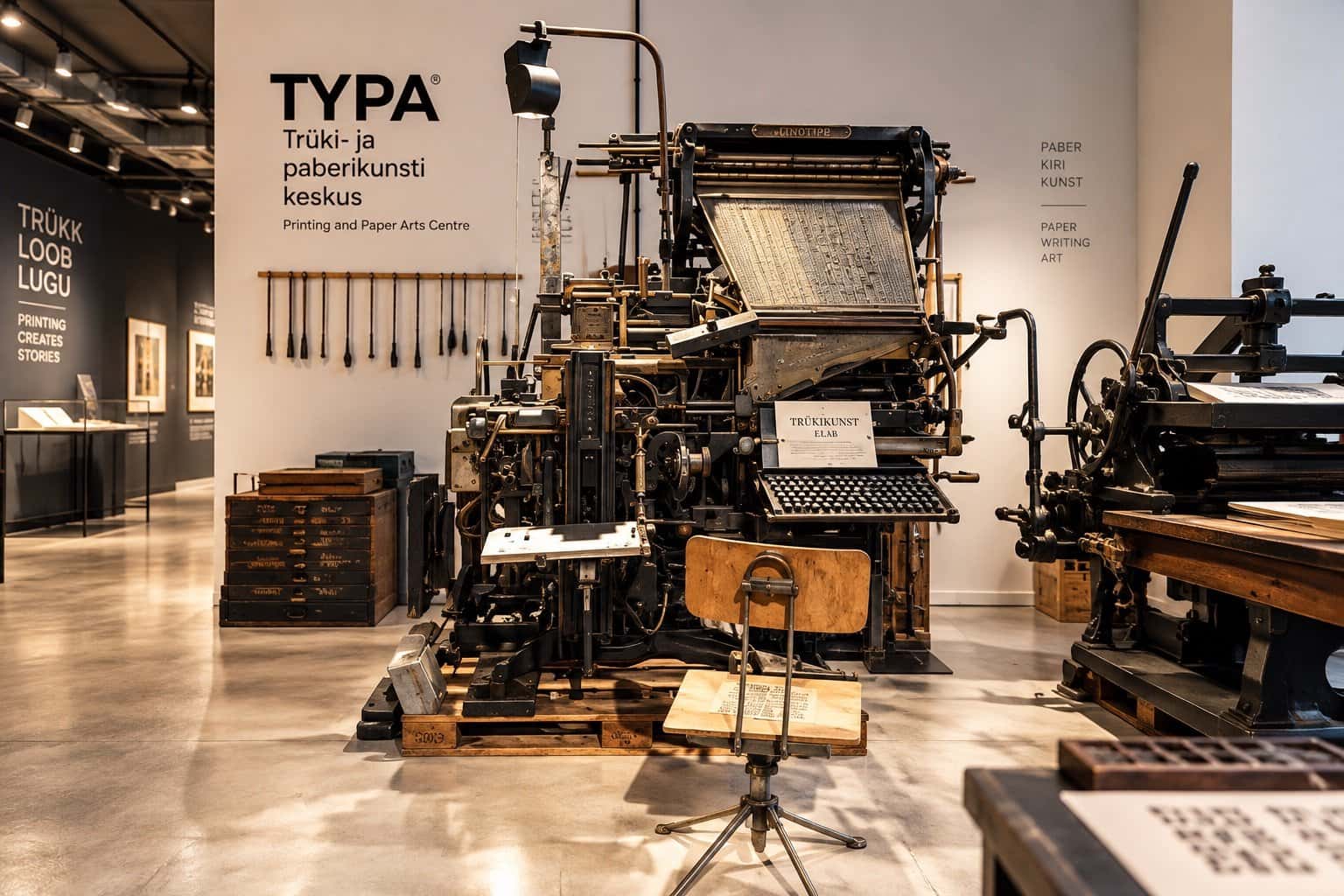
TYPA Printing and Paper Arts Centre
TYPA is an active museum and centre for print and paper arts where historical technologies can be seen in action rather than just behind glass. The collection includes antique printing presses, papermaking equipment, and wooden and metal typefaces. The centre offers guided tours, exhibitions, and hands-on workshops where visitors can experience handmade papermaking and traditional printing methods. TYPA grew from a private museum created to preserve surviving printing machinery, and today combines a museum, a workshop, and a contemporary art space. The centre is located in a former industrial district near the Aparaaditehas creative quarter.
Kastani 48f, Tartu
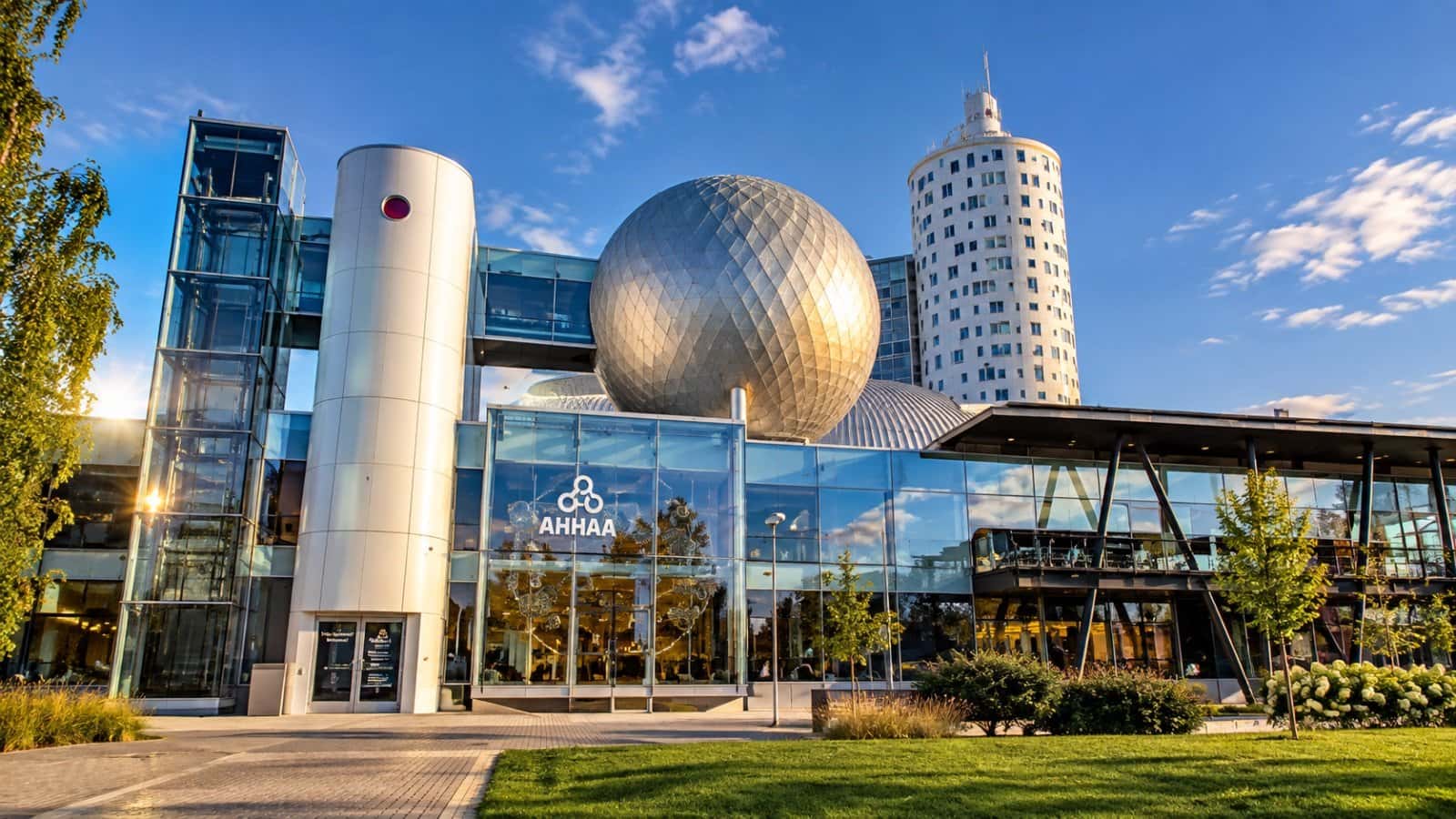
Science Centre AHHAA
AHHAA is the largest science centre in Estonia and one of the most visited attractions in Tartu. Here, science is presented through hands-on experience: interactive exhibits allow visitors to independently explore physics, technology, nature, and the world around us. The centre's programme includes science shows and a planetarium with full-dome shows. AHHAA is particularly well suited for family visits, but the exhibitions are not just for children—many installations are designed to interest visitors of all ages. According to city statistics for 2024, the centre welcomed 258,671 visitors, making it one of the most visited museum and educational attractions in Tartu.
Sadama 1, 51004 Tartu
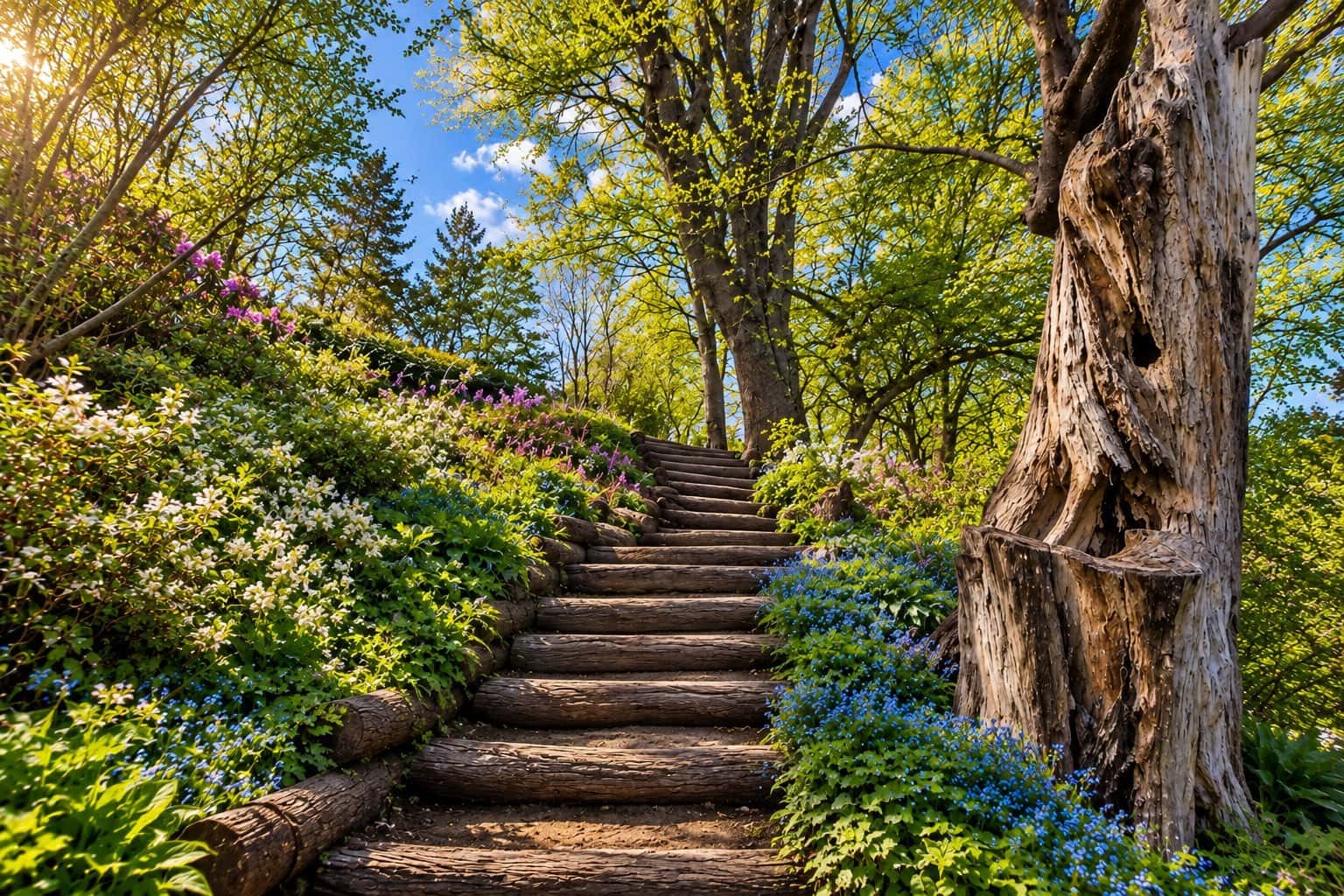
University of Tartu Botanical Garden
The University of Tartu Botanical Garden is a historic garden in the center of Tartu, operating in the same location for over two centuries. The collection includes over 10,000 plant species and varieties. Diverse collections are presented in the open area, while tropical, subtropical, and desert plants can be seen in the greenhouses. The garden combines scientific and educational functions with a peaceful urban walking format; the open area is accessible for free, and visiting the greenhouses requires a ticket. According to city statistics for 2024, the University of Tartu Botanical Garden was visited by about 121,000 people.
Lai 38, 51005 Tartu
Estonian National Museum
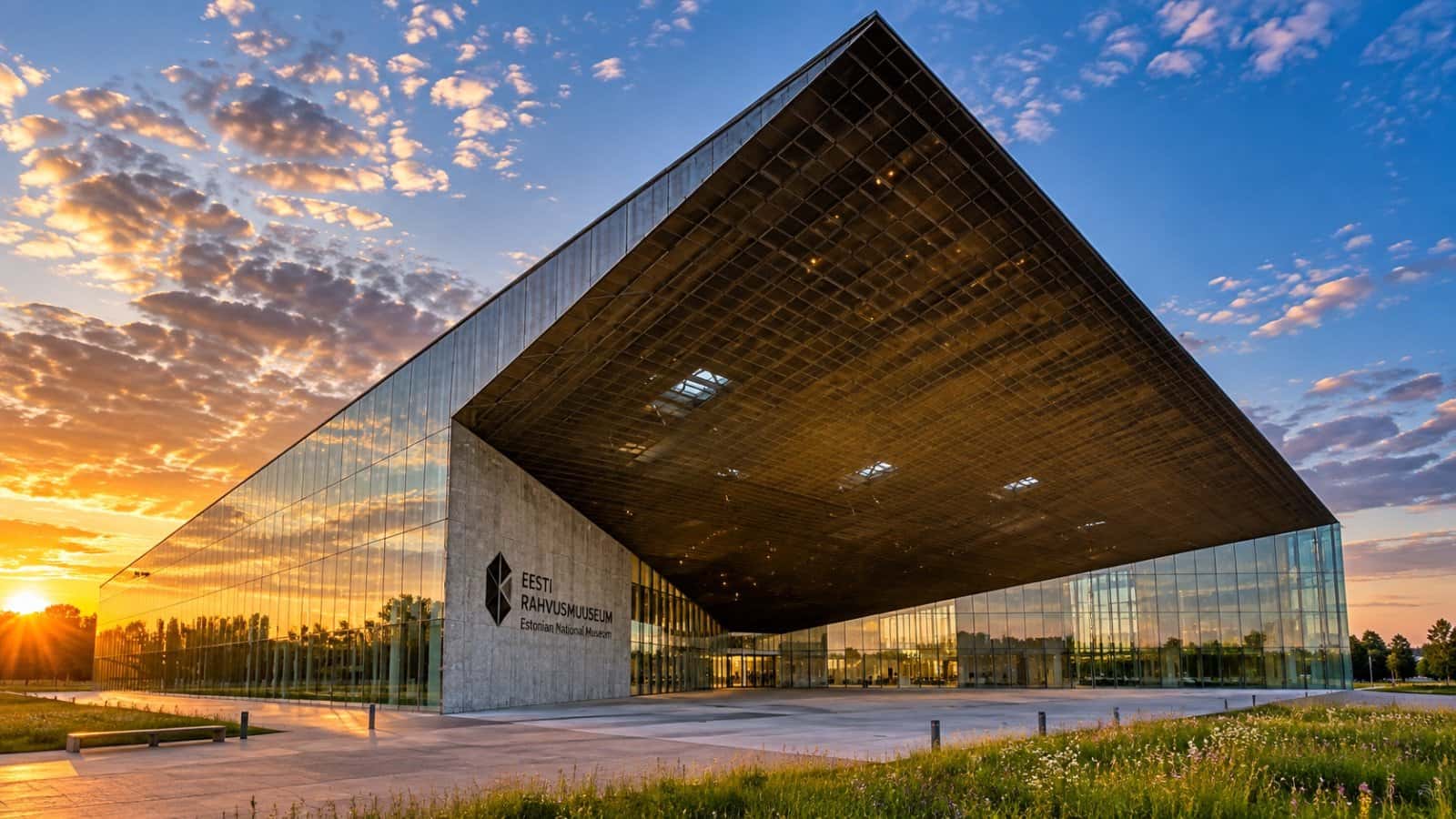
The Estonian National Museum (Eesti Rahva Muuseum, ERM) is the largest museum in Estonia and one of Tartu's main cultural attractions. Its permanent and temporary exhibitions introduce the history, daily life, culture, and heritage of the people of Estonia, while the museum's modern building has itself become a prominent architectural landmark of the Raadi district. Nearby are a sculpture park, the grounds of the former Raadi manor, and a lake. The museum is accessible for visitors with limited mobility. According to Tartu statistics for 2024, ERM was visited by 166,658 people, making it one of the city's most visited museums.
Muuseumi tee 2, 60532 Tartu
Tartu Toy Museum
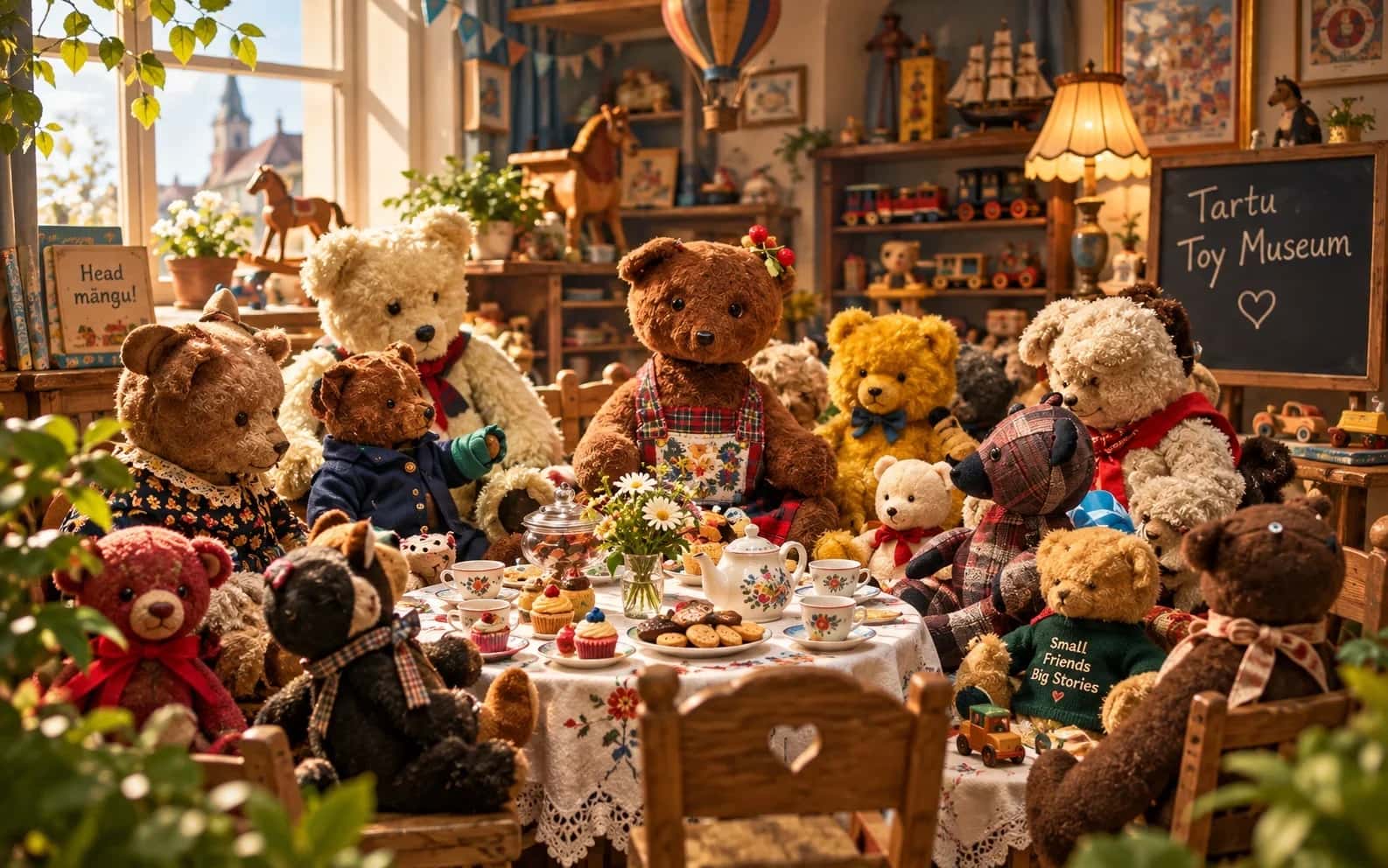
The Tartu Toy Museum is a family museum in the Old Town where the history of toys becomes a journey through different generations of childhood. The collections show toys, dolls and games from different eras, and the exhibitions are arranged so that adults recognise things from their own childhood while children can not only look but also play. A separate playroom makes the museum especially convenient for families with children, although it closes earlier than the main exhibition. Allow about one and a half to two hours to see the museum properly. The historic atmosphere of Lutsu Street and the short walk to the centre make it easy to combine the visit with a stroll through Tartu's Old Town.
Lutsu 8, 51006 Tartu
Estonian Sports and Olympic Museum
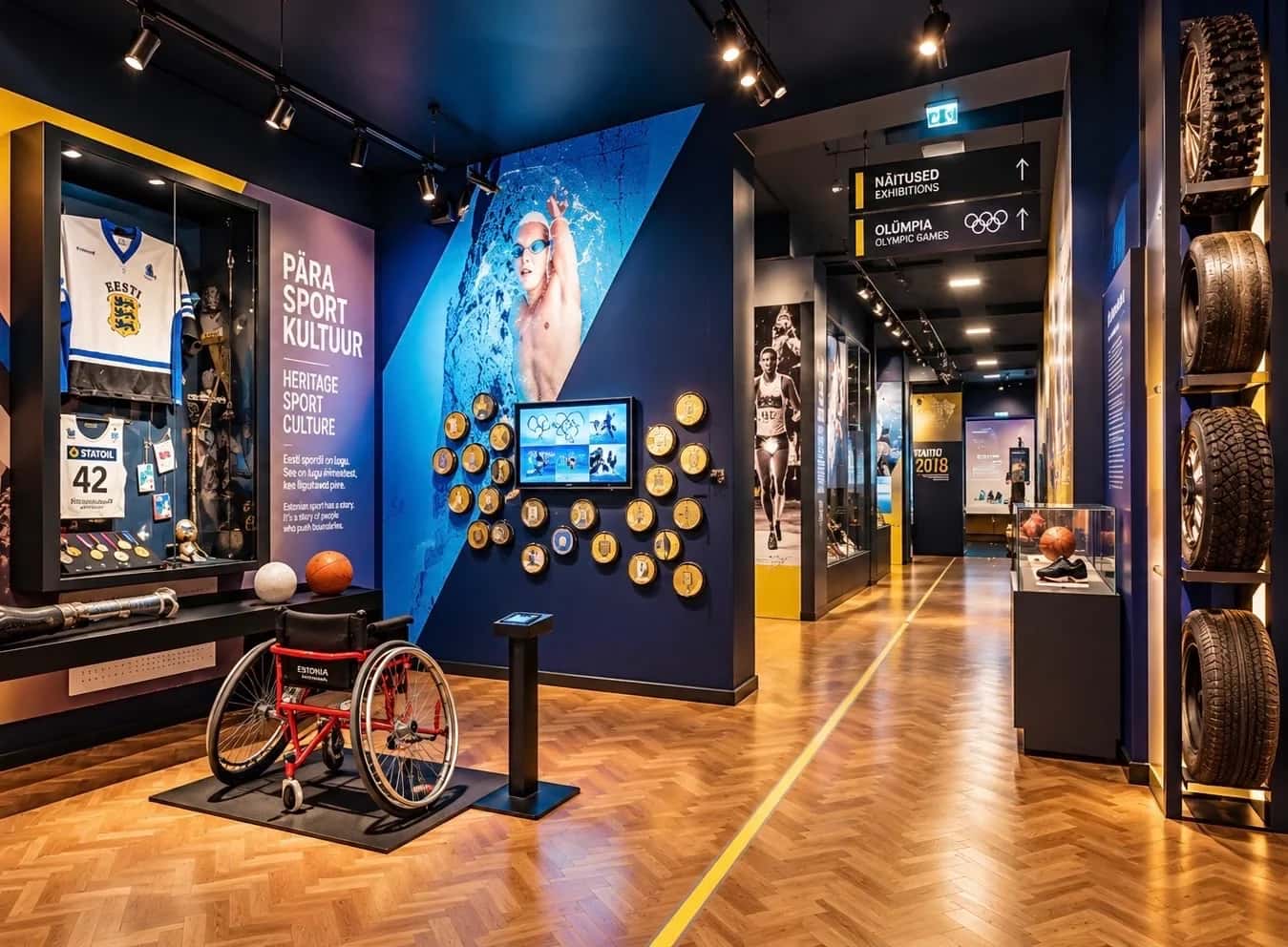
The Estonian Sports and Olympic Museum in the centre of Tartu tells the history of sport through interactive exhibitions, genuine sports relics and hands-on activities. Attention is paid not only to Olympic achievements and famous Estonian athletes, but also to how sport has changed along with society and technology. The modern format makes the museum interesting even for those who do not usually choose sports themes: many elements are designed for active visitor participation rather than just viewing displays. The museum is located on Rüütli street, about a few minutes' walk from Town Hall Square, making it a convenient addition to a tour of central Tartu.
Rüütli 15, 51007 Tartu
University of Tartu Museum and Tartu Cathedral
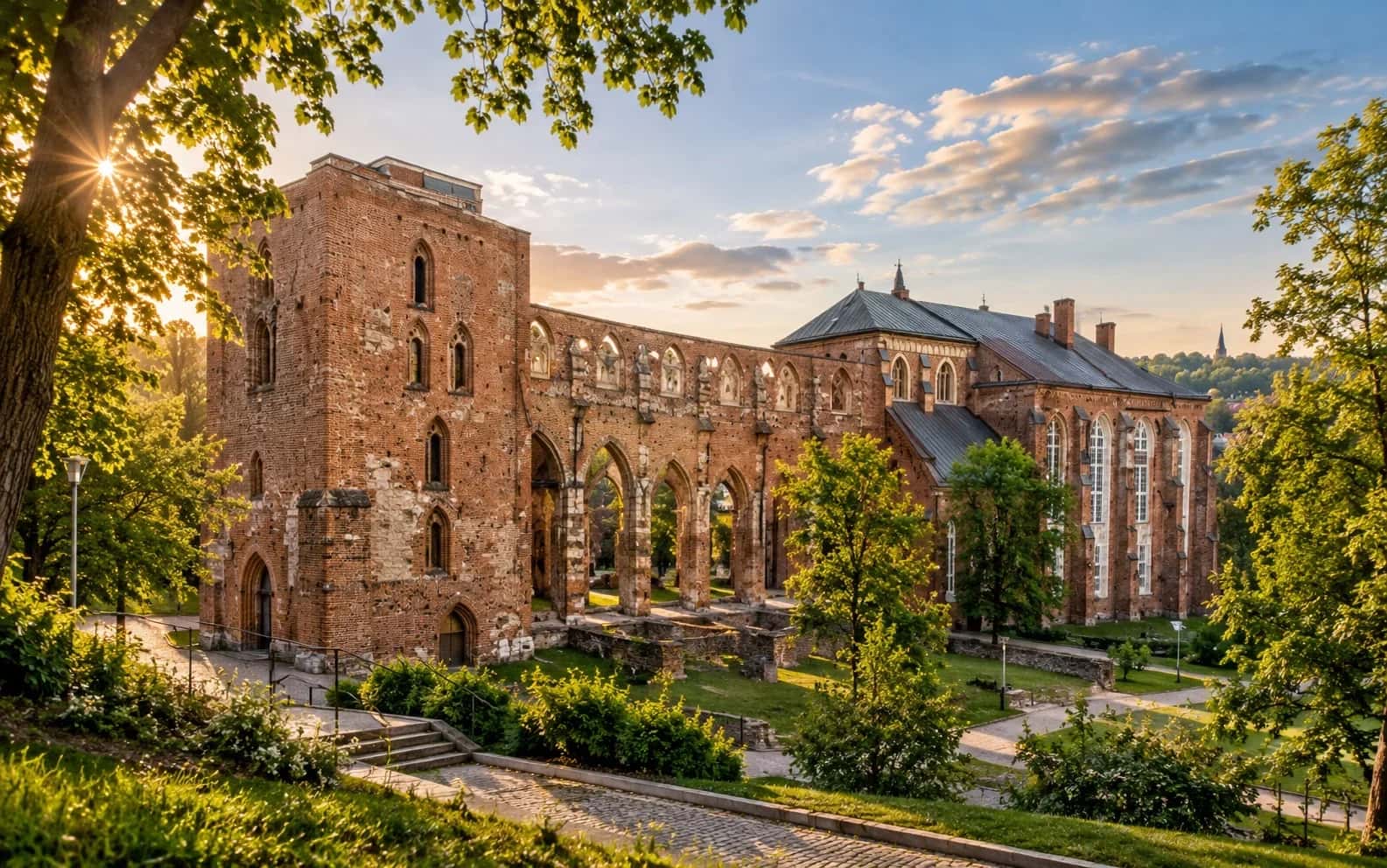
The University of Tartu Museum is located on Toome Hill inside the historic University of Tartu Cathedral, one of the city's most important medieval monuments. The cathedral was built in the 13th–16th centuries, and today its restored choir section serves as a museum dedicated to the history of the university, science, and academic life in Tartu. The exhibitions connect the history of the building with the story of the university and the city; for families, there are interactive spaces, including the Mad Scientist's Laboratory. From May to September, visitors can also access the cathedral towers with viewing platforms and a panorama of downtown Tartu. It is a rare place where medieval ruins, a museum, and a city viewpoint form a single route.
Lossi 25, Tartu
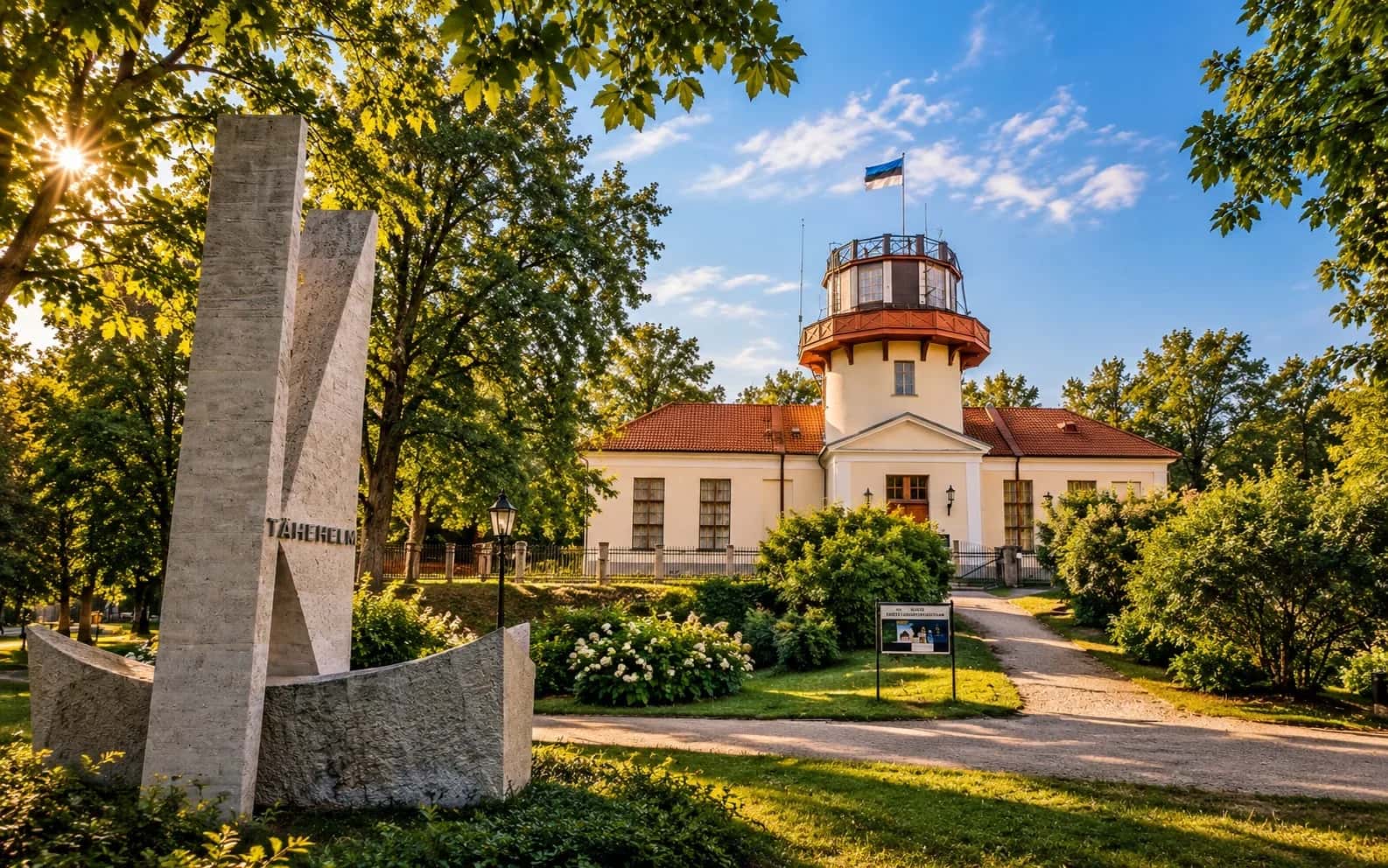
Tartu Old Observatory
The Old Observatory of Tartu is one of the key sites in the city's scientific history and part of the UNESCO World Heritage listed Struve Geodetic Arc. The building on Toomemägi was constructed in the early 19th century and became an important center for astronomy and geodesy. Friedrich Georg Wilhelm Struve worked here, and his research became part of the history of measuring the Earth and stellar distances. Today, the observatory features historical scientific instruments, exhibitions on astronomy, geodesy, and seismology, as well as a tower and balcony offering views of downtown Tartu. There is no elevator in the building, so access to the tower is via a narrow historical staircase.
Uppsala 8, Tartu
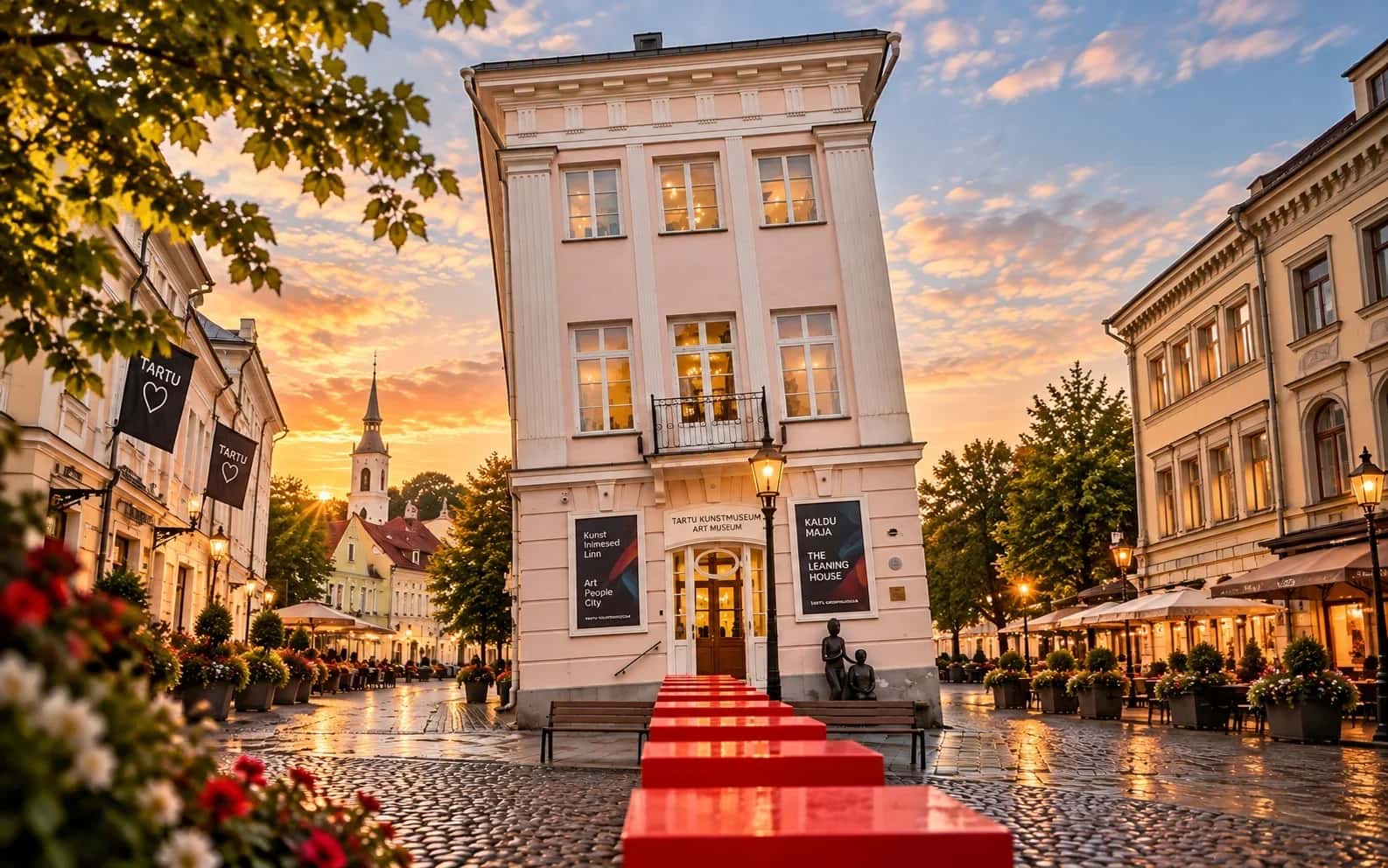
Tartu Art Museum – Leaning House
The Leaning House on Raekoja plats is both one of the most unusual architectural features in central Tartu and an exhibition house of the Tartu Art Museum. The three-storey building was constructed in 1793 on soft soil near the Emajõgi River; over time, one side of the foundation settled, giving the house a noticeable tilt of about 5.8 degrees—more than the Leaning Tower of Pisa. Following restoration, the subsidence was halted. Today, exhibitions of Estonian and contemporary art are held inside, making the venue interesting in two ways: as a recognizable city landmark and as an active art museum. Its location right on Raekoja plats makes it easy to include in a walk through the historical center.
Raekoja plats 18, 51004 Tartu
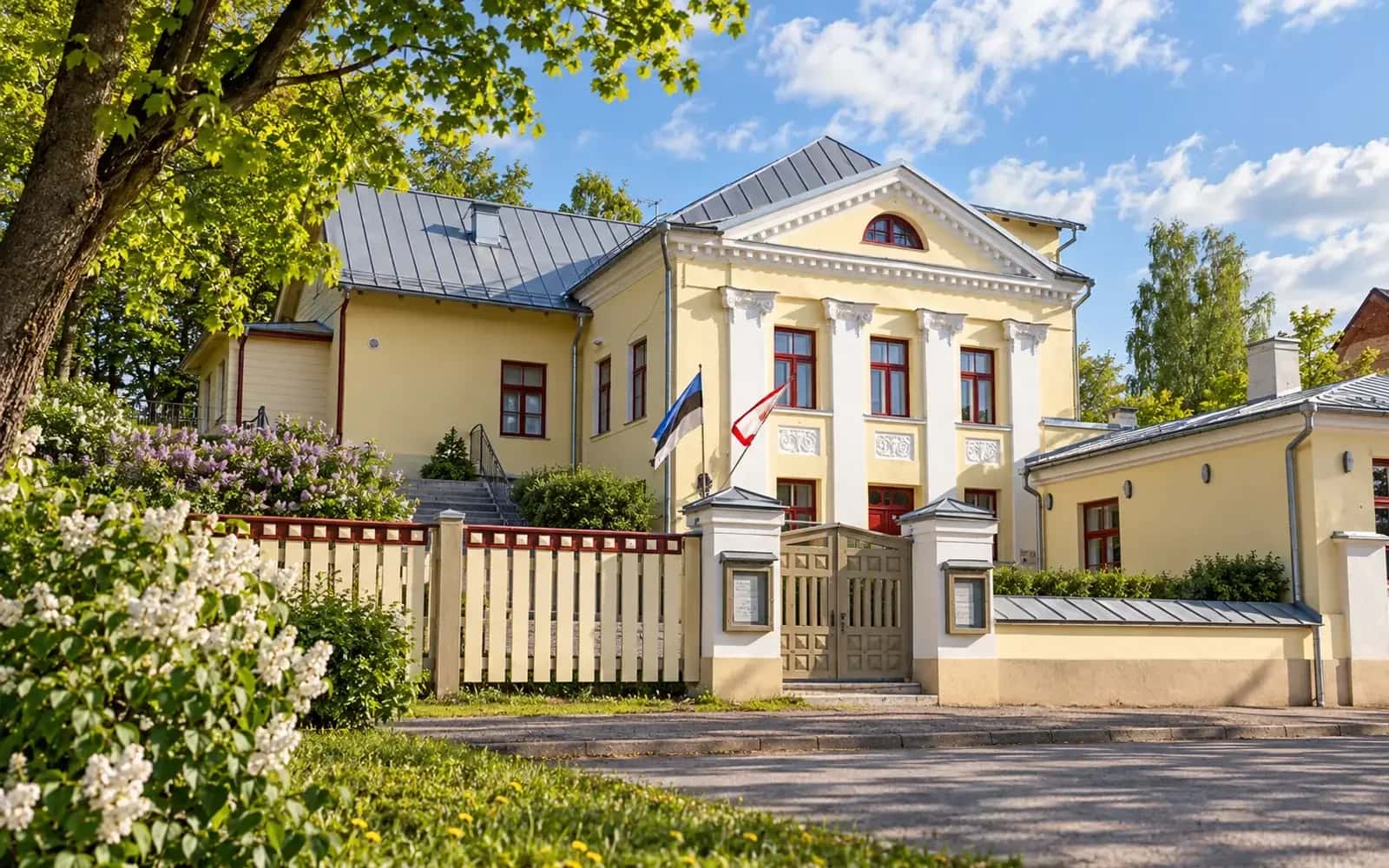
Tartu Song Festival Museum
Laulupeomuuseum is a museum of song and theatre culture located at Jaama 14 in the Ülejõe district of Tartu. It is situated in a historic building associated with the development of Estonian public and cultural life. The exhibitions focus on the tradition of song festivals, joint music-making, and the role of creativity in shaping national identity. The museum hosts temporary exhibitions, educational activities, and intimate cultural events. It offers a glimpse into Estonian history through music, the stage, and the tradition of gathering together for the sake of art.
Jaama 14, Tartu
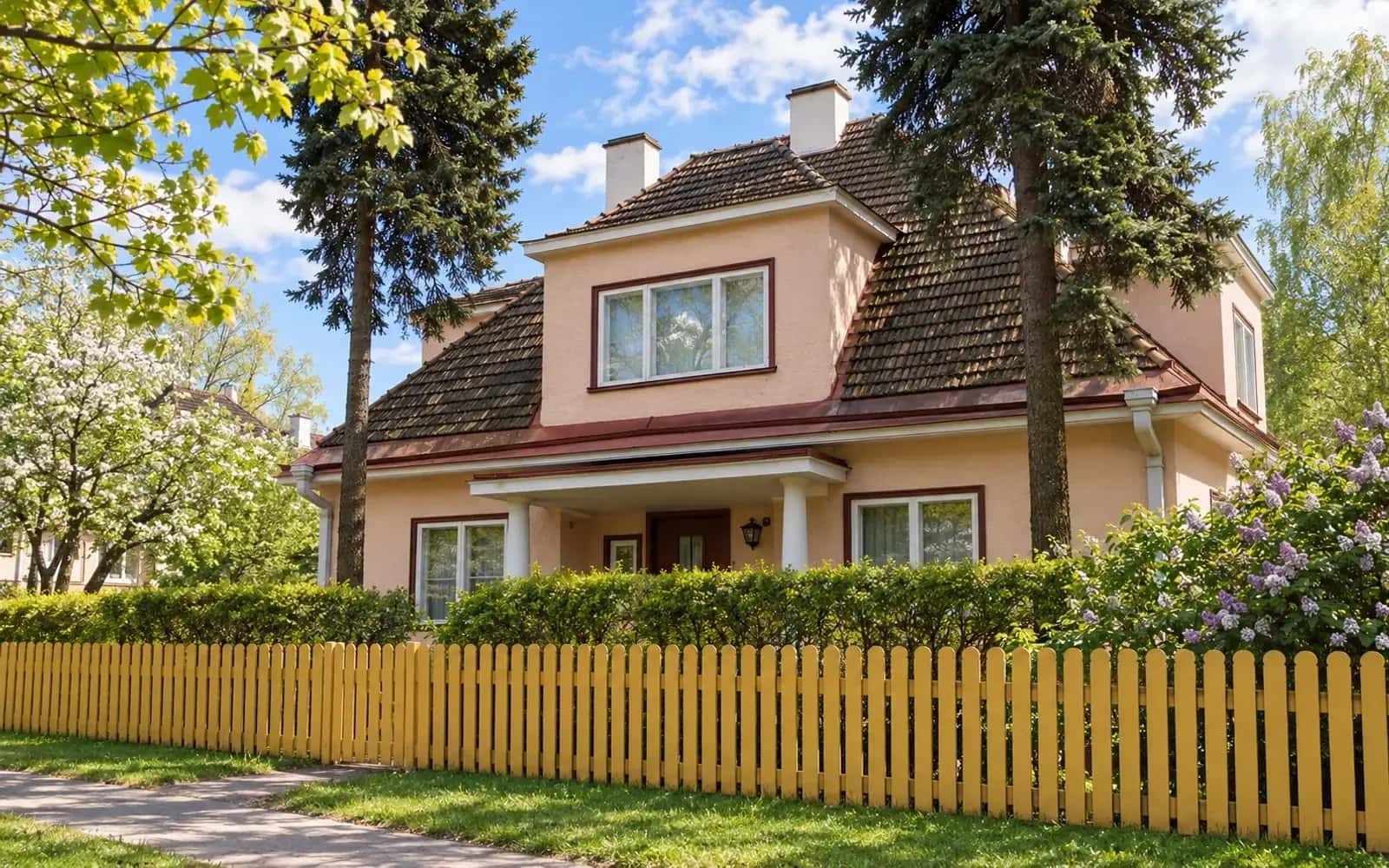
Oskar Luts House Museum
Oskar Lutsu majamuuseum is a memorial house-museum of the writer Oskar Luts located at Riia 38 in Tartu. The author of the famous novel "Spring" spent the last years of his life in this house; the building was constructed for his family in 1936. Visitors can see the study, living rooms and an exhibition dedicated to the work of the writer, whose works became an important part of Estonian literature. The preserved home environment makes the narrative particularly personal: it is easier here to imagine how the author worked and lived. Independent entry is free, while guided tours are organised separately.
Riia 38, Tartu
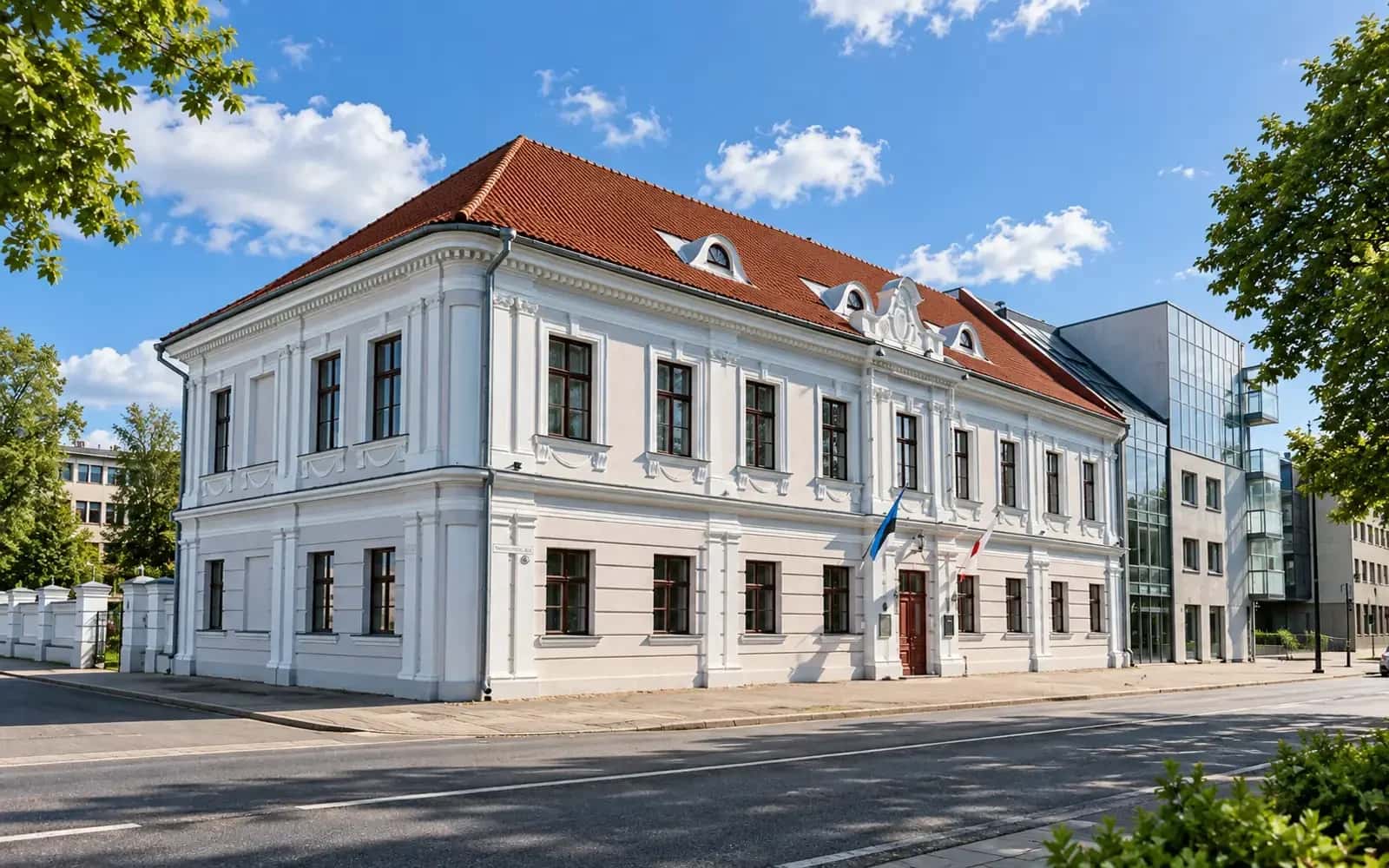
Tartu City Museum
Tartu City Museum is a museum of urban history on Narva mnt in Tartu, near the Emajõgi River. Its exhibitions introduce city life across different eras, from residents' everyday activities and the development of neighbourhoods to the cultural changes that shaped modern Tartu. Historical objects, documents and themed exhibitions in the museum halls help visitors see the city through the lives of its people as well as its familiar buildings. It is a useful starting point for exploring local history before walking through the centre and the Ülejõe district.
Narva mnt 23, Tartu
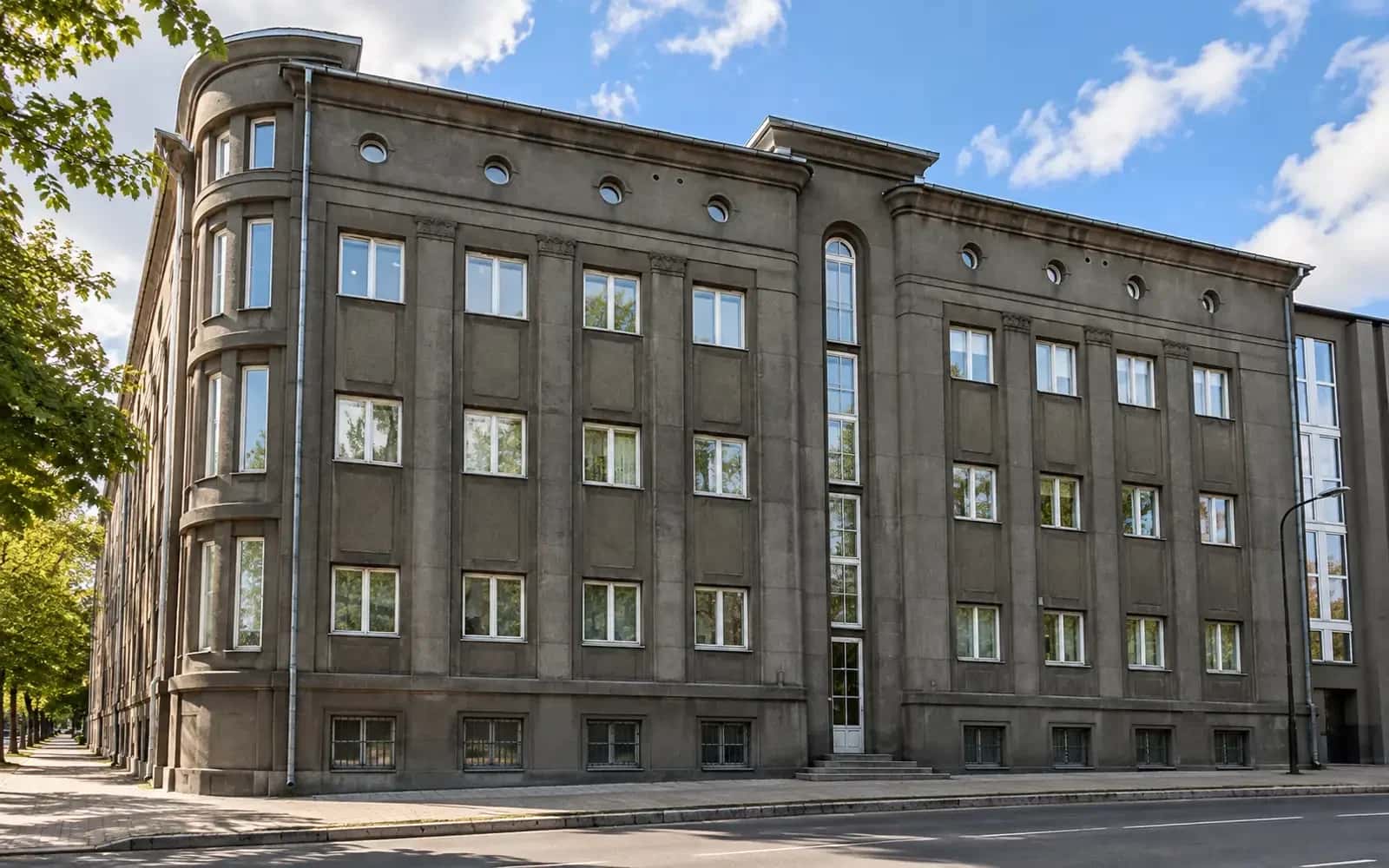
KGB Cells Museum
KGB Kongide Muuseum is a historical museum located in the basement of the building at Riia 15b in central Tartu. It features former pre-trial detention cells used by Soviet security agencies to hold prisoners. The preserved premises and documentary exhibition tell the story of political repression, the fates of prisoners, and resistance to the totalitarian regime in Estonia. Exploring the cells offers a way to understand history through authentic space rather than just photographs and archival materials. The museum's theme is serious and requires a thoughtful visit.
Riia 15b, Tartu
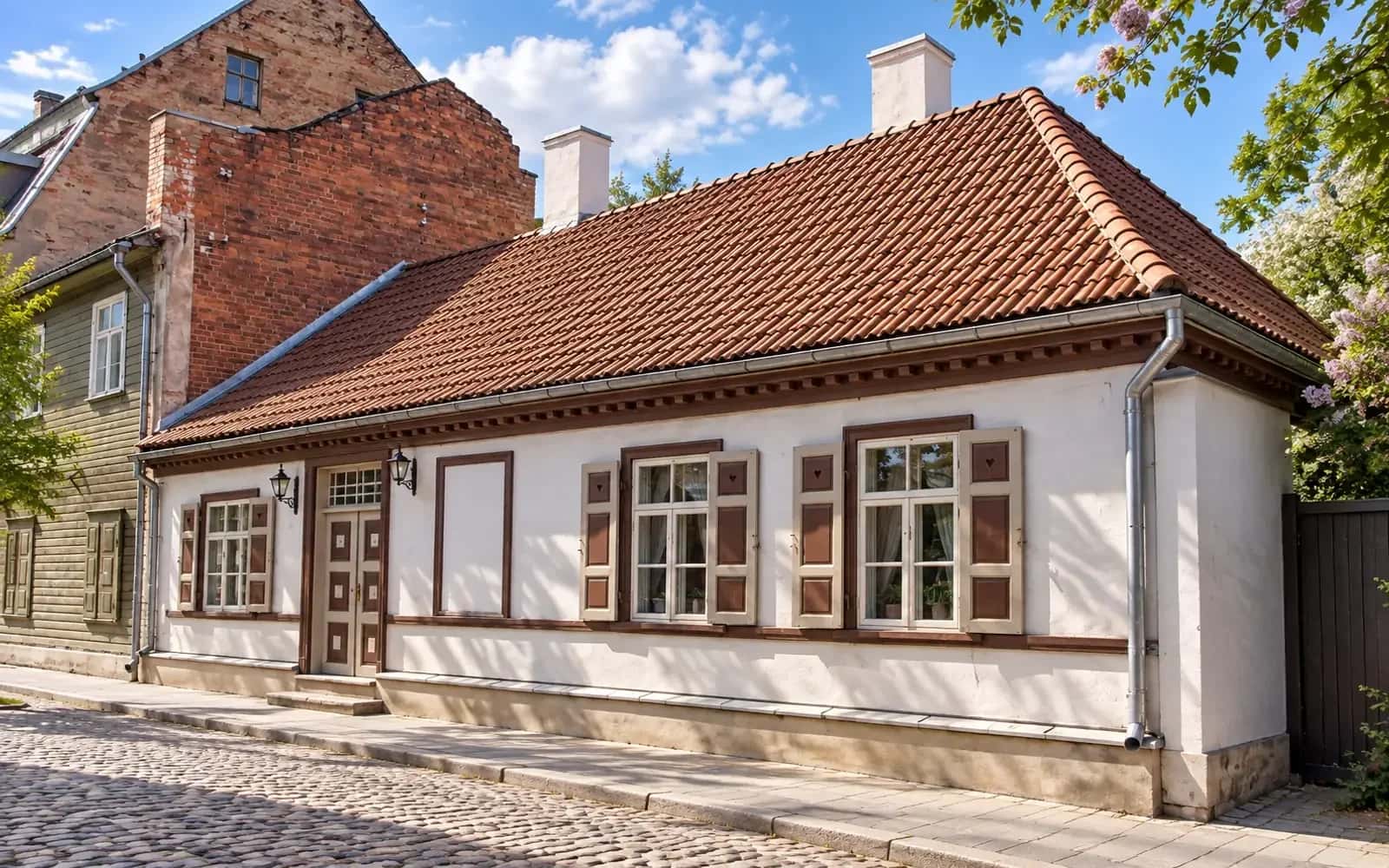
19th-Century Citizen's Home Museum
The 19th-Century Citizen's Home Museum presents urban domestic life at Jaani 16 in Tartu's Old Town. It occupies one of the city's oldest surviving wooden homes and recreates the surroundings of a middle-income family in the 1830s. The rooms are furnished in Biedermeier style, with furniture, kitchen utensils, working and living spaces, and a working historic stove. There is no electric lighting in the interiors, helping visitors experience the atmosphere of the period. A visit complements a walk along the old streets around St John's Church.
Jaani 16, Tartu
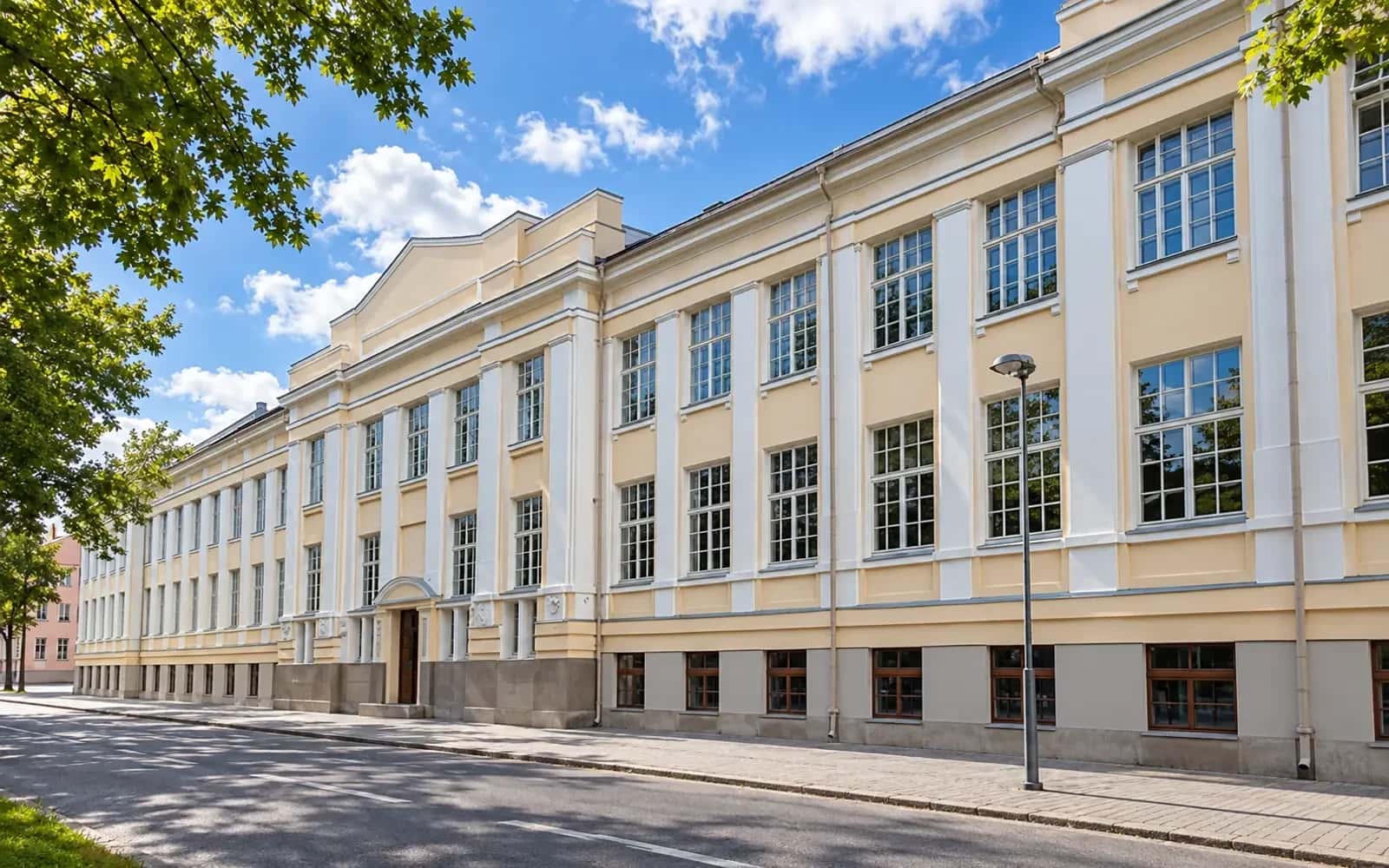
University of Tartu Natural History Museum
The University of Tartu Natural History Museum is a natural science museum in central Tartu on Vanemuise Street. The permanent exhibition of Estonia's oldest museum introduces biodiversity, the history of the Earth, rocks, minerals and the world of animals and plants. Visitors can examine natural specimens and discover how different species and habitats are connected. The museum offers a chance to explore the natural sciences either independently or with a guide. The exhibitions suit visitors of all ages, and the museum also runs educational programmes. It is a separate destination from the University of Tartu Botanical Garden, which is located on Lai Street.
Vanemuise 46, Tartu
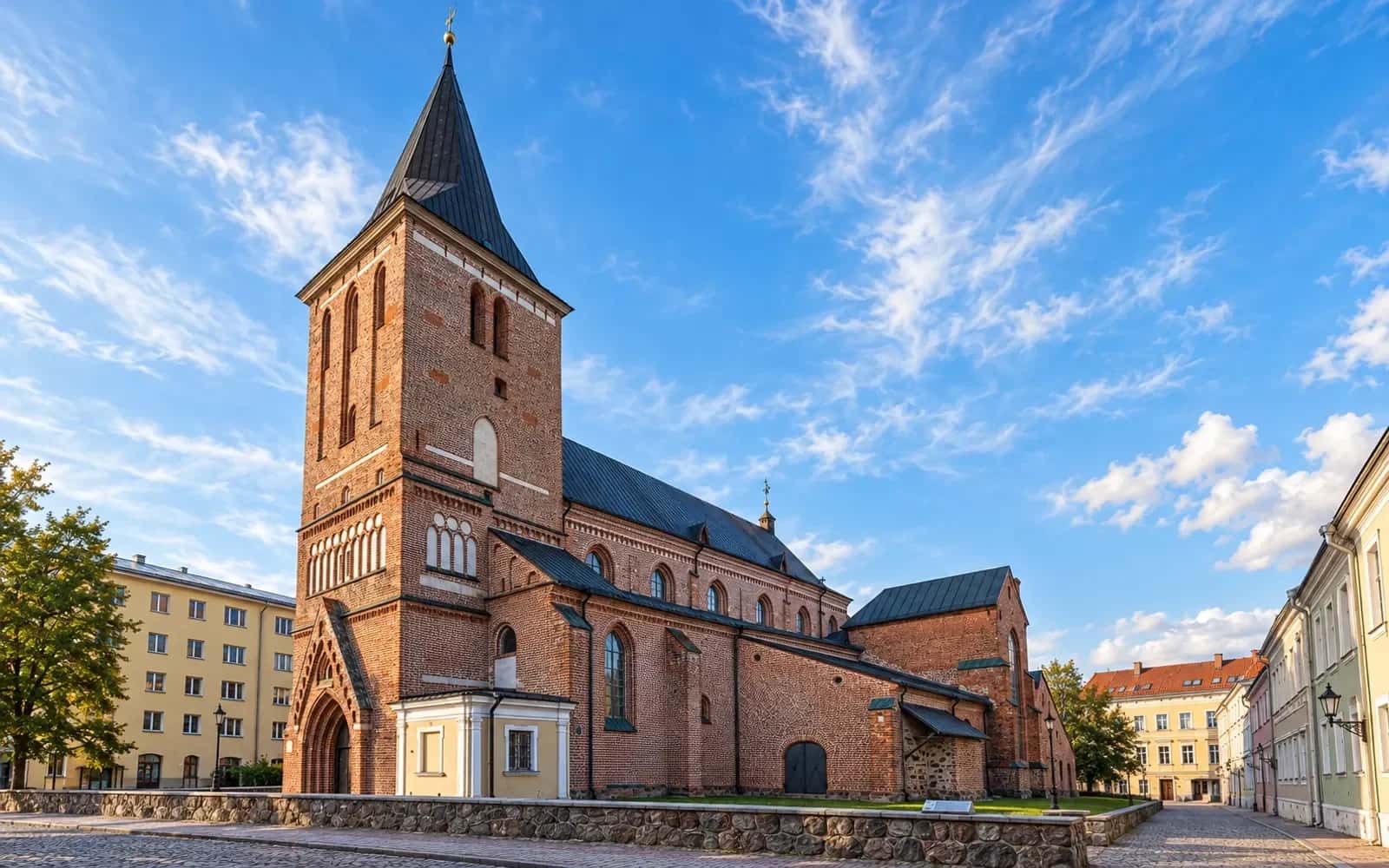
St. John's Church in Tartu
St. John's Church in Tartu is a medieval Gothic place of worship on Jaani Street in Tartu's old town. The church dates from the 14th century and is known for its exceptional terracotta sculptures, which depict human figures and adorn the historic brick architecture. The surviving sculptures give the building a special place in Estonian art history. The church has undergone a thorough restoration and today serves as a venue for both services and concerts. Visitors can see the nave and, at suitable times, climb the tower for a view over Tartu's old town. The church is one of the town's most characteristic medieval buildings.
Jaani tn 5, Tartu
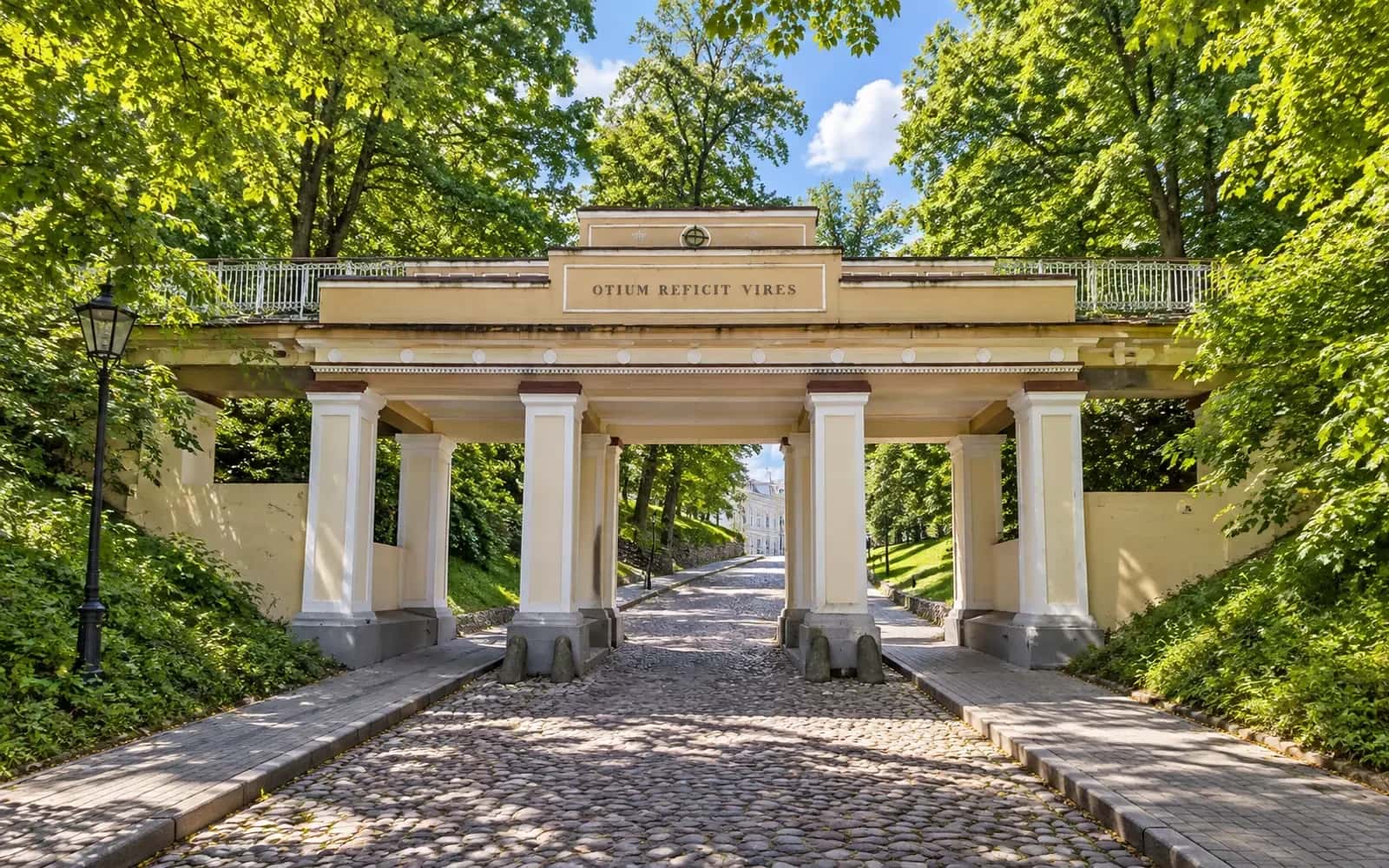
Angel's Bridge in Tartu
Angel's Bridge in Tartu is a historic footbridge on Toome Hill that connects sections of Lossi Street lying at different heights. The bridge is decorated with a bas-relief of Georg Friedrich Parrot, the first rector of the University of Tartu, and the Latin inscription "Otium reficit vires", meaning "rest restores strength". Angel's Bridge is among Tartu's best-known architectural monuments and an important part of Toome Hill's historic park landscape. The bridge and its surroundings offer views of green slopes and footpaths. The very different-looking Devil's Bridge is nearby. It can be seen on an everyday walk.
Lossi tänav T9, Tartu
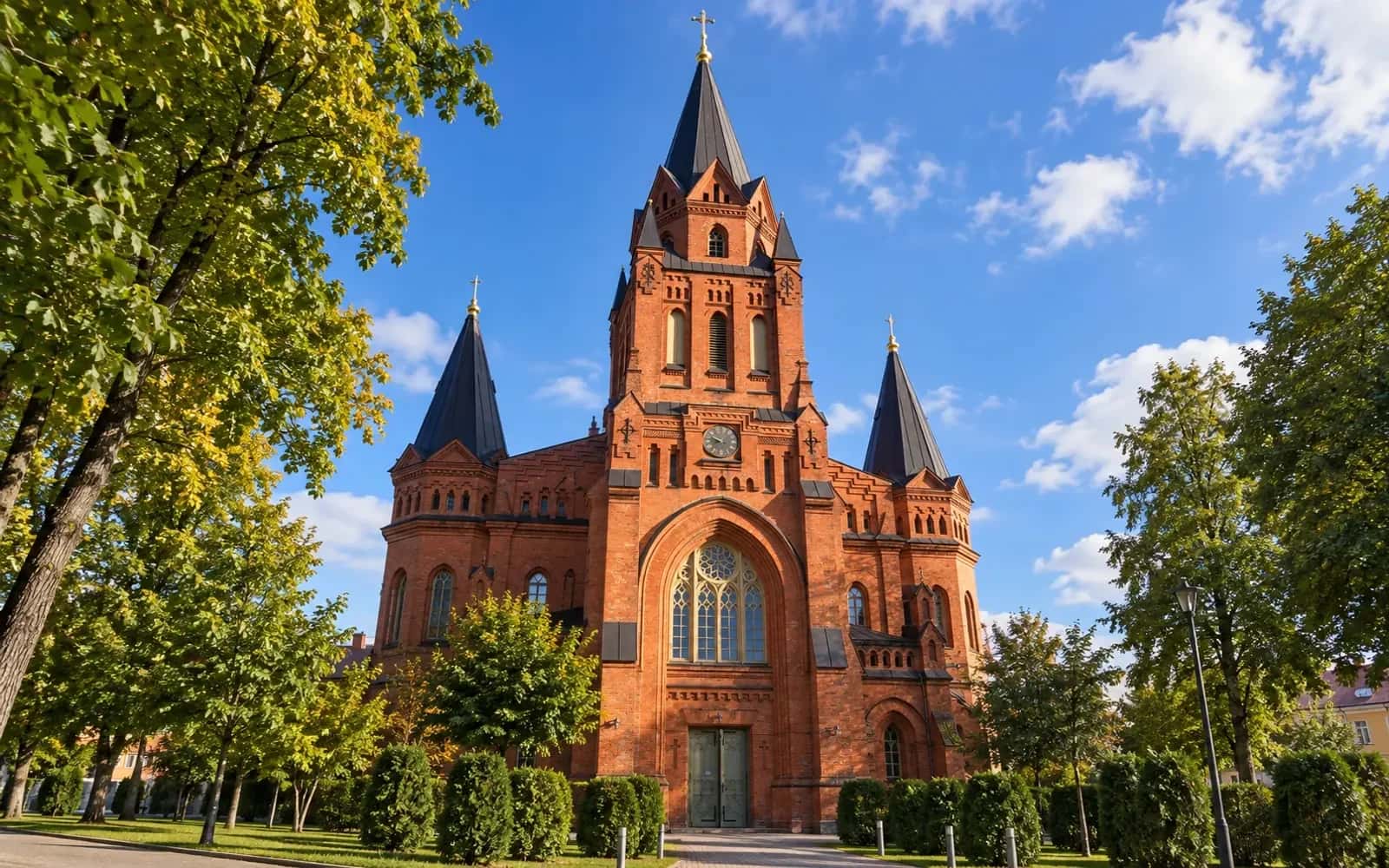
St. Peter's Church in Tartu
St. Peter's Church in Tartu is a neo-Gothic Lutheran church built at the end of the 19th century on Narva maantee in Tartu's Ülejõe district. Designed by the architect Viktor Schröter, the red-brick building stands out with its tall tower, pointed-arch windows and spacious nave. Inside, the wooden galleries, the historic organ and Johann Köler's altarpiece "Christ Calling" deserve attention. The church was built for a growing Estonian-speaking congregation and is today an important part of Tartu's religious and architectural heritage. The exterior can be viewed from Narva maantee; when visiting the interior, keep the congregation's activities and services in mind.
Narva mnt 104, Tartu
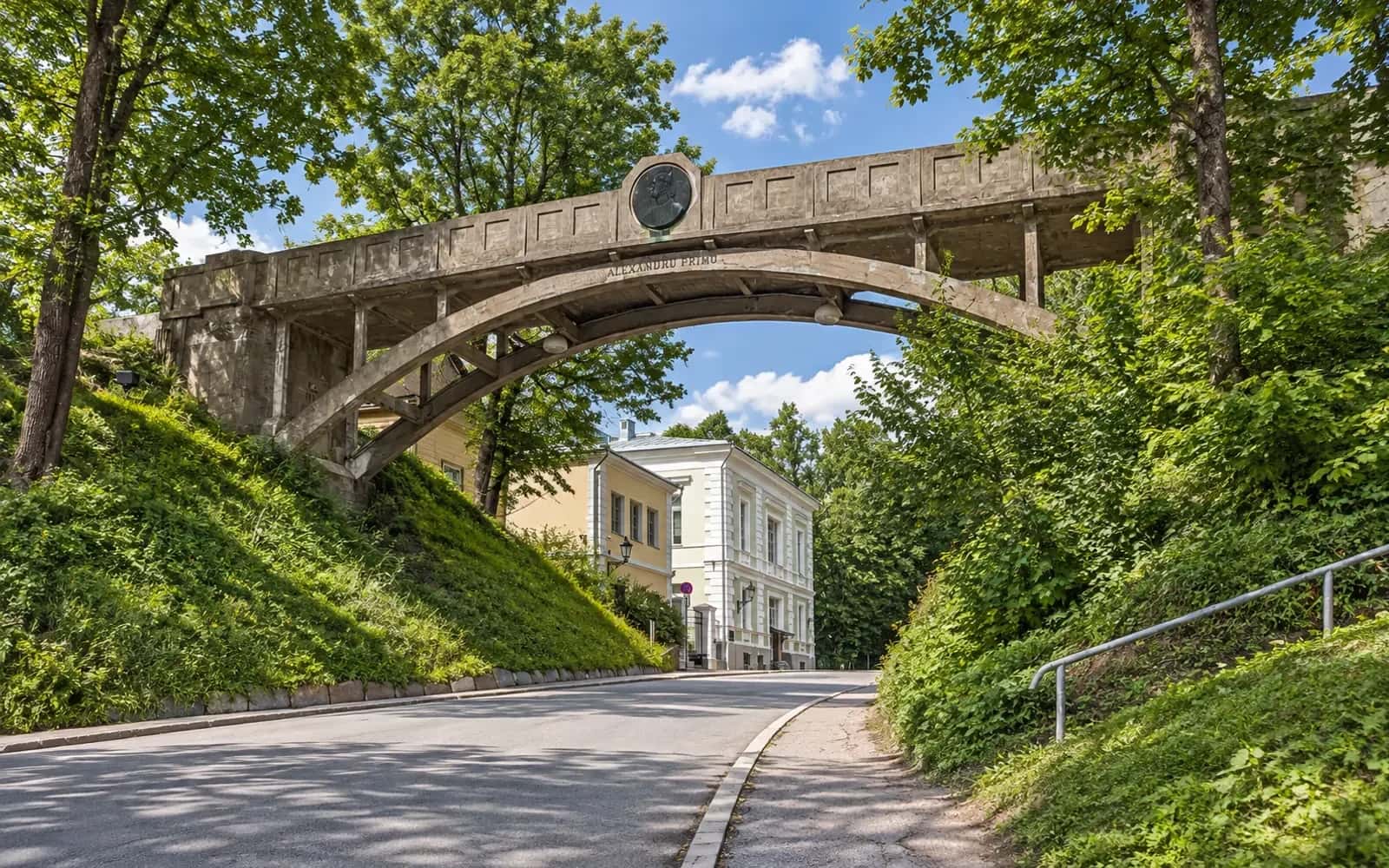
Devil's Bridge in Tartu
Devil's Bridge in Tartu is a historic concrete bridge on Lossi Street on Toome Hill, completed in 1913 to mark the 300th anniversary of the Romanov dynasty. The bridge is decorated with a bronze relief of Emperor Alexander I bearing the inscription "Alexandro Primo". Devil's Bridge is one of the few early 20th-century concrete bridges surviving in Estonia, and together with the nearby Angel's Bridge it forms a distinctive architectural pair. The darker-looking bridge fits in among Toome Hill's tall trees and historic buildings. It can be viewed both while walking across it and from below, where the bridge's structure and the surrounding landscape stand out especially well.
Lossi tänav T19, Tartu
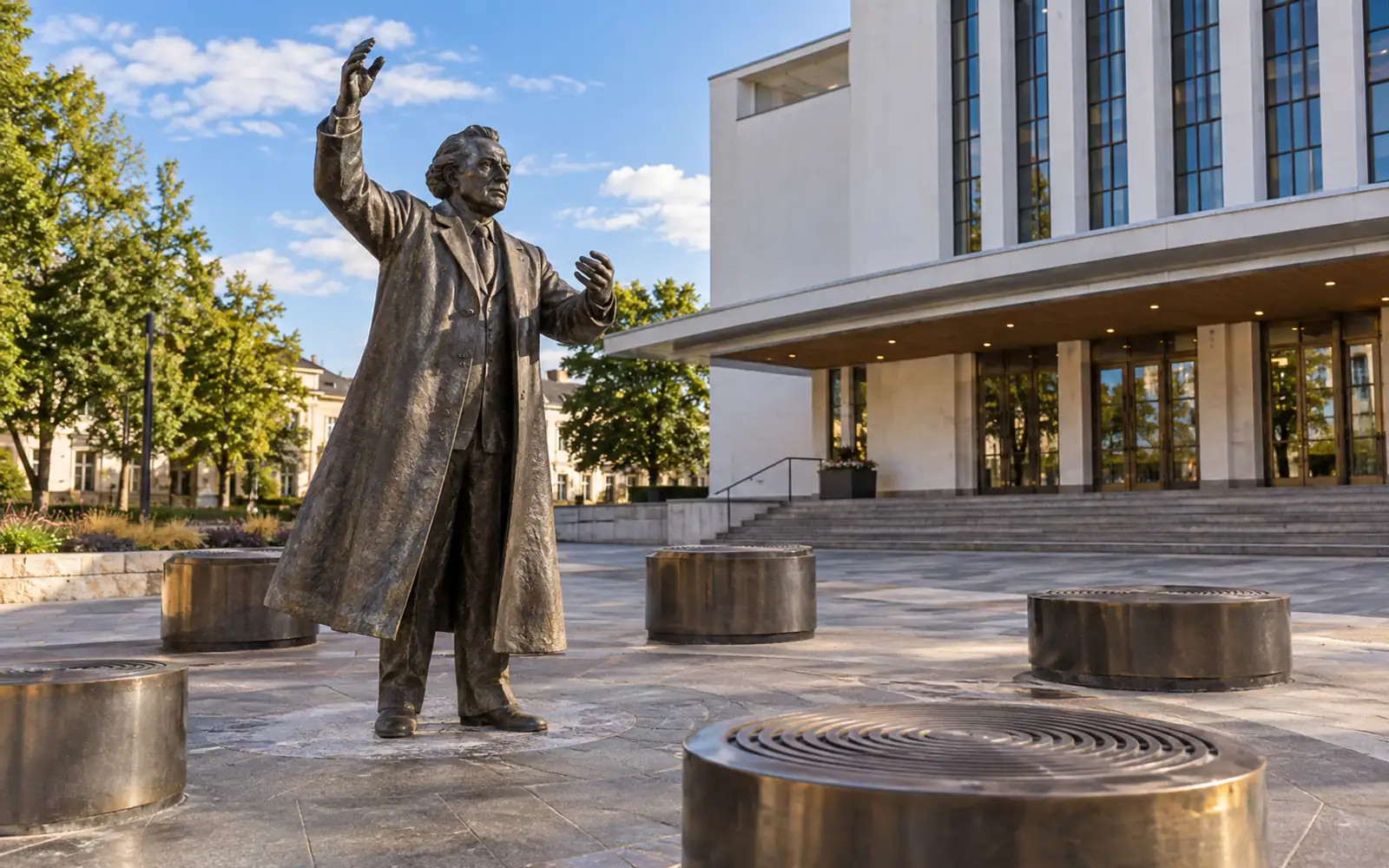
Eduard Tubin Monument
The Eduard Tubin Monument stands next to the Vanemuine Theatre in Tartu and is dedicated to the Estonian composer and conductor. The bronze figure shows Tubin conducting an orchestra and is accompanied by a music-inspired sound installation. The sculpture was created by Aivar Vahtrapuu and Villu Valk, and the sound design is by Louis Dandrel. The memorial brings together public art and music history and offers a distinctive stop near the theatre. Tubin's work is an important part of 20th-century Estonian music. The monument can be viewed in the cityscape without attending a performance, and it is a separate artwork from the Vanemuine theatre building.
Vanemuise tn 6, Tartu
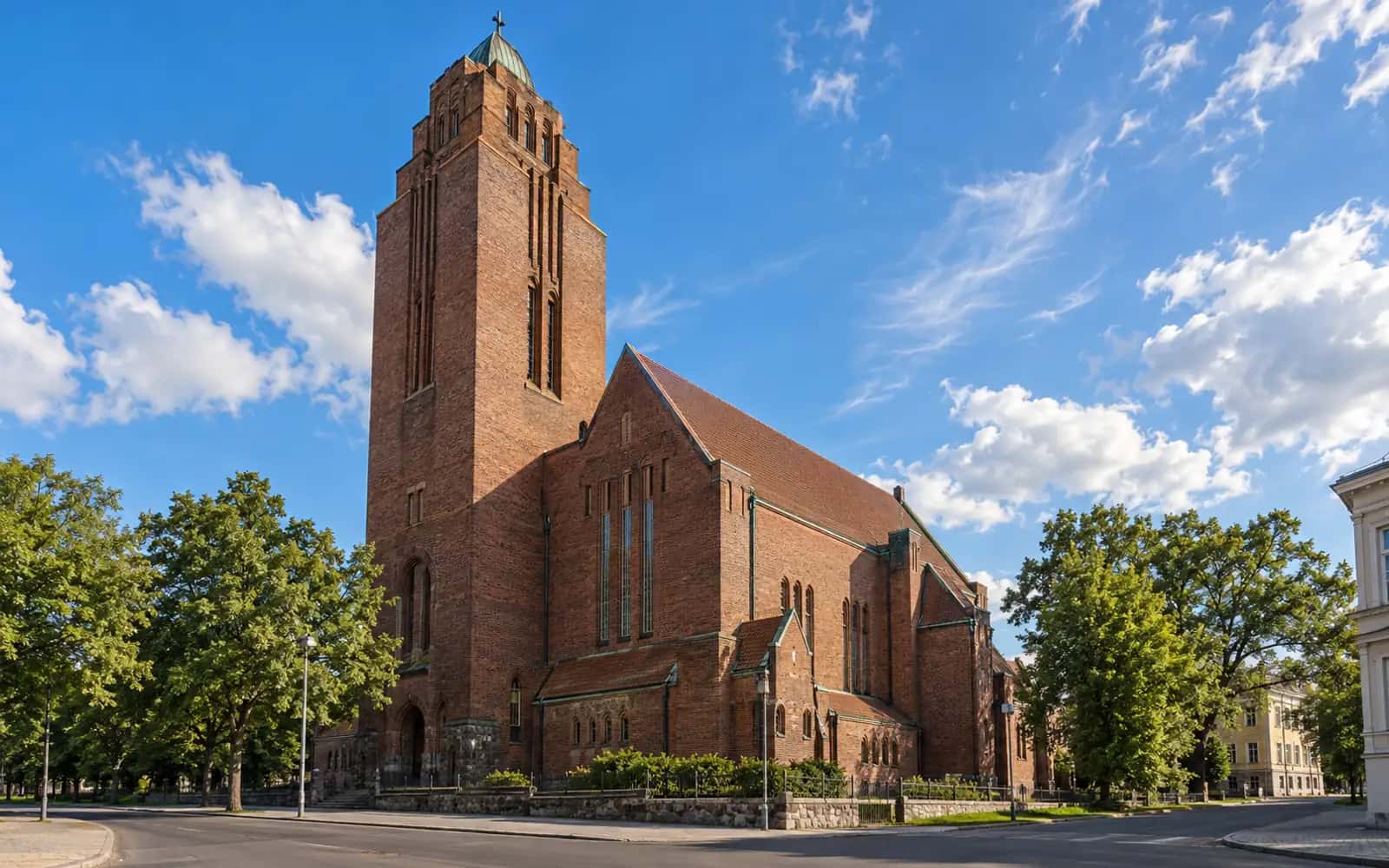
St. Paul's Church, Tartu
St. Paul's Church in Tartu is an Art Nouveau church on Riia Street whose national romantic architecture sets it apart from the city's other churches. The building features geometric forms and details typical of its era, and its bell tower holds two steel bells made in Germany in 1922. The tower with its glass dome offers a view over the city, but access to it is charged separately. The church also has a crypt, a columbarium and a bookshop. A visit can be combined with a walk around the Riia Street area, bearing in mind services and the church's usual routine.
Riia tn 27, Tartu
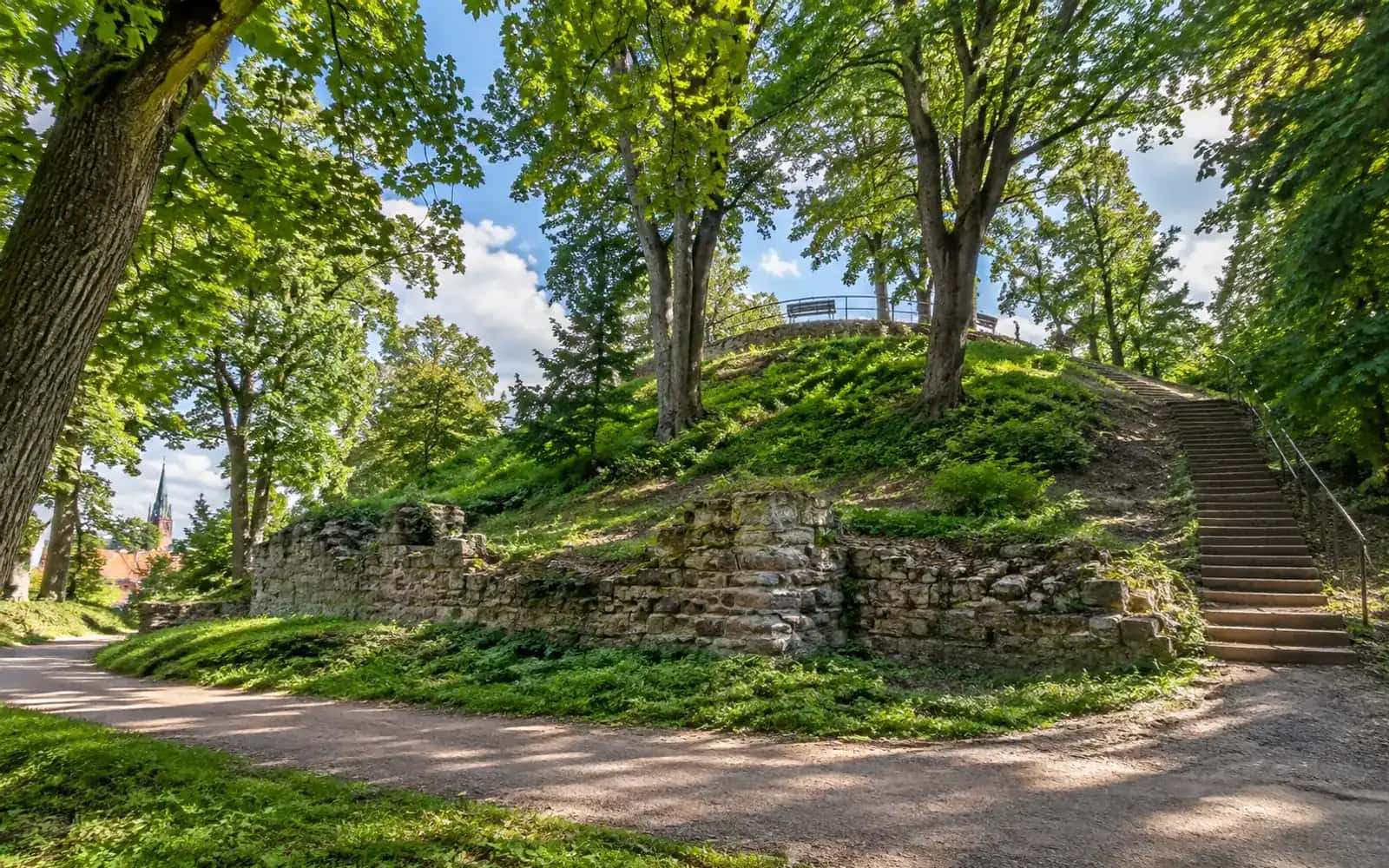
Kissing Hill (Musumägi)
Kissing Hill (Musumägi) is a small artificial mound on Toome Hill in Tartu, near the cathedral. It was created in the 19th century as part of a romantic park design on the site of the former Moscow rondel on the Charles XI bastion. Steps lead up the mound, and at the top a viewing platform with benches overlooks the greenery of Toome Hill and its historic surroundings. Nearby are a sacrificial stone and the monument to Kristjan Jaak Peterson. Kissing Hill has long been a popular spot for photos and strolls, and in summer it also hosts outdoor activities. It is a small viewpoint in its own right, not a museum or an entrance to the cathedral.
Lossi tn 15b, Tartu
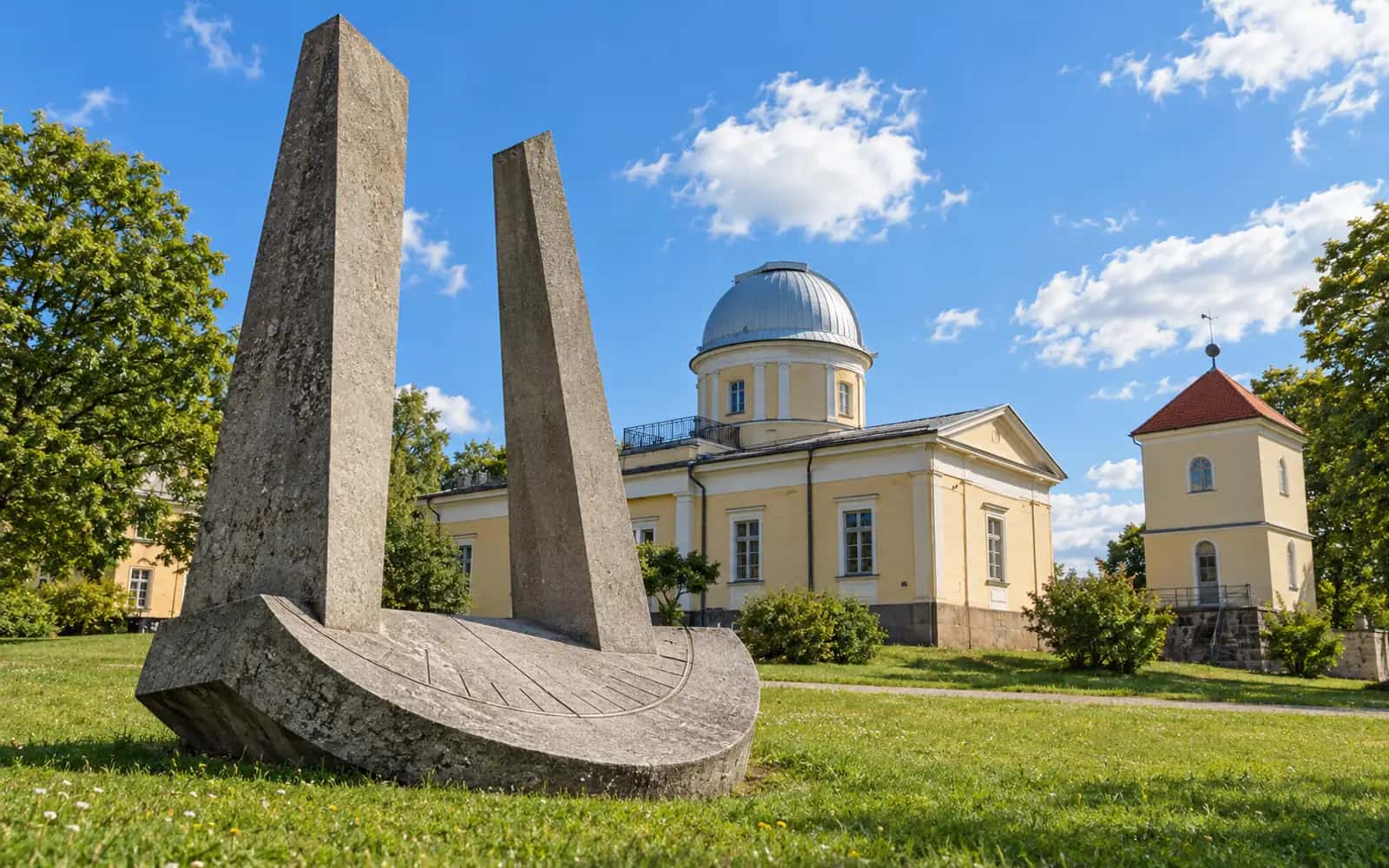
Friedrich Georg Wilhelm Struve Monument
The Friedrich Georg Wilhelm Struve Monument on Uppsala Street in Tartu commemorates the astronomer and geodesist who directed Tartu Observatory. Unveiled in 1969, the abstract memorial alludes to the scientist's quest to understand the shape and size of the Earth. Under Struve's leadership a meridian arc was measured in the 19th century, helping to refine knowledge of our planet. The sculpture's form uses motifs of a sundial and an hourglass. The work was created by Olav Männi and Udo Ivask. The monument can be viewed on a separate walk, linking it with Tartu's history of science and the area around Toome Hill.
Uppsala tn 2, Tartu
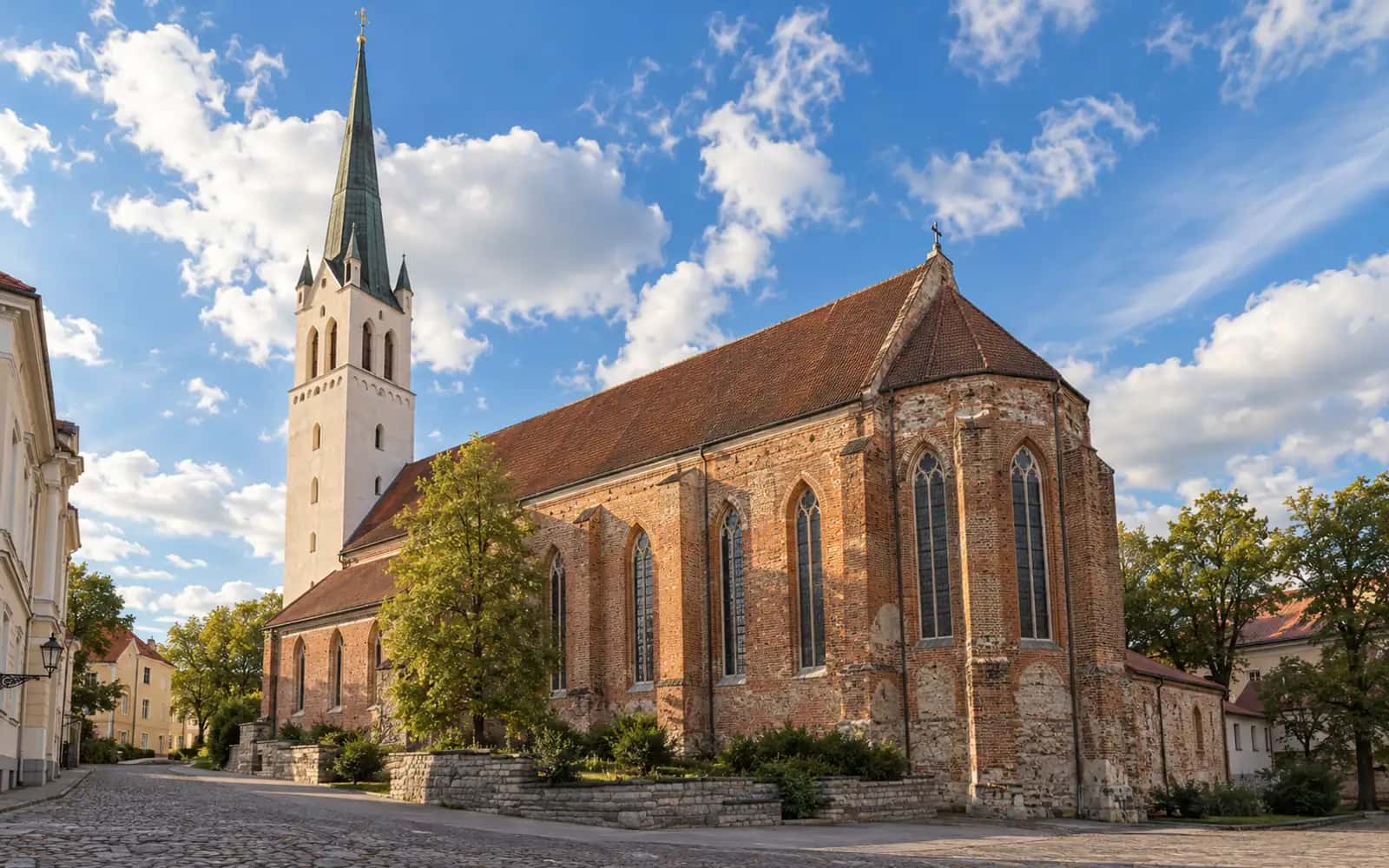
St. Mary's Church, Tartu
St. Mary's Church in Tartu stands on Pepleri Street and holds an important place in the history of Estonian song festivals. Completed in 1842, the church was the home church of the Estonians of Tartu town and parish, and its congregation included several well-known figures of the national awakening. The first Estonian Song Festival began here in 1869. Damaged in the Second World War, the church building was later used as a sports hall before being returned to the congregation. During restoration the tower has risen again, topped by a gilded rooster. The building's story brings together Tartu's musical, religious and architectural heritage.
Pepleri tn 1, Tartu
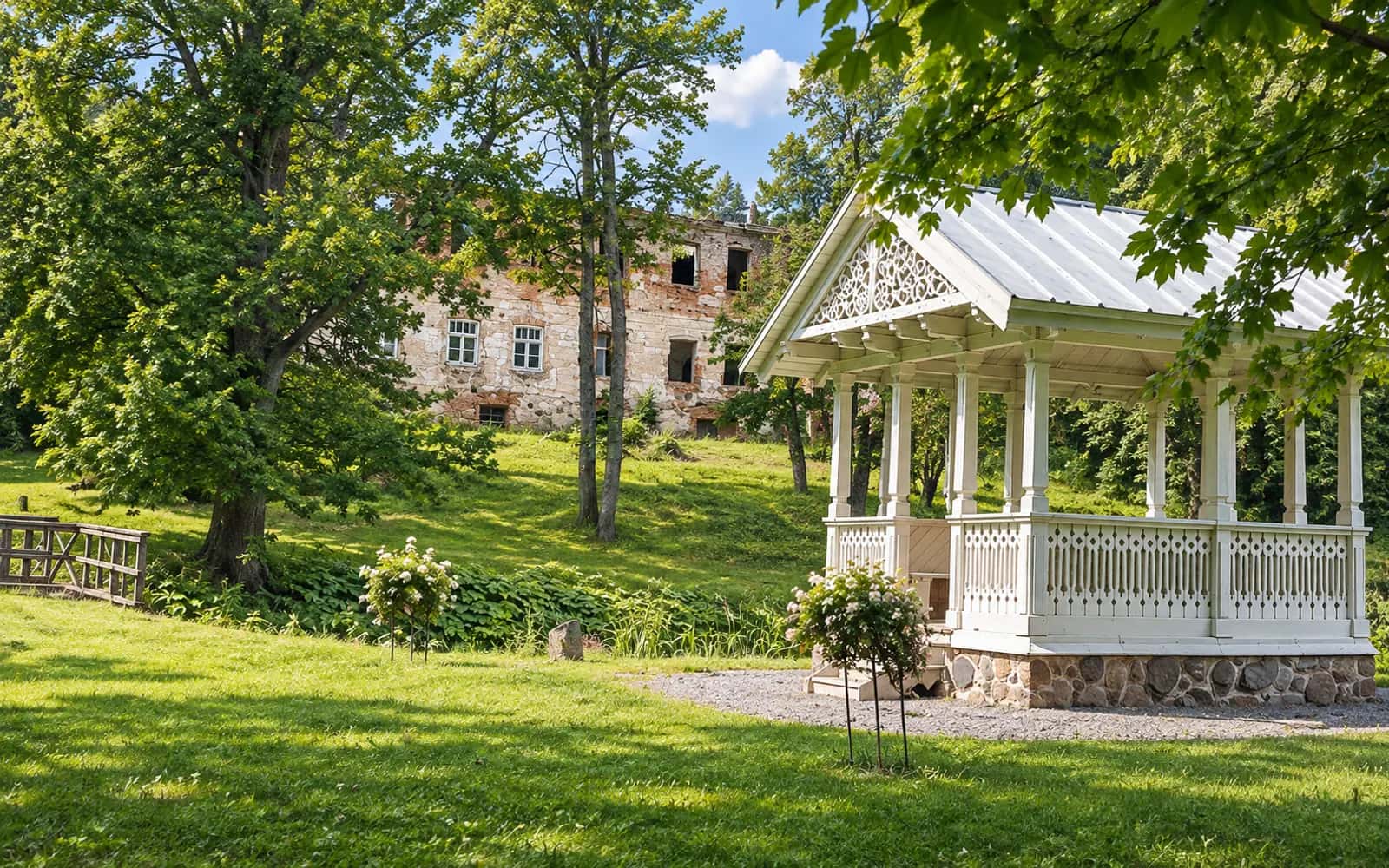
Luke Manor Park
Luke Manor Park in Luke village, Tartu County, is a restored neo-baroque manor park. Terraces on several levels, trees of different shapes, ponds and a pavilion create a varied landscape for walking. In the park you can see concrete lion figures and the sculpture of Eeva. The manor's history goes back to the 16th century; some of the outbuildings have now been restored, including the Gardener's House, where a café operates in summer. The park is open all year round and free to visit, but the conditions for the buildings and bookable activities are separate.
Luke mõis, Luke küla, Nõo vald, Tartu maakond
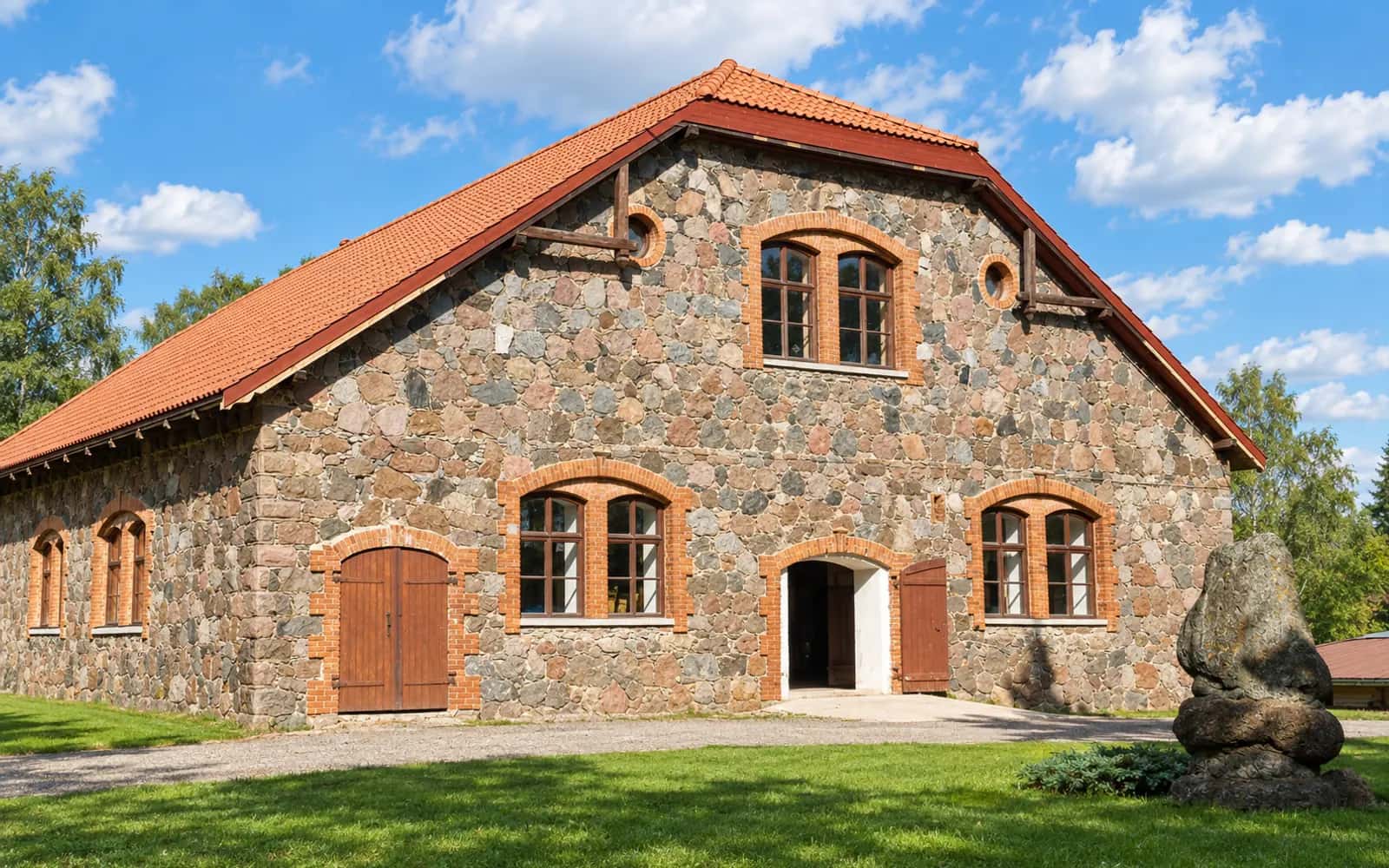
Estonian Agricultural Museum
The Estonian Agricultural Museum operates in a historic manor complex in the small town of Ülenurme, Tartu County. Its exhibitions present Estonian rural life, agricultural machinery and how food production has changed over time. During a visit you can explore displays housed in different buildings and the museum's farm animal area; the same complex is also home to MUHK, a rural life discovery centre for children and families. The general ticket gives access to the museum's exhibitions, but workshops and special programmes may be charged separately. Check the seasonal opening hours before you travel.
Muuseumi tn 2/8, Ülenurme alevik, Kambja vald, Tartu maakond
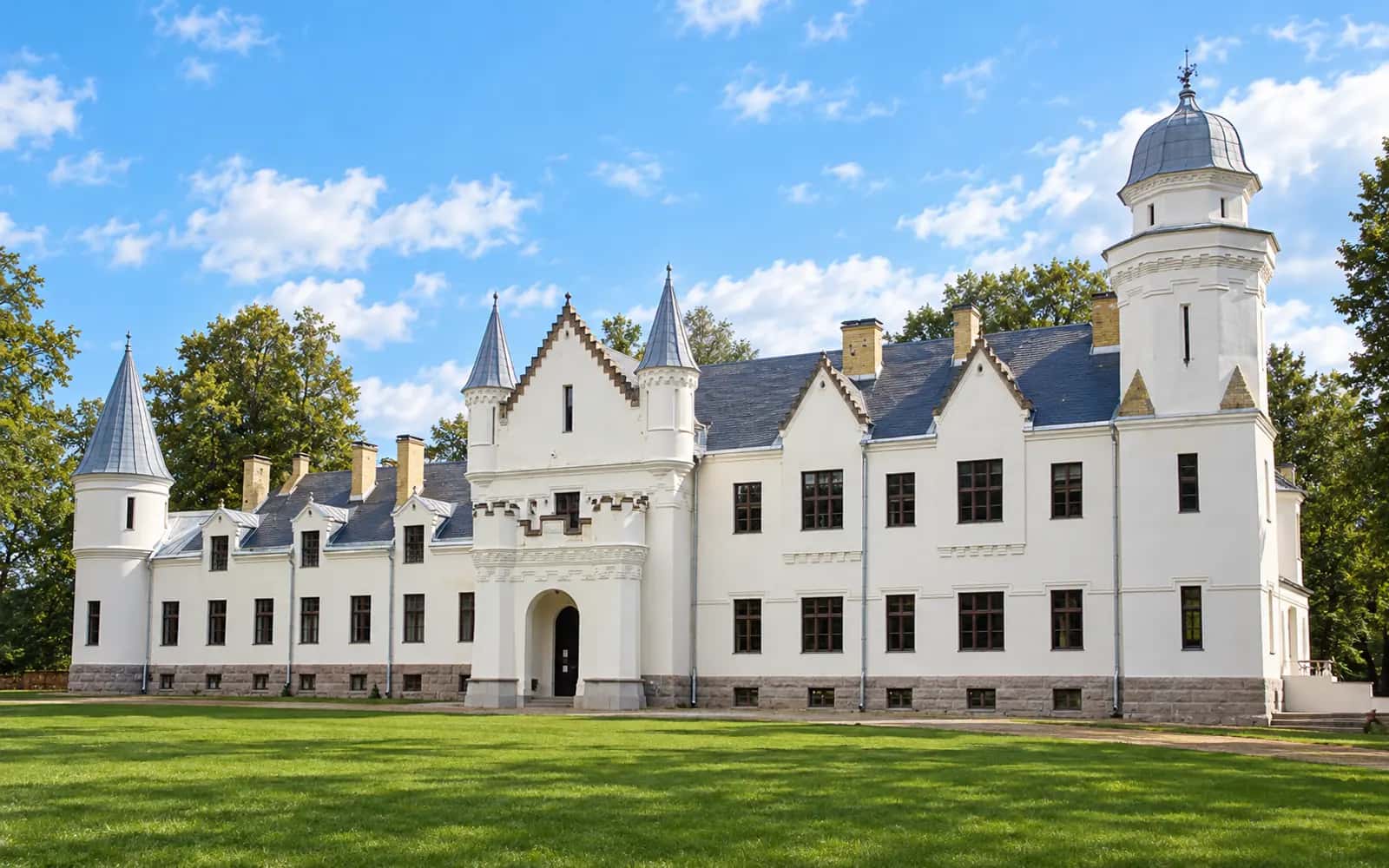
Alatskivi Castle
Alatskivi Castle is in the small town of Alatskivi, Tartu County, about forty kilometres from Tartu. In the rooms of the manor house you can learn about the life of a 19th-century noble family and the work of their servants, and see an exhibition on the castle's history. The third floor houses the museum of composer Eduard Tubin; beside the castle there is also a former stable building and an extensive park. Allow time to explore several floors, and a separate guided tour can be booked if you wish. Visiting hours change with the seasons; in summer the castle is also open on Mondays.
Lossi tn 6, Alatskivi alevik, Peipsiääre vald, Tartu maakond
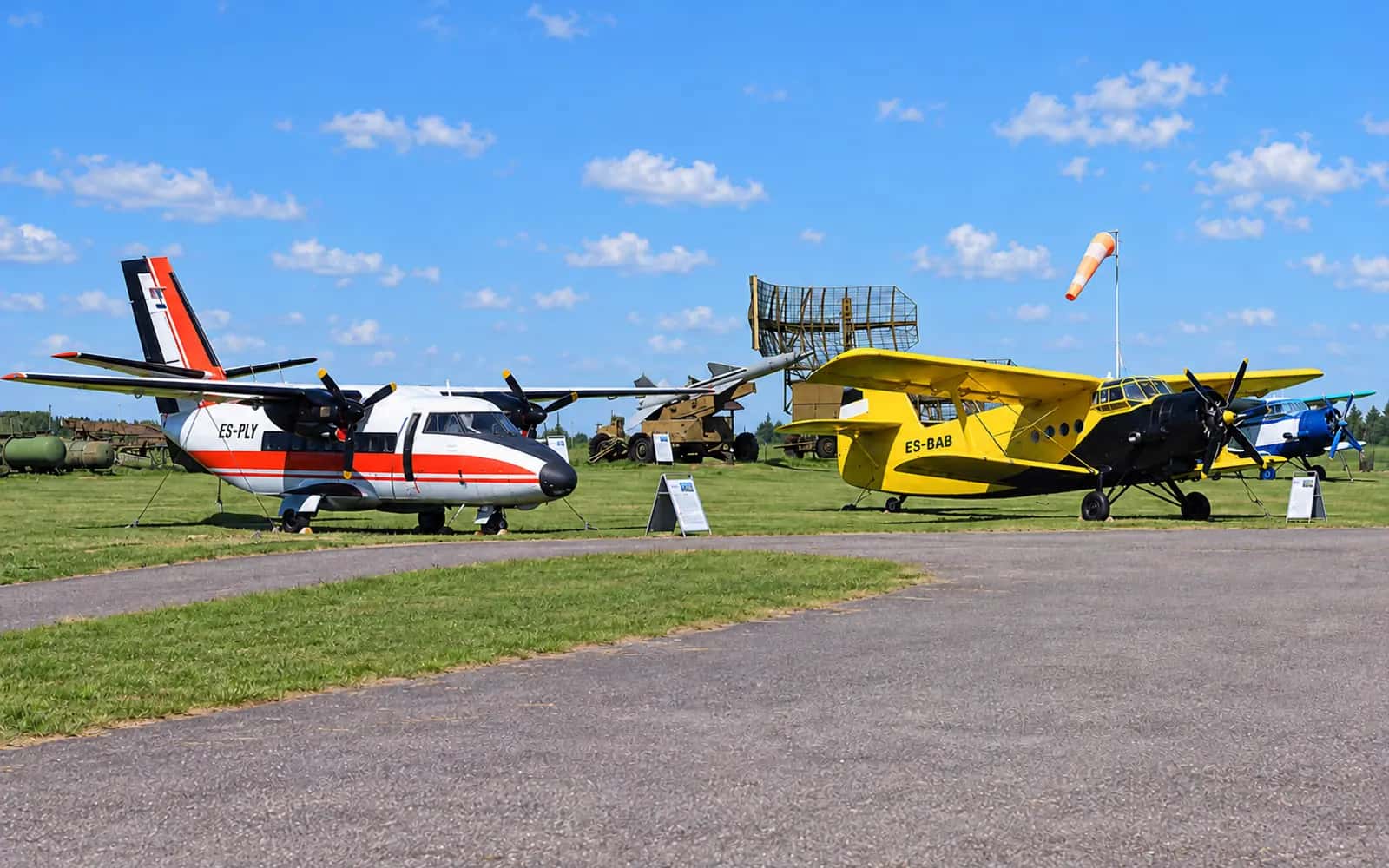
Estonian Aviation Museum
The Estonian Aviation Museum in Lange village, Tartu County, brings together aeroplanes, helicopters and aviation equipment in an outdoor area and in buildings. The display lets you compare aircraft from different countries and learn about the development of aviation; the museum also has a large collection of model aircraft. Some exhibits can be viewed up close, and additional activities are offered on site. The museum is open to regular visitors seasonally; the last regular visiting day in 2026 is 25 October, after which visits take place by arrangement.
Vana-Veskioru, Lange küla, Kastre vald, Tartu maakond
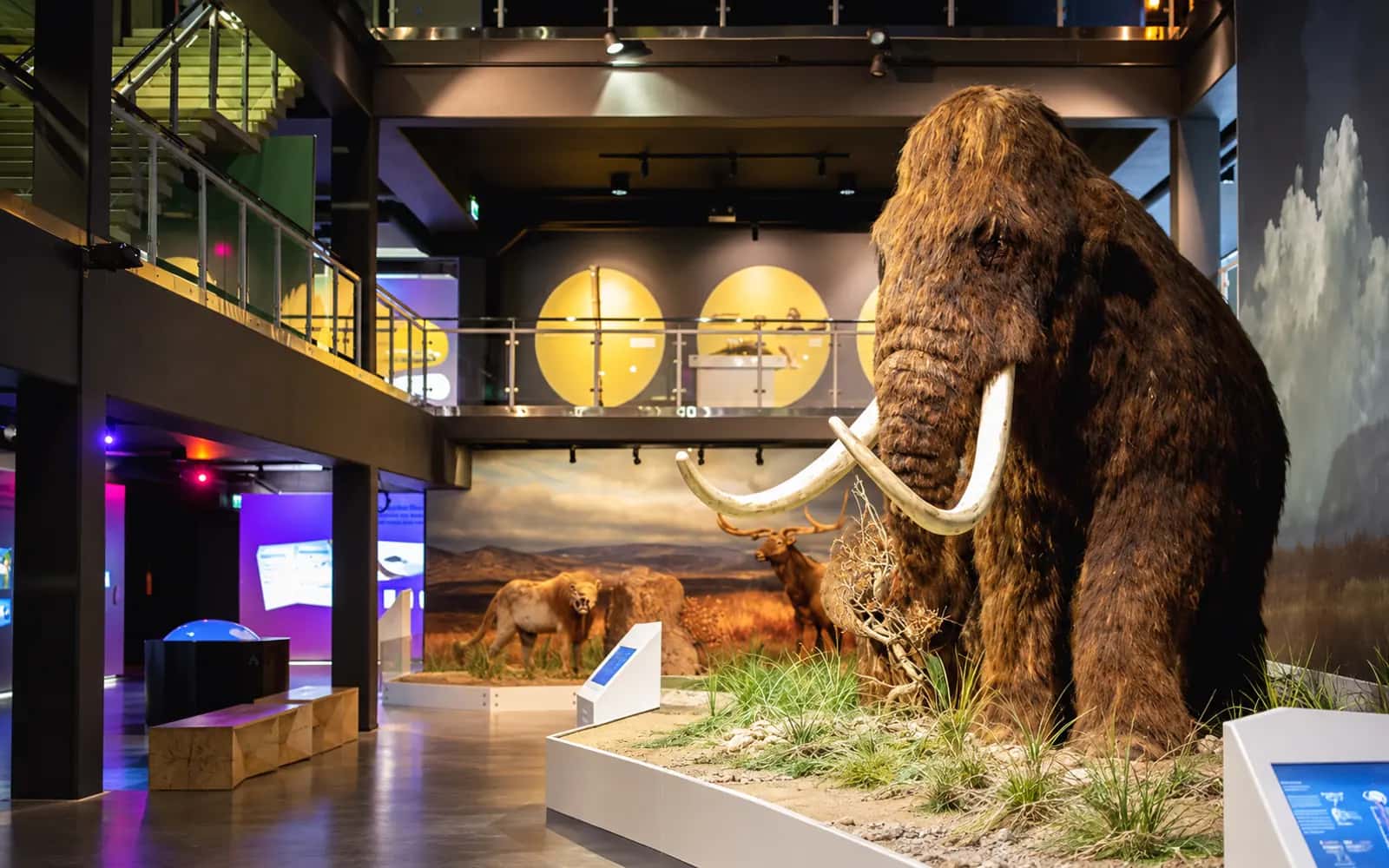
Ice Age Centre
The Ice Age Centre is in the small town of Äksi, Tartu County, on the shore of Lake Saadjärv. Interactive exhibitions tell of the Ice Age's impact on the Estonian landscape, prehistoric animals and how nature has changed up to the present day. Visitors can move from the age of mammoths on to themes of climate and human activity, use an audio guide or choose a guided tour. The centre has a café, and in the summer season a separately charged raft ride is offered on the lake. Allow at least a couple of hours for the permanent exhibition; the raft ride is not included in the standard admission price.
Saadjärve tn 20, Äksi alevik, Tartu vald, Tartu maakond
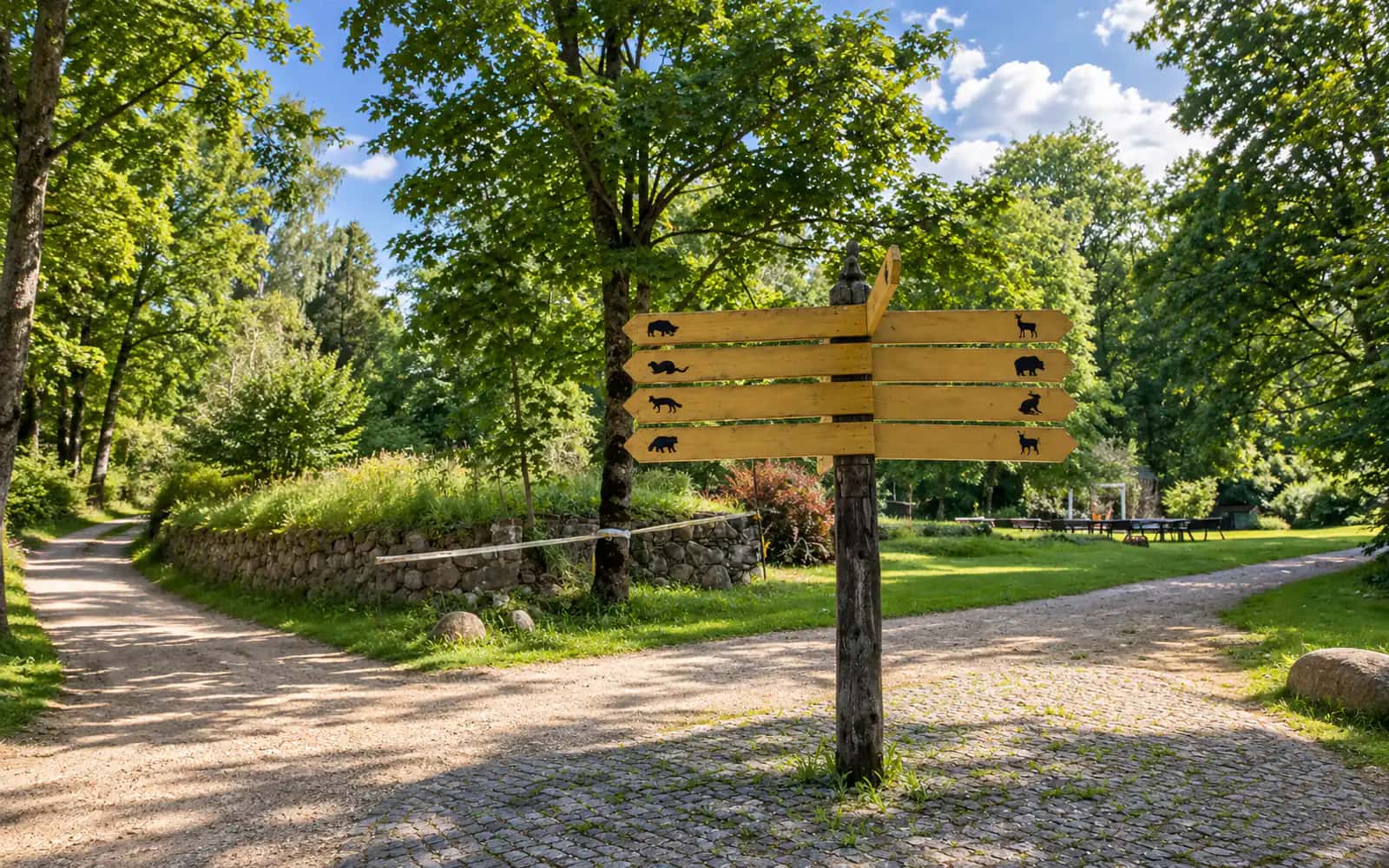
Elistvere Animal Park
Elistvere Animal Park in Elistvere village, Tartu County, is a place to get to know Estonia's wild animals. In the wooded park, paths run between enclosures that are home to elk, lynx and bears, among others; whether you see the animals depends on their movements and the time of day. The animal park has a visitor centre, and your walk can be extended towards a nearby nature trail. It is a good destination for a family outing, but cycling and bringing pets are not allowed in the park. Entry and ticket sales end half an hour before the end of the day.
Looduspargi, Elistvere küla, Tartu vald, Tartu maakond
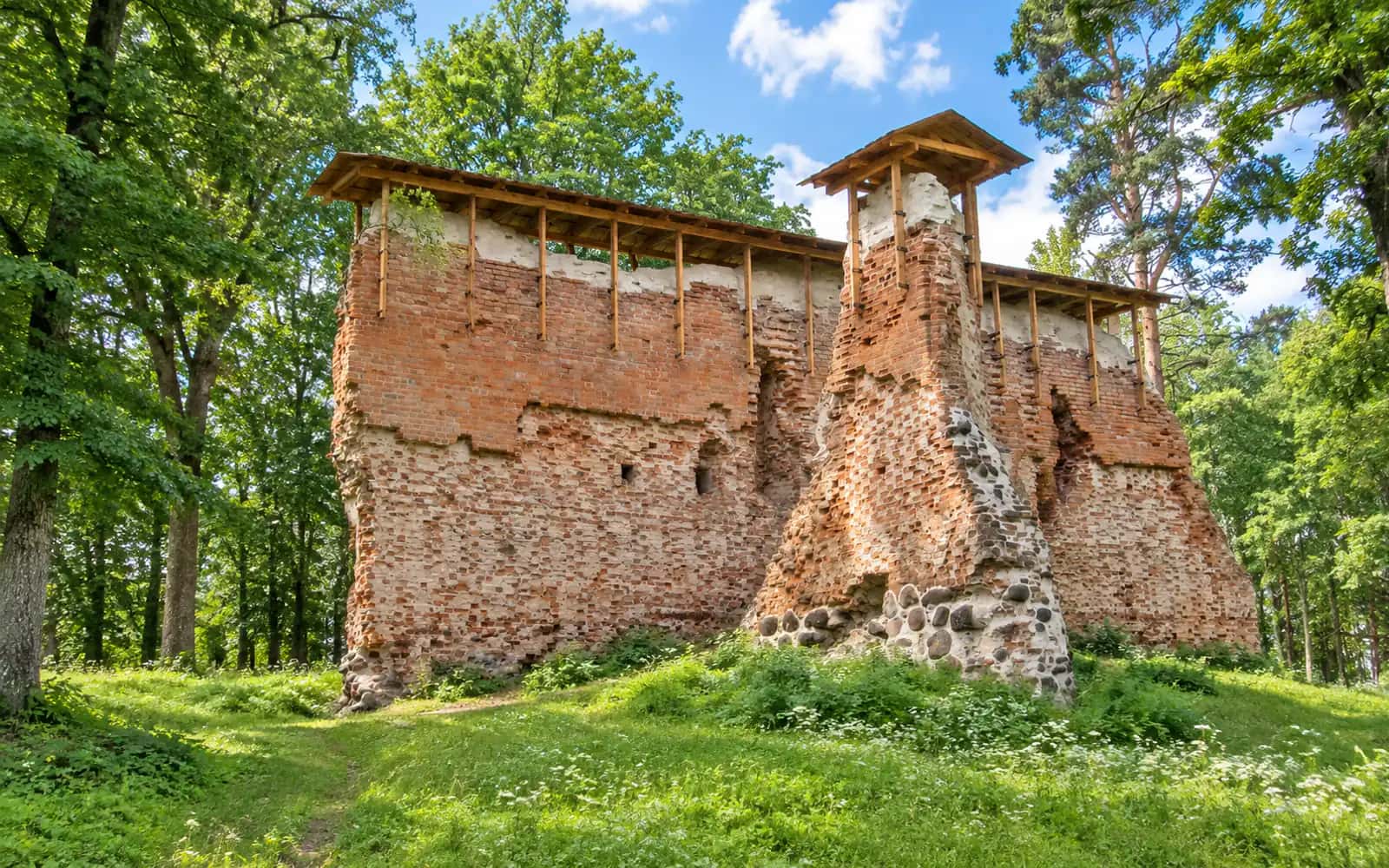
Rõngu Vassal Castle Ruins
The Rõngu Vassal Castle Ruins are in Lossimäe village, Elva Parish, Tartu County. The surviving walls of a fortification from the time of the Bishopric of Tartu stand in Lossimäe Park, where on a walk you can imagine the former courtyard and defences. The castle's origins are linked to the 14th century and its destruction to the period of the Livonian War. There is no ticketed museum or restored castle here today: the main experience is seeing old stone walls in the open air. The surroundings of the ruins suit a quiet, short stop on a tour of Tartu County.
Lossimäe, Lossimäe küla, Elva vald, Tartu maakond
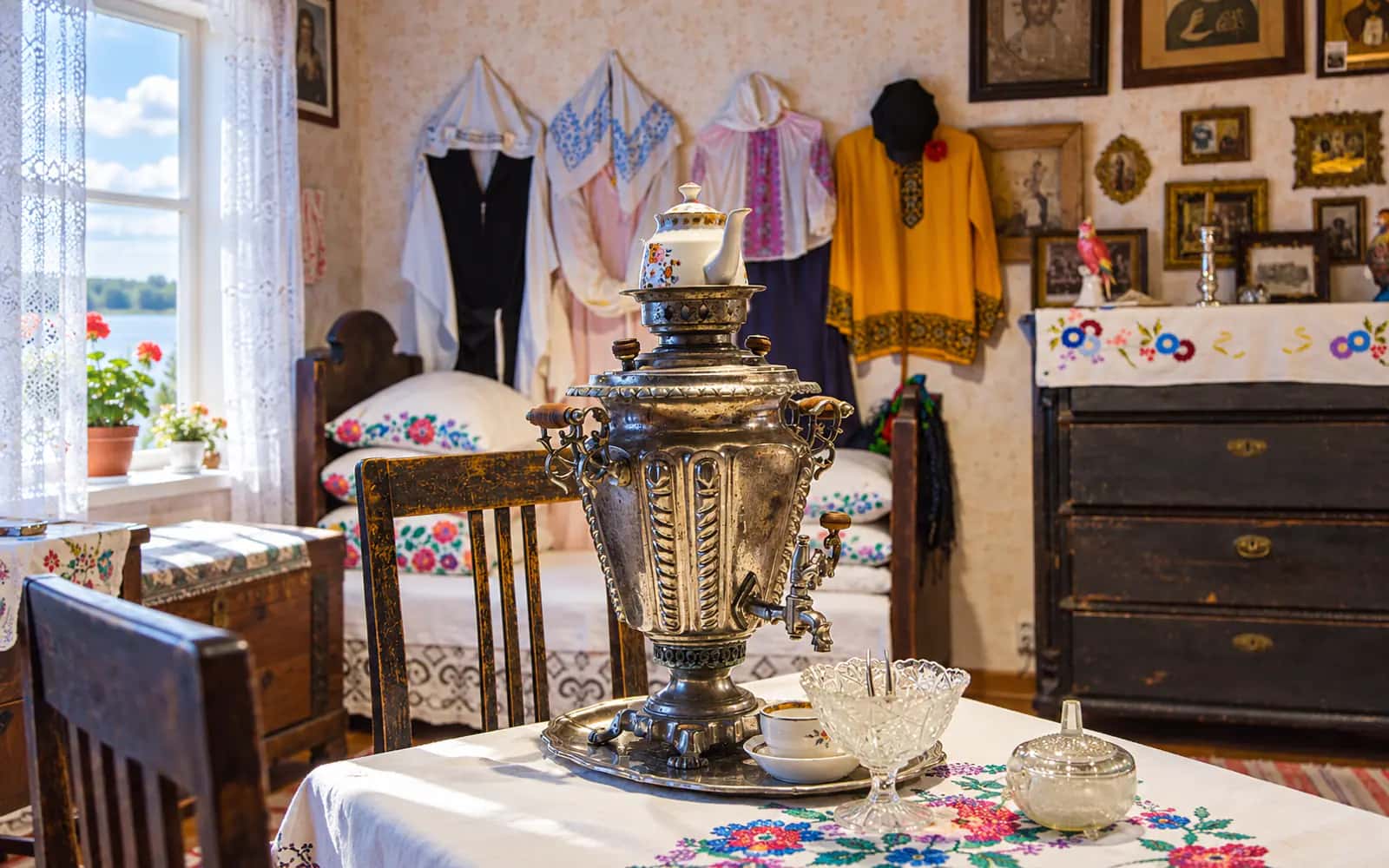
Kolkja Old Believers Museum
Kolkja Old Believers Museum is in the small town of Kolkja, Tartu County, on the shore of Lake Peipus. Through household objects and rooms, the museum presents the way of life, religious customs and onion-growing heritage of the region's Russian Old Believers. Visitors can combine the exhibition with a walk through the lakeside village and notice how local history survives in today's landscape. The museum offers a separate guided tour in Estonian and Russian by advance booking. Opening hours depend on the season, so check your visiting day before setting off; the address may differ in map apps.
Ranna tn 17, Kolkja alevik, Peipsiääre vald, Tartu maakond
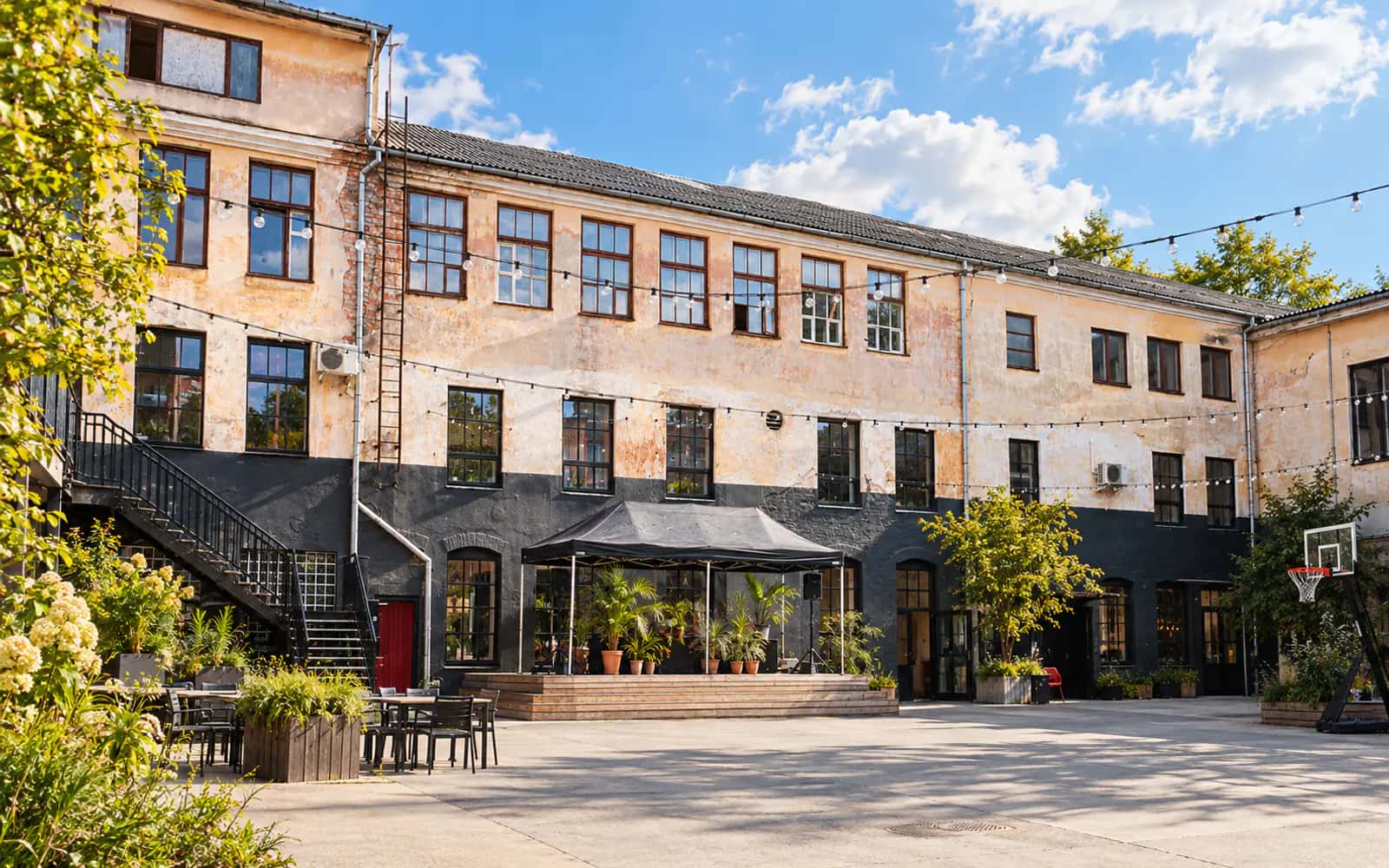
Aparaaditehas Creative City
Aparaaditehas Creative City is in Tartu, in a former factory complex on Kastani Street. The industrial buildings have become a creative quarter that is home to artists, designers, small shops, galleries and places to eat. The outdoor area and different parts of the buildings let you discover both street art and traces of the old factory. Festivals, exhibitions, fairs and workshops appear on the calendar from time to time, but they are separate events, not everyday admission. You can also walk through the quarter without a particular event in mind; the opening hours of individual businesses vary.
Kastani tn 42, Tartu linn, Tartu maakond
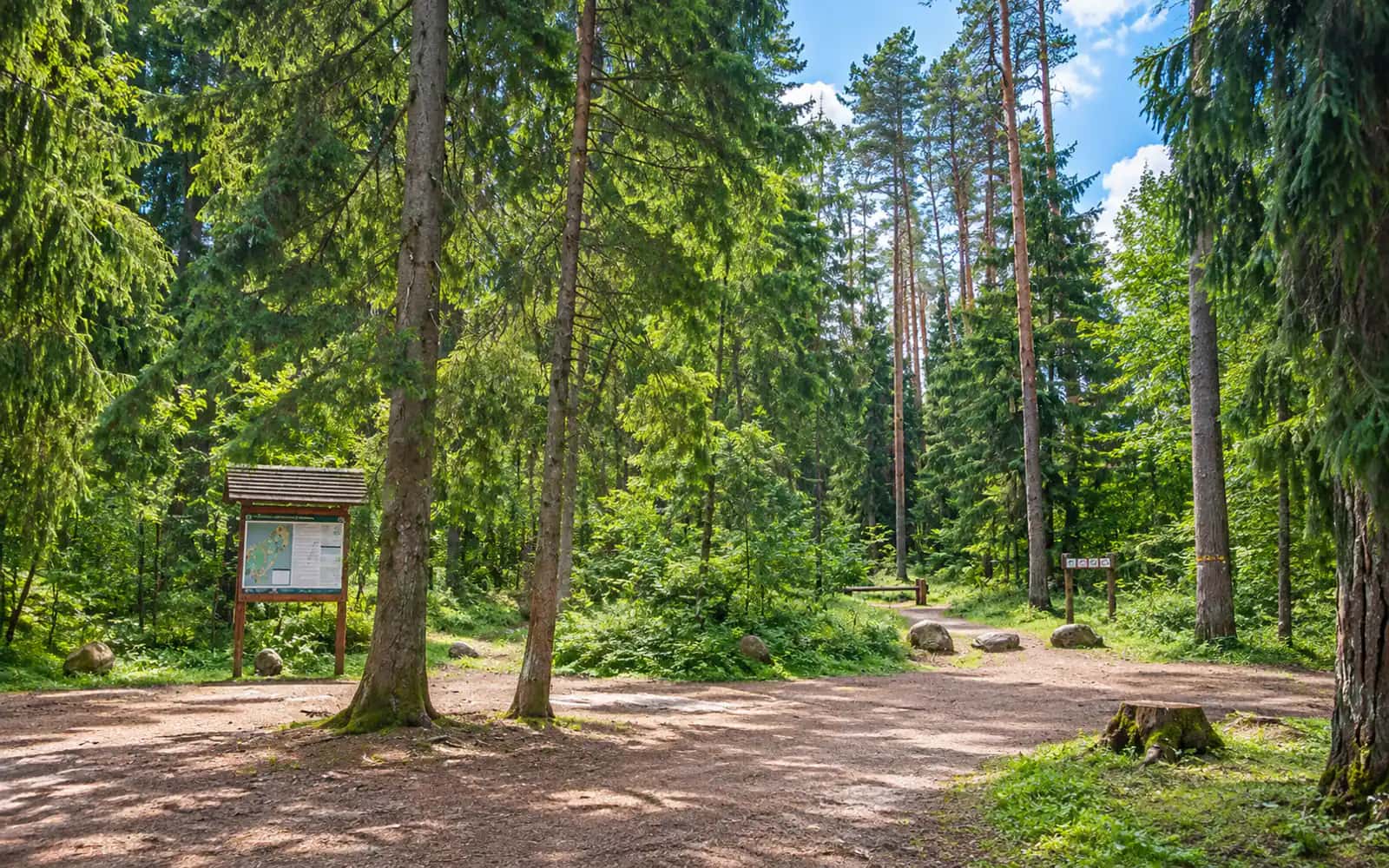
Vapramäe Nature Study and Hiking Trail
The Vapramäe Nature Study and Hiking Trail runs near the small town of Tõravere in Nõo Parish, Tartu County. The forest trail crosses an esker ridge and passes old trees and a picnic site by the Elva River. Signposts and white-red-white markings help you choose the right direction; along the trail you can also spot places associated with the tales of Kalevipoeg. From the nature house the hike can be continued towards Tartu Observatory. The terrain is hilly in places, so sturdy footwear is a good idea. It is a year-round destination whose appearance changes with the seasons.
3 Jõhvi-Tartu-Valga tee, Tõravere alevik, Nõo vald, Tartu maakond
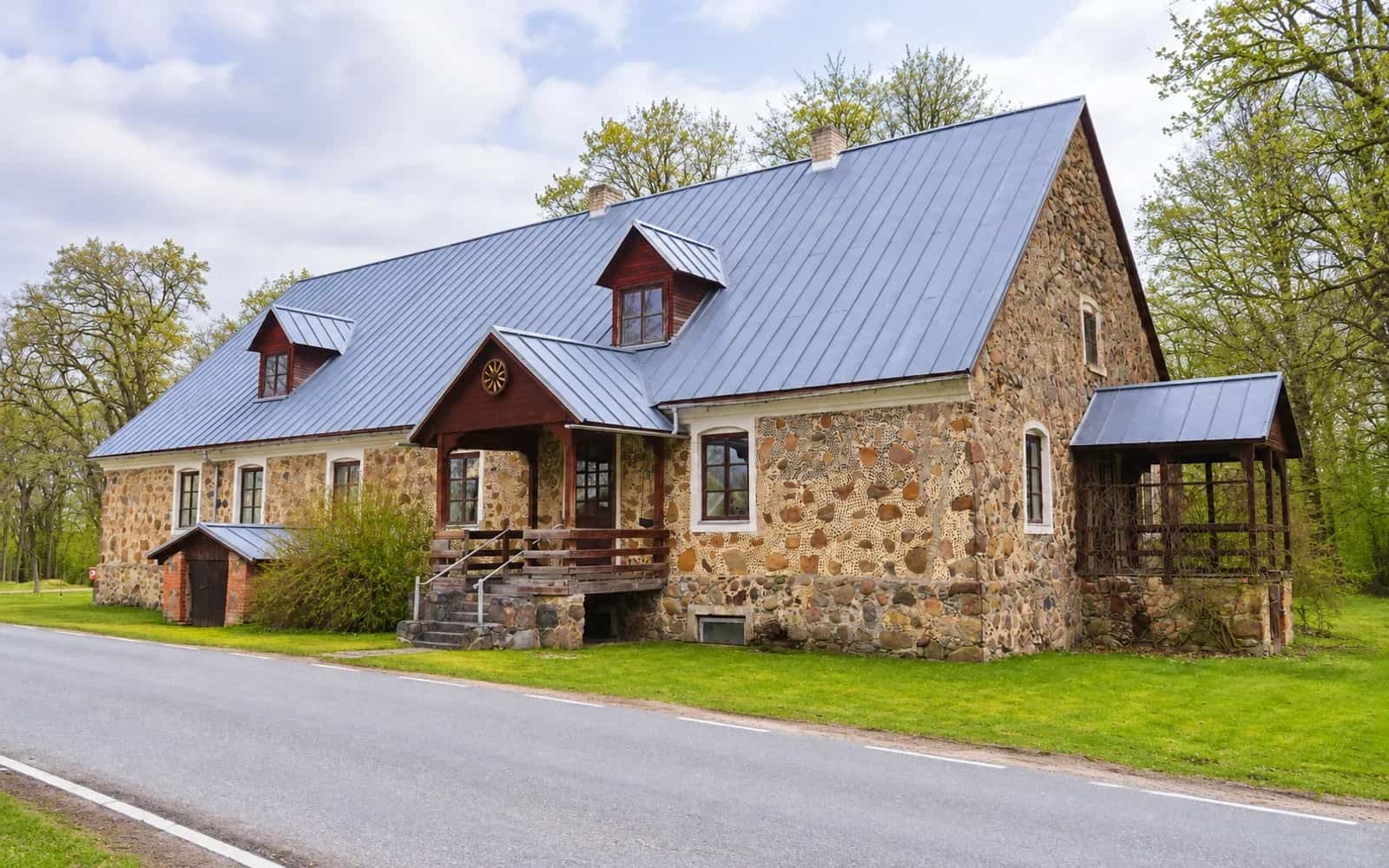
Tabivere Museum
Tabivere Museum is located in a historical building in the small town of Tabivere in Tartu County, introducing life in the surrounding area across different eras. The exhibitions cover local legends, farming, school and community life, as well as the formation of Estonian independence. Special attention is paid to the Estonian War of Independence and military figures associated with the region. Visitors can see old household items, documents, and agricultural machinery. Through a small settlement, the museum provides an overview of broader Estonian history. Visiting times are seasonal, so it is necessary to check whether the museum is open before visiting.
Pargi tn 1, Tabivere alevik, Tartu vald, Tartumaa
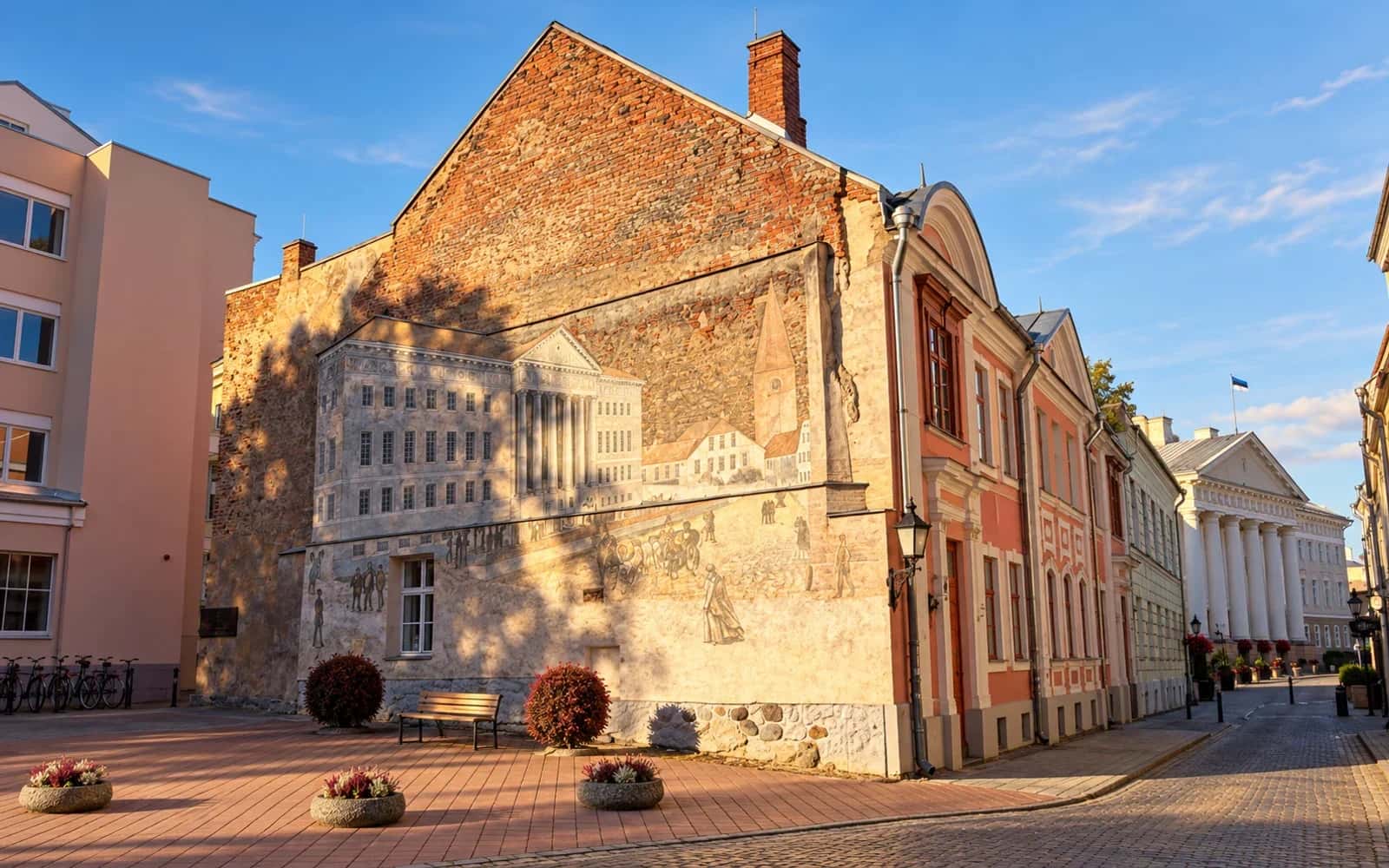
Tartu Von Bock House
The Tartu Von Bock House is located in the centre of Tartu on Ülikooli Street and is a historic town building dating from the 18th century. The house once belonged to the von Bock family and was put to use by the re-opened university in 1802. The university's ceremonial opening event also took place here. The building has at various times been used as a clinic, a veterinary school and a scientific library. Following renovation, it was reopened in 2007. From the street, visitors can view a wall painting depicting the university's main building and a photo exhibition related to historical professors. The house is an architectural monument in its own right.
Ülikooli tn 16, Tartu
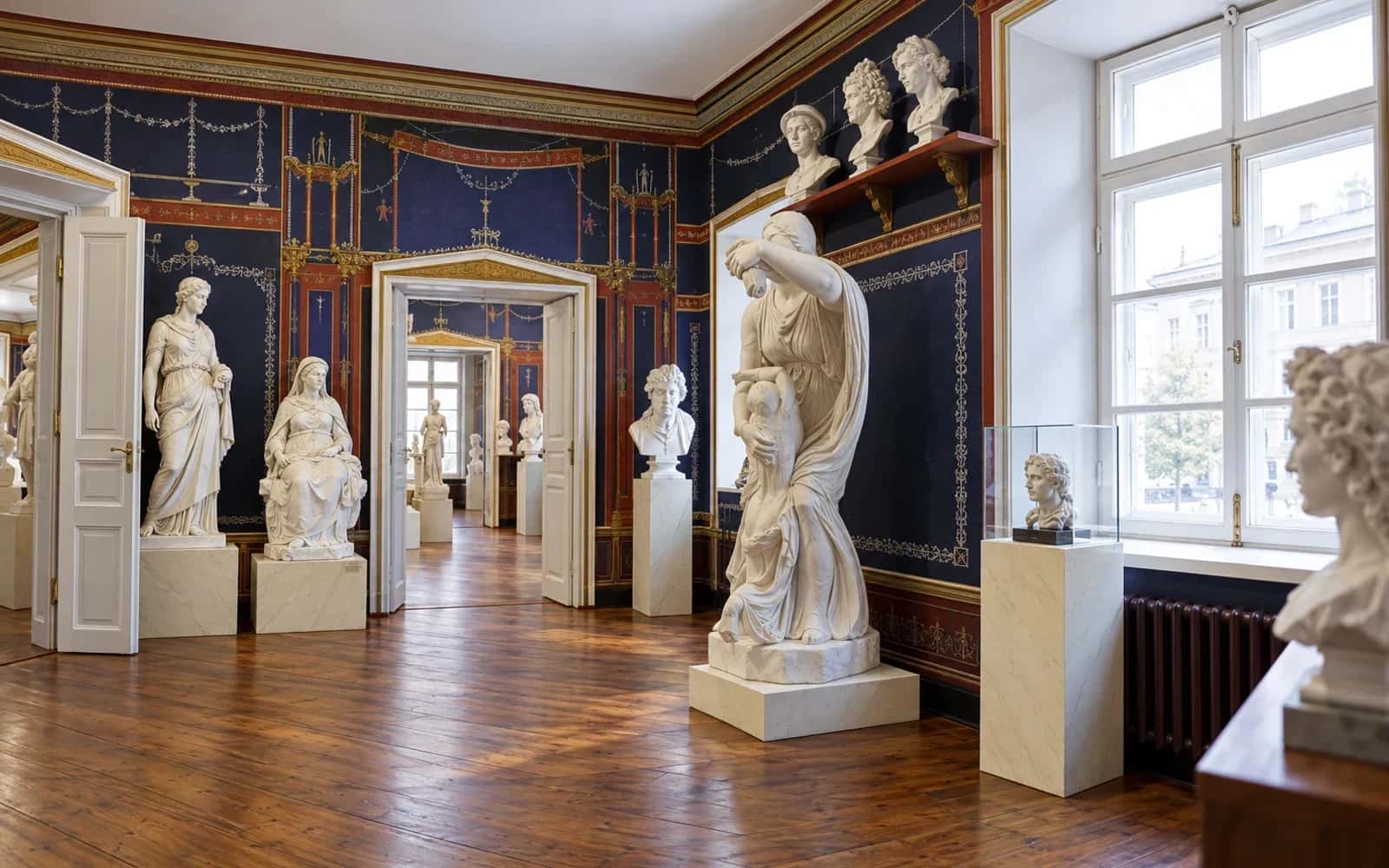
Art Museum of the University of Tartu
The Art Museum of the University of Tartu is located in the centre of Tartu in the university's historic main building on Ülikooli Street. A prominent feature of the museum is the Pompeian-style halls where visitors can explore ancient art and its later influence. The exhibitions feature full-size plaster casts of Greek sculptures as well as ancient coins, vases, and other artefacts. A special display includes a collection related to an Egyptian mummy. The museum offers an opportunity to discover art history in an environment different from the university's history museum located on Toome Hill. Visits depend on the operational arrangements of the museum in the main building.
Ülikooli tn 18b, Tartu
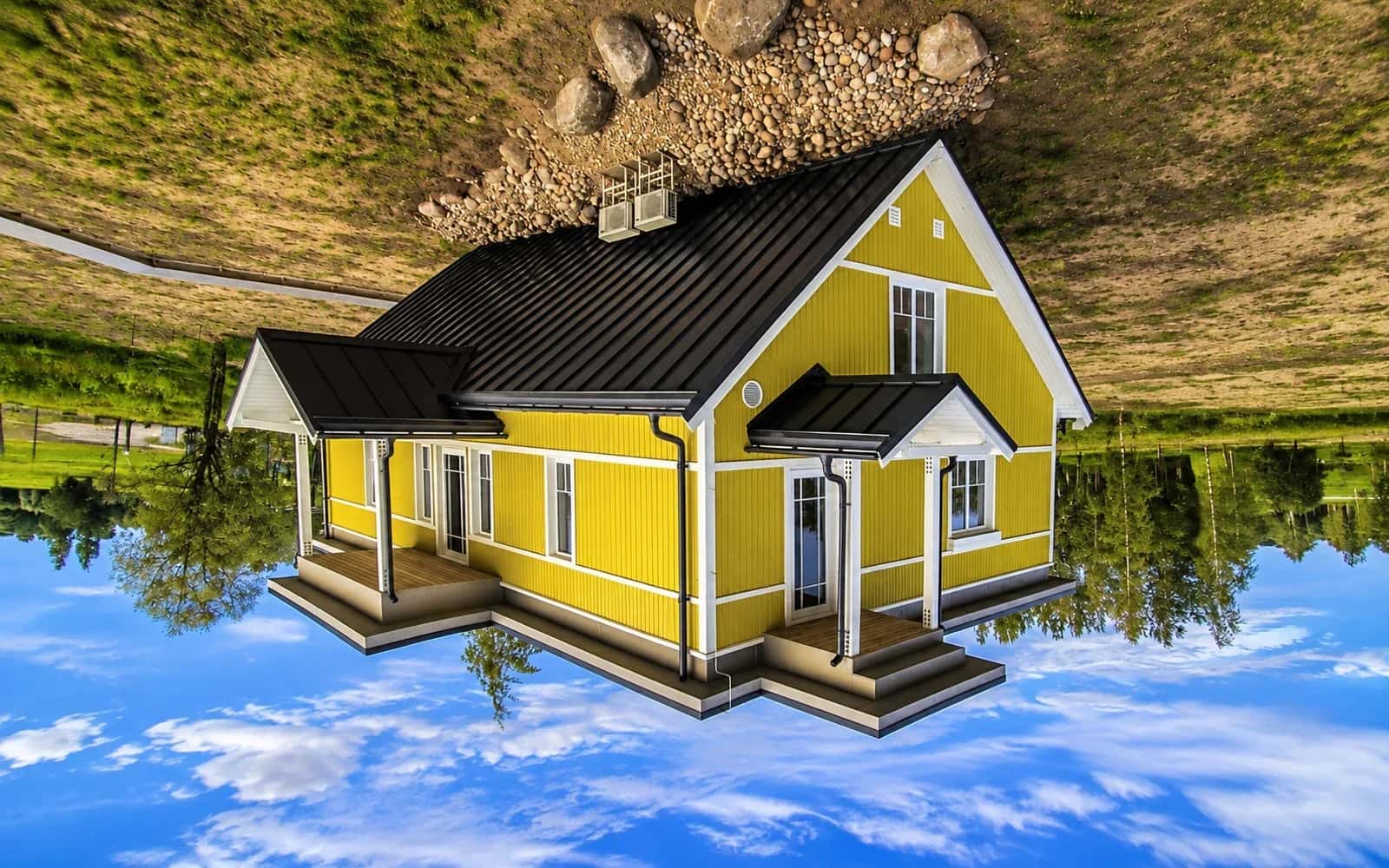
Upside Down House
The Upside Down House is a unique experience building located on Roosi Street in the city of Tartu, where the interior turns familiar spatial perception upside down. The house is built upside down, and the rooms with furniture and household items appear to be on the ceiling. The building is also slightly tilted, which can cause an unexpected sense of imbalance when moving inside. Visitors can explore the rooms themselves and take playful photos. A standard visit takes about half an hour. The Upside Down House is located near the Estonian National Museum, but is an independent attraction with a separate ticket.
Roosi tn 86, Tartu
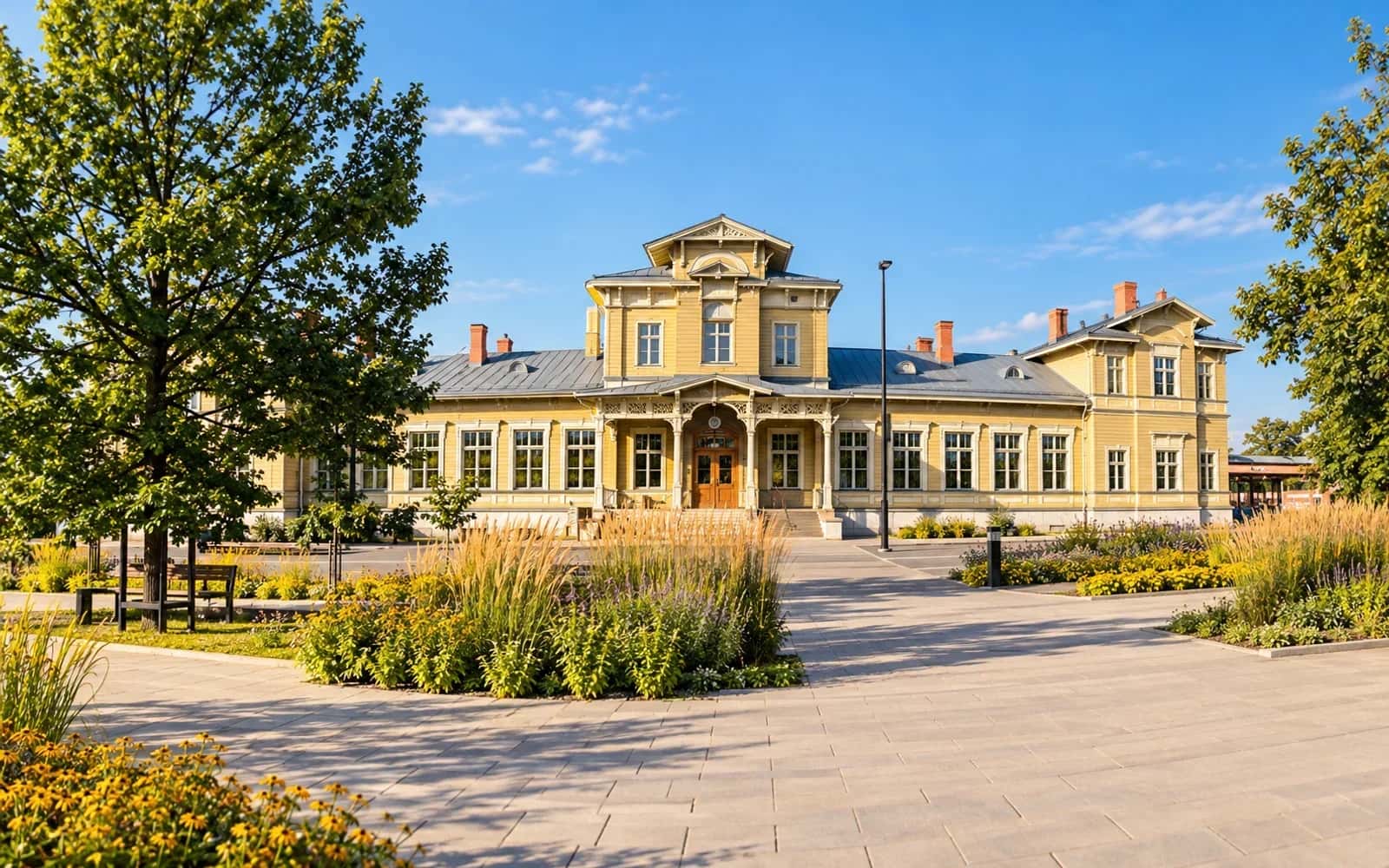
Tartu railway station
Tartu railway station is located in the city of Tartu on Vaksali Street and is a historic railway building completed in 1876. The architecture of the three-part main building retains the appearance typical of 19th-century stations. Warehouses, a depot, a water tower, and railway workers' residences were once located around the station. The building was thoroughly restored and reopened to passengers in 2012. Today, it combines daily train traffic with architectural heritage. There is also a cafe operating inside the station building, and bicycle parking facilities are available in front of it. The station is a separate point of interest among Tartu's museums.
Vaksali tn 6, Tartu
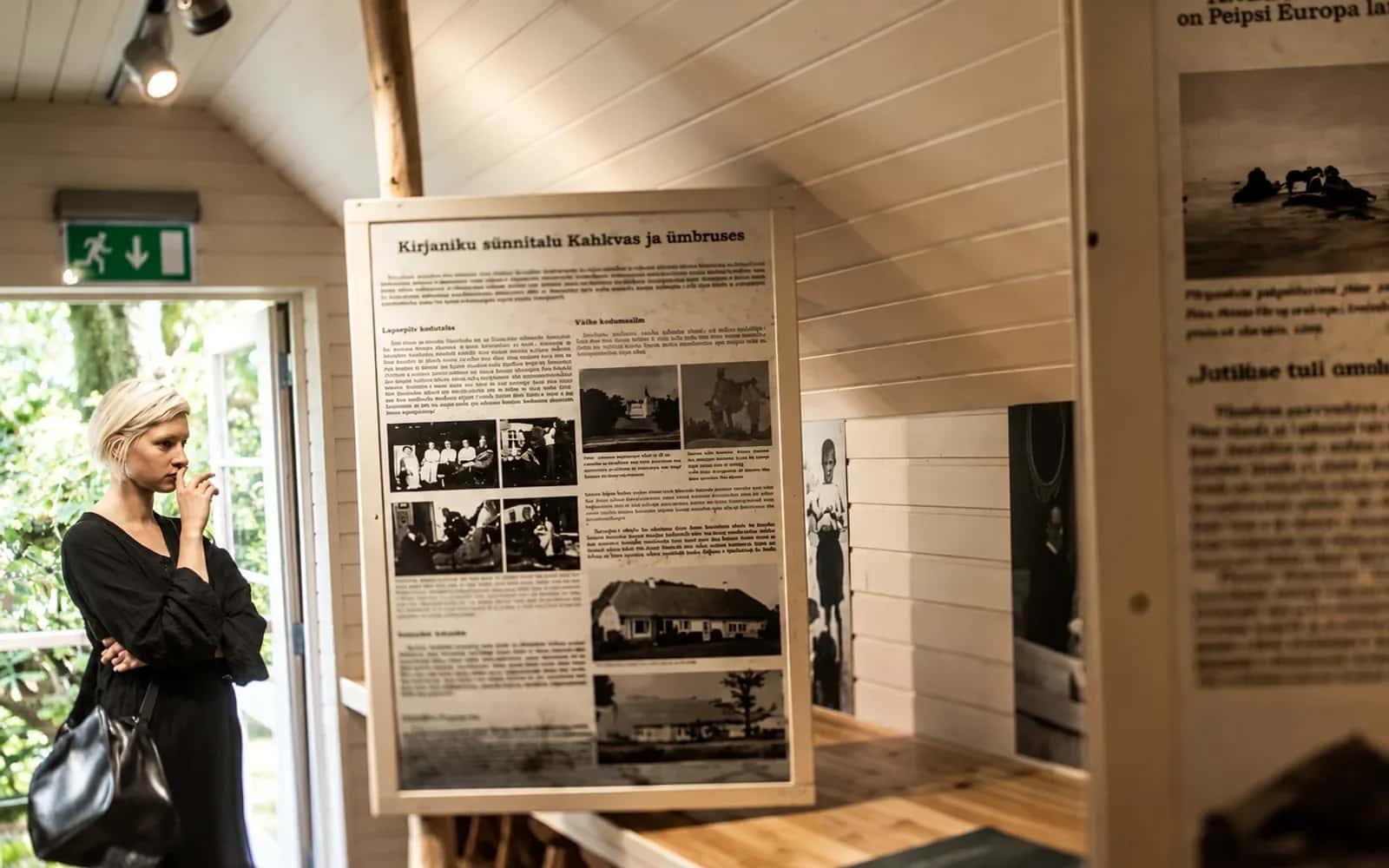
Juhan Liiv Museum
Juhan Liivi Museum is located in Rupsi village, Peipsiääre parish, Tartu County. The museum showcases the works of Estonia's renowned poet and prose writer Juhan Liiv and his home. Visitors can enjoy a beautiful garden, where it is pleasant to walk in the summer. The museum offers interactive experiences where poetry comes to life through sound and video, highlighting the region's cultural heritage. There are also several activities for children, and four-legged friends of families are also welcome. If desired, a guided tour can be arranged to introduce the museum's history and exhibits. The museum has free parking, WIFI, and resting areas.
Rupsi küla, Peipsiääre vald, Tartu maakond
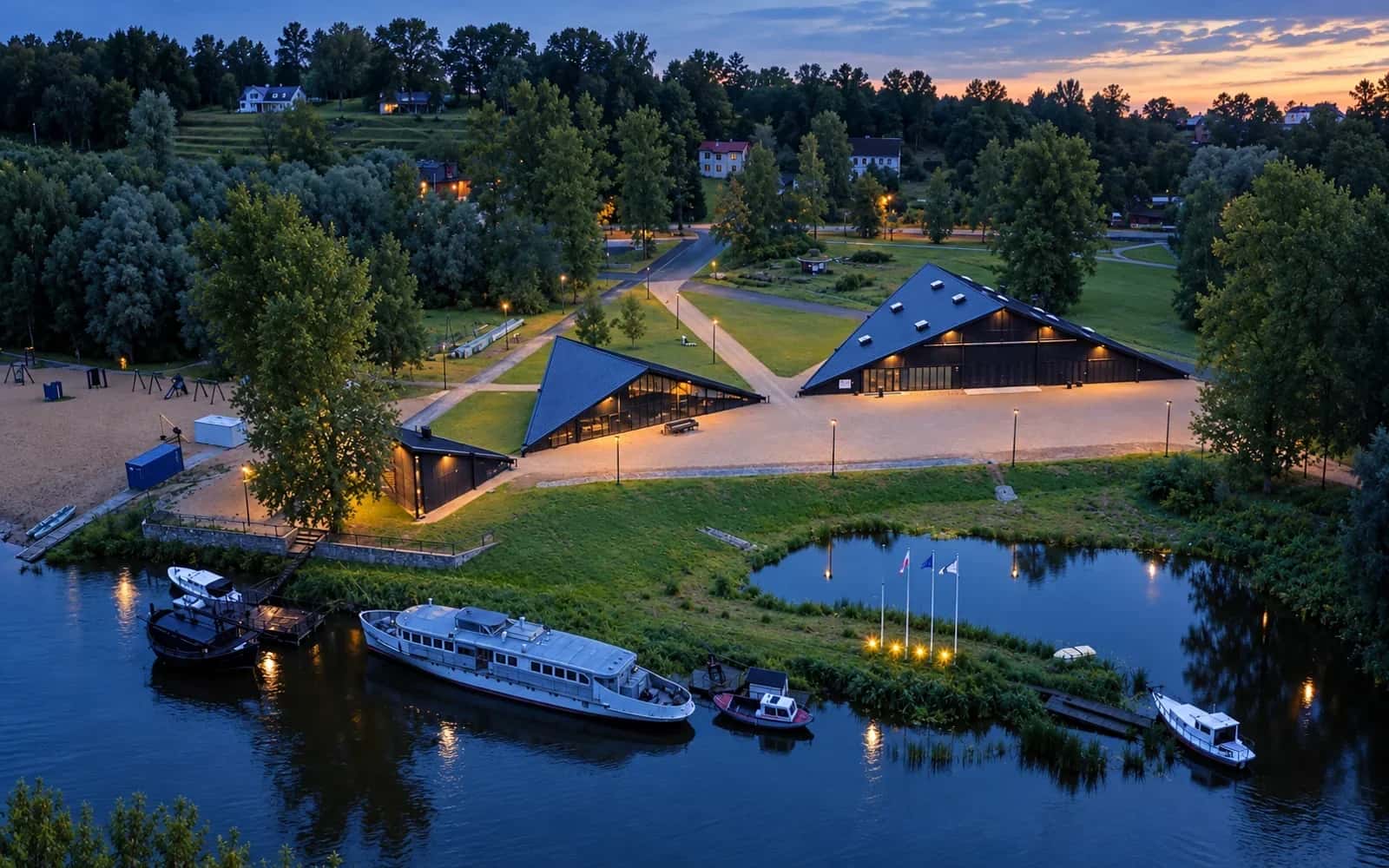
Lodjakoja Theme Park
Lodjakoja Theme Park is located in Tartu and offers visitors the opportunity to learn about the construction of a historical ship, a 24 m long two-masted Emajõe-Peipsi barge. The theme park invites guests to craft barge models, learn sailor skills, and visit the blacksmith's shop. It is also possible to explore the history of barge shipping and watch barge chronicles in the cinema. The theme park is diverse, offering guided tours and workshops by group request. There is also a café and a harbor from which Viking and barge trips start. Visitors can enjoy an educational trail, a boat ride simulator, and various games that provide fun for both young and old. Lodjakoja is an ideal place to discover the world of shipbuilding and barge sailing.
Ujula 98, Tartu
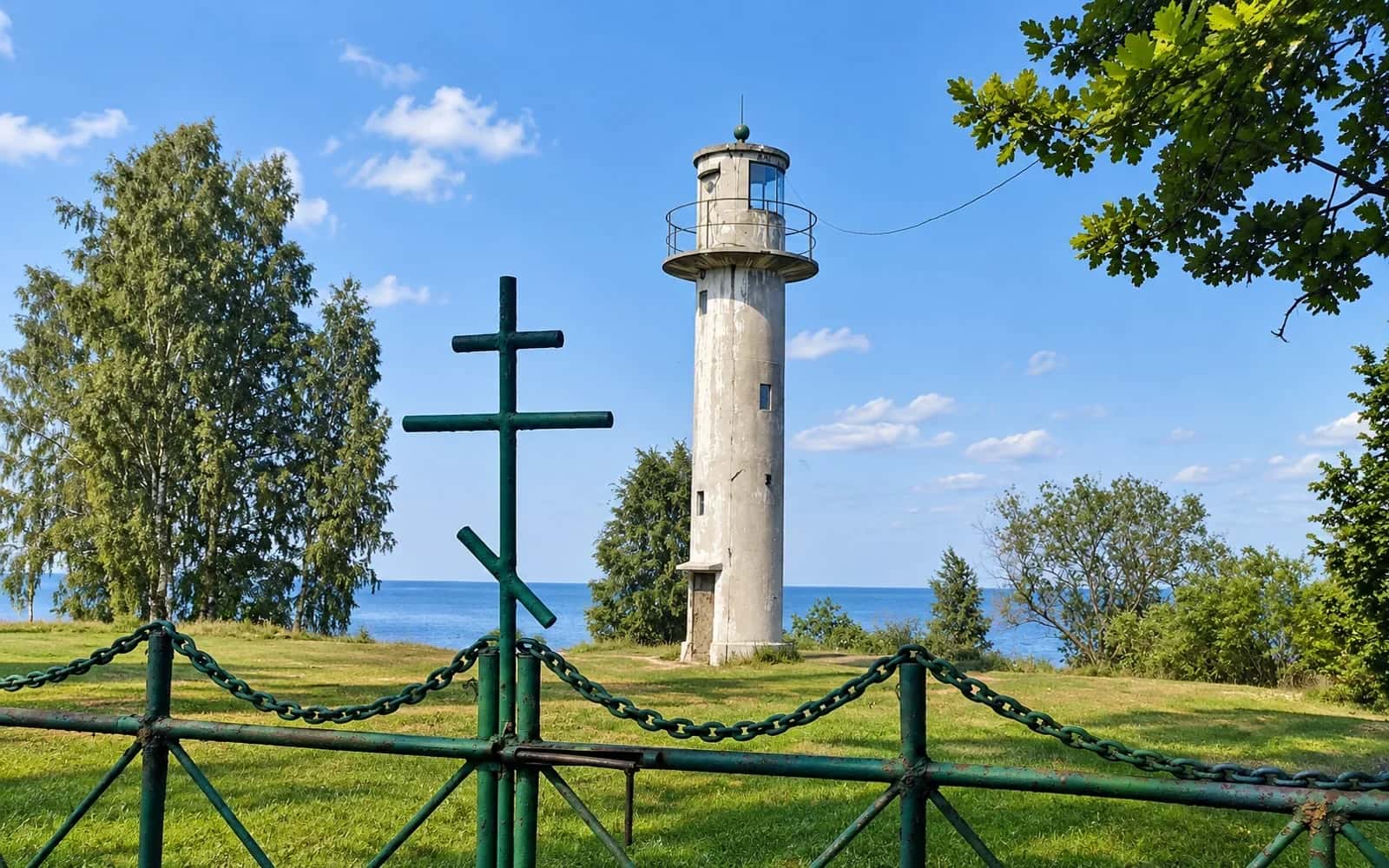
Nina Lighthouse
Nina Lighthouse is located in the village of Nina, in the Peipsiääre municipality, Tartu County, on the shores of Lake Peipsi. The reinforced concrete lighthouse, built in 1938, is 11 meters high and marks the maritime history of the lakeside. The site is suitable for walking, during which one can see the lighthouse from the outside and the vast landscapes of Peipsi. The nearby village and lake provide an opportunity to connect the stop with other attractions of Peipsiääre. The lighthouse can be viewed from a distance: public access or the possibility to climb the tower is not confirmed by the source. Lakeside conditions can change rapidly with changing weather.
Nina küla, Peipsiääre vald, Tartu maakond
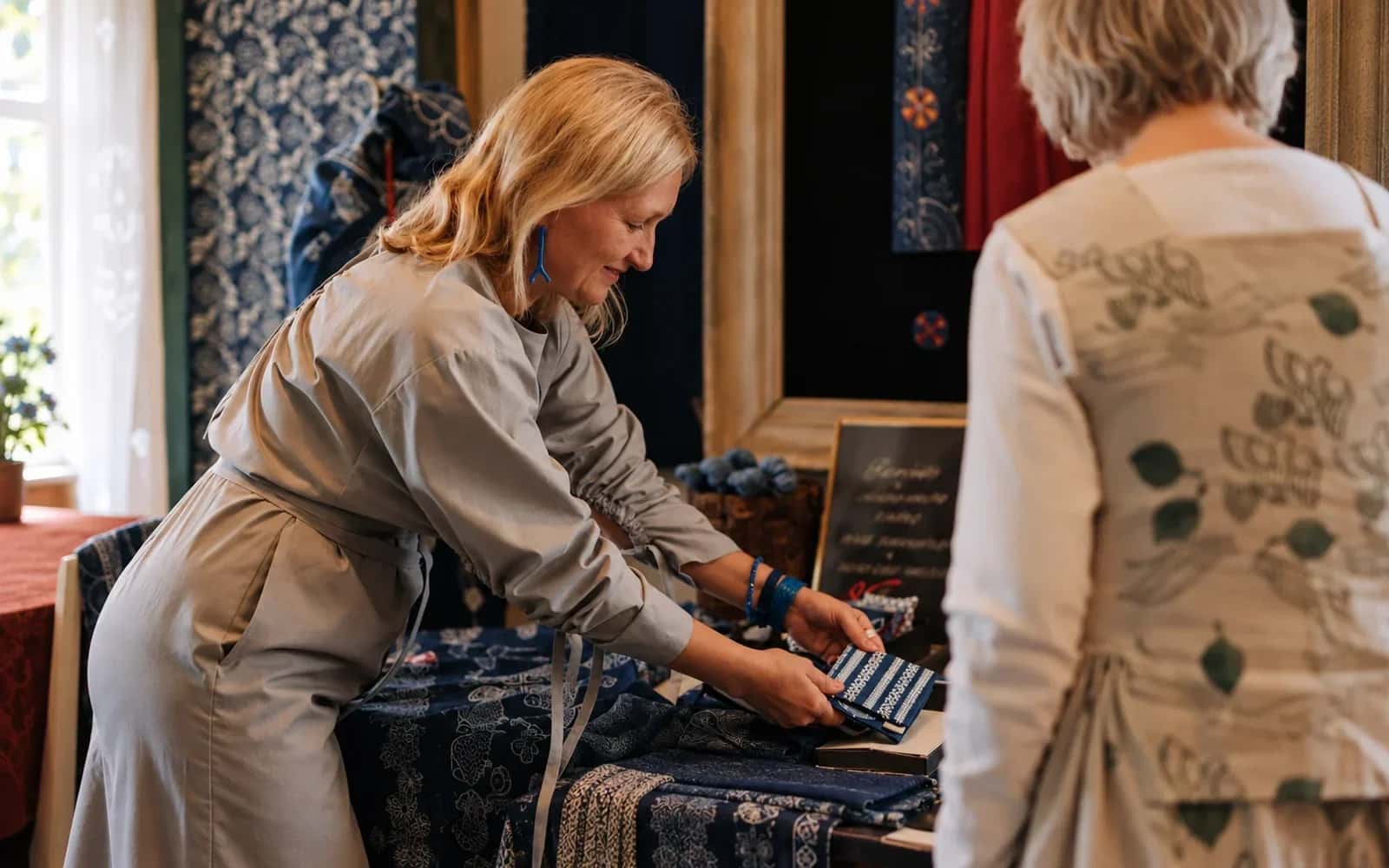
Peipsimaa Heritage Centre
Peipsimaa Pärimuskeskus is located in the village of Kolkja, Tartu County, and was established in 2009 to preserve and promote the traditional crafts of the Peipsimaa region. The center is situated in a historic Old Believer house built in the late 19th century. Here, visitors can access the Sinilniku workshop, where they can print fabrics, and the Luboki courtyard, which introduces 16th-century printing art. A world of Rääbu has been created for children, where they can playfully explore local life. Additionally, the Sigurimuuseum, a crafts and art shop, an art gallery, and Aunt Shura's café are open. Peipsimaa Pärimuskeskus also offers free parking and souvenirs.
Suur tee 25, Kolkja alevik, Peipsiääre vald, Tartu maakond
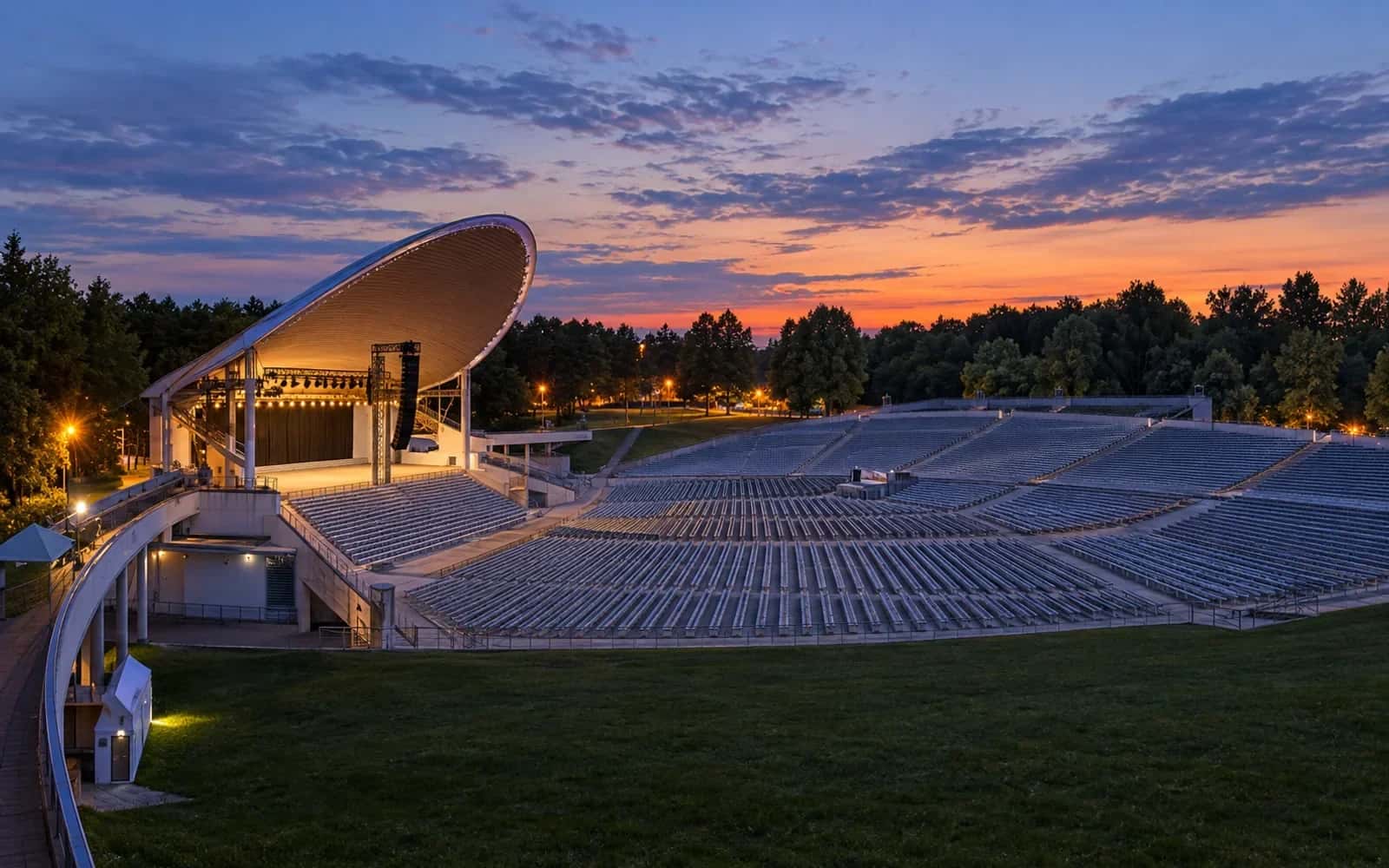
Tartu Song Festival Grounds
Tartu laululava is an important venue for song festivals and concerts located in the city of Tartu, accommodating up to 15,000 people. The laululava was opened in 1994 as part of the 125th anniversary song festival and has become known as a place of expression for the unity of the Estonian people. Every year, about 20 different events take place here, featuring several well-known artists, including Depeche Mode and José Carreras. Surrounding the laululava is a leisure center that includes a children's park, a skate park, and a sports park where visitors can enjoy health and disc golf trails. In winter, a free ice rink is open, providing opportunities for winter entertainment. Admission to concerts is paid, and those interested can also rent the hall for birthdays or seminars.
Laulupeo pst 25, Tartu
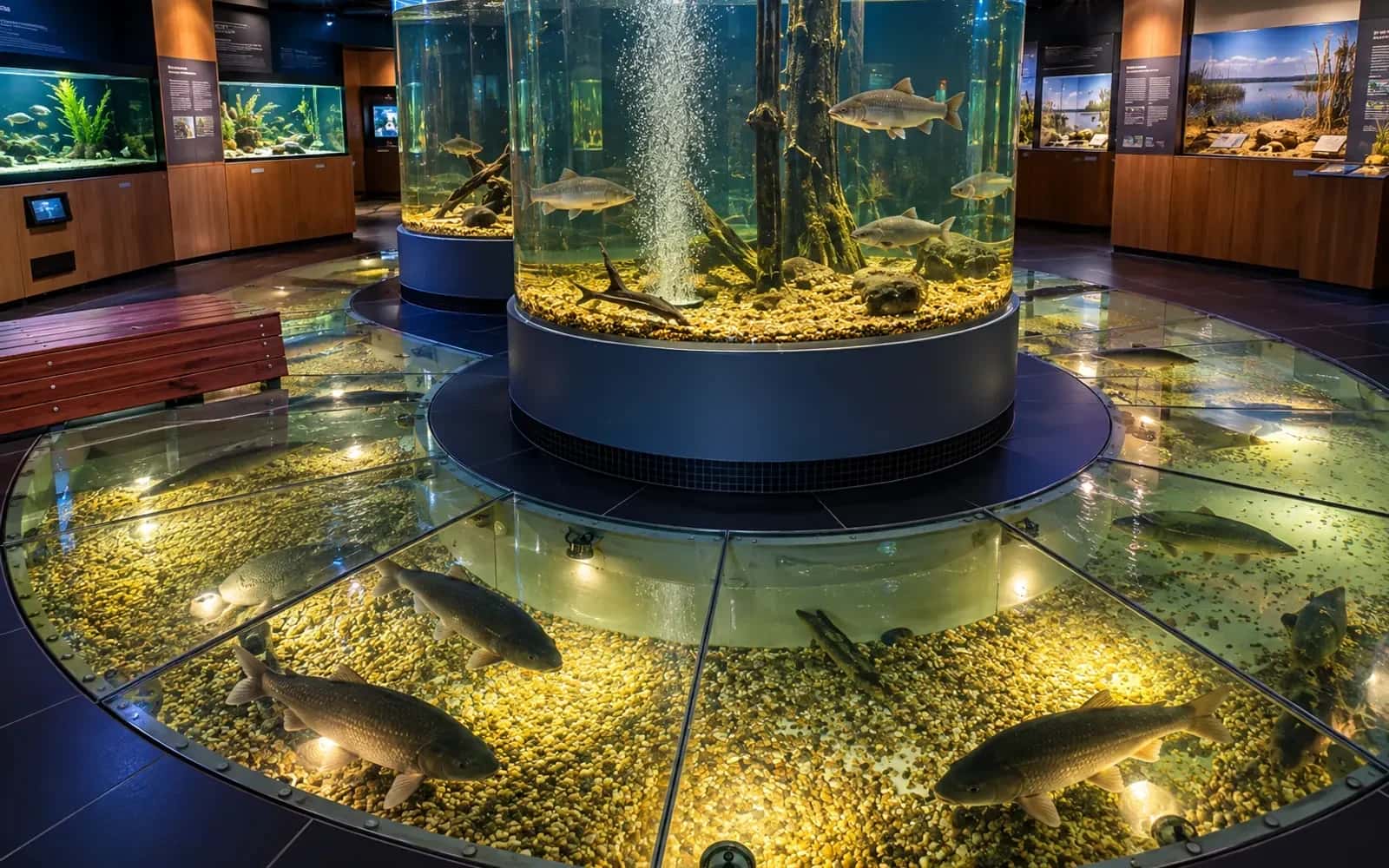
Lake Museum
The Lake Museum is a museum and learning centre of the Estonian University of Life Sciences on the shore of Lake Võrtsjärv in Vehendi village, devoted to freshwater life. The exhibition centres on aquariums with local and exotic fish, along with displays on Võrtsjärv, fishing, aquatic plants, birds, ancient fish and fish fossils. Visitors can use interactive fish identification guides and a VR experience, and there is a play area for children. Its location at the Limnology Centre links what you see indoors directly with Võrtsjärv’s nature and the setting of lake research.
Limnoloogia tee 1, Vehendi küla, Elva vald, Tartu maakond
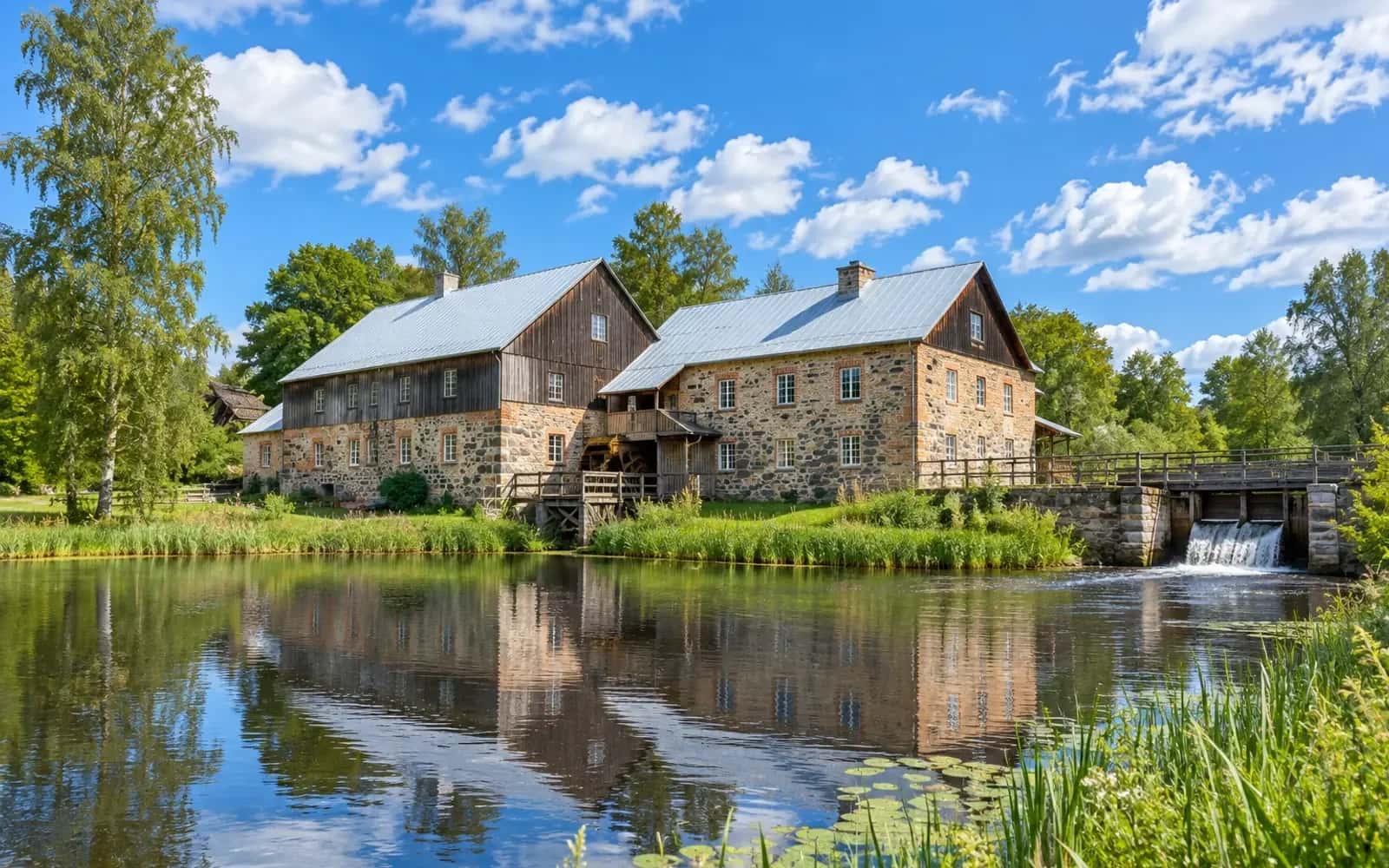
Hellenurme Mill Museum
Hellenurme Mill Museum is a historic watermill in Hellenurme village, Elva parish, where visits focus on the technology of a working mill and traditional flour milling. The mill building, founded by the Middendorff family, has preserved machinery and fittings from the 1930s, and the tour follows the grain’s journey from cleaning to flour. For group visits the mill is set running by water power, and the programme includes an explanation by the miller’s family and a tasting of mill bread. It is not a freely open permanent exhibition: an ordinary visit must be arranged with the organiser in advance.
Veski, Hellenurme küla, Elva vald, Tartu maakond
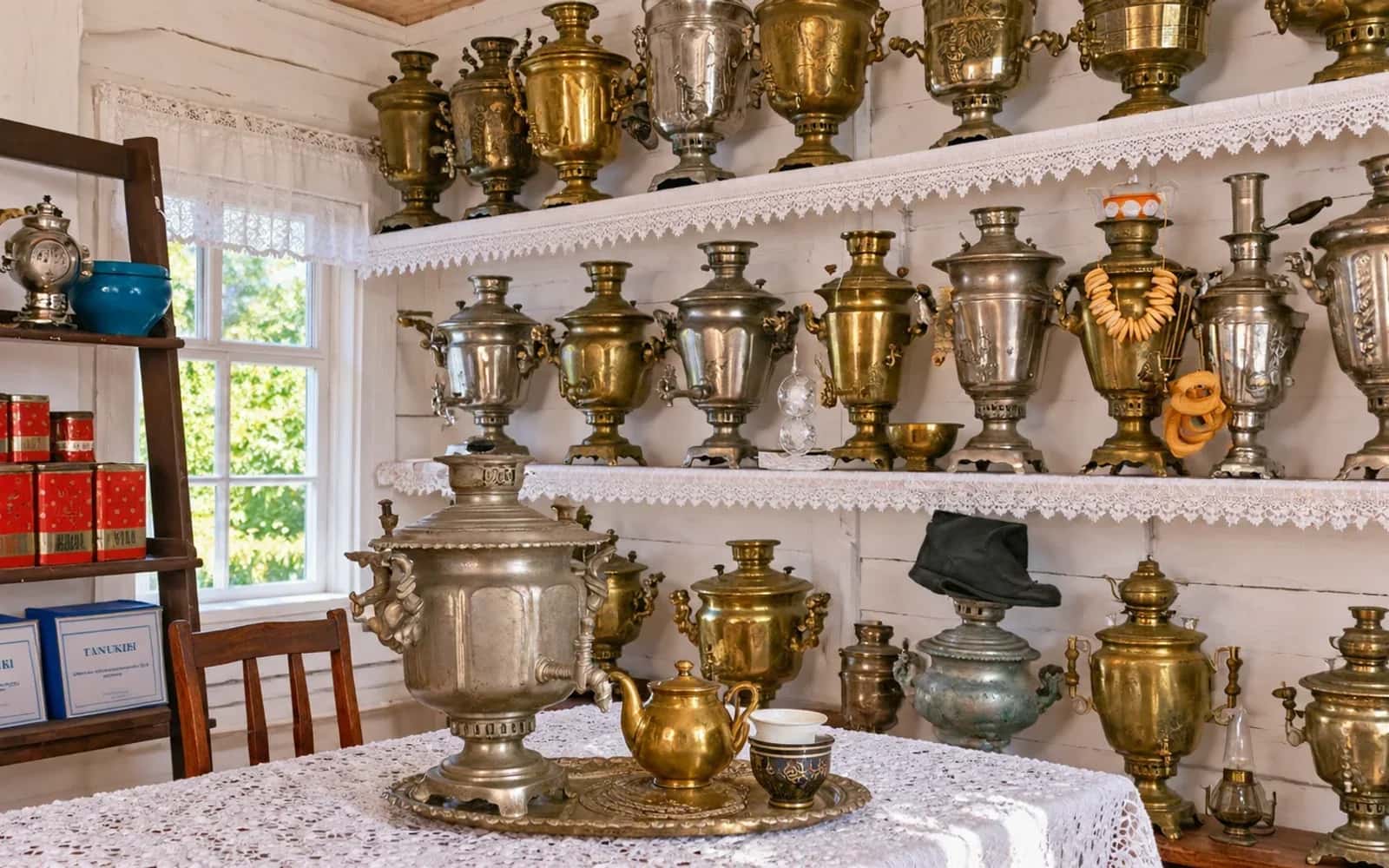
Varnja Samovar House
Varnja Samovar House is a small museum in the Old Believers’ street village of Varnja in Peipsiääre parish, devoted to samovars and the tea culture of the Lake Peipus shore. The private collection, housed in an authentic Old Believer home, includes more than 200 different samovars, and visits explain their history, uses and local tea-drinking customs. The hosts link the collection to living heritage: in a bookable tea culture workshop, samovar tea is brewed, ivan-chai is discussed and traditional boiled sugar is served. From autumn to spring, groups are received by prior arrangement.
Kesk tn 21, Varnja alevik, Peipsiääre vald, Tartu maakond
Pallas Gallery
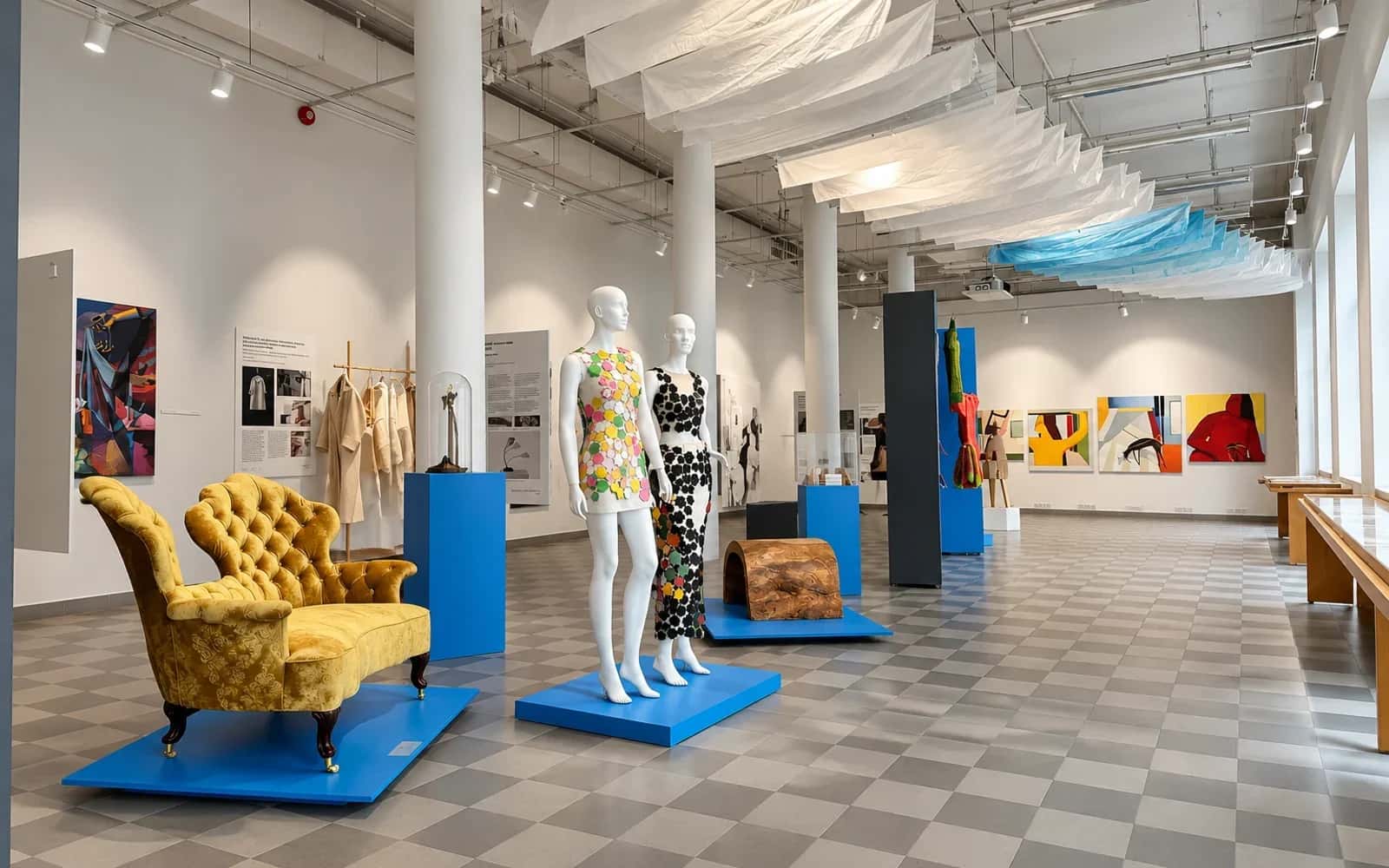
Pallas Gallery is a contemporary art gallery on Riia Street in central Tartu, run by the Pallas University of Applied Sciences. Its exhibitions present work by Pallas students, teachers, alumni and partners, and the programme includes projects related to art, design and conservation. The gallery has a large ground-floor exhibition hall, basement rooms and exhibition space on the first floor, with more than 15 exhibitions a year. The regularly changing programme makes the gallery a permanent place to follow the development of young artists and Estonian contemporary art.
Riia 11, Tartu 51010
Tartu Art House
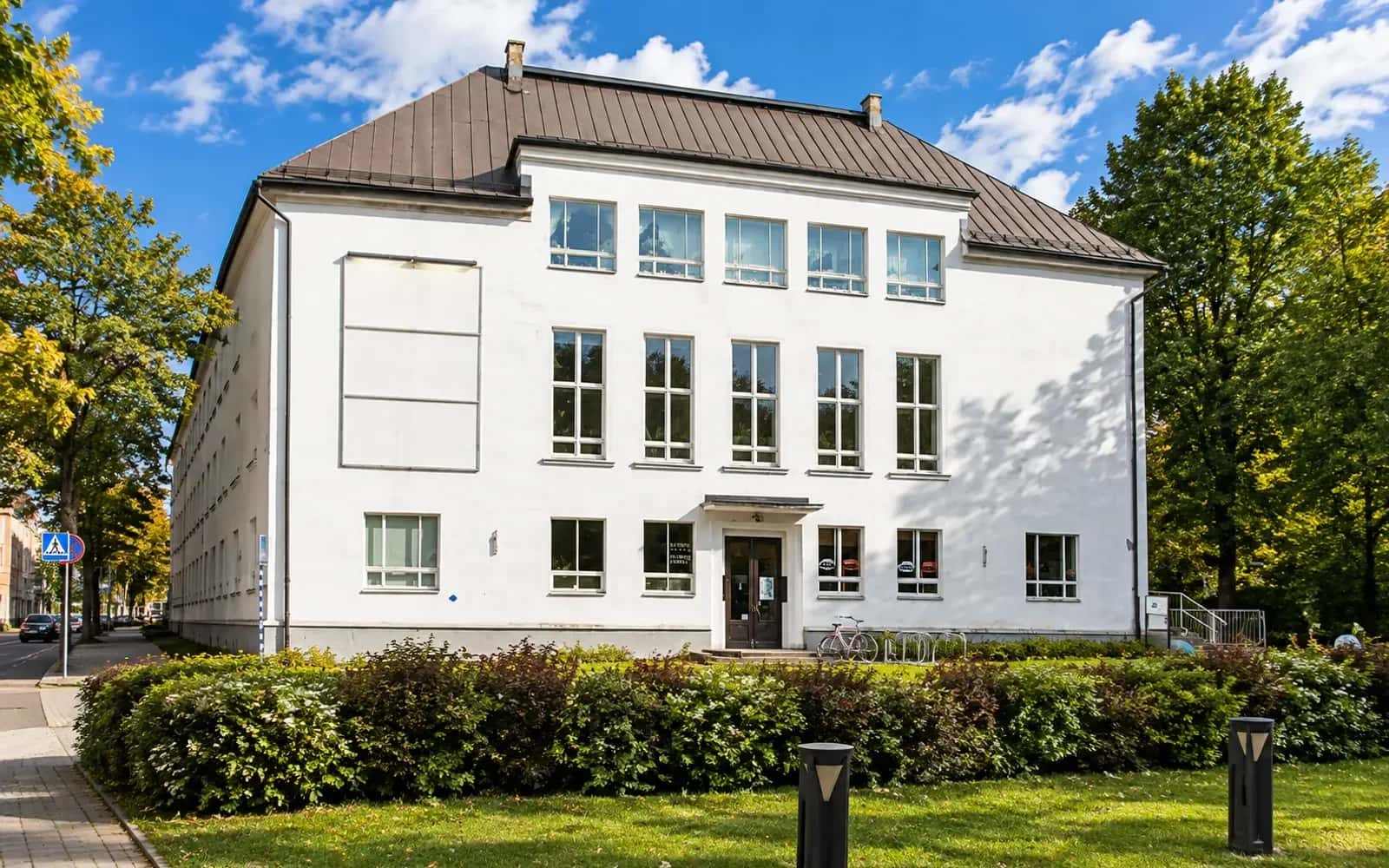
Tartu Art House is a contemporary art centre on Vanemuise Street and the home of the Tartu Artists’ Union. The building, completed in 1959, houses a large gallery, a small gallery and a monumental gallery, where changing solo and group exhibitions are held throughout the year. The programme brings together artists from Estonia and abroad and, besides exhibitions, includes curator tours, talks and educational activities. The Art House is a permanent place to get to know Tartu’s art scene, but what is on show depends on when you visit, as exhibitions change regularly.
Vanemuise 26, Tartu 51003
Explore Tartu
Restaurants & cafés
Discover the best restaurants, cafés and bars in Tartu.
All restaurants in Tartu →Apartments & stays
Discover apartments, hotels and boutique stays across the city.
All places to stay in Tartu →SPA
Discover massage studios, saunas, salons and wellness centres across the city.
All spas in Tartu →Shops
Discover the best shopping in Tartu — boutiques, local stores and unique finds.
No live listings yet in this category — be the first to join MOST here.
All shops in Tartu →Local services
Find trusted local specialists — from electricians and tutors to photographers and vets.
No live listings yet in this category — be the first to join MOST here.
All local services in Tartu →Events & festivals
Everything happening in town in one place — today's events, weekend festivals, family outings and activities for kids.
All events in Tartu →Tours & Travel
Ready-made package tours from local tour operators and travel agencies — destinations, hotels and dates in one place.
All package tours from Estonia →Upcoming in Tartu
- Sep 29Exhibition “Kes jääb ellu? Tartu 19. sajandi terviseloterii” (Who Will Survive? Tartu’s 19th-Century Health Lottery)
- Oct 31International Contemporary Music Festival AFEKT 2026
- Nov 1Exhibition Tour with Kaupo Kikkas
Practical information
- Currency
- Euro (€)
- Language
- Estonian — English is widely spoken in shops, hotels and restaurants
- Emergency number
- 112 — police, fire and ambulance, free and nationwide
- Time zone
- Eastern European Time (EET/EEST)