CITY GUIDE
Tallinn travel guide
Tallinn's roots go back to the 13th century, when Teutonic Order knights fortified Toompea hill during the northern crusades. A defensive wall followed in 1265, commissioned by Margaret Sambiria — still known locally as the "Margaret Wall." Inside it grew one of medieval Europe's most important trading centres, a leading member of the Hanseatic League whose merchant fortunes are still written into the Old Town's churches, guild halls and cobblestone streets.
History & culture
Why Tallinn
Tallinn has always been a city of two halves. Up on Toompea, the Upper Town held the castle, the cathedral and the nobility — the seat of power. Down below, the Lower Town belonged to merchants and craftsmen, and its narrow, winding streets still go by their medieval names. Together the two form one of northern Europe's best-preserved medieval townscapes, listed as a UNESCO World Heritage Site since 1997.
As Estonia's capital and largest city, Tallinn today puts nine-century-old church spires on the same skyline as a fast-growing digital economy. People arrive for the storybook streets of the Old Town — and end up staying for a city that feels genuinely lived in, not just preserved behind glass.
Not to miss
Kadriorg Palace and Park
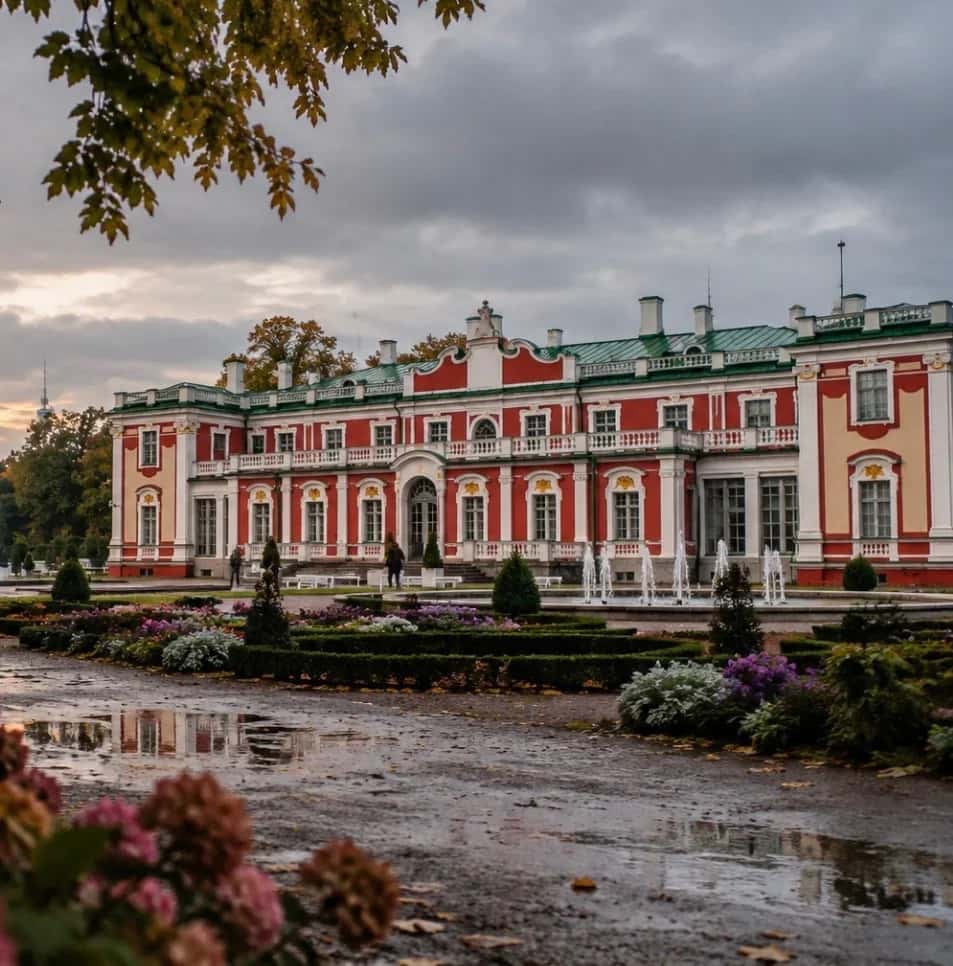
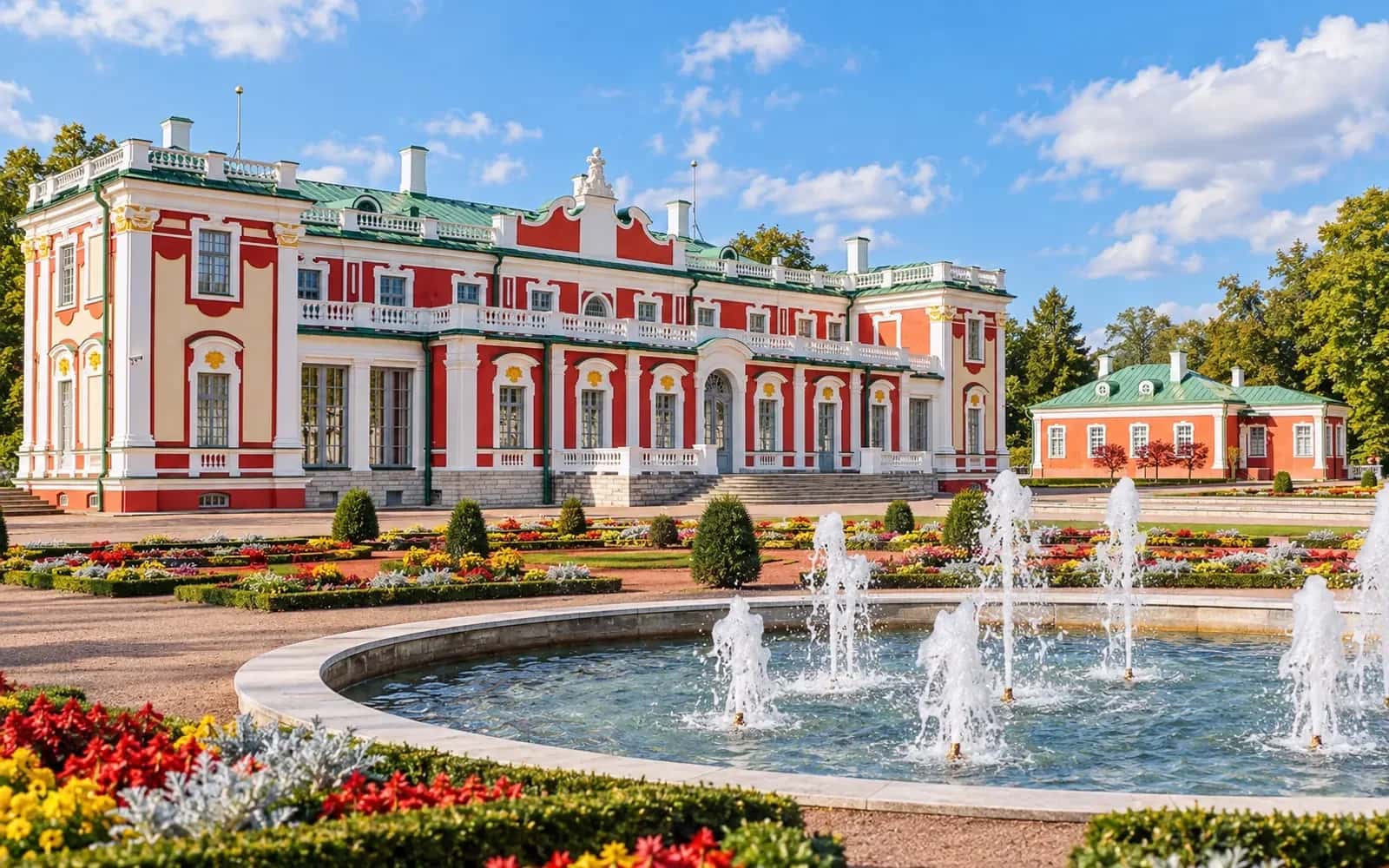
Kadriorg is one of Tallinn's most expressive palace and park ensembles, established over three centuries ago by order of Peter the Great. At the center of the ensemble is a Baroque palace surrounded by formal gardens and a large green park. Today, the palace houses an art museum with a collection of foreign art, and the walking route around it continues through flower beds, alleys, the Swan Pond, and the Japanese Garden. Kadriorg is interesting precisely for its combination of architecture, art, and landscape: in a single walk, you can see the formal part of the palace, quieter park areas, and the historic buildings of the surrounding district. Located in the immediate vicinity are Kumu and several other museums, making Kadriorg suitable for both a short stroll and a dedicated cultural itinerary lasting several hours.
A. Weizenbergi tn 37, 10127 Tallinn
Niguliste Museum and Viewing Platform
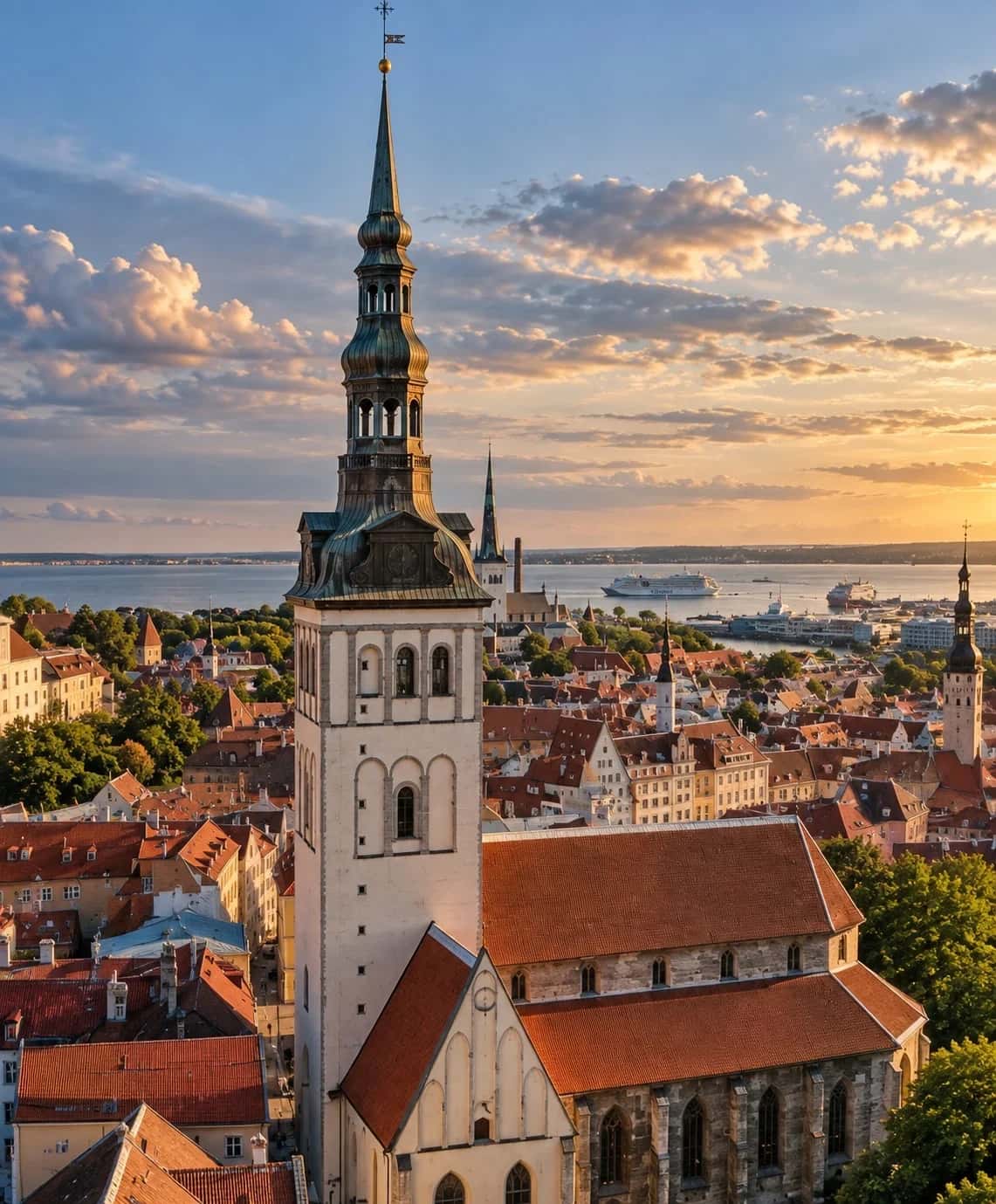
The Niguliste Museum is located in the former 13th-century medieval St. Nicholas' Church and combines historical architecture, sacred art, and one of the unique panoramas of Tallinn's Old Town. The museum's collection features important works of medieval art, including the surviving fragment of Bernt Notke's famous "Danse Macabre" and late medieval altarpieces from Northern Germany and the Netherlands. A modern glass elevator takes visitors up into the tower, which features an observation deck overlooking the historic center and its red rooftops. Because of this, Niguliste is perceived simultaneously as a museum, an architectural monument, and a viewpoint for experiencing the city's panorama. A visit is particularly suitable for those who want to combine the history of Tallinn's Old Town with a view of it from above in one place.
Niguliste tn 3, Tallinn
Tallinn's Old Town
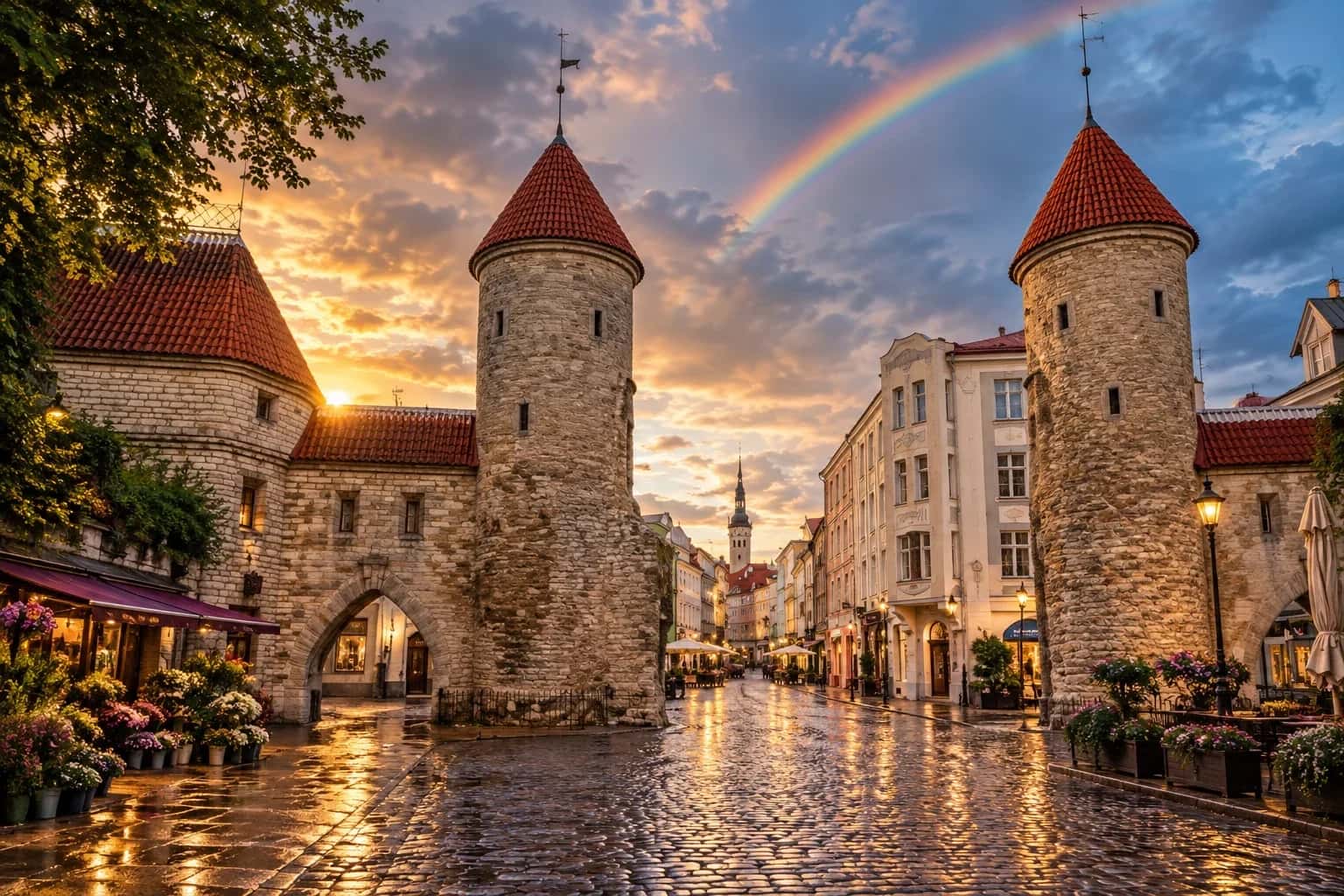
Tallinn Old Town is a rare example of a historical centre that has preserved not only individual monuments, but also its medieval urban structure: the street network, fortification walls and towers, churches, merchant houses, courtyards, and old plot boundaries. The main part of its recognizable appearance took shape between the 13th and 16th centuries, when the city, then known as Reval, developed as an important member of the Hanseatic League. In 1997, the historic centre of Tallinn was inscribed on the UNESCO World Heritage List due to the high degree of preservation and integrity of its urban environment. Here you can walk from the Lower Town to Toompea, climb the viewing platforms, explore the fortification towers and quiet courtyards. At the same time, the Old Town remains a living part of the capital with museums, cafes, craft workshops, and cultural events, which is why it is best experienced not as a single monument, but as a large, independent route.
Niguliste tn 2, 10146 Tallinn
Kiek in de Kök Fortifications Museum
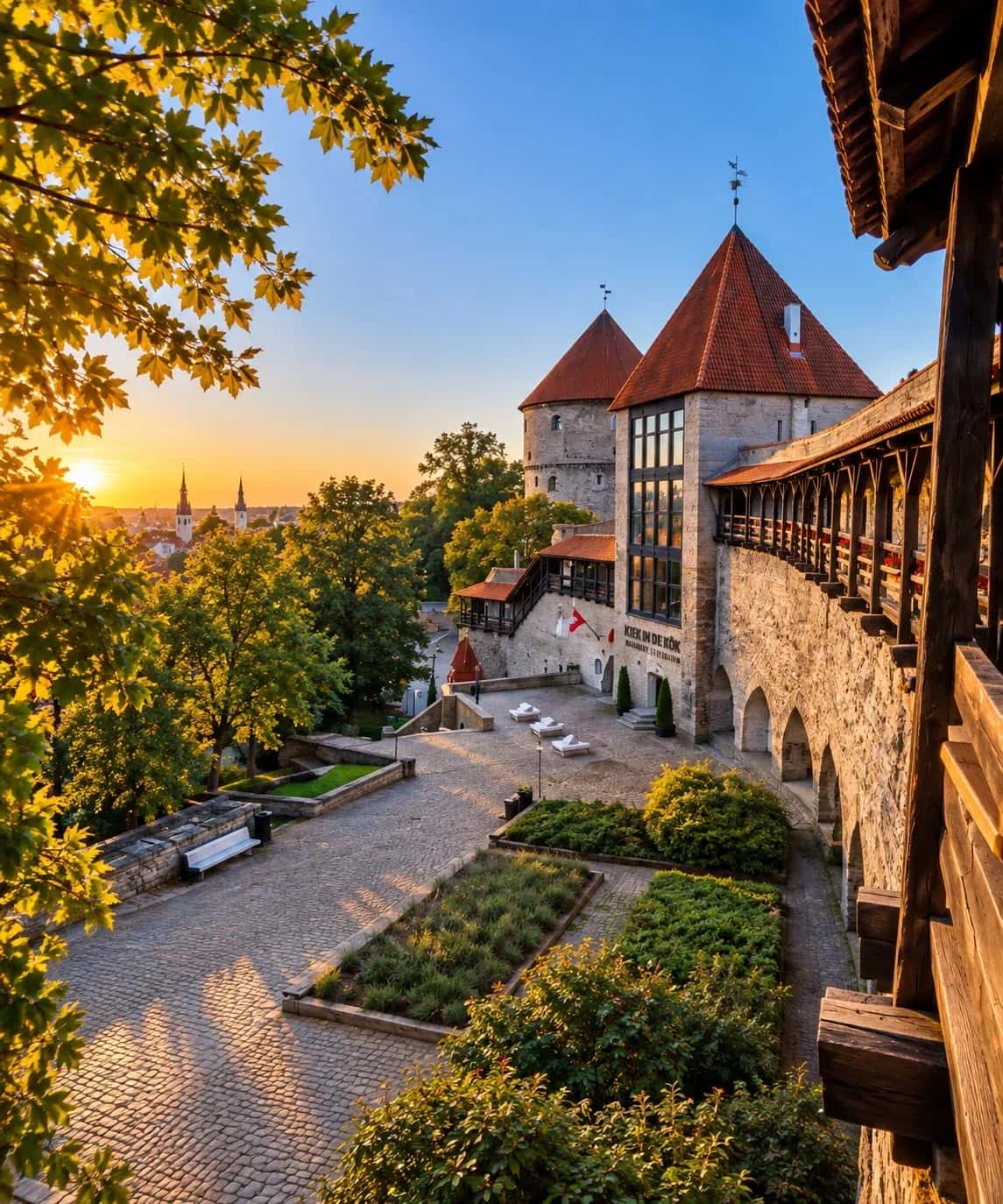
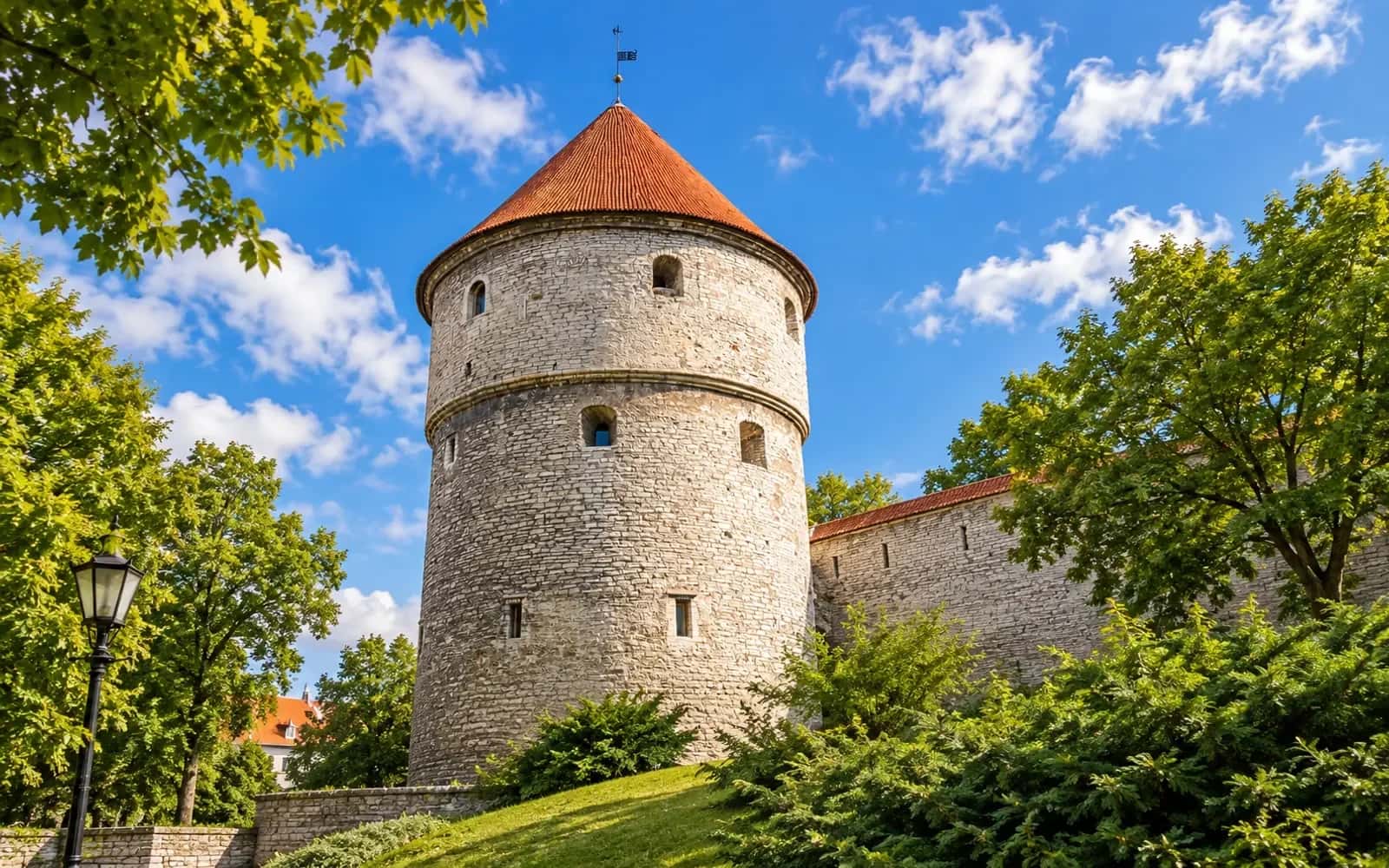
The Kiek in de Kök Fortifications Museum allows visitors to explore Tallinn's defensive history from multiple levels, ranging from massive medieval towers to underground bastion passages. The central artillery tower of Kiek in de Kök introduces the development of the city's fortifications and the military history of the capital, while the museum complex unites several defensive towers and historical spaces near Toompea. The 17th-century bastion tunnels running underground within the fortifications leave a special impression. The route offers the opportunity to view the Old Town not only as a beautiful architectural ensemble, but also as a once heavily fortified city. Thanks to the combination of towers, exhibitions, city views, and underground passages, this is one of the most comprehensive historical sites in the centre of Tallinn.
Komandandi tee 2, Tallinn
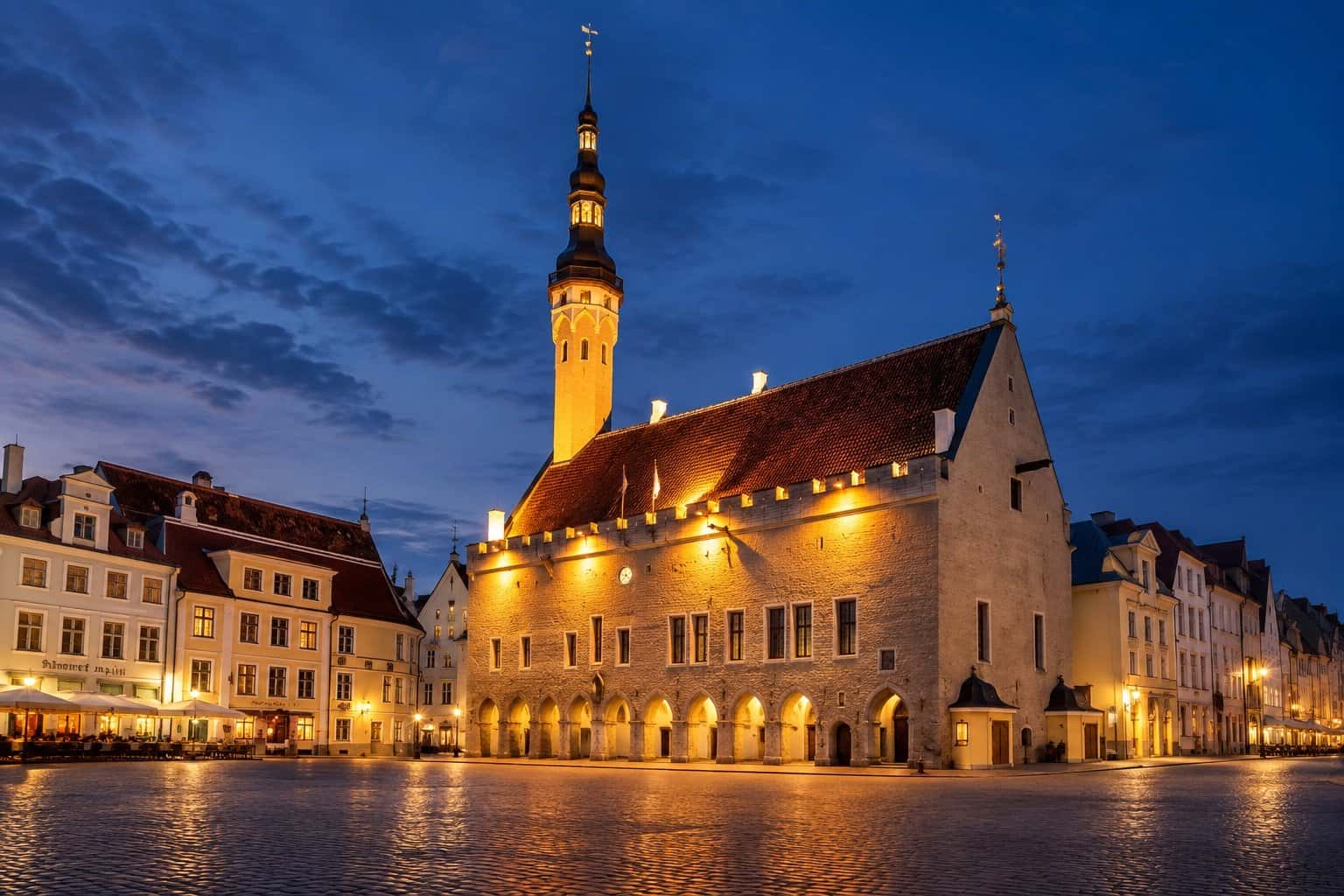
Tallinn Town Hall Square
Town Hall Square is the historic heart of Tallinn's Old Town and one of the main places where acquaintance with the city begins. Back in the Middle Ages, it was the market and the center of public life in the Lower Town, and today the square remains a natural meeting point among the narrow streets of the historic center. Its architectural dominant is the Gothic Tallinn Town Hall, whose current medieval appearance was formed at the beginning of the 15th century. Historic houses stand along the perimeter of the square, cafes and restaurants operate, and the ancient Town Hall Pharmacy is nearby. The space changes with the season: in summer, city events and open-air terraces are held here, and in winter, the square becomes the center of the Old Town's Christmas atmosphere. This is one of the best places to experience the preserved scale and character of medieval Tallinn.
Raekoja plats, Tallinn
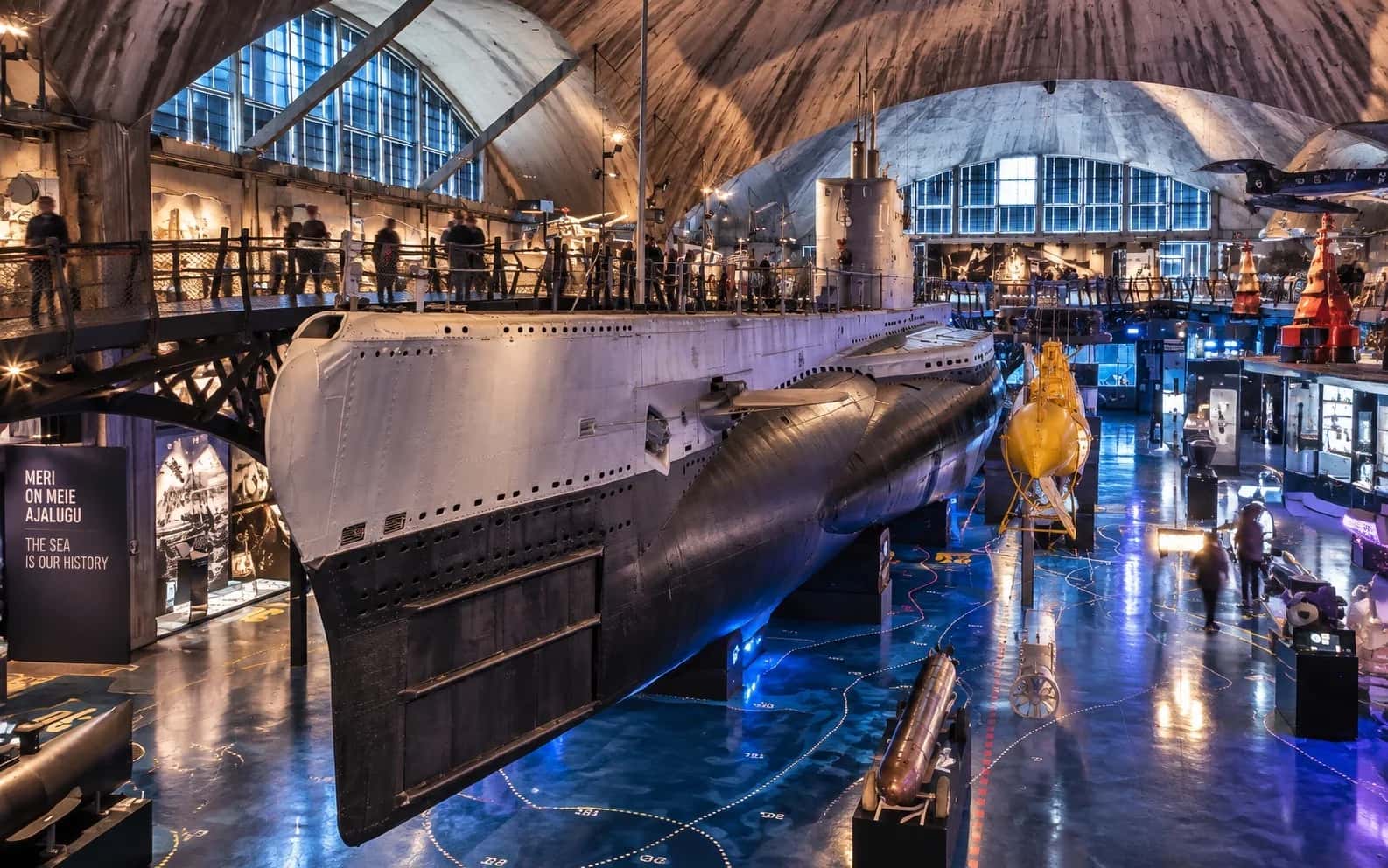
Seaplane Harbour, Estonian Maritime Museum
Seaplane Harbour is one of Tallinn's most impressive museums, housed in historic seaplane hangars by the sea. The exhibition is built around real maritime and military equipment: you can board the 1930s submarine Lembit and see vessels, naval weapons and aviation exhibits, while interactive areas introduce underwater archaeology, rescue at sea, naval aviation, the navy and marine conservation. Since the permanent exhibition was renewed, the museum is even better suited to family visits and exploring on your own. The huge reinforced-concrete domes of the hangars are an attraction in themselves, and next to them lies the site of the former seaplane harbour.
Vesilennuki 6, 10415 Tallinn
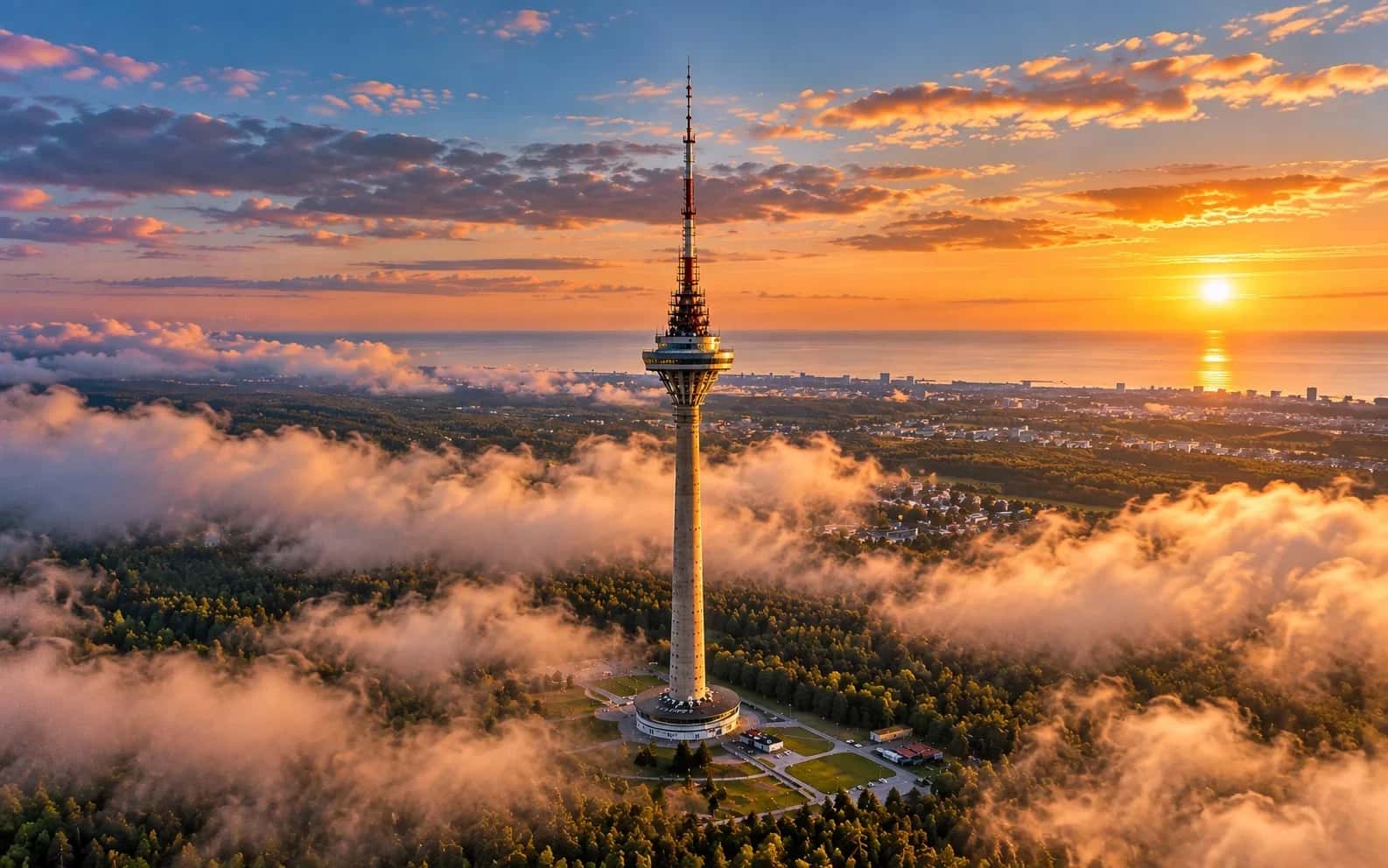
Tallinn TV Tower
Tallinn TV Tower is the tallest structure in Estonia and one of the capital's best viewpoints. The 314-metre tower was built for the sailing regatta of the 1980 Olympic Games, and in August 1991 it became one of the symbolic sites of the events that led to the restoration of Estonia's independence. Today the top houses a viewing and learning centre: visitors can look out over the city and the coast, explore an interactive exhibition on the tower's history and, when conditions allow, try a walk along the outer edge of the platform. Set in the green Pirita district, it shows Tallinn on a different scale, from the city and its forests all the way to the Gulf of Finland.
Kloostrimetsa tee 58a, 11913 Tallinn
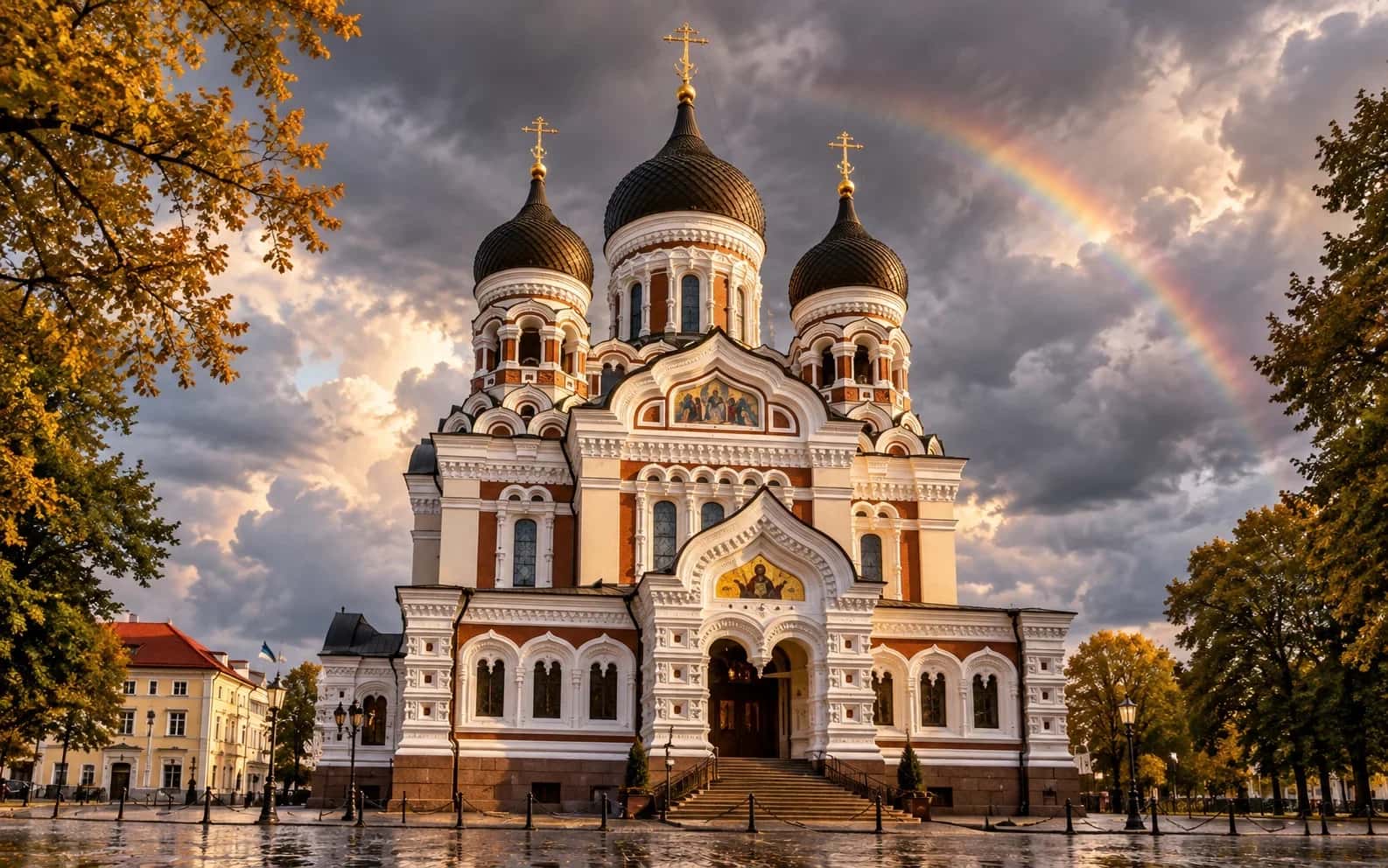
Alexander Nevsky Cathedral
Alexander Nevsky Cathedral on Toompea is one of the most recognisable landmarks of Tallinn's Old Town. The Orthodox cathedral was completed in 1900, when Estonia was part of the Russian Empire, and its construction was closely tied to the Russification policy of the late 19th century. The richly decorated façade, dark domes and mosaic panels contrast sharply with the medieval buildings of the Upper Town. Its towers hold 11 bells, including Tallinn's largest bell, which weighs about 15 tonnes. The cathedral stands directly opposite Toompea Castle, so it is easy to include in a walk around the Upper Town together with the viewing platforms and historic streets.
Lossi plats 10, 10130 Tallinn
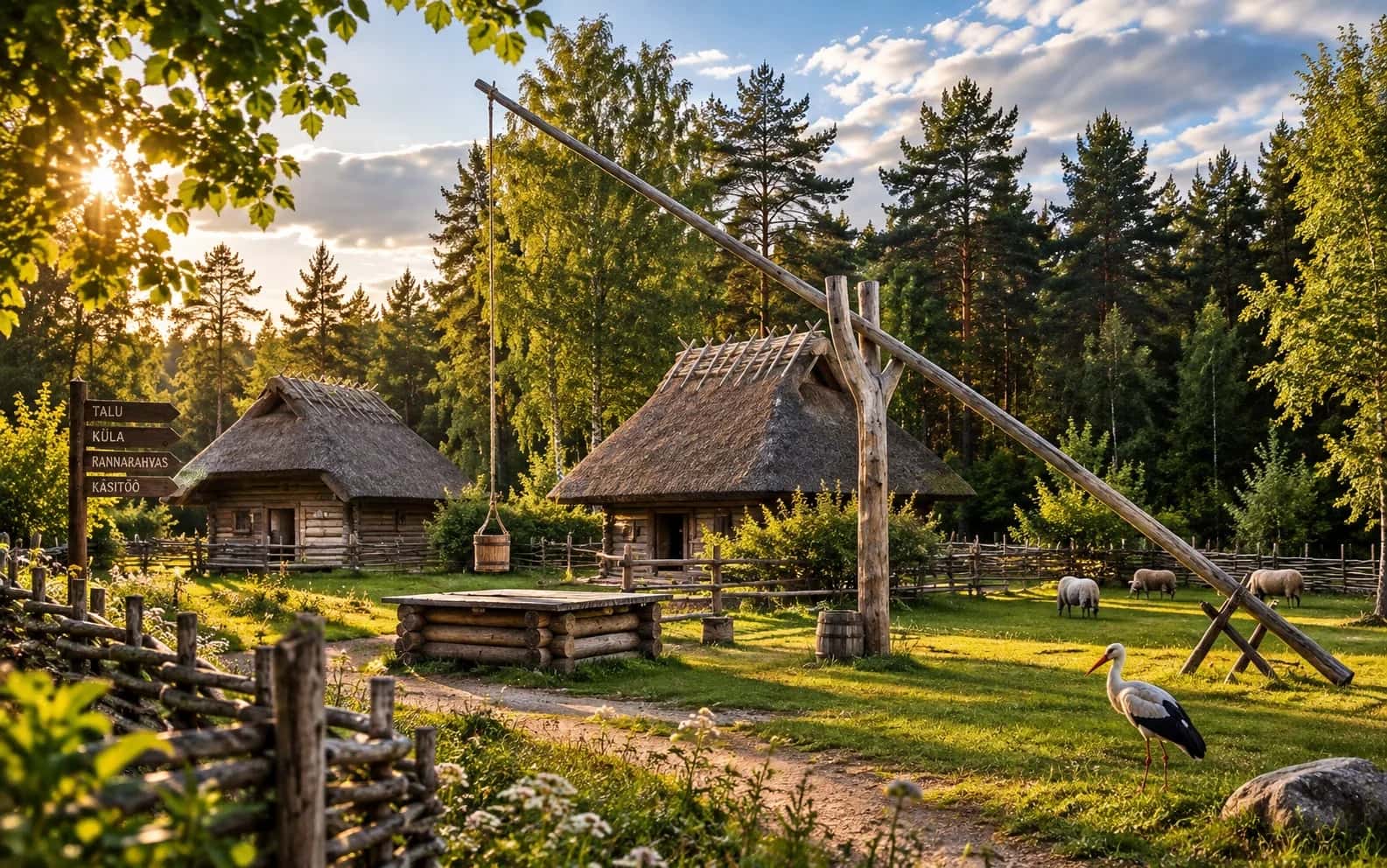
Estonian Open Air Museum
The Estonian Open Air Museum in Rocca al Mare transports traditional rural Estonia into a large seaside forest park on the outskirts of Tallinn. The territory features historical buildings from various regions of the country: farmyards, windmills, a school, a chapel, a village shop, a fire station, and fishing structures. Inside the houses, visitors can see how everyday life, economy, and living conditions of different social strata changed from the 18th to the 20th century. This museum is best experienced as a walking route rather than a single exhibition, with paths winding through forests and greenery between the sites, while the historical tavern offers traditional Estonian cuisine. Due to the large area, it is wise to allocate more time for the visit.
Vabaõhumuuseumi tee 12, 13521 Tallinn
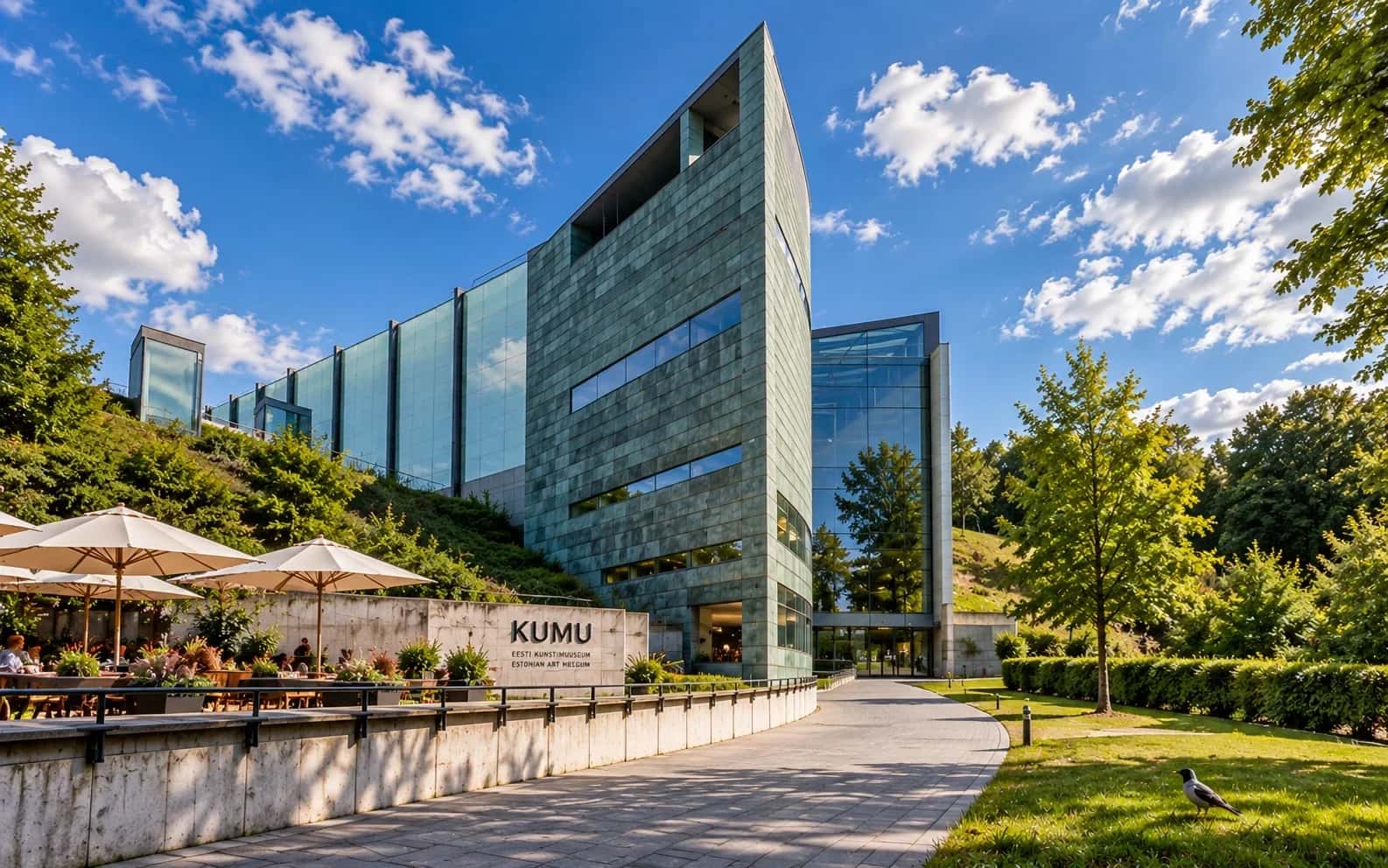
Kumu Art Museum
Kumu is the main building of the Art Museum of Estonia and one of the largest exhibition spaces in the country. The exhibitions guide visitors through various periods of Estonian art, from academic tradition and modernism to Soviet-era art and contemporary authors. The building itself, embedded in the limestone cliff between Kadriorg and Lasnamäe, has become an independent architectural landmark: the modern form of the museum interacts interestingly with the historical park and landscape. Kumu is suitable not only for those specifically interested in art — the scale of the space, temporary exhibitions, and architecture make it a great addition to a full itinerary in Kadriorg.
A. Weizenbergi 34 / Valge 1, 10127 Tallinn
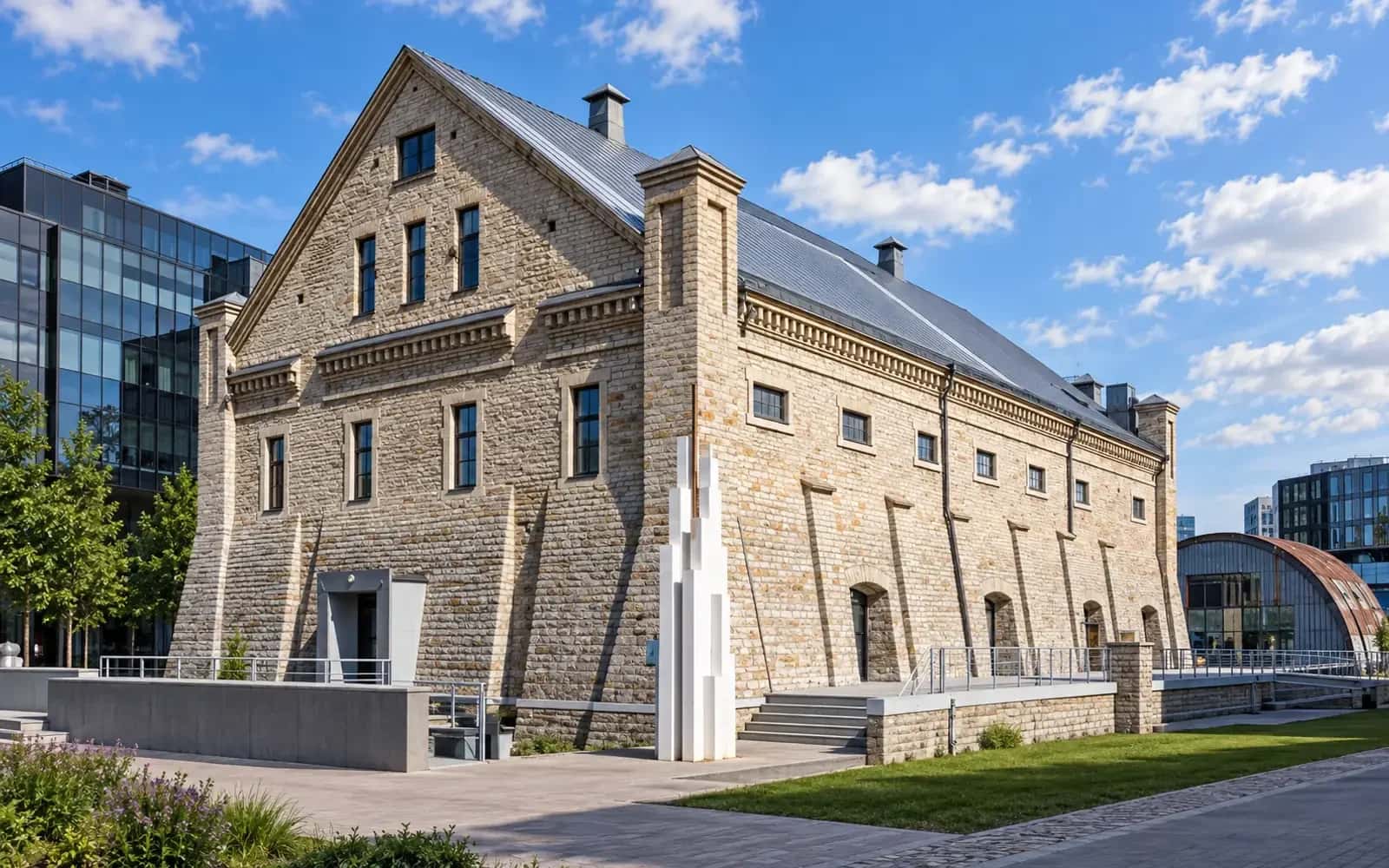
Eesti Arhitektuurimuuseum
Eesti Arhitektuurimuuseum is an architecture museum located in the Rotermann salt storage building in the port district of Tallinn, on Ahtri street. The permanent exhibition of architectural models helps visitors trace how Estonian cities and buildings changed during the 20th century. In addition to models, it features drawings, photographs, and thematic exhibitions connecting construction history with the contemporary urban environment. The industrial museum building itself is an essential part of the experience, with its massive walls and large halls recalling the area's trading past.
Ahtri 2, Tallinn
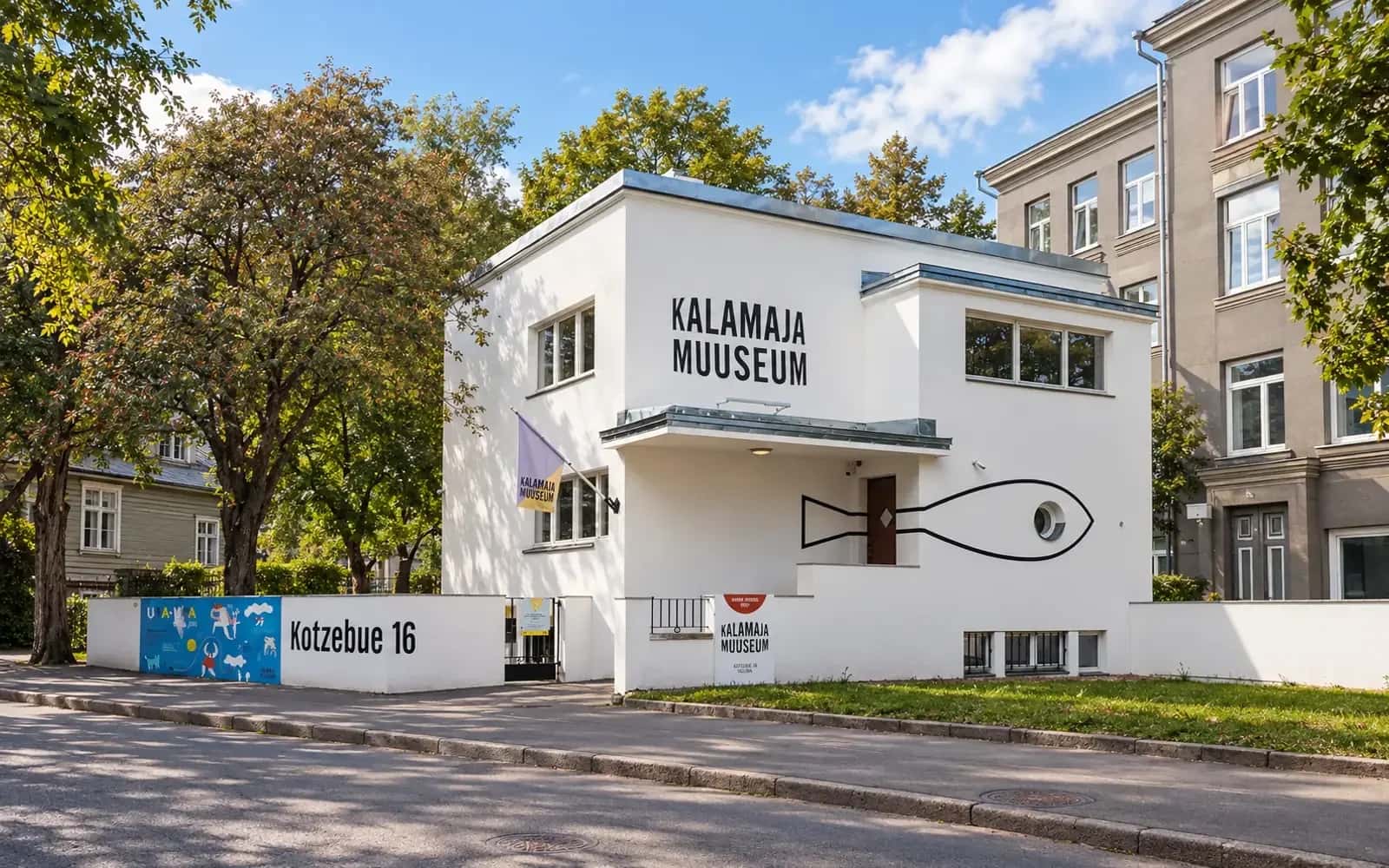
Kalamaja Museum
Kalamaja Museum is a small community museum on Kotzebue Street in Tallinn, dedicated to life in one of the city's oldest suburbs. Created with the participation of local residents, its exhibition presents the neighbourhood through everyday stories, objects, photographs and memories. The museum helps visitors see more than the architecture behind Kalamaja's wooden houses: it also reveals the lives of several generations of residents. After exploring the collection, visitors can walk the surrounding streets and compare the museum's stories with the neighbourhood today.
Kotzebue 16, Tallinn
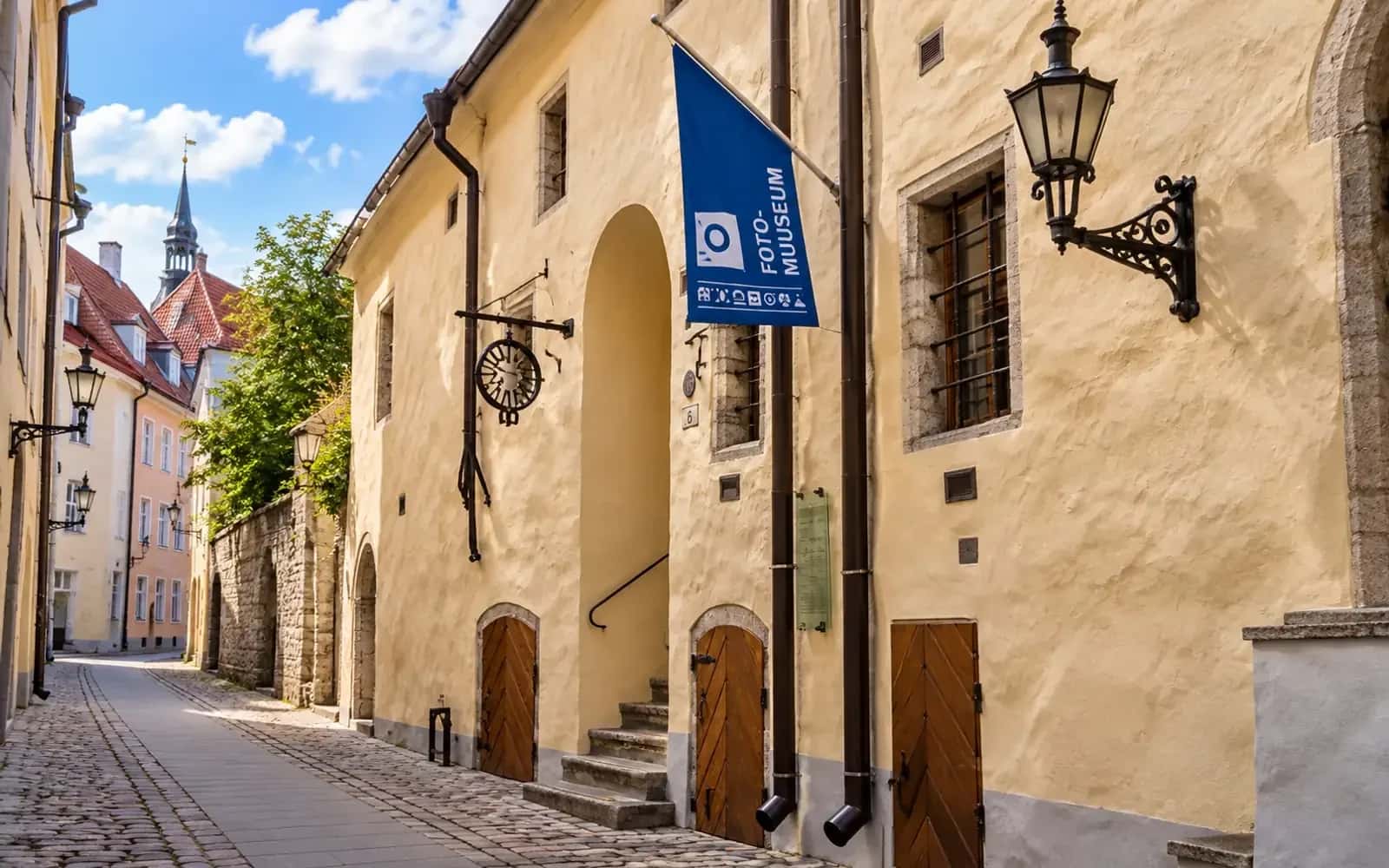
Fotomuuseum
Fotomuuseum is a photography museum located in the historic centre of Таллинн on Raekoja street, just behind the Town Hall Square. It occupies a former medieval prison building where unusual architecture meets exhibitions dedicated to photography and visual culture. Visitors can explore historical cameras, photographic techniques, and changing perspectives of photographers on the city and its people. Temporary exhibitions offer a reason to return, and the museum's intimate space fits easily into a walk through the Old Town.
Raekoja 6, Tallinn
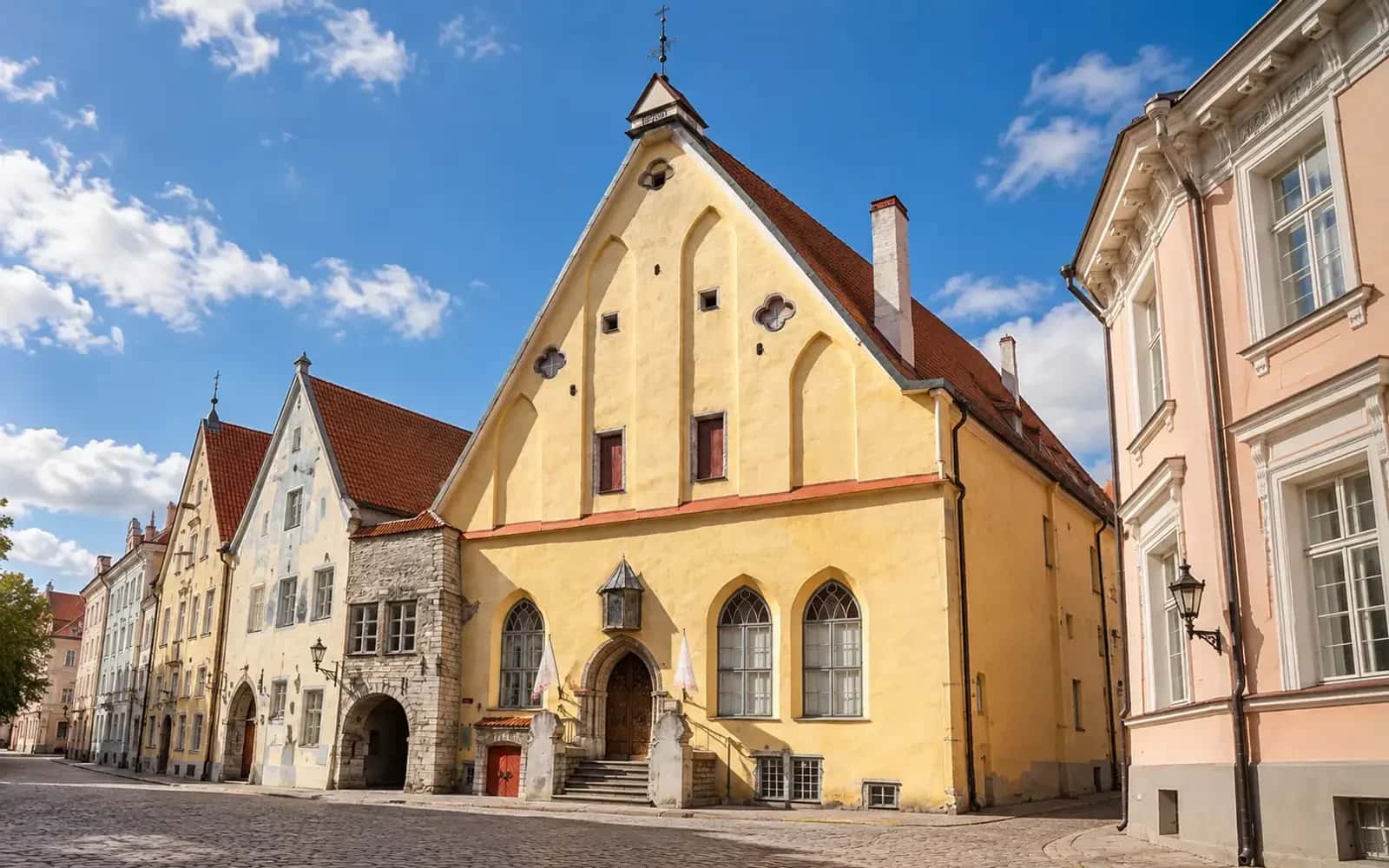
Great Guild Hall
Suurgildi hoone is a medieval Great Guild building on Pikk street in the Old Town of Tallinn, which today houses the Estonian History Museum. More than six centuries ago, this representative house was connected with the lives of influential merchants and trade associations of the city. In its halls, you can explore the history of trade, urban society, and Estonia's cultural heritage, as well as visit temporary exhibitions. The ancient interiors help to imagine the atmosphere of Hanseatic Tallinn, when trade connections determined the city's development and prosperity.
Pikk 17, Tallinn
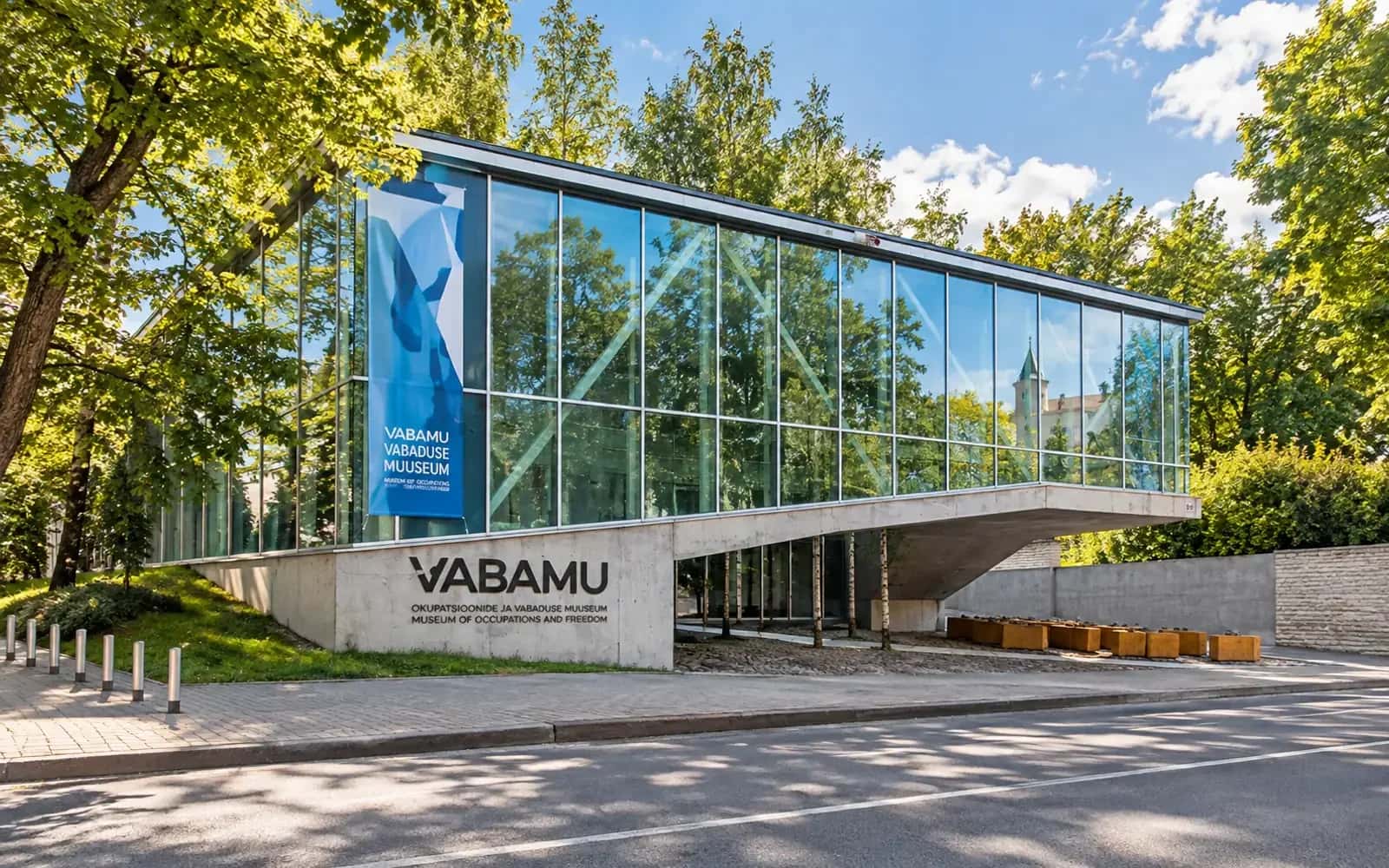
Vabamu Museum of Occupations and Freedom
The Vabamu Museum of Occupations and Freedom is a museum of Estonia's recent history on the slope of Toompea in central Tallinn. Its permanent exhibition tells the story of the occupations, the restoration of independence and the preservation of freedom through the lives of real people. Documents, personal belongings and interactive materials help explain how major historical events affected everyday life. Electronic guides are available in several languages, including Russian, and a separate children's route makes these complex subjects more accessible to younger visitors.
Toompea 8b, Tallinn
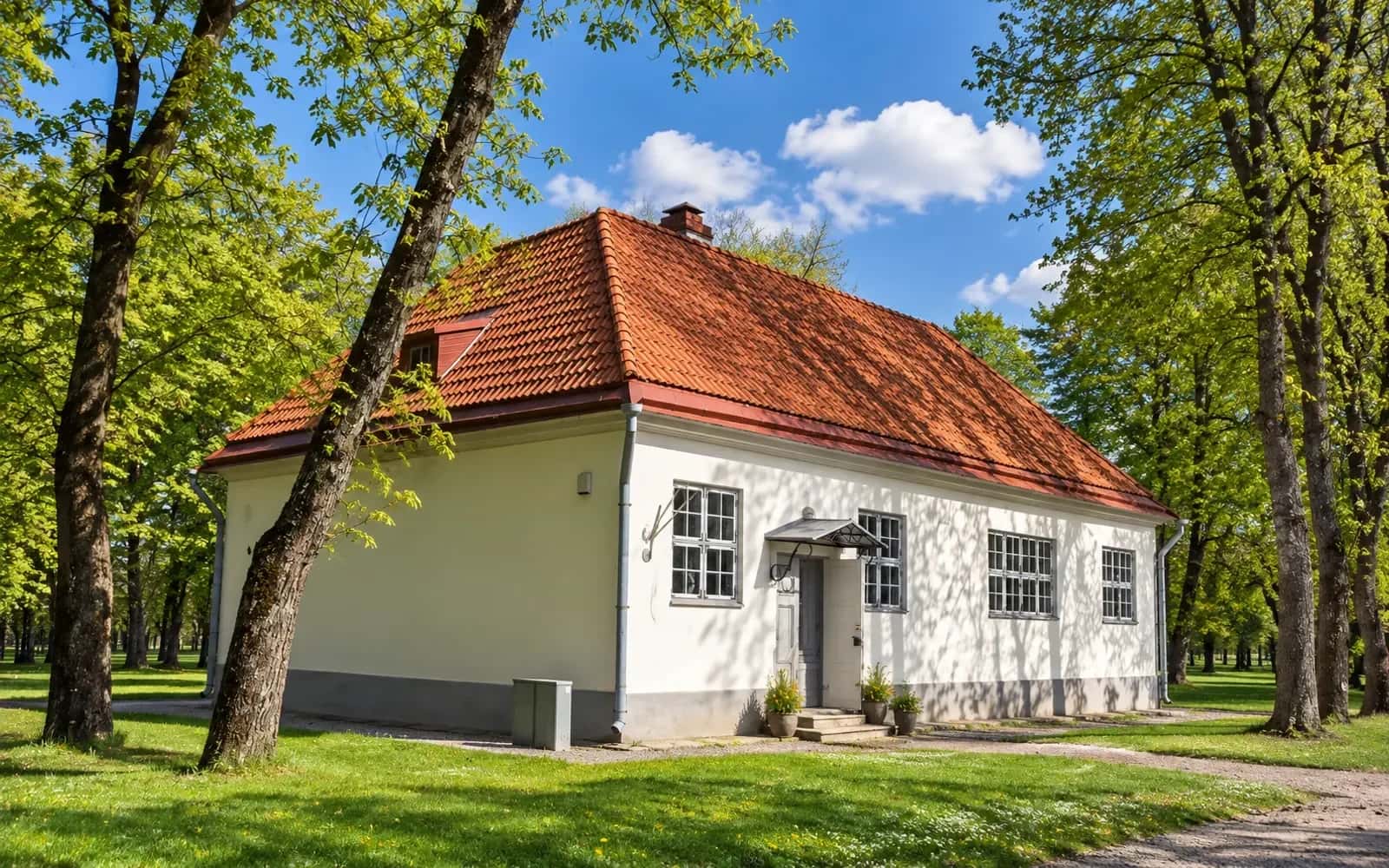
Peter the Great House Museum
The Peter the Great House Museum is in Tallinn's Kadriorg Park on Mäekalda Street and introduces the Russian Emperor Peter I and the early history of the Kadriorg area. The small historic residence was used by the emperor before Kadriorg Palace was completed, and a museum opened in it as early as 1806. The display includes period objects, furniture, artworks and historical documents. The building's modest architecture contrasts with the festive appearance of the nearby baroque palace and helps to understand how Kadriorg became an imperial summer residence. One of Tallinn's oldest museums, it offers a chance to discover the park's history in a smaller, more intimate setting.
Mäekalda 2, Tallinn
Kadriorg Art Museum
The Kadriorg Art Museum is housed in Kadriorg Palace on A. Weizenbergi Street in Tallinn and presents the foreign art collection of the Art Museum of Estonia. Built in the time of Peter I, the baroque palace is also one of Tallinn's most prestigious historic buildings. The permanent exhibition features paintings, graphic art, sculpture and applied art by Netherlandish, Russian, Italian and German artists from the 16th to the 20th century. The palace's grand main hall, ceiling painting and architectural details give the artworks a special historical setting. Besides the permanent display, the museum hosts temporary exhibitions, lectures and concerts. A visit can be combined with a walk in Kadriorg Park.
A. Weizenbergi 37, Tallinn
Eduard Vilde Museum
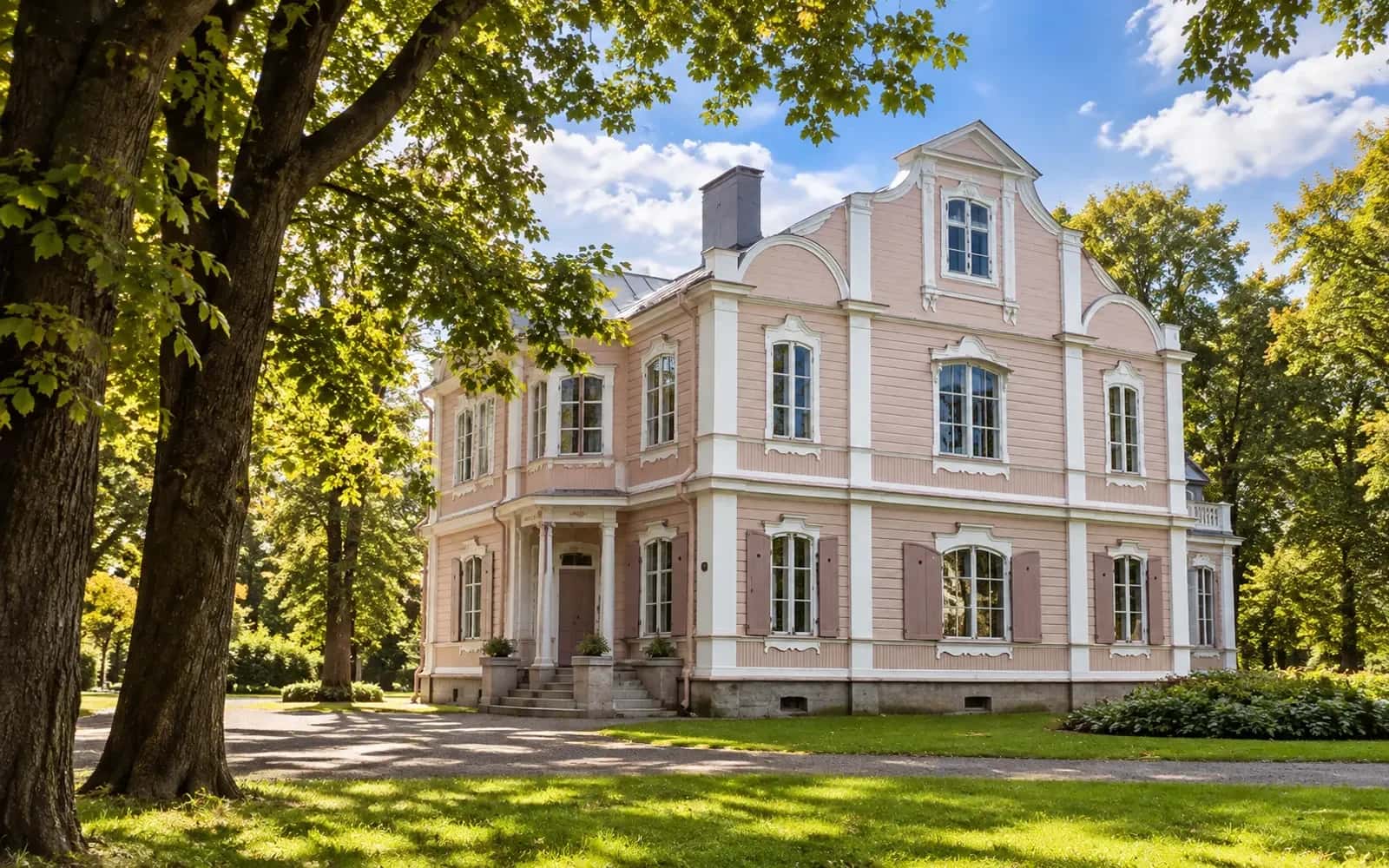
The Eduard Vilde Museum is located in Tallinn's Kadriorg district on Rohelise aasa Street, in the writer's last home. The interior museum in a neo-baroque house introduces Eduard Vilde's life, work and everyday surroundings. The preserved historical furnishings, including pieces made by the Luther furniture factory, help to picture the writer's home in the 1920s and 1930s. The display also covers Vilde's travels, his social views and his importance in Estonian literature. The Kastellaanimaja gallery on the building's first floor hosts changing art and literature exhibitions. The museum offers a chance to discover Estonian cultural history in the historic setting of Kadriorg.
Roheline aas 3, Tallinn
Mikkel Museum
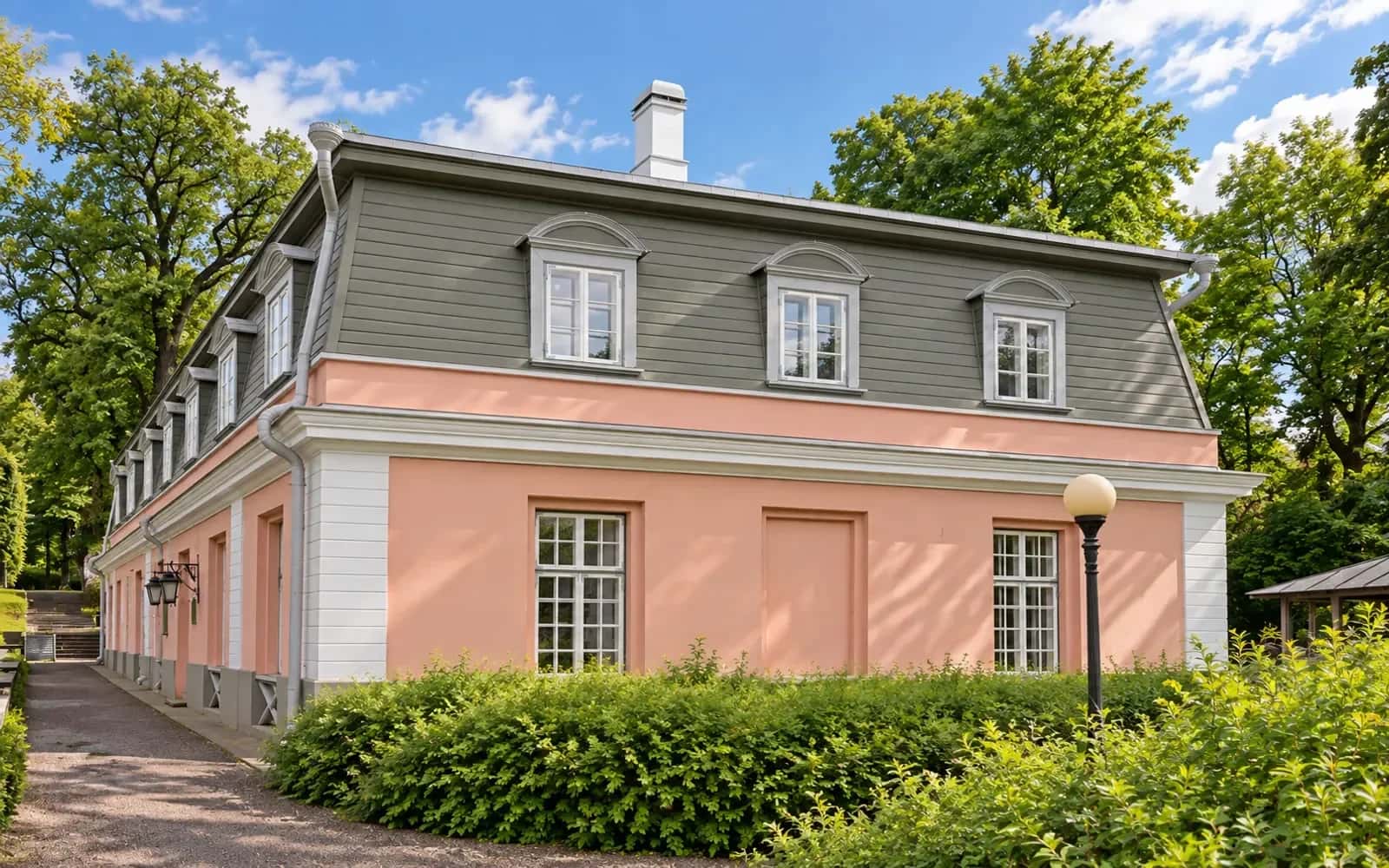
The Mikkel Museum is located in Tallinn's Kadriorg district on A. Weizenbergi Street and is dedicated to private collections and art collecting. The core of the museum's display is the collection donated by the art collector Johannes Mikkel, which includes European and Chinese porcelain, ceramics, painting and graphic art. The display makes it possible to compare the artistic traditions of different countries and follow how one collector's personal world of art took shape. Besides the permanent exhibition, the museum hosts changing exhibitions presenting historical and contemporary private collections. The museum is close to the Kadriorg Art Museum and fits well into a shared art-themed walk.
A. Weizenbergi 28, Tallinn
Kiek in de Kök Fortifications Museum
The Kiek in de Kök Fortifications Museum is located in Tallinn's Old Town on Komandandi tee and introduces the city's medieval defence system. The museum complex includes the Kiek in de Kök artillery tower, the Maiden Tower, the Stable Tower, the Short Leg Gate Tower and the underground bastion passages. The exhibitions let you explore historical weapons, the development of the city fortifications and the stories of people who lived in the towers and along the town wall. The wall gallery offers views over the Old Town, while the bastion passages introduce underground defensive architecture. Because of the many floors, stairs and passages, allow plenty of time for a visit. The museum can be explored as a whole or in parts.
Komandandi tee 2, Tallinn
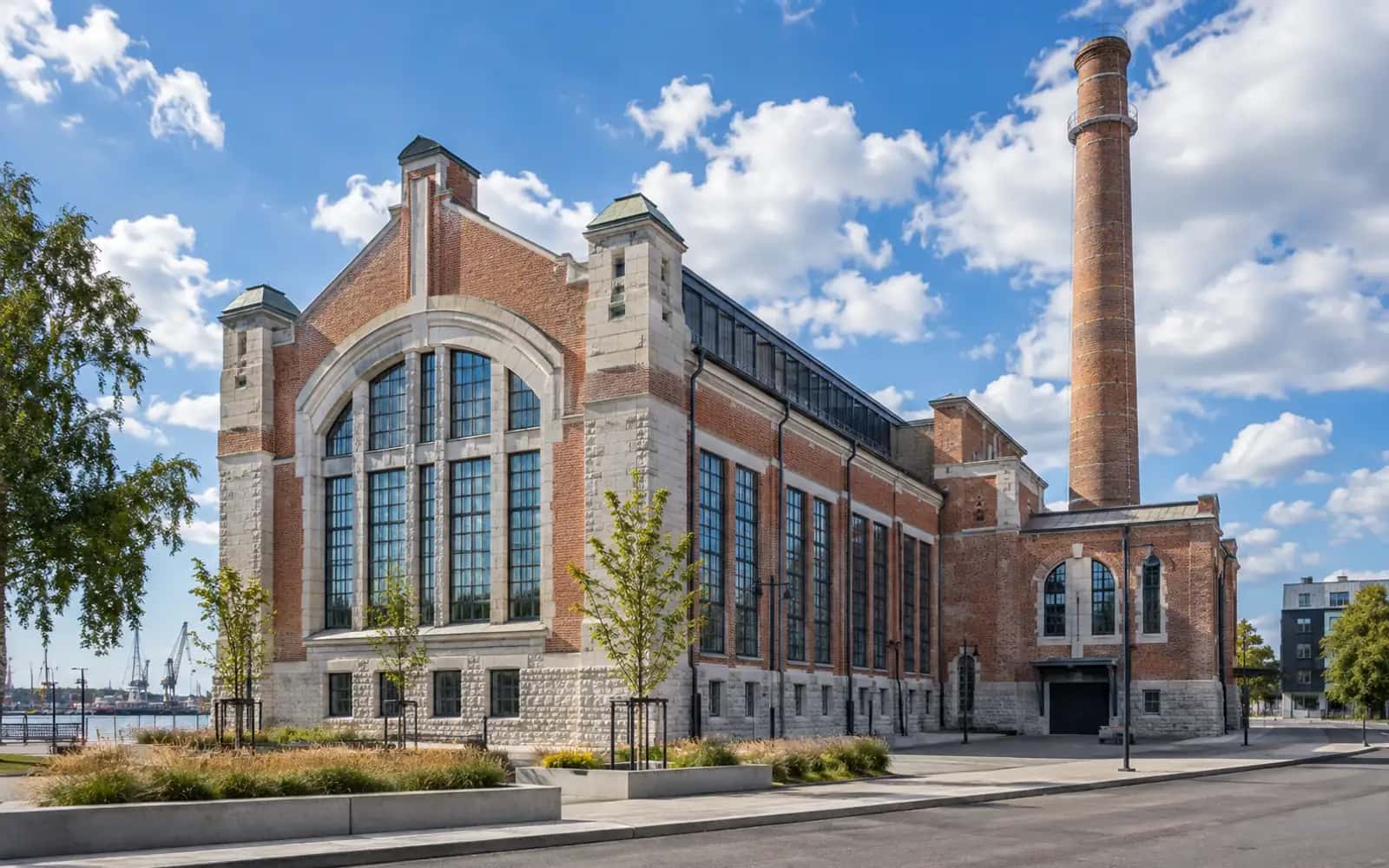
Energy Discovery Centre
The Energy Discovery Centre is an interactive science centre on Põhja Boulevard in Tallinn, housed in a historic power station building. Visitors can explore how electricity, light, sound and other natural phenomena work through hands-on exhibits. Among the centre's best-known experiences are lightning demonstrations with Tesla coils, which show electrical phenomena in a safe setting. The science centre suits both families and school groups, combining playful discovery with scientific explanations. The building's industrial architecture gives the exhibitions a special backdrop and helps convey the importance of electrical energy to the city.
Põhja pst 29, Tallinn
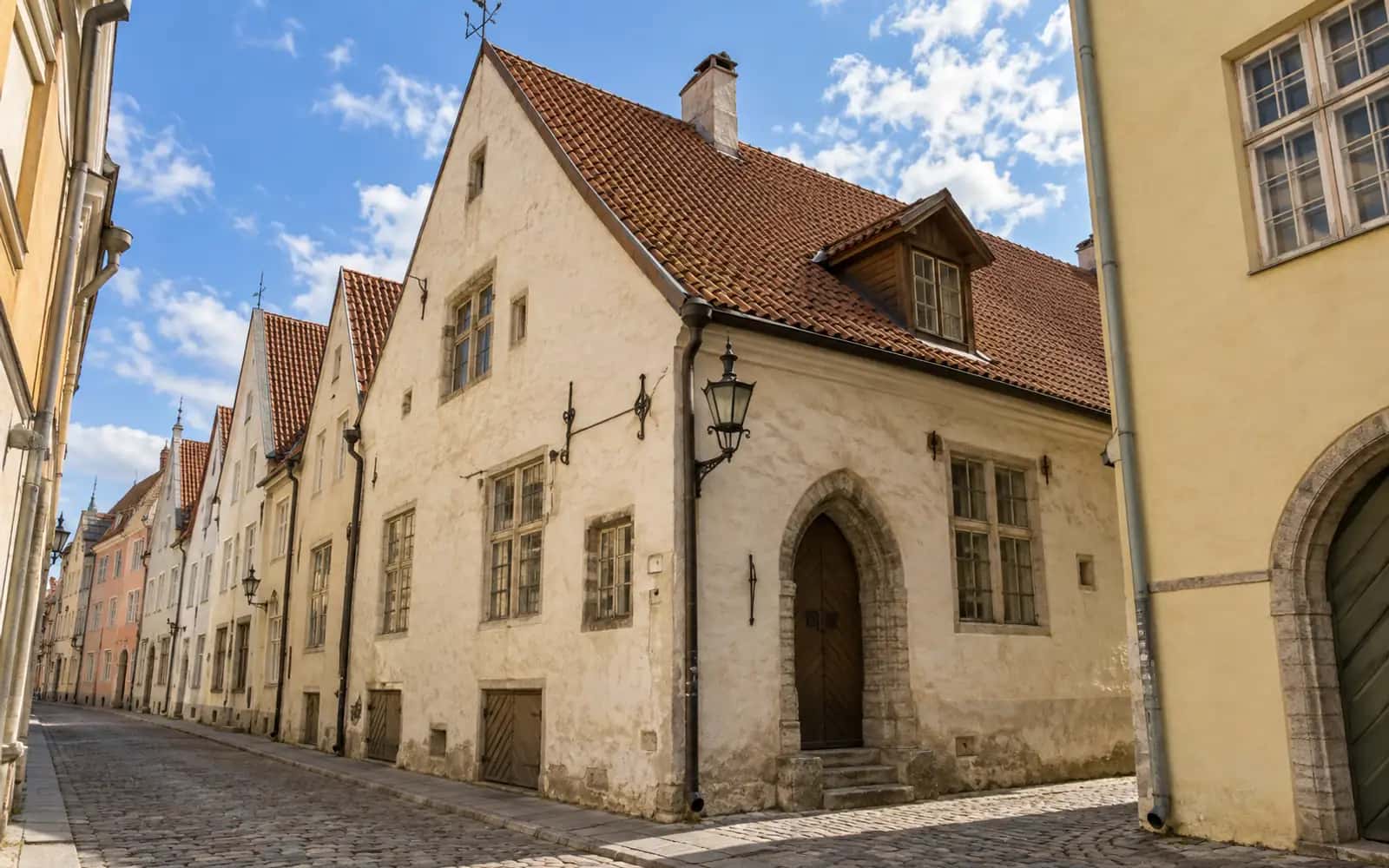
Museum of the Peoples of Tallinn
The Museum of the Peoples of Tallinn is on Pikk Street in the Old Town and presents the cultural heritage of the different peoples who have lived in the city. The museum's exhibitions and public programme deal with people's stories, community traditions and their contribution to the shaping of Tallinn. Visitors can reflect on how different languages, customs and life experiences have influenced the city's everyday life. The museum combines a historic Old Town building with contemporary exhibitions and gatherings. It is a separate venue from the other branches of Tallinn City Museum and suits anyone interested in the city's diverse social history.
Pikk tn 29a, Tallinn
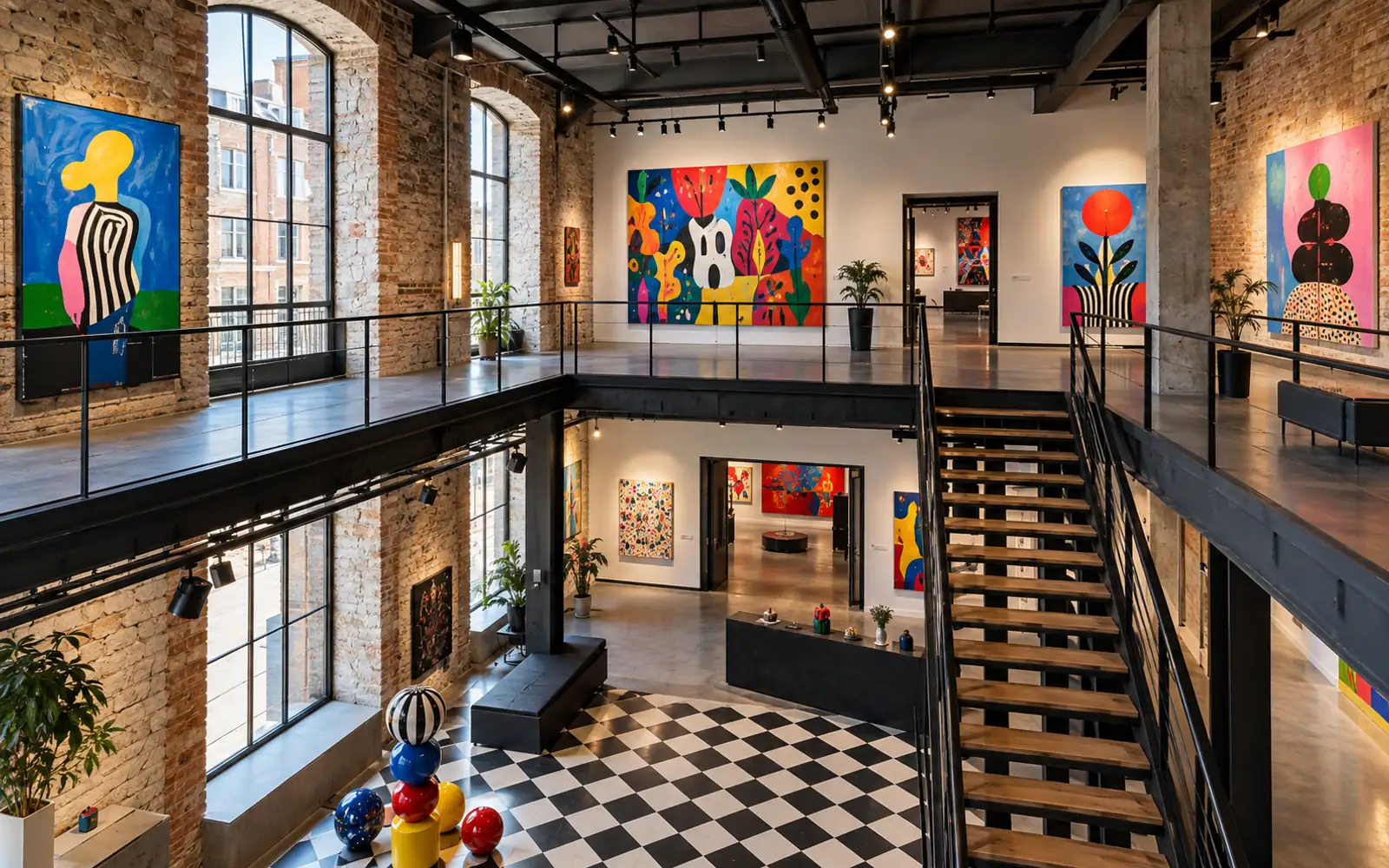
PoCo Pop Art Museum
The PoCo Pop Art Museum in Tallinn's Rotermann Quarter focuses on pop art and contemporary visual culture. The display brings together works by well-known international artists and artistic techniques from different eras that draw on advertising, consumer culture, humour and social criticism. The museum invites visitors to compare pop art classics with newer forms of expression and to notice how art relates to everyday images. Set among Rotermann's historic industrial buildings and modern architecture, the museum fits well into an art-themed walk through the city centre.
Rotermanni tn 2, Tallinn
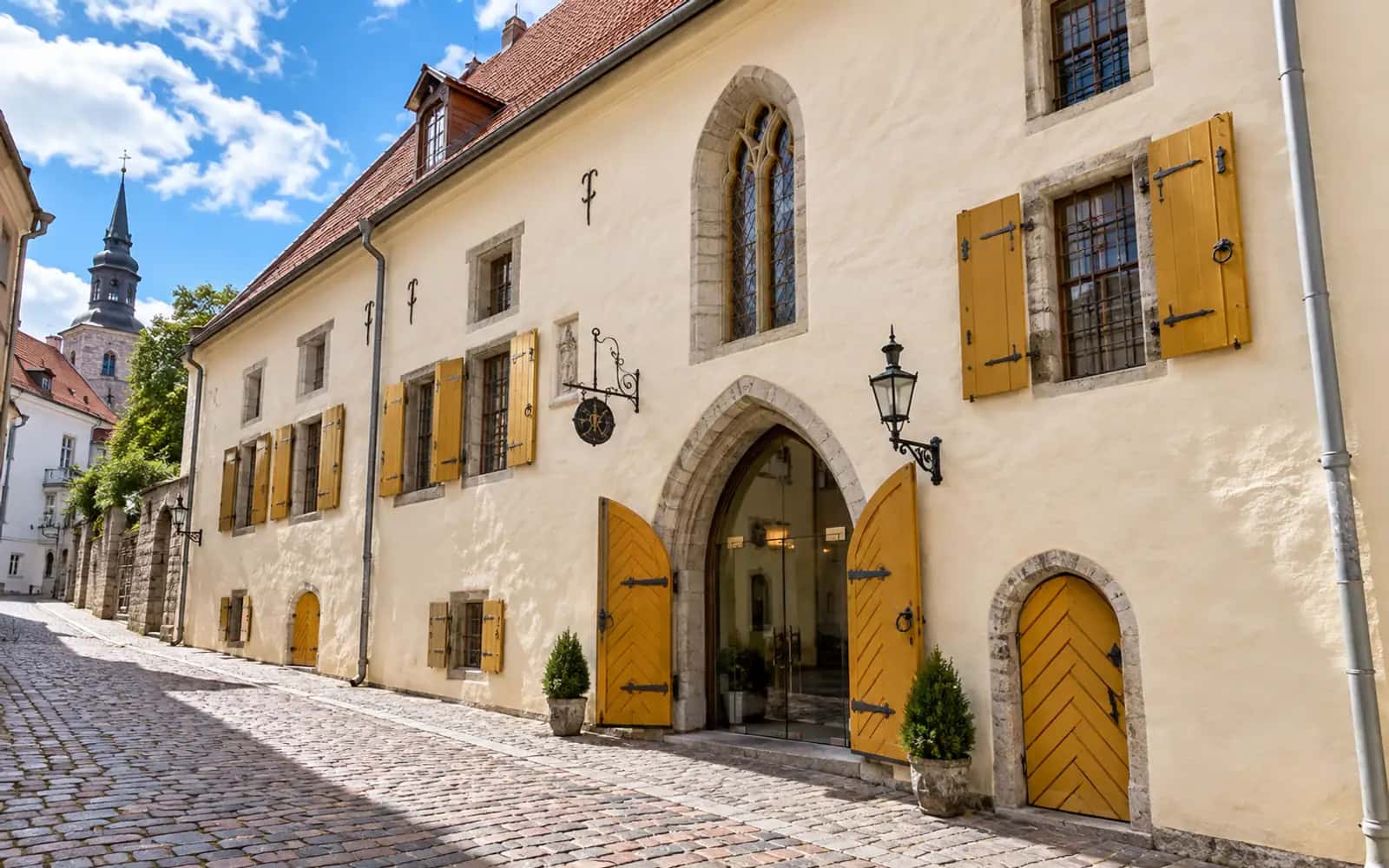
Estonian Health Care Museum
The Estonian Health Care Museum is located in historic buildings on Lai Street in Tallinn's Old Town. Its permanent exhibition introduces the human body, anatomy, physiology and health-related choices. In the exhibition rooms visitors can examine models, try interactive displays and learn how different organs and bodily functions are connected. The exhibition explains health in an accessible way for adults and younger visitors alike. Besides the permanent exhibition, the museum organises temporary exhibitions and educational programmes. Its Old Town location makes it easy to combine a museum visit with a walk through Tallinn's historic streets.
Lai tn 30, Tallinn
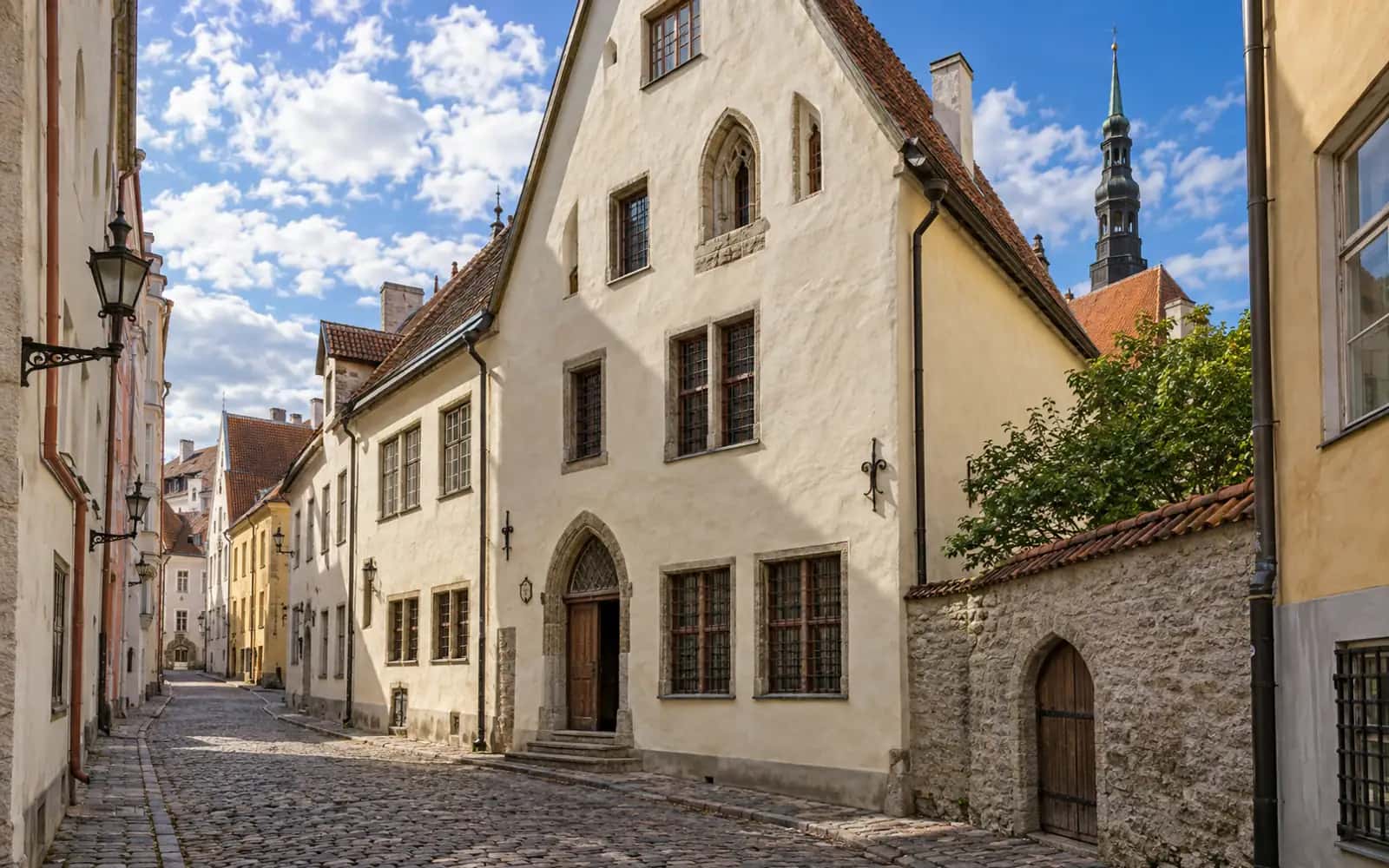
Tallinn City Life Museum
The Tallinn City Life Museum is located in a medieval merchant's house on Vene Street in the Old Town. The museum presents the everyday life of Tallinn's residents and how the townscape changed over the ages. The historic building itself is an important part of the visit: its rooms help visitors imagine how people lived and worked in the old trading town. The exhibitions link material heritage with the stories of townspeople, trade and social change. The museum offers a chance to discover Tallinn's history right at its heart, away from the larger squares. A visit can be combined with exploring the nearby Old Town streets and architectural monuments.
Vene tn 17, Tallinn
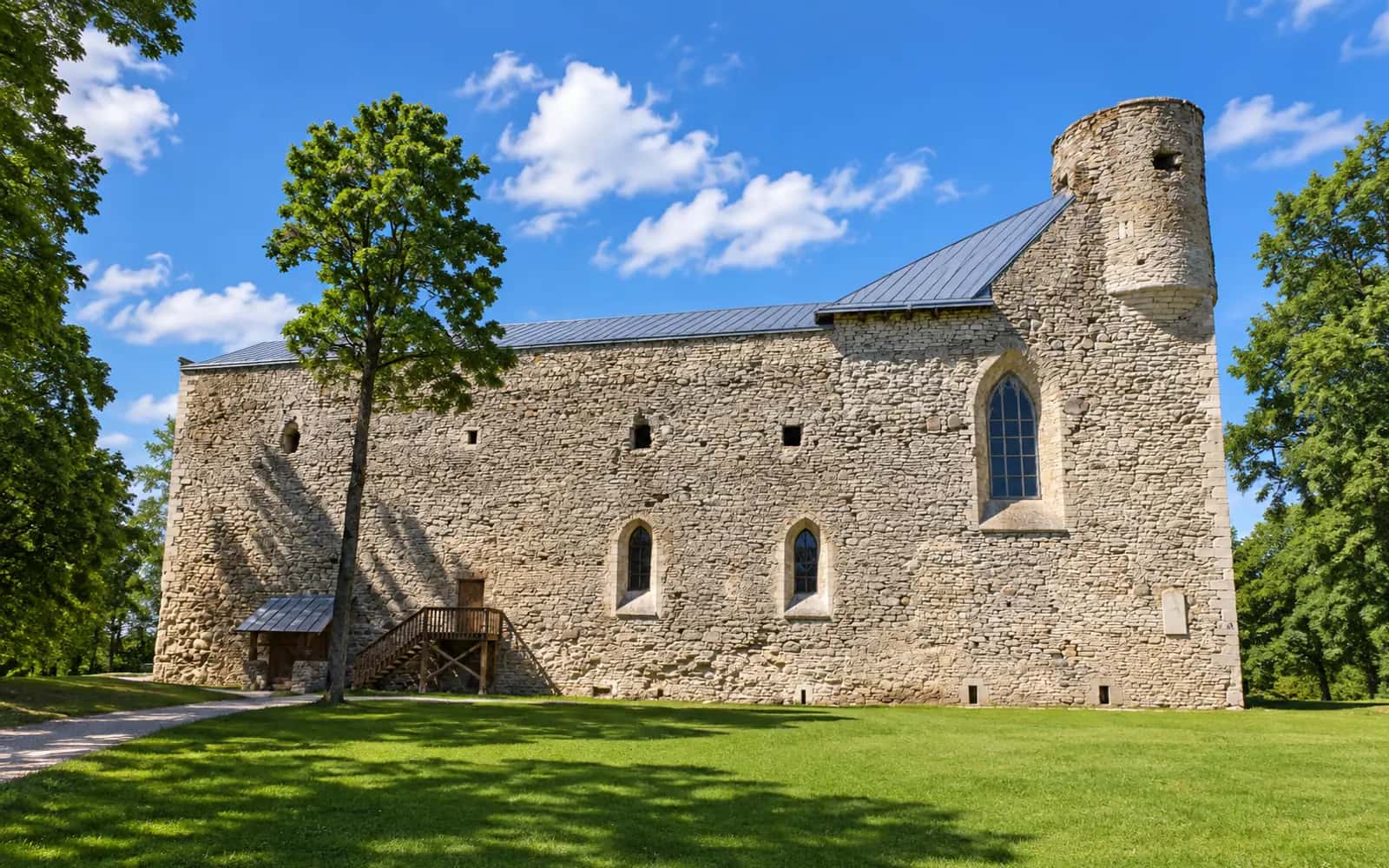
Padise Monastery
Padise Monastery in Padise village, Harju County, offers the chance to walk through the restored rooms of a medieval monastery. The Cistercians began building the complex in the 14th century; construction went on for a long time, and the surviving walls show different building phases. The church hall is known for its acoustics and also hosts cultural events. A visit gives insight into both the monastery's architecture and the history of the area. Admission is charged and opening hours depend on the season, so check the day's schedule before setting off from Tallinn.
Kloostri, Padise küla, Lääne-Harju vald, Harju maakond
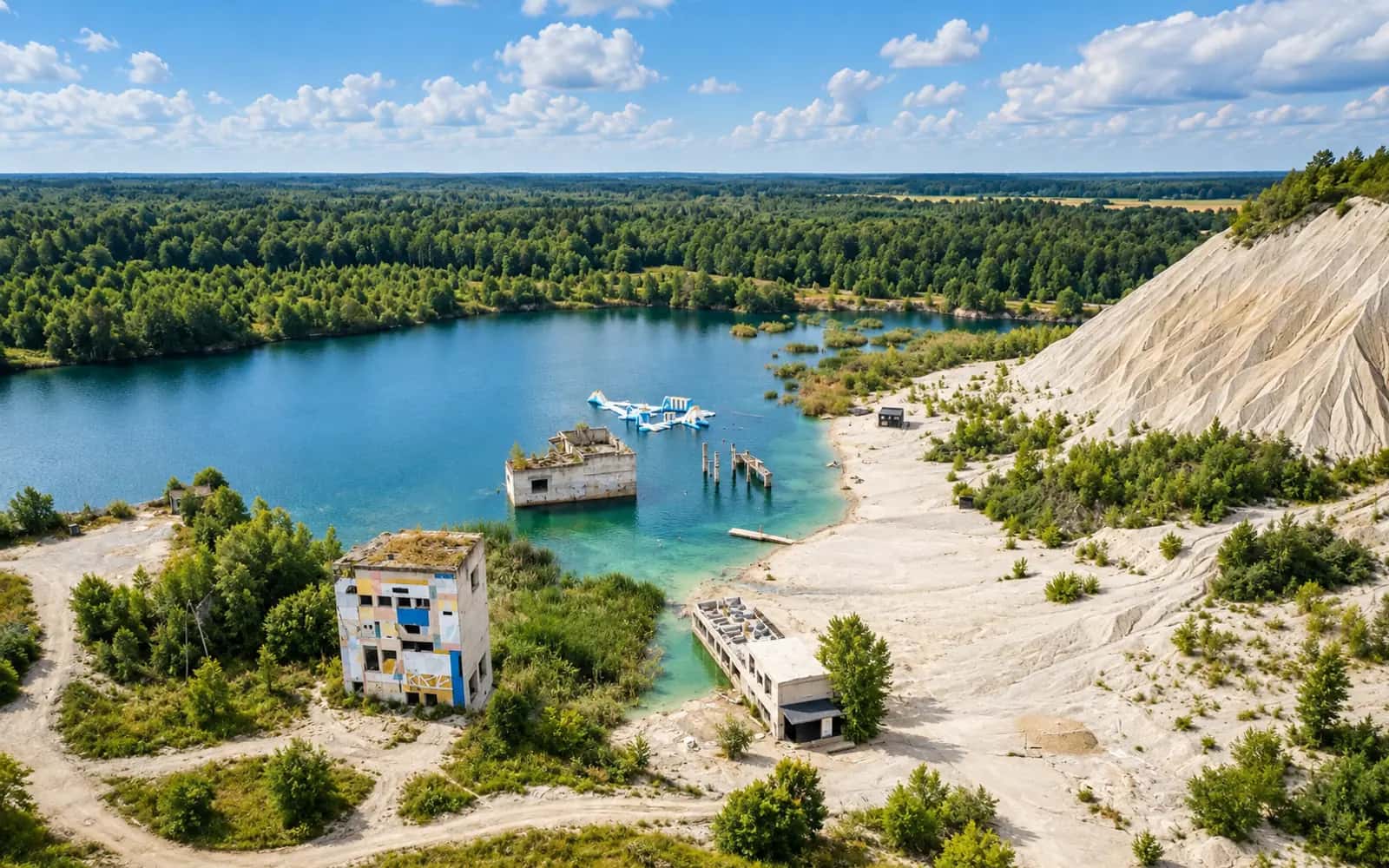
Rummu Quarry
Rummu Quarry is in the small town of Rummu, Harju County, next to a former limestone quarry and prison complex. After mining ended the quarry filled with water, and traces of the former industrial site remain visible in the bluish-green lake. In the visitor area you can explore the quarry landscape, walk around and choose separately offered water activities or guided tours. Entry to the area requires a ticket; water and prison tours are not automatically part of an ordinary walk. Coming from Tallinn, plan around the set visiting hours and the on-site safety rules.
Haapsalu mnt 13, Rummu alevik, Lääne-Harju vald, Harju maakond
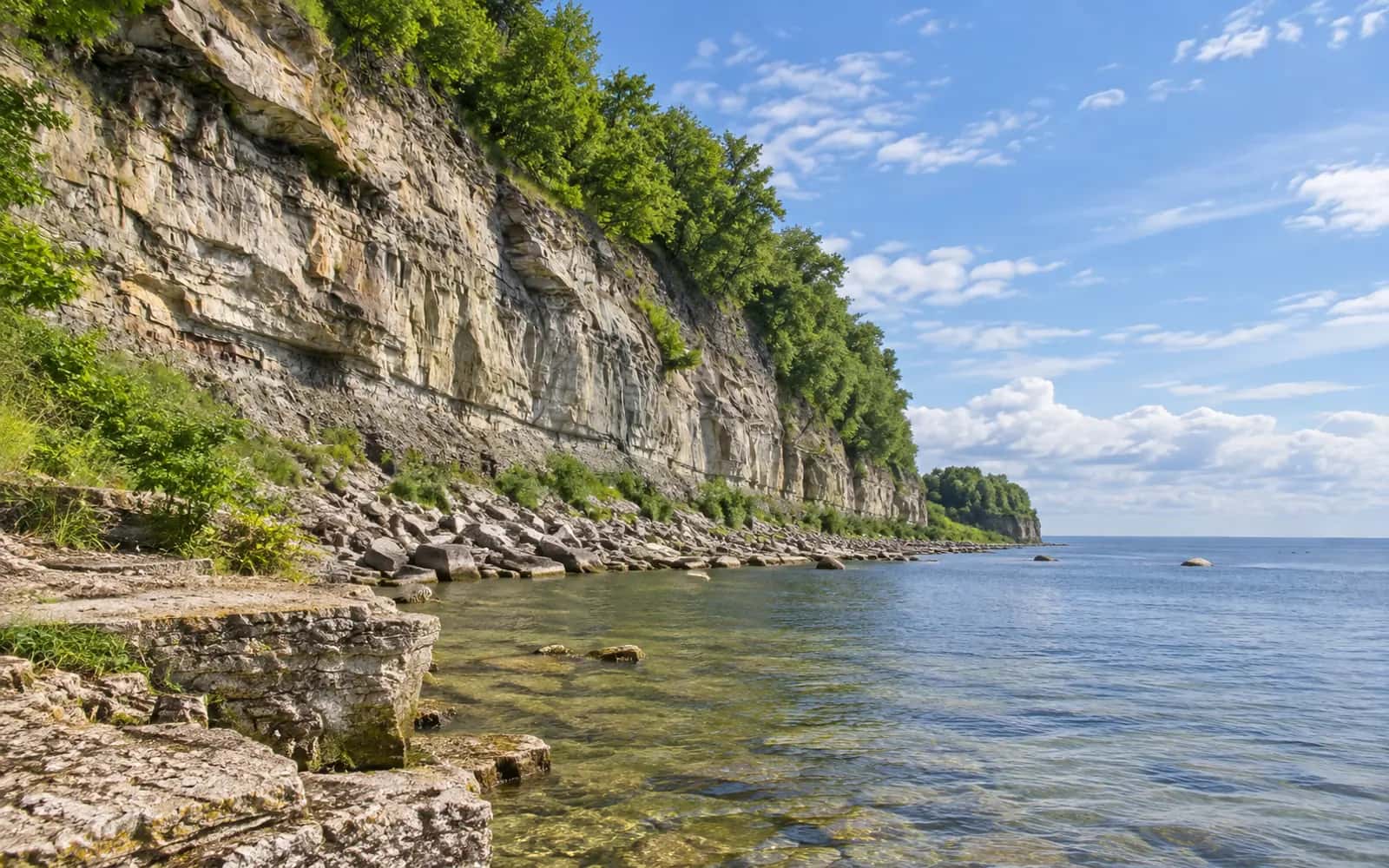
Türisalu Cliff
Türisalu Cliff is in Türisalu village, Harju County, and its viewing platform offers a wide view of the Gulf of Finland and Vääna-Jõesuu beach. The limestone bank rises more than thirty metres above the sea. The platform is easy to reach from the roadside, but take care near the edge and keep a safe distance from it. If you like, you can also explore the area along the paths running beside the cliff. It is a stop on a short trip around Harju County, where the sea view and the geology of the limestone cliff are the main reasons to visit.
Rannakalju, Türisalu küla, Harku vald, Harju maakond
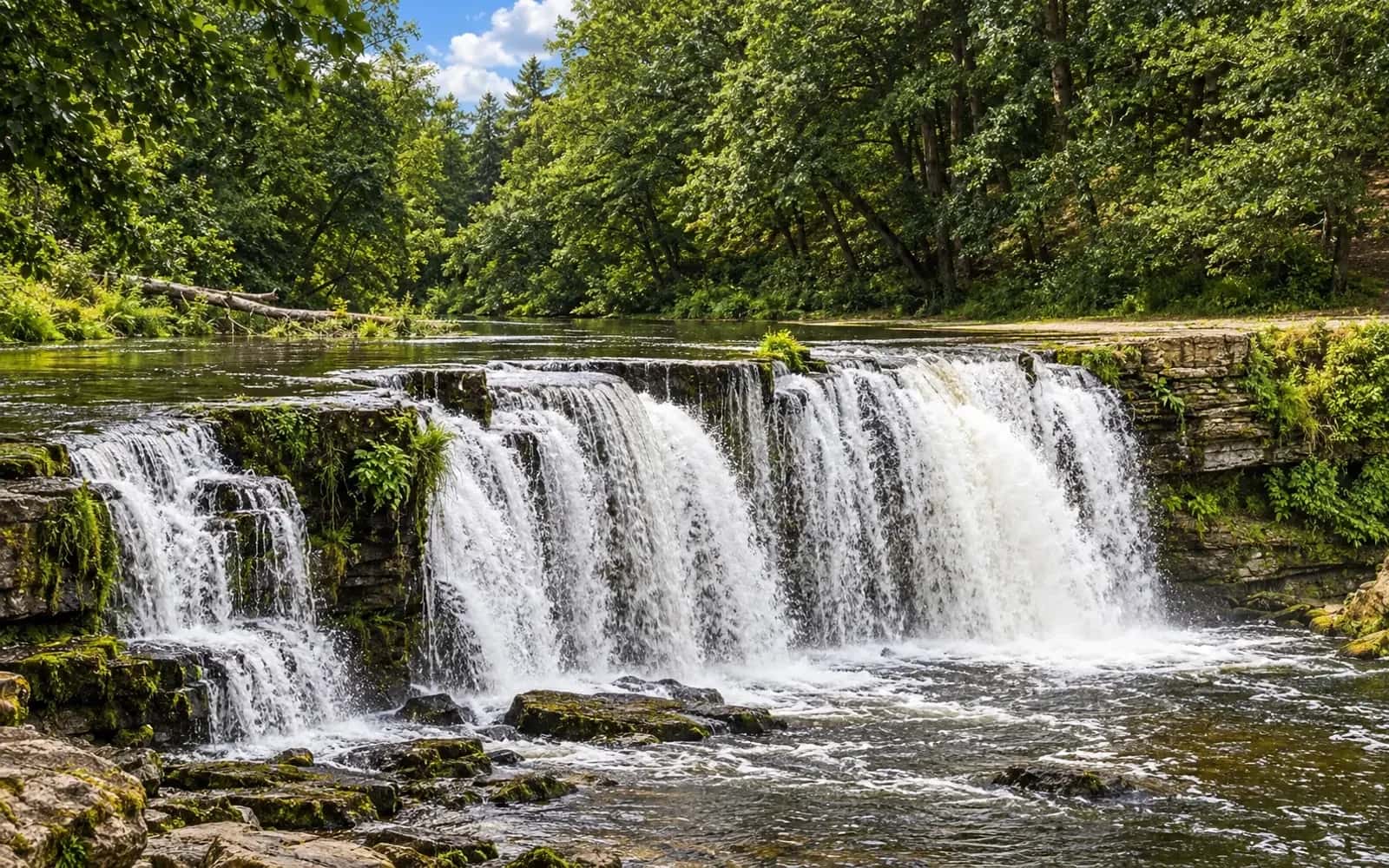
Keila Waterfall
Keila Waterfall is in the small town of Keila-Joa, Harju County, and makes a natural stop on a trip from Tallinn. The water of the Keila River drops here from a height of about six metres over a wide limestone escarpment. In the park around the waterfall, a footpath runs along the riverbank and across suspension bridges; nearby you can also see the manor house and an old hydroelectric power station. The volume of water changes with the seasons, so the view in spring and winter is quite different. The park path and the waterfall viewpoints let you explore at your own pace, but watch out for slippery spots by the water.
Vesiveski tee 4, Keila-Joa alevik, Lääne-Harju vald, Harju maakond
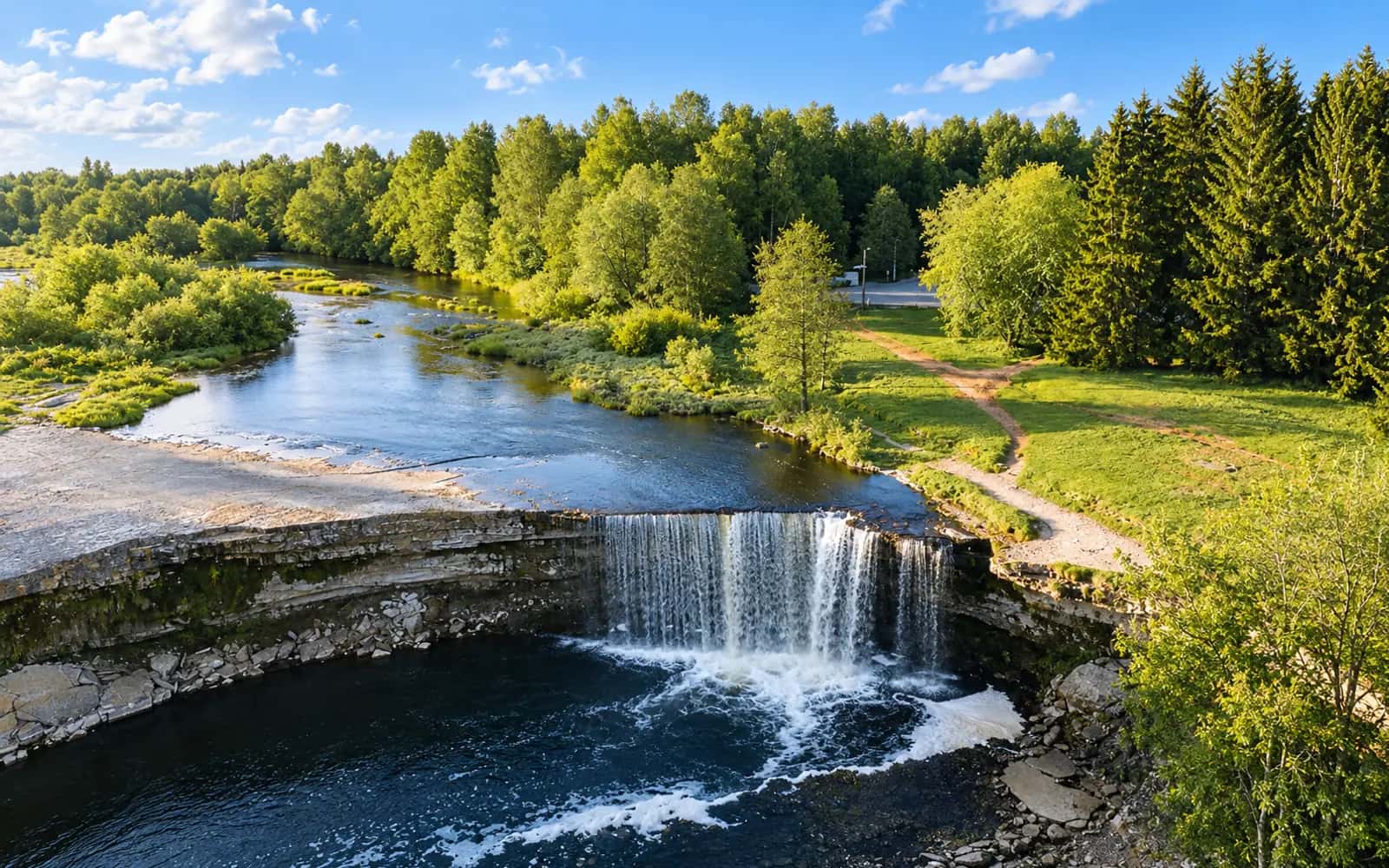
Jägala Waterfall
Jägala Waterfall is in Jägala-Joa village, Harju County, east of Tallinn. Here the river drops over a wide limestone escarpment, forming Estonia's widest natural waterfall. The amount of water and the look of the falls change with the seasons: the spring floods make a powerful sight, while in a cold winter an ice wall can form on the escarpment. Around the waterfall you can view the river's course from different directions and notice the layers of the limestone bank. A visit suits a short nature stop in Harju County; take particular care on wet stones and when it is icy.
Joa puhkeala, Jägala-Joa küla, Jõelähtme vald, Harju maakond
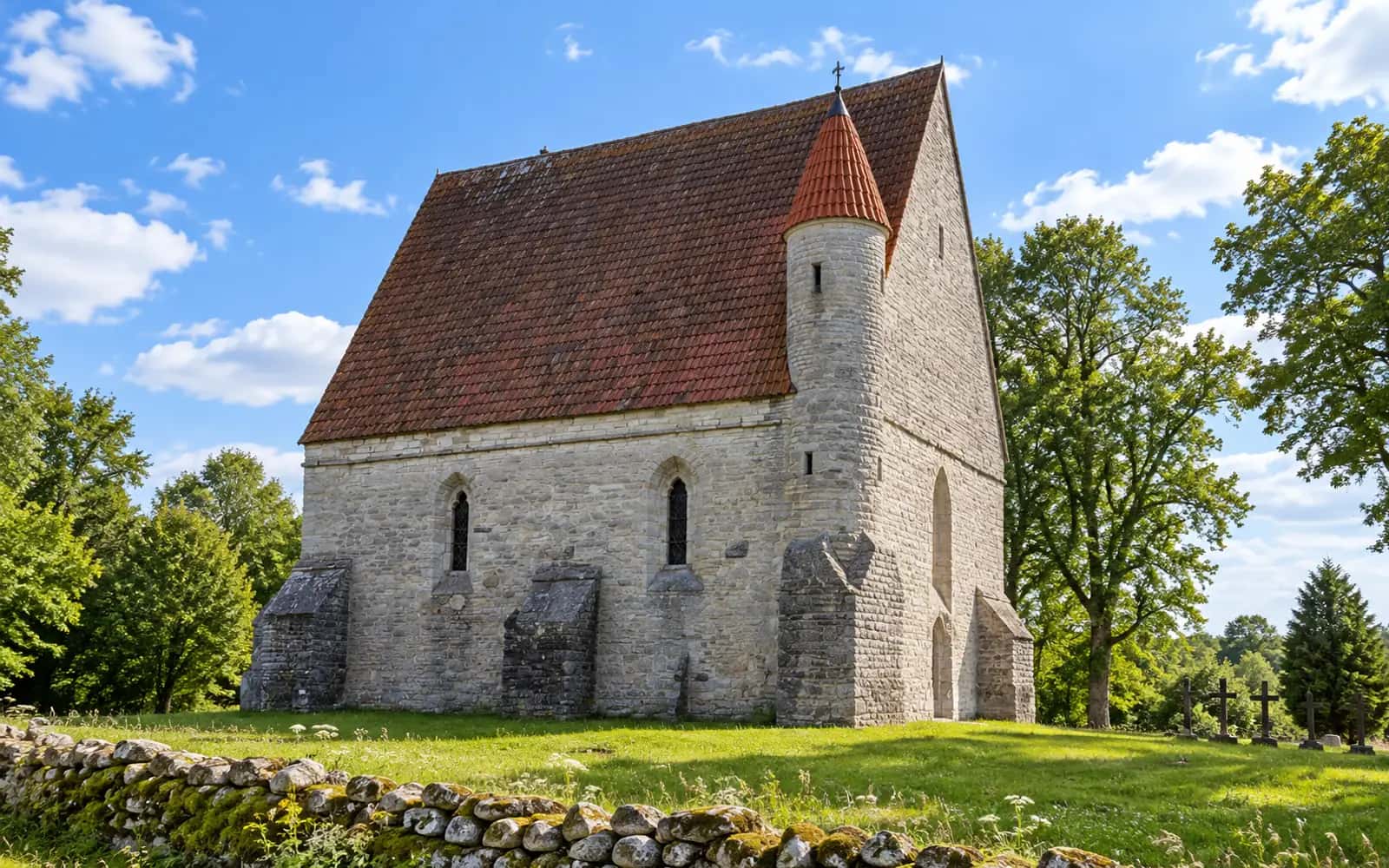
Saha St. Nicholas Chapel
Saha St. Nicholas Chapel is a surviving medieval stone chapel and architectural monument in Saha village, Harju County. Its simple limestone volume, buttresses and Gothic forms reflect the building tradition of the 15th century. The chapel's surroundings show how the old sanctuary sits within the village landscape, away from Tallinn's dense townscape. The building is currently locked to ordinary visitors and can only be viewed from outside; do not expect to visit the interior. As a quiet historical stop it fits well into a longer trip around the Jõelähtme area.
Saha kabel, Saha küla, Jõelähtme vald, Harju maakond
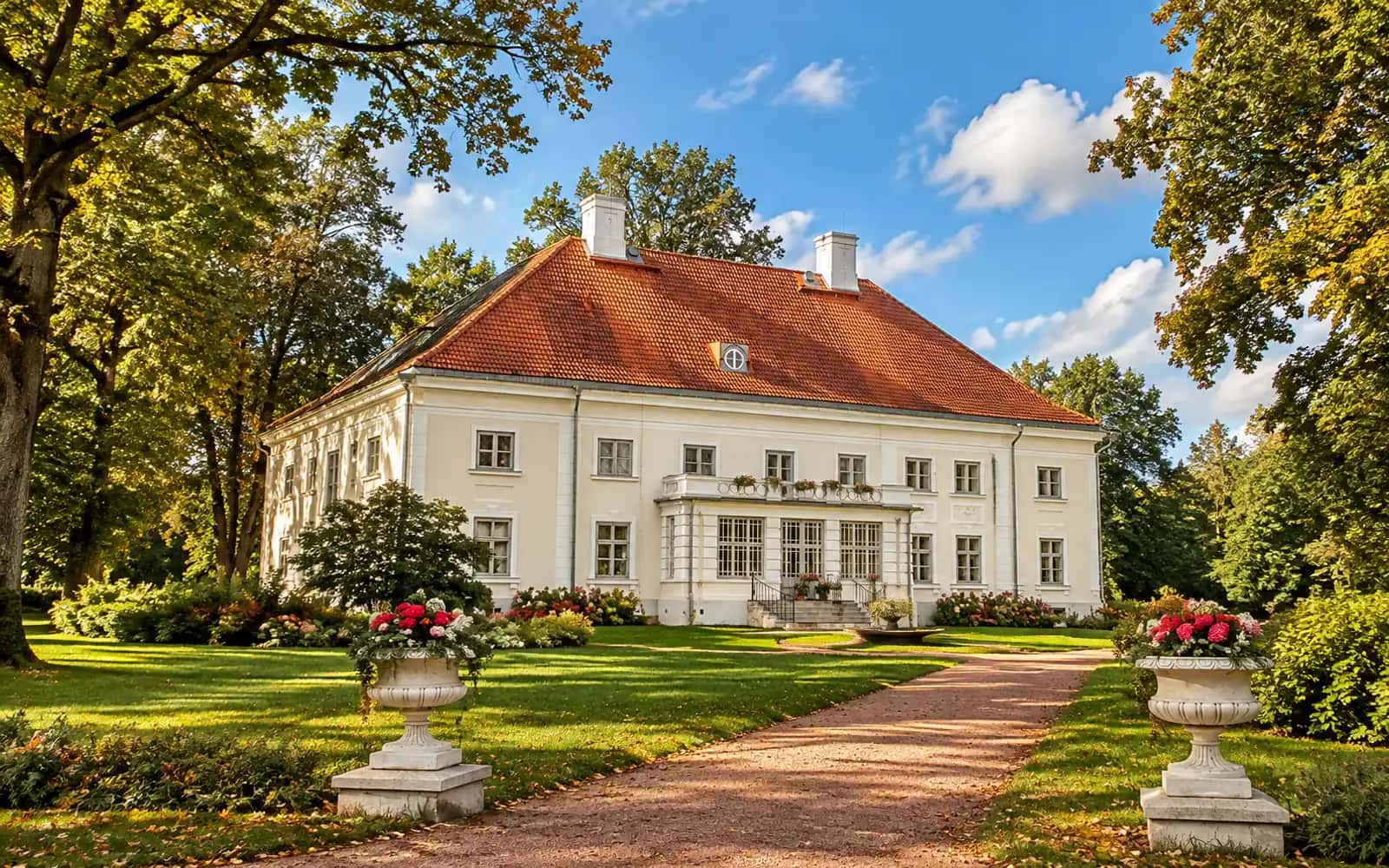
Anija Manor
Anija Manor is a historic manor complex and exhibition venue in Anija village, Harju County. In the manor house, the permanent exhibition “The Story of the Manor Era” leads through various rooms and presents manor life through people, objects and stories. The house is surrounded by a park whose design brings together the more formal manor courtyard side and a freer landscaped section. Visitors can explore the exhibition at their own pace or book a separate guided tour. On a trip from Tallinn, bear in mind the manor house's seasonal opening hours; a walk in the park and a visit to the exhibition offer different views of the place.
Kehra tee 8, Anija küla, Anija vald, Harju maakond
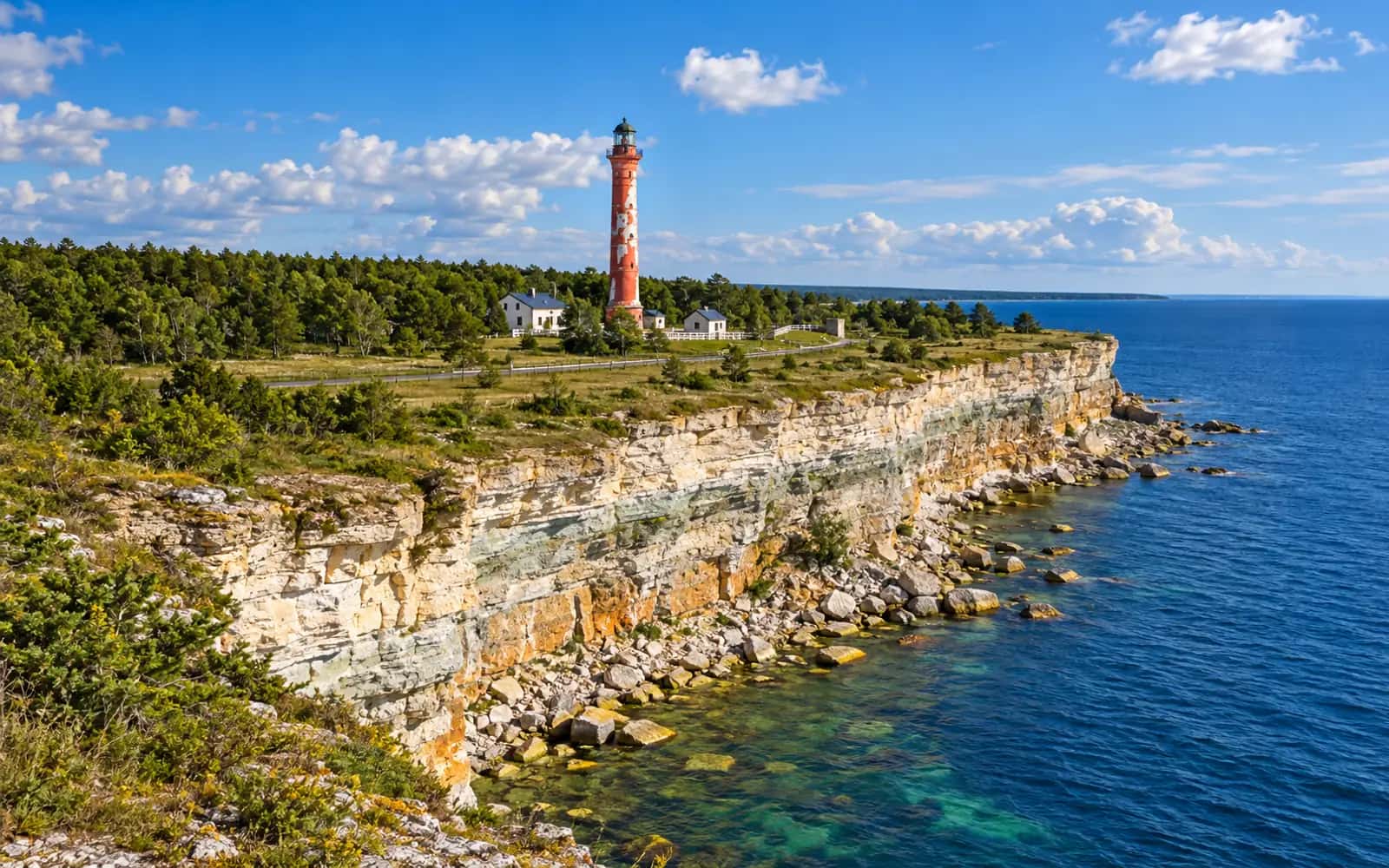
Pakri Lighthouse
Pakri Lighthouse is a visitable navigation mark and viewpoint at the tip of the Pakri peninsula in the town of Paldiski, Harju County. The present stone tower was completed in 1889 at a distance from the earlier tower, because the crumbling clint coast had made the old site dangerous. The tower offers views over the Gulf of Finland, the limestone cliff and the peninsula's wide coastline. As you drive towards it, you can see how the lighthouse appears from the sea and how the high limestone bank shapes the landscape. Entry is by ticket, and outside the summer season regular visits are possible at weekends.
Majaka tee 45, Paldiski linn, Lääne-Harju vald, Harju maakond
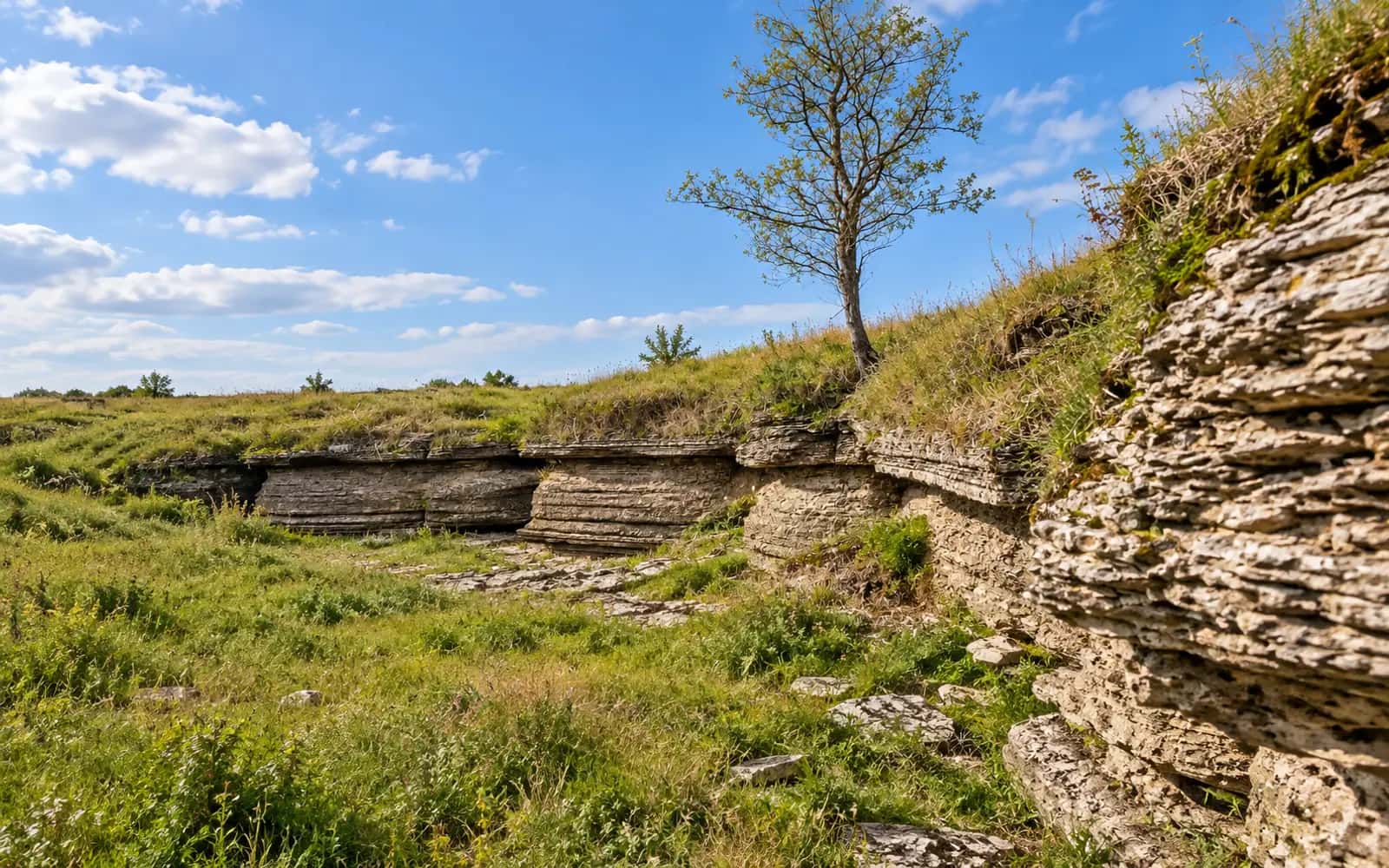
Kostivere Karst Area
The Kostivere Karst Area is a limestone natural landscape near the small town of Kostivere, Harju County. Here the Jõelähtme River disappears underground, and above the dry riverbed you can see the cracks, hollows and smooth limestone surfaces typical of karst. During the spring floods the same spot may be covered with water, so the landscape looks noticeably different in different seasons. The area suits a short walk east of Tallinn; an information board at the Rebala centre helps make sense of what you see. When walking on the limestone, consider the weather, wet surfaces and the protected natural habitat.
Urke tn 7, Kostivere alevik, Jõelähtme vald, Harju maakond
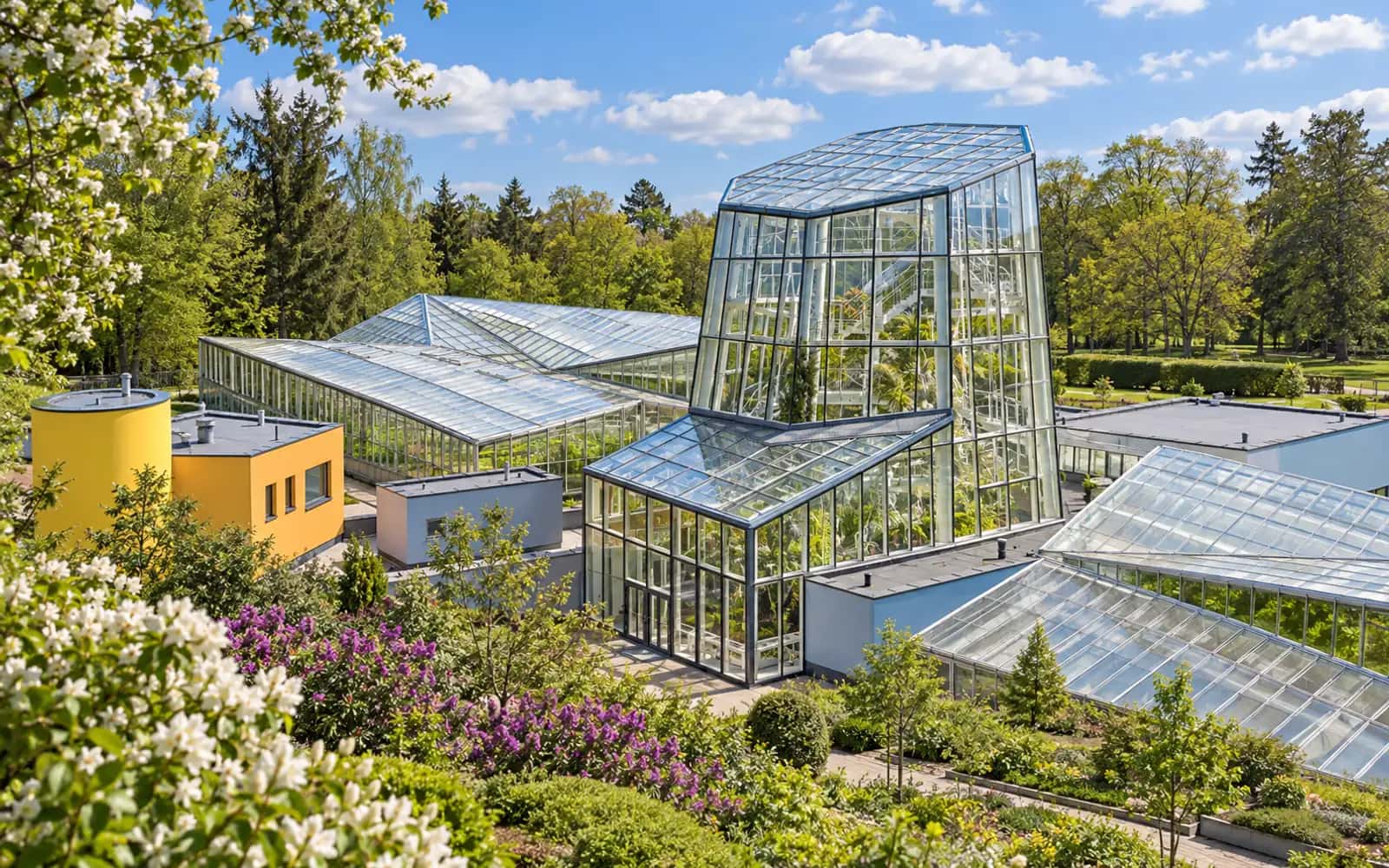
Tallinn Botanic Garden
Tallinn Botanic Garden on Kloostrimetsa Road is a botanic garden with plant collections and walking paths. Outdoors you can wander between different planting areas, trees and shrubs, while the palm house and greenhouses present plants from warmer climates. A visit does not depend on a single exhibition, as the outdoor views change with the season and the flowering. The garden is near the TV Tower but is a separate attraction with its own ticket. The visitor centre and greenhouses have shorter opening hours in winter than in summer, while the outdoor area stays open longer. For a relaxed visit, choose the weather and time depending on whether you are more interested in the outdoor collections or the palm house.
Kloostrimetsa tee 52, Tallinn, Harju maakond
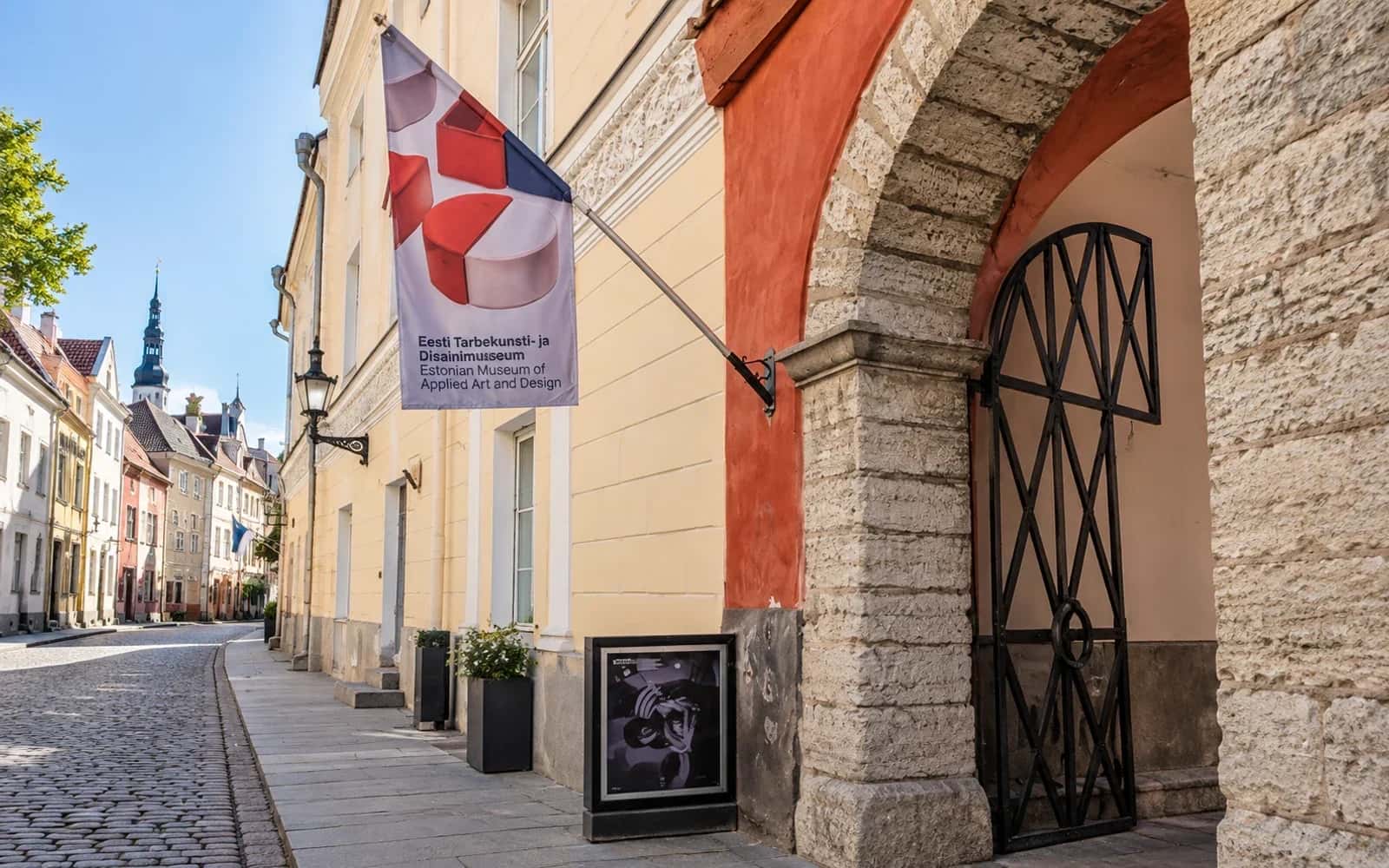
Estonian Museum of Applied Art and Design
The Estonian Museum of Applied Art and Design is located in the Old Town of Tallinn on Lai Street in a historical granary building. The museum introduces the development of Estonian applied art and design, highlighting ceramics, textiles, glass, metal, jewelry, and furniture. Alongside permanent exhibitions, temporary exhibitions are organized that connect historical craftsmanship with contemporary design. Visitors can explore how materials, technologies, and human needs have shaped the appearance and use of objects. The historical building of the museum adds a unique environment to the exhibitions. This is an independent museum, not the Estonian Museum of Architecture or a general exhibition of Tallinn's Old Town.
Lai tn 17, Tallinn
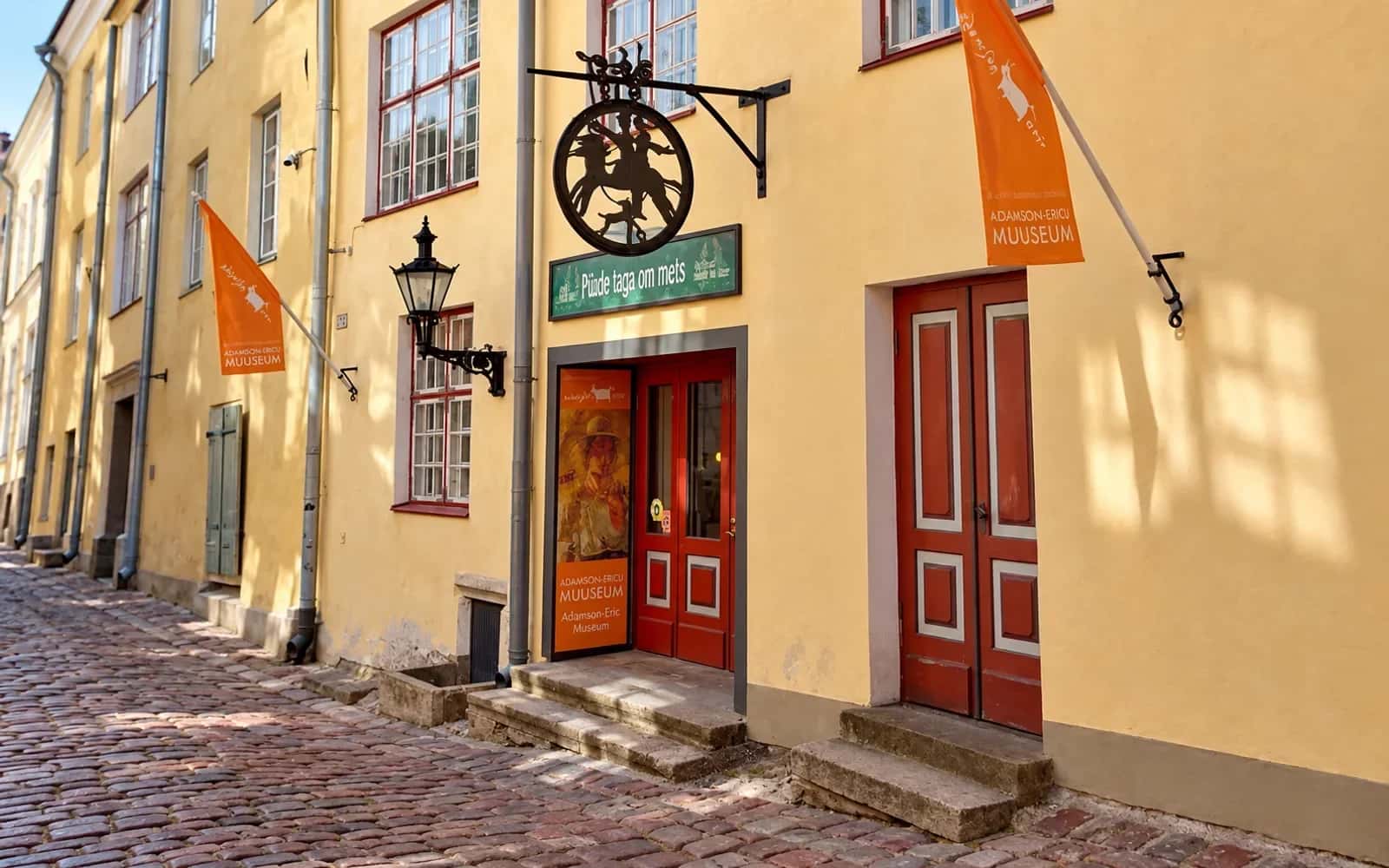
Adamson-Eric Museum
The Adamson-Eric Museum is located in the Old Town of Tallinn on Lühike jalg street and introduces the versatile oeuvre of the Estonian artist Adamson-Eric. The artist worked in both painting and applied art, thus the museum offers an opportunity to notice his various modes of expression. Alongside the permanent exhibition, the historical building hosts changing exhibitions, workshops, and educational programs. The museum is situated on the walking path between Toompea and the Lower Town, so a visit can be combined with discovering the architecture of the Old Town. Before coming, it is worth checking the exhibition program and potential holiday schedule changes.
Lühike jalg 3, Tallinn
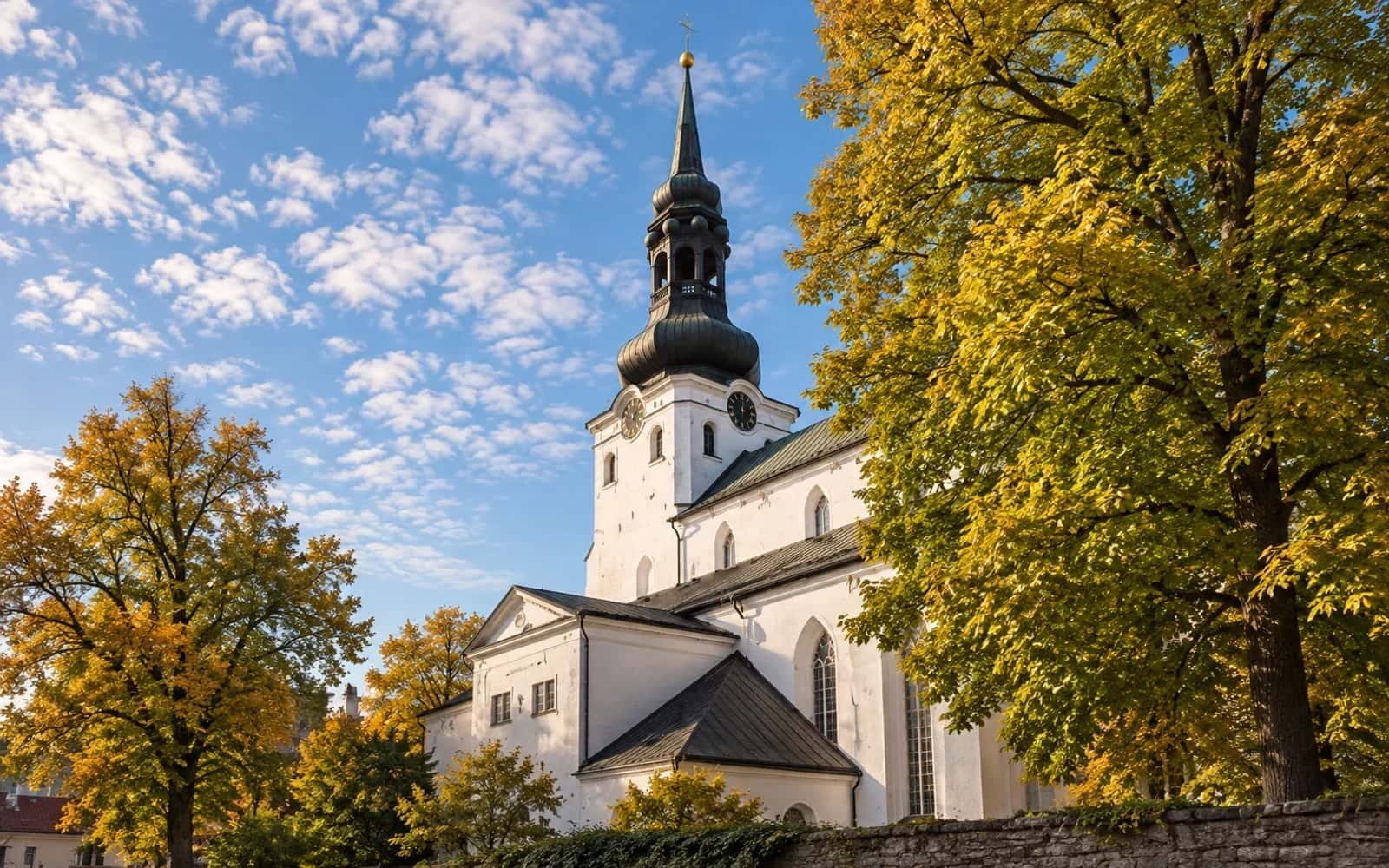
Tallinn St. Mary's Cathedral and bell tower
Tallinn St. Mary's Cathedral and bell tower are located on Toompea on Toom-Kooli street. Inside the medieval church are historic gravestones and noble coat-of-arms epitaphs that help understand Estonia's earlier social and cultural history. The church's Baroque bell tower is a separate experience: weather permitting, you can look out over the roofs of Tallinn. Tower visits may not be possible during concerts, services or worship. The church entrance donation and the paid tower ticket must be distinguished. This is an independent historical sanctuary, not the Alexander Nevsky Cathedral.
Toom-Kooli tn 6, Tallinn
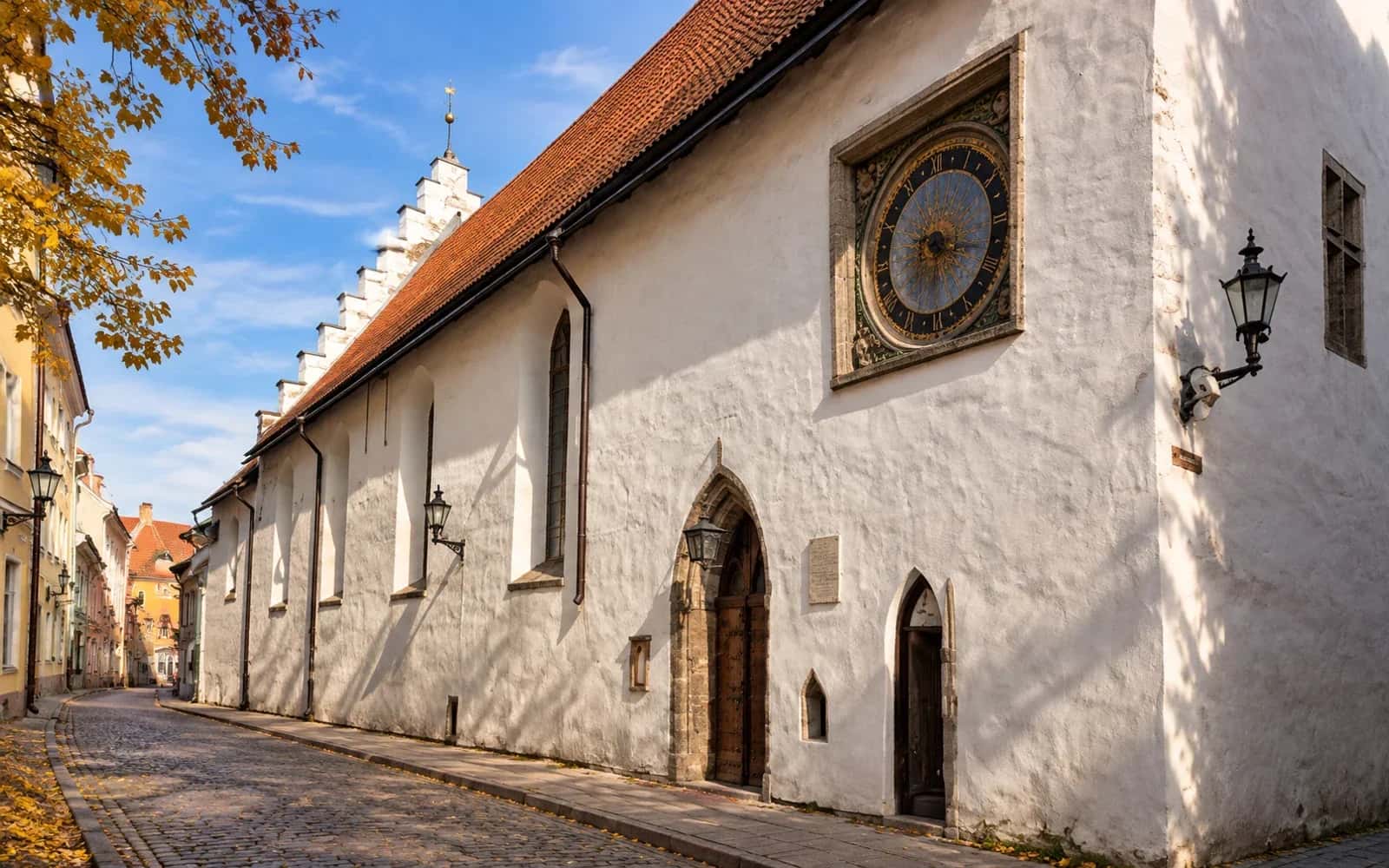
Holy Ghost Church
The Church of the Holy Ghost is a medieval sanctuary in the Old Town of Tallinna on Pühavaimu Street. The exterior of the church features an octagonal tower and a historic clock, while the interior boasts wooden furnishings and a cabinet altar associated with Bernt Notke's workshop. The history of the building is connected to the development of the city's Estonian-language spiritual life: after the Reformation, Estonian-language sermons were held here. Upon entering the small church interior, visitors can explore the artistic heritage preserved over the centuries. This is an active place of worship, so services and other church events may affect tourist visiting hours.
Pühavaimu tn 2, Tallinn
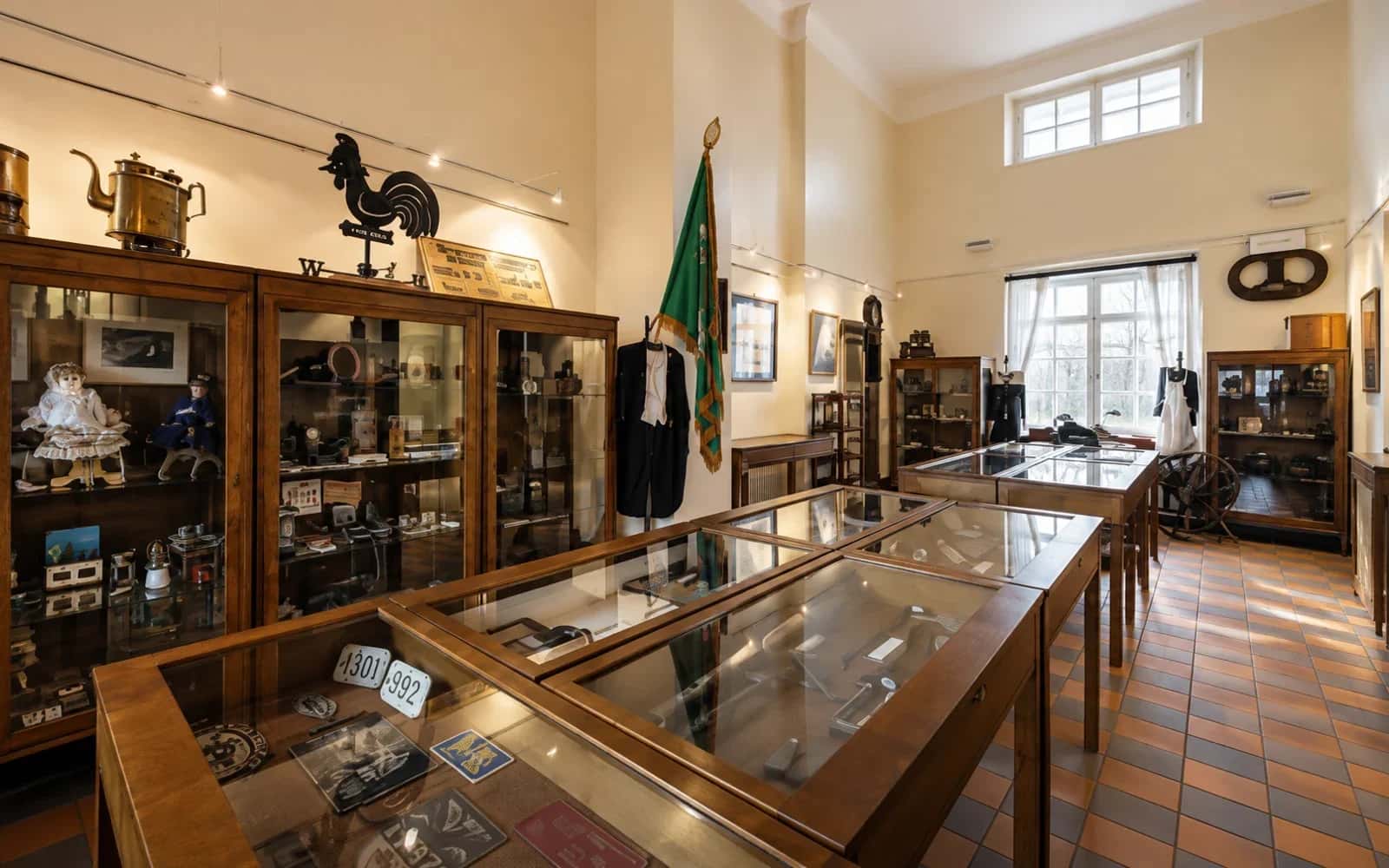
Nõmme Museum
Nõmme Museum is located in Tallinn on Jaama Street in one wing of the historic Nõmme railway station. The museum's two exhibition halls introduce the development of Nõmme and life during the time when Nõmme was an independent town. The exhibition also covers earlier development starting from Nikolai von Glehn's activities in the late 19th century. Many items and memories come from local residents, and part of the collections is connected with the Tallinn City Museum. In addition to the permanent exhibition, temporary displays can be seen. The historic station building helps to understand how the train connection influenced Nõmme's growth into an important district of Tallinn.
Jaama tn 18, Tallinn
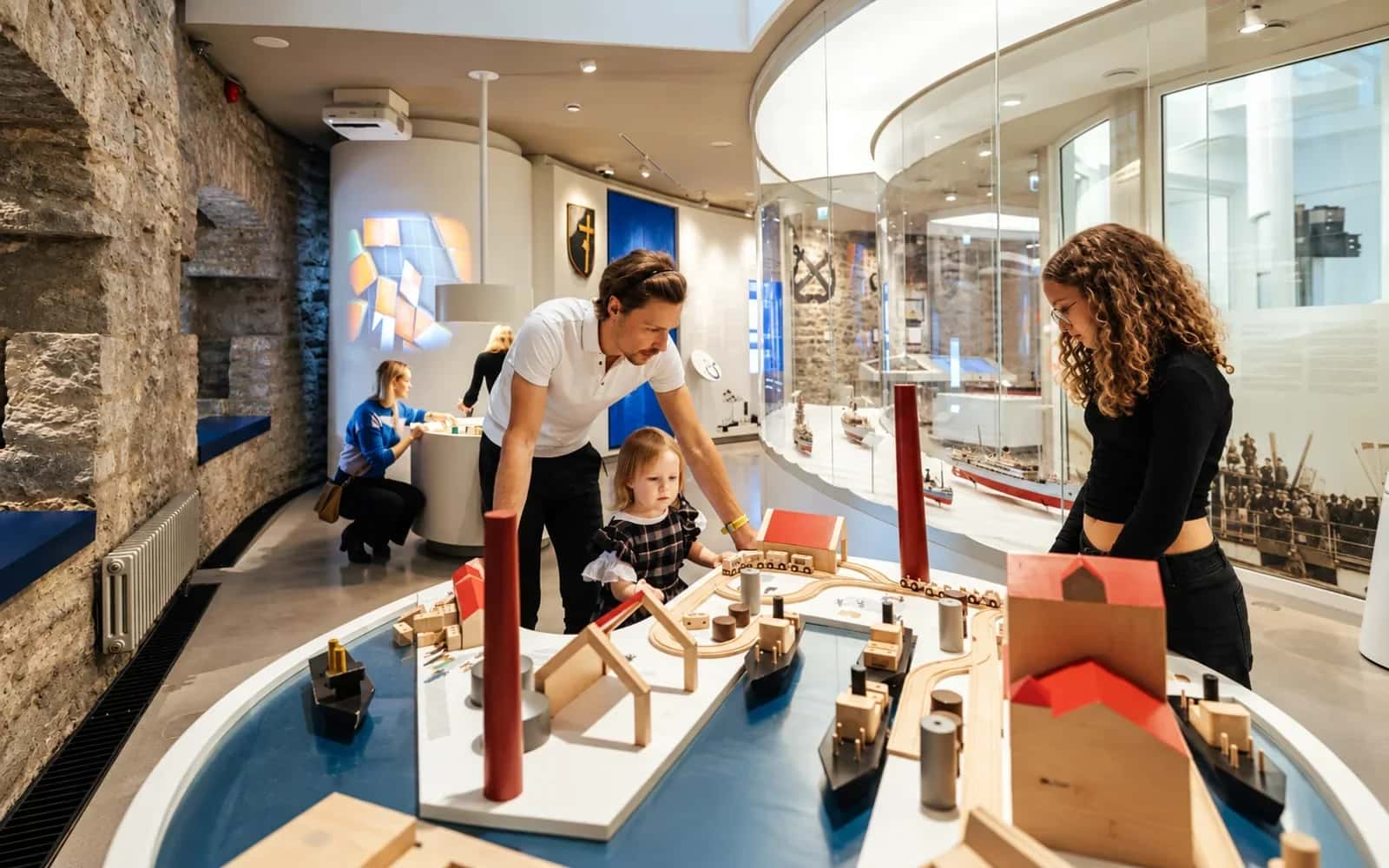
Fat Margaret Visitor Centre
Paks Margareeta Visitor Centre is located in Tallinn and is part of the Estonian Maritime Museum. This museum showcases maritime activities, trade, and navigation from the Middle Ages to the present day. Visitors can enjoy 1000 m² of exhibition space featuring nearly 700 historical artifacts, ship models, and several interactive exhibits. The museum's highlight is the 700-year-old wreck of the Koge ship. The visitor centre also has an observation tower and a café on its roof, offering beautiful views of Tallinn's Old Town and the sea. It is a great place to learn about the history of Estonia's maritime activities and enjoy the beautiful surroundings.
Pikk 70, Tallinn
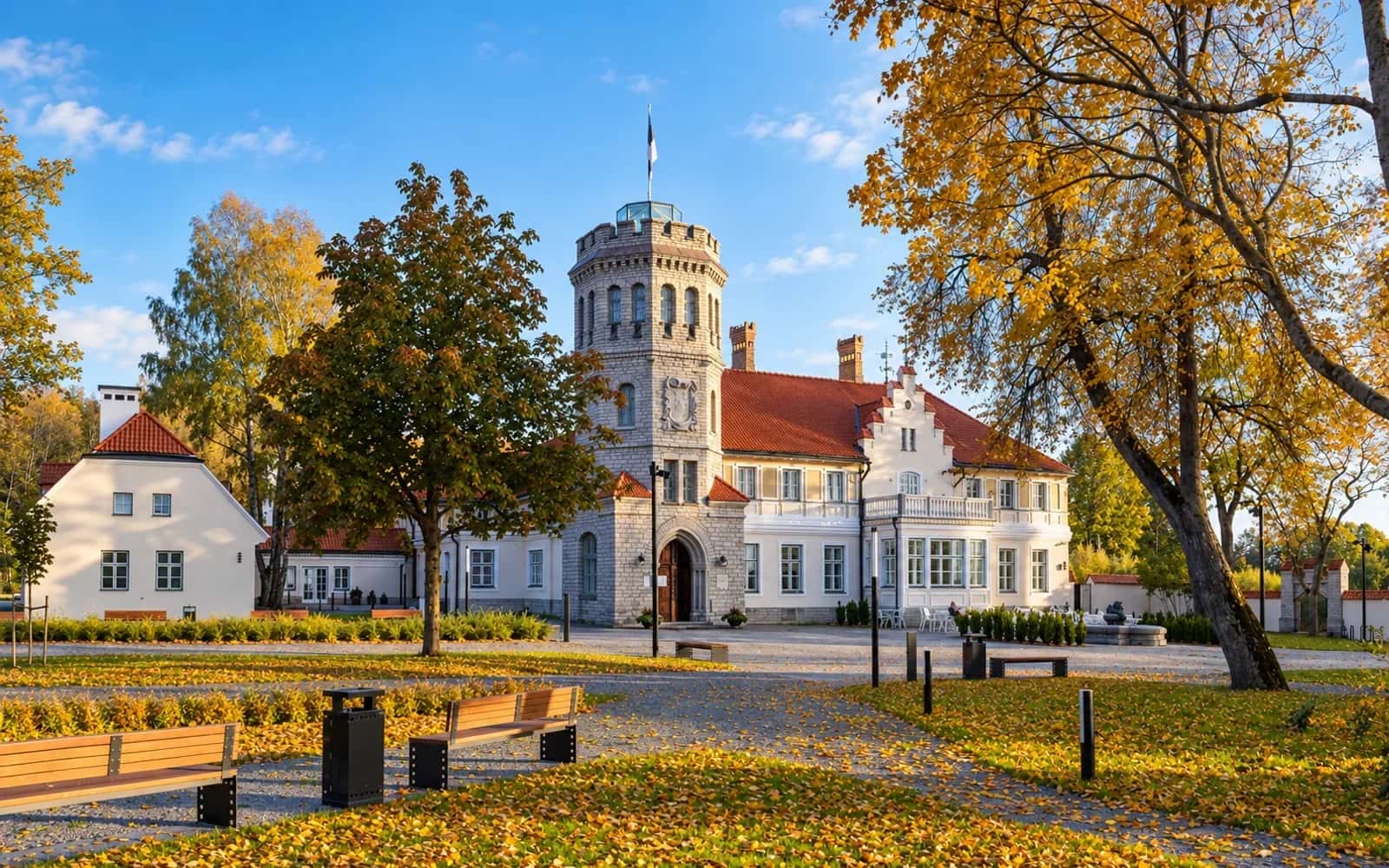
Estonian History Museum at Maarjamäe Palace
Eesti Ajaloomuuseumi Maarjamäe loss is located in Tallinn on Pirita road and tells the story of the formation and development of the Estonian Republic. The permanent exhibition 'My Free Country' addresses the century of the state through people's choices, societal changes, and the meaning of independence. In the 'Children's Republic' designed for children, one can try activities related to state governance and elections through play. In the park next to the castle, there is an exhibition of Soviet-era monuments removed from public space. The same museum area also houses an educational center and the Estonian Film Museum.
Pirita tee 56, Tallinn 12011
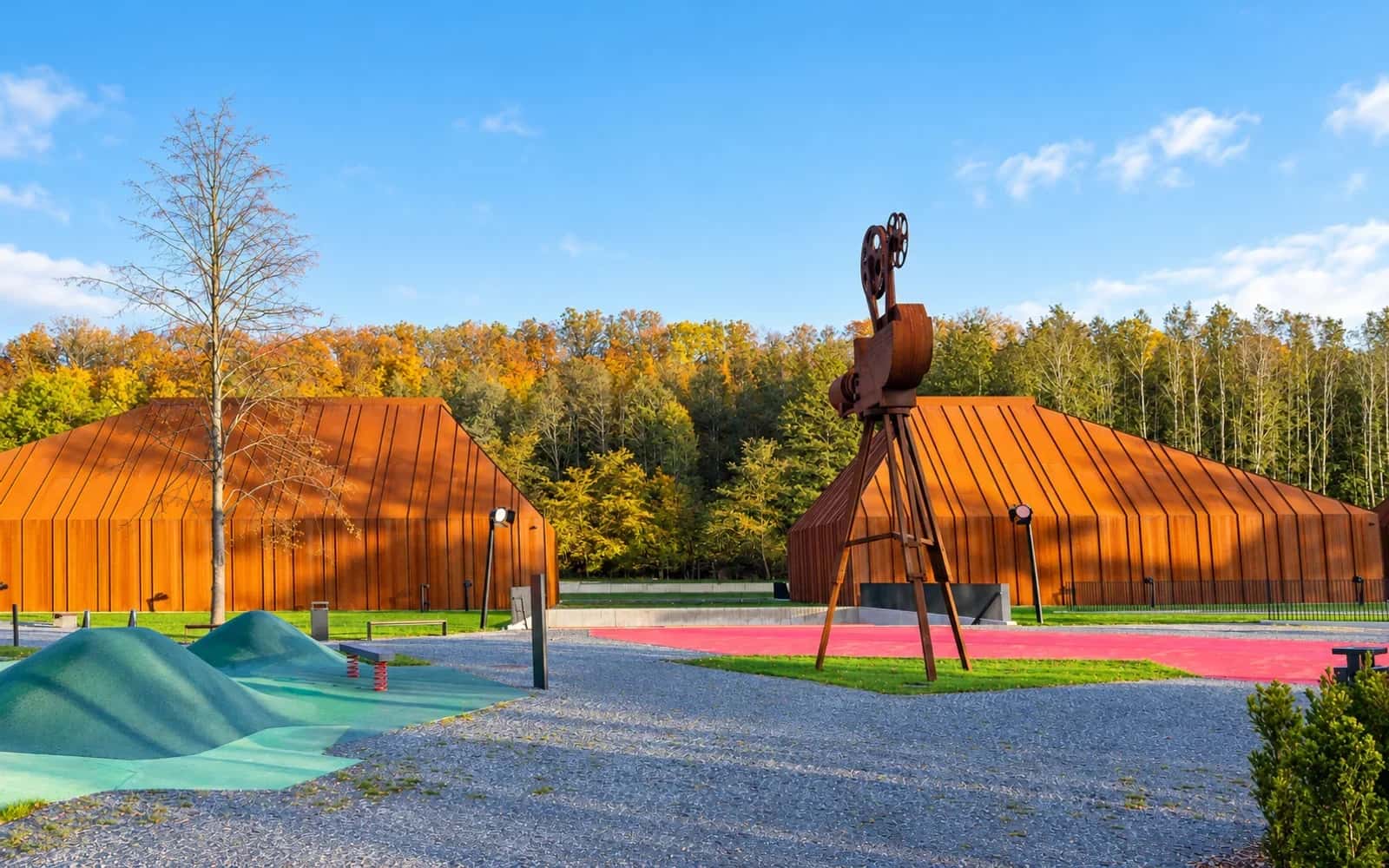
Estonian Film Museum
The Estonian Film Museum is located in Tallinn, in the park of Maarjamäe Castle, where visitors can enjoy the history of film art and discover how films are made. The museum features a permanent exhibition 'Take ONE', which introduces the secrets of filmmaking and provides an overview of the world behind the camera. Visitors can experiment with early film technology machines and try their hand at being a filmmaker. The museum also has a 210-seat cinema and a conference room suitable for premieres and other events. The Film Museum offers a unique opportunity to explore Estonian film art and its development, while being a fun and educational destination for visitors of all ages.
Pirita tee 56, Tallinn 12011
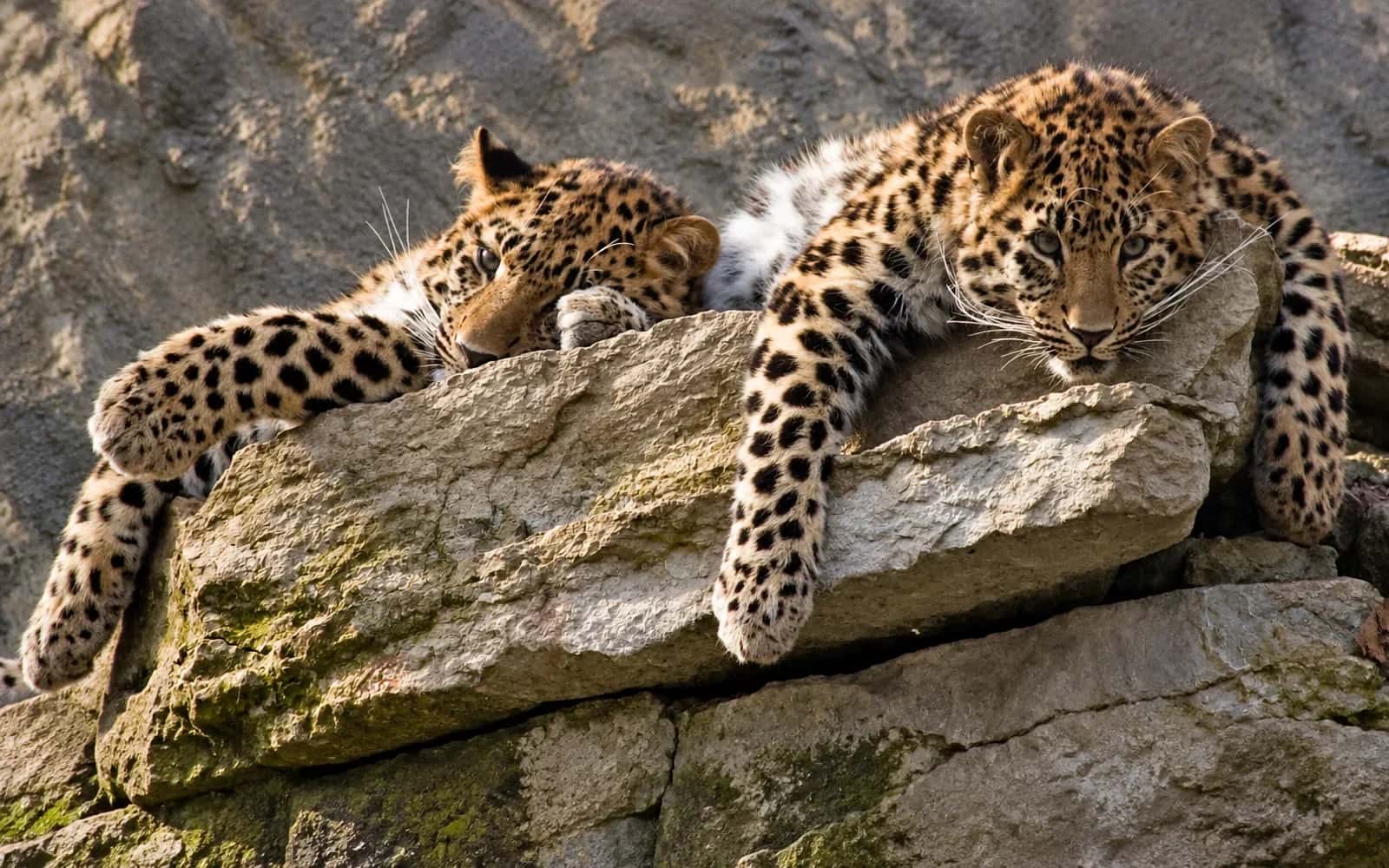
Tallinn Zoo
Tallinn Zoo is located in Tallinn along Paldiski Road and combines animal observation with a long walk in a green area. Visitors can explore the Tiger Valley, a tropical rainforest exhibit, and other areas showcasing different habitats. The children's zoo and play areas provide families with the opportunity to take breaks at their own pace. Animal visibility depends on their daily habits and the weather, so it's advisable to allocate more time for visiting the larger area. Before going, check the zoo's seasonal opening hours and any special programs from the official visitor information.
Paldiski mnt 145, Tallinn
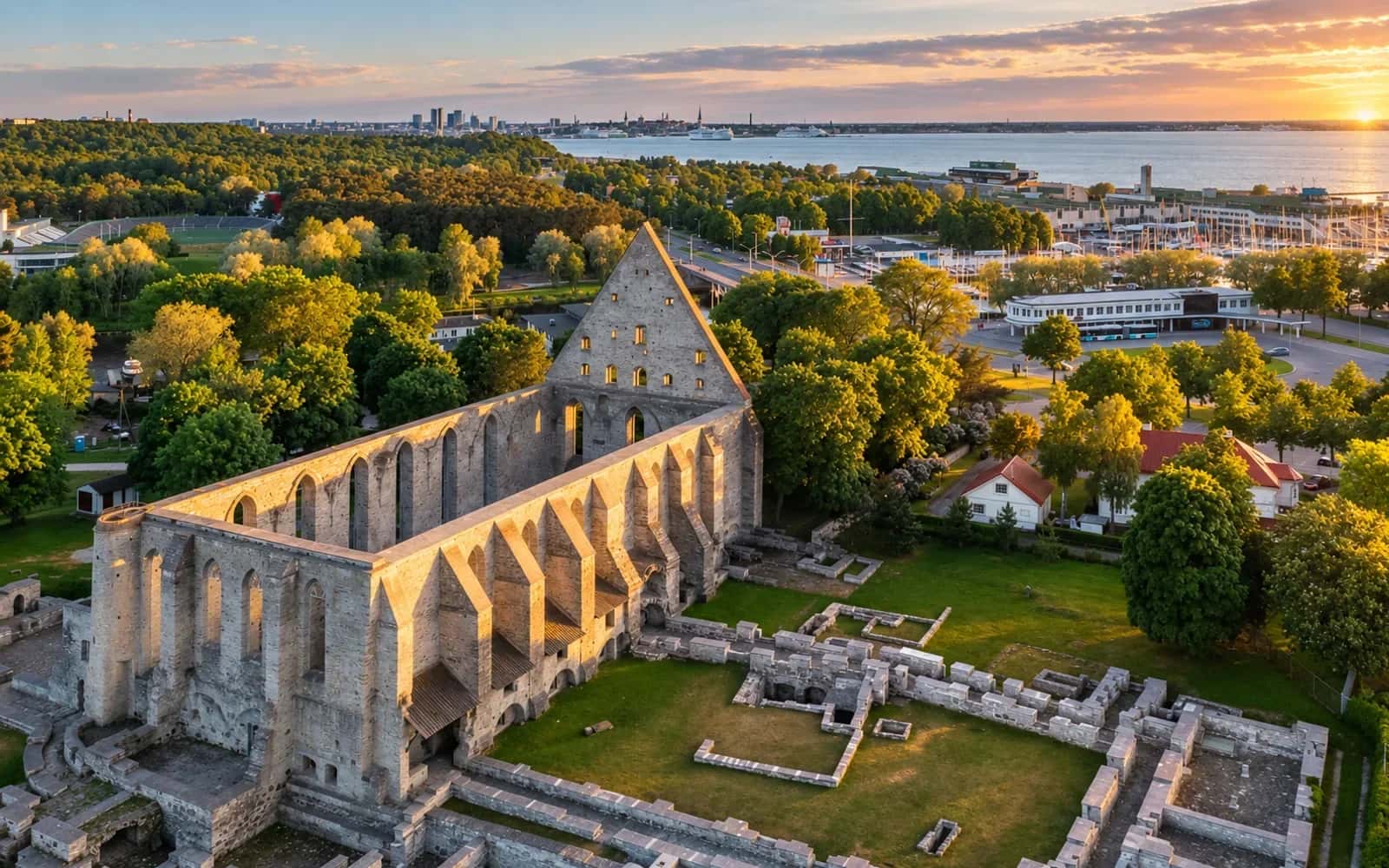
Pirita Monastery Ruins
The Pirita Monastery Ruins are located in Tallinn, in the Pirita district, and their history dates back to 1407 when the largest nunnery in Livonia was established here. The monastery, named after Saint Bridget, who founded the mother monastery in Sweden, remained in its original form until 1577 when it was destroyed by the forces of Ivan the Terrible. Today, the monastery ruins are popular visiting sites where concerts are held in the summer. The ruins, including the massive facade, walls, cellars, and cemetery, are well-preserved and are managed by the Bridgettine sisters. The location of the monastery by the Pirita River offers a beautiful view and is an ideal place to enjoy history and architecture.
Merivälja tee 18, Pirita, Tallinn
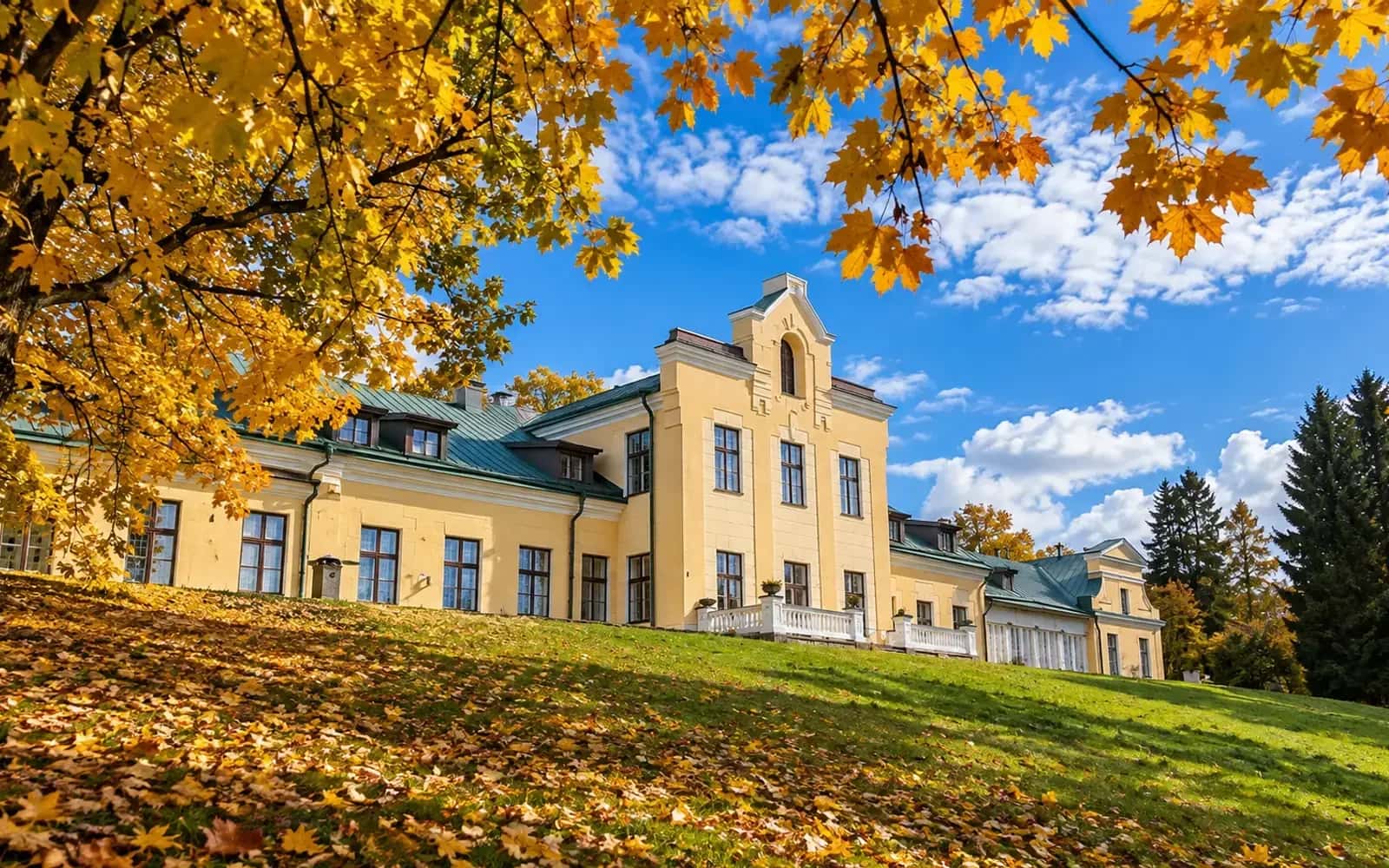
Estonian War Museum — General Laidoner Museum
The Estonian War Museum — General Laidoner Museum is a military history museum at Viimsi manor whose exhibitions cover Estonia’s military history and national defence in different periods. The museum collects and presents weapons, uniforms, decorations and equipment, as well as heritage linked to General Johan Laidoner and his family. About 300 metres from the main building is a heavy equipment hangar where larger vehicles and weapon systems can be seen in season. From May to October, a standard ticket includes visits to both the Viimsi manor main building and the military equipment hangar.
Mõisa tee 1, Viimsi alevik, Viimsi vald, Harju maakond
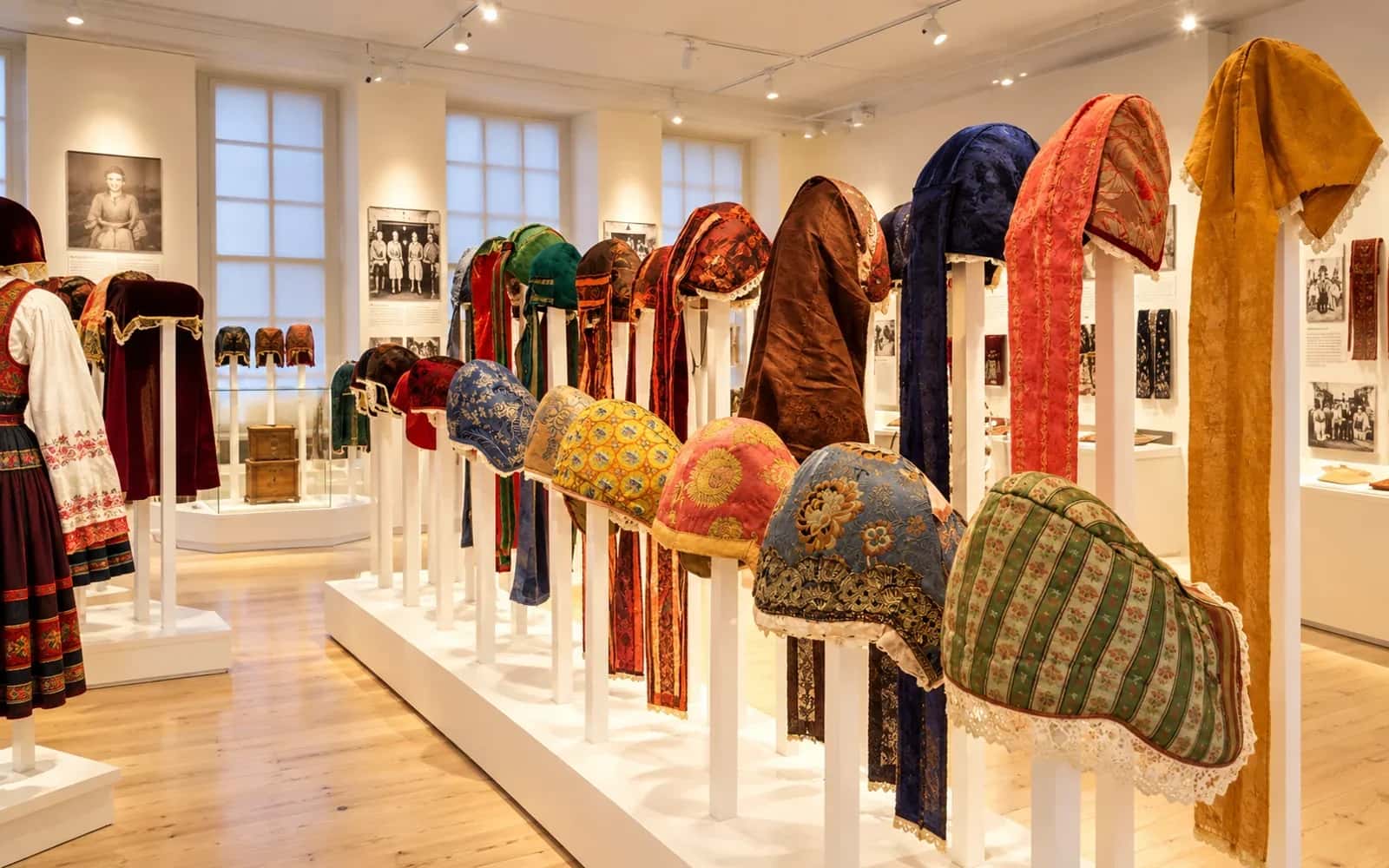
Harju County Museum
Harju County Museum is the county museum on Linnuse Street in Keila, housed in the former main building of Keila manor. The permanent exhibition “Life in Harju” gives an overview of Harju County’s history and the way of life of local people, and includes archaeological finds from both the medieval Keila castle and Padise monastery. The museum also presents Harju County’s folk costume heritage, and the house has a temporary exhibition hall, a library and a children’s playroom. The manor park setting connects a museum visit with Keila’s older history and local cultural heritage.
Linnuse 9, 76608 Keila
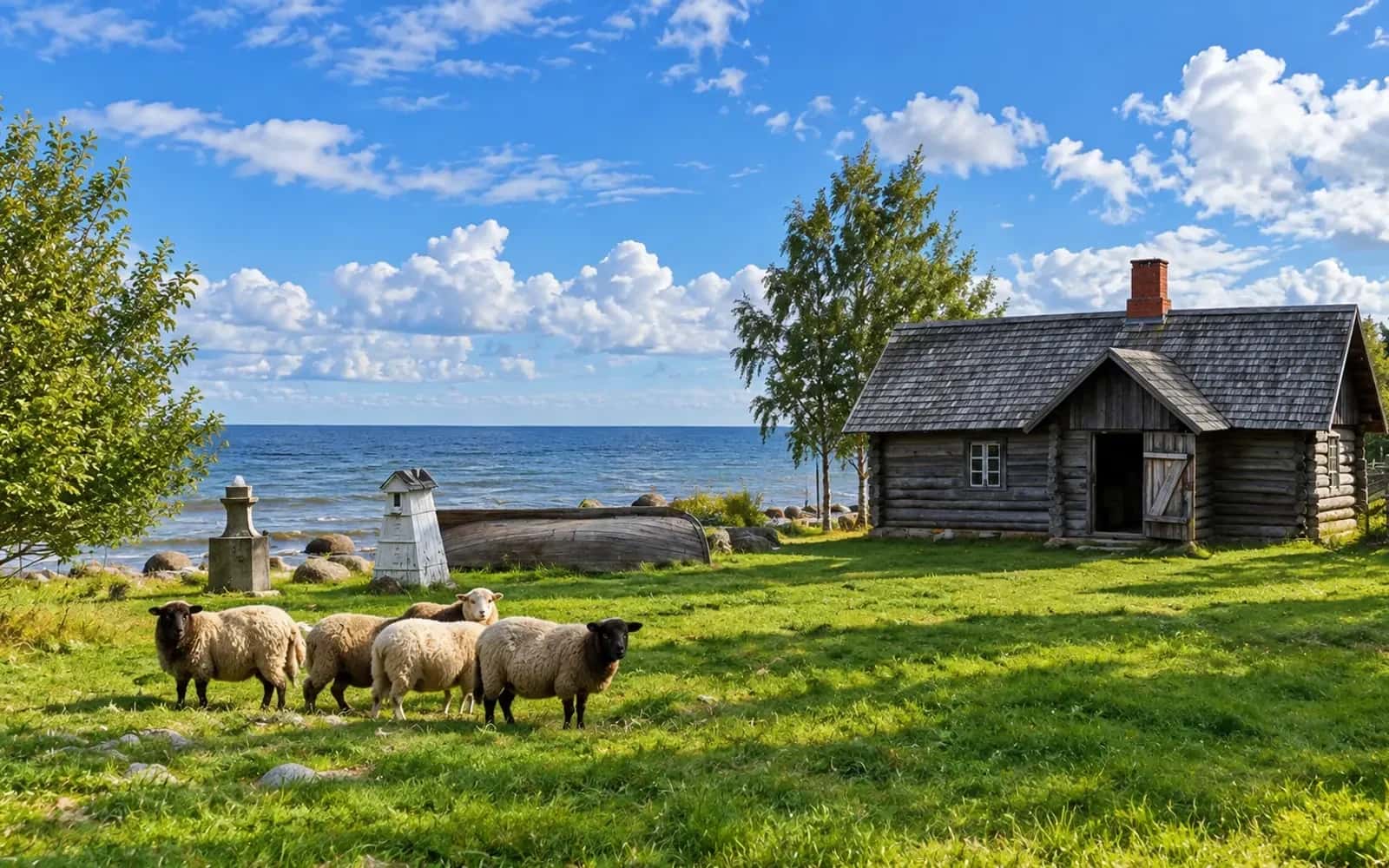
Viimsi Open Air Museum
The Viimsi Open Air Museum is located on a historic seaside farm in Pringi village and introduces life in a northern Estonian fishing village and the work of coastal people. At its heart is the Kingu coastal farm dating from the 1820s, with a dwelling house, granary and other farm buildings; the grounds also include reconstructed fishermen’s houses and fishing-related structures and tools. Right from the shore there is a view of the Tallinn skyline, and a farmers’ market is held in the museum yard on Saturdays. A visit combines historic buildings, coastal culture and the seaside landscape of the Viimsi peninsula.
Rohuneeme tee 53a, Pringi küla, Viimsi vald, Harju maakond
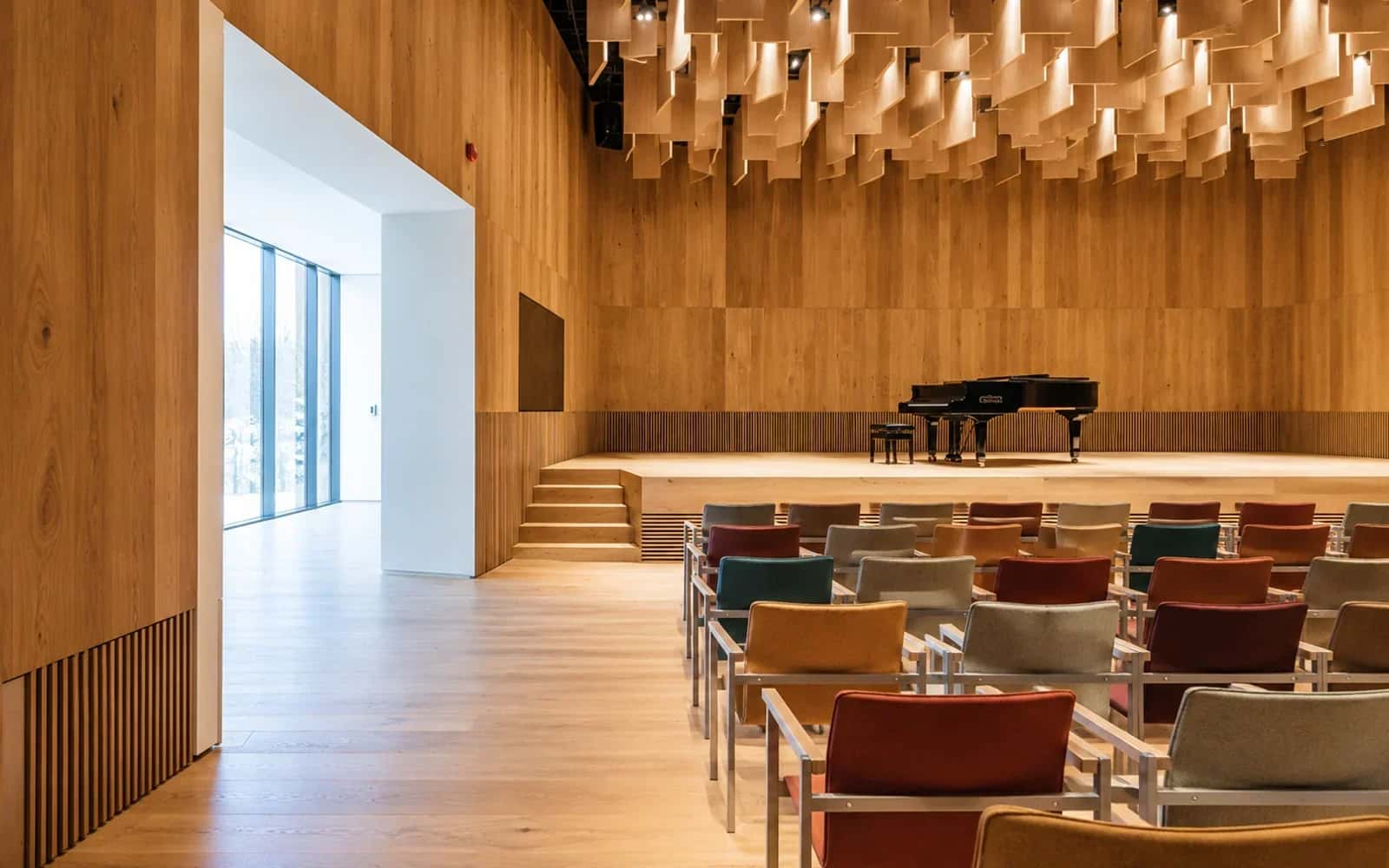
Arvo Pärt Centre
The Arvo Pärt Centre is a music and cultural centre in the pine forest of Laulasmaa, bringing together the composer Arvo Pärt’s personal archive, permanent exhibitions, a library and a concert venue. Visitors can immerse themselves in Pärt’s world of ideas and his tintinnabuli method of composition, look at manuscripts and listen to his music with an audio guide. The centre also screens a short documentary, and the building houses a chamber concert hall, a café and a chapel. From May to the end of September, a viewing tower rising above the Laulasmaa pine forest is also open to visitors.
Kellasalu tee 3, Laulasmaa, 76702 Lääne-Harju vald, Harjumaa
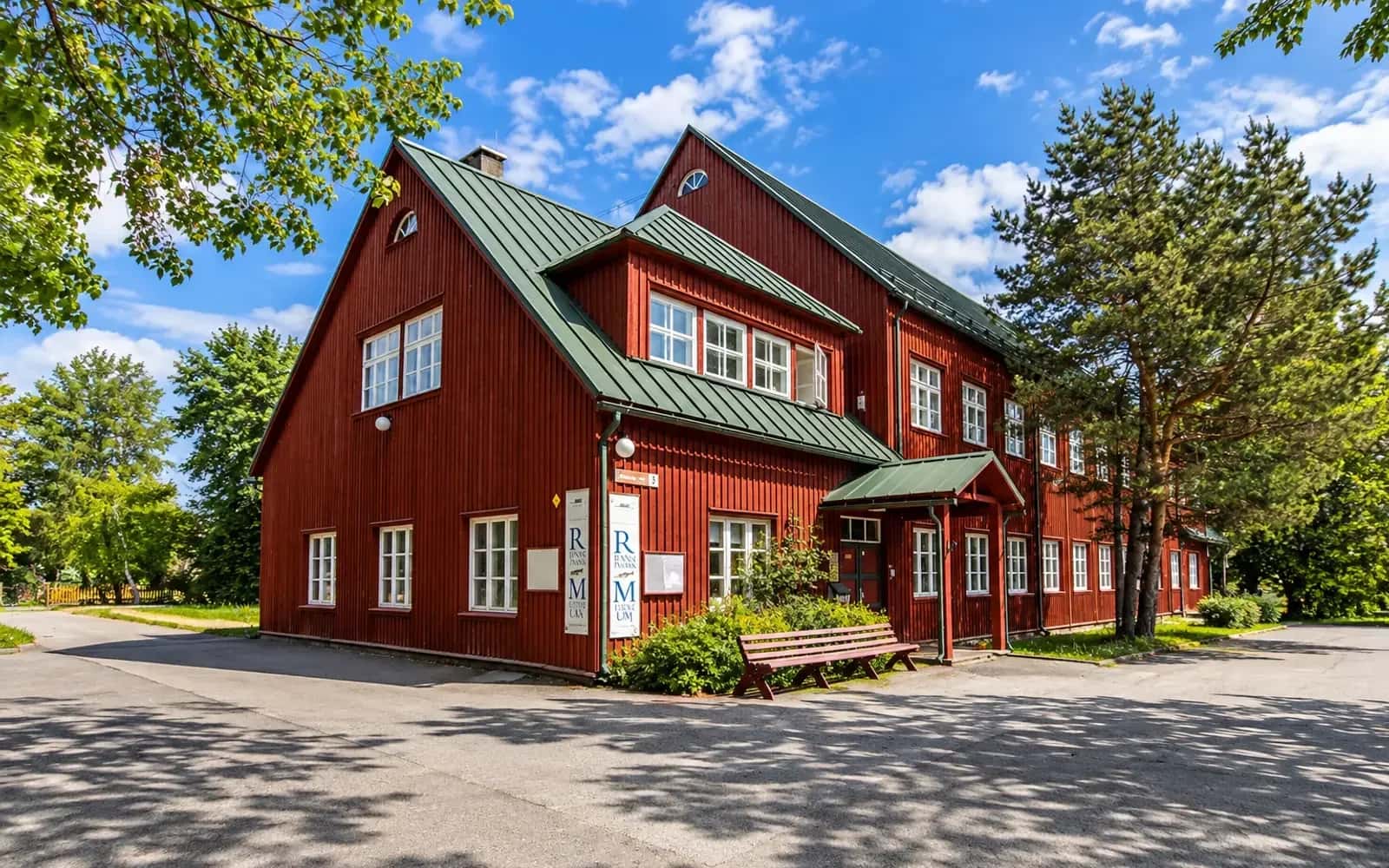
Museum of Coastal Folk
The Museum of Coastal Folk is in Pringi village, Viimsi parish, and focuses on the history of Estonia’s coastal people, maritime culture and the way of life in coastal villages. Its exhibitions and programmes cover fishing, seafaring, the daily life of coastal communities and sea-related heritage from different eras. The museum operates in a historic schoolhouse and, besides the permanent exhibition, organises changing exhibitions, educational programmes and cultural events. It is a rewarding stop on the Viimsi peninsula for anyone who wants to understand how northern Estonia’s coastal villages relate to the sea and local identity.
Nurme tee 3, Pringi küla, Viimsi vald, Harju maakond
Explore Tallinn
Restaurants & cafés
Discover the best restaurants, cafés and bars in Tallinn.
All restaurants in Tallinn →Apartments & stays
Discover apartments, hotels and boutique stays across the city.
All places to stay in Tallinn →SPA
Discover massage studios, saunas, salons and wellness centres across the city.
All spas in Tallinn →Shops
Discover the best shopping in Tallinn — boutiques, local stores and unique finds.
No live listings yet in this category — be the first to join MOST here.
All shops in Tallinn →Local services
Find trusted local specialists — from electricians and tutors to photographers and vets.
All local services in Tallinn →Events & festivals
Everything happening in town in one place — today's events, weekend festivals, family outings and activities for kids.
All events in Tallinn →Tours & Travel
Ready-made package tours from local tour operators and travel agencies — destinations, hotels and dates in one place.
All package tours from Estonia →Upcoming in Tallinn
- Oct 17Halloween Park at Tallinn Song Festival Grounds 2026
- Nov 1Concert for the Littlest – 1 November 2026
- Nov 1In the Footsteps of Estonia Theatre: Frederick Loewe’s “My Fair Lady” – 1 November
Practical information
- Currency
- Euro (€)
- Language
- Estonian — English is widely spoken in shops, hotels and restaurants
- Emergency number
- 112 — police, fire and ambulance, free and nationwide
- Time zone
- Eastern European Time (EET/EEST)